


Tell the Elicit Research Agent what to keep current. Routines find new evidence, update your work, and report back for your review.
Introducing Elicit Research Agent: Rigor that powers decisions - Elicit
Elicit Research Agent is an AI environment built for high-stakes decisions

New in Elicit: Research Agents - Elicit
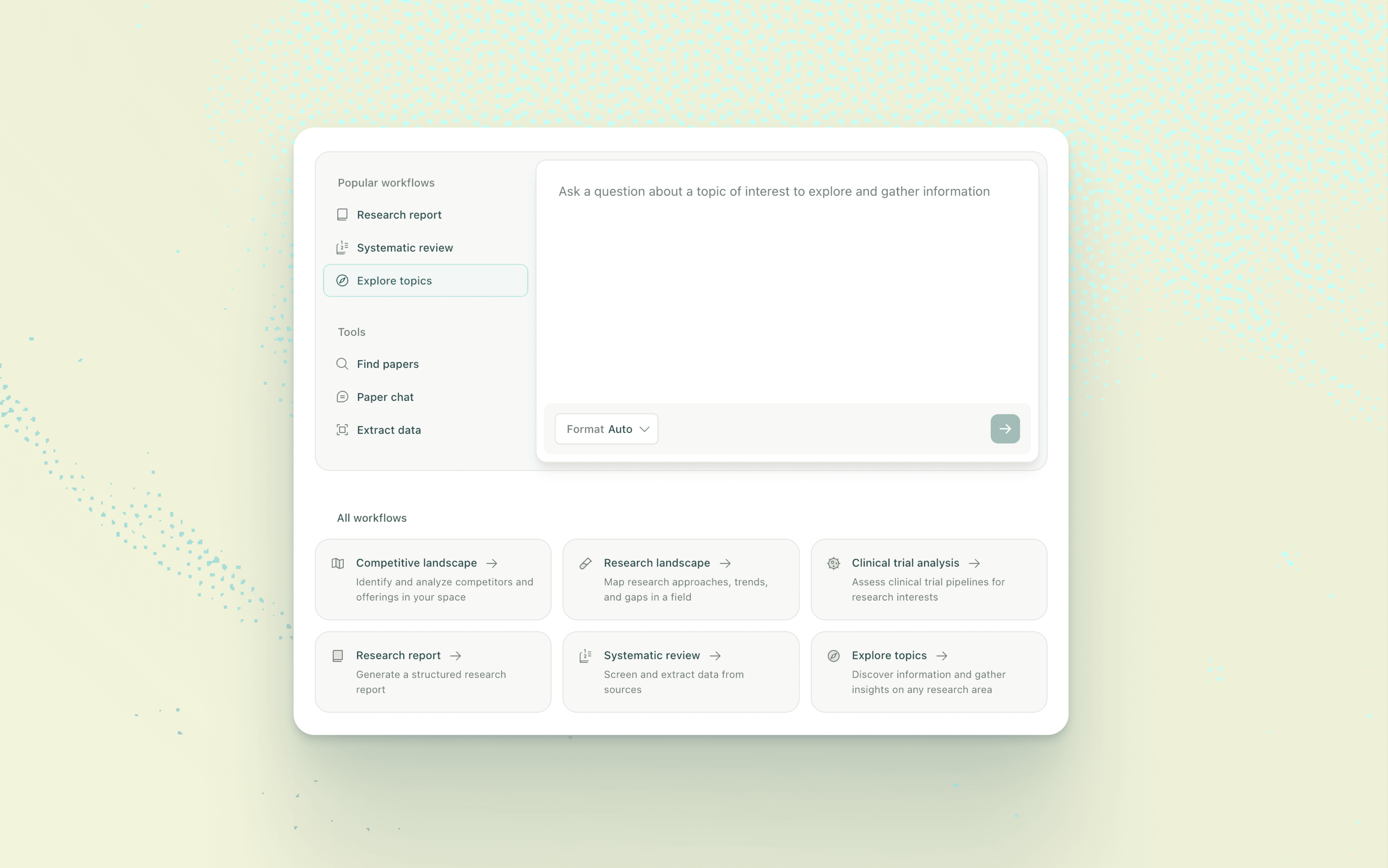
Elicit Research Agent powering workflows for competitive landscapes, research landscape and broad topic exploration
AI Research Assistant Claude Scholar: Open Source, Free, and Citation-Verified | João Cláudio Nunes Carvalho posted on the topic | LinkedIn
🚨 Professors are going to hate this. Someone just open sourced an AI that writes research papers from idea to publication. Conference-ready. Citation-verified. Free. It's called Claude Scholar. An AI-powered research system that handles every step of the academic workflow. Idea to publication. Fully automated. No advisor at 2am. No staring at blank LaTeX files. No crying during rebuttal season. Here's what's inside this thing: → AI brainstorms research topics, reviews literature, and finds gaps nobody has explored → Runs statistical analysis on your experiments. t-tests, ANOVA, ablation studies. Publication-ready figures. → Writes your paper section by section. Abstract to conclusion. Conference-formatted. → Verifies every citation through multi-layer validation so AI never hallucinates a reference → Strips robotic AI language and adds human voice so reviewers can't tell → Self-reviews your draft with a 6-point quality checklist before you submit → Parses reviewer comments, classifies each one, and drafts your entire rebuttal Here's the wildest part: It supports NeurIPS, ICML, ICLR, ACL, AAAI, Nature, Science, Cell, and PNAS. Downloads the conference template, strips sample content, and gives you a clean LaTeX structure ready to write into. The creator says it covers 90% of the academic research lifecycle. Research assistants charge $30 to $60/hour. Conference paper consultants charge $5,000+. Graduate programs cost $50K/year. This is free. All of it. 100% Open Source.

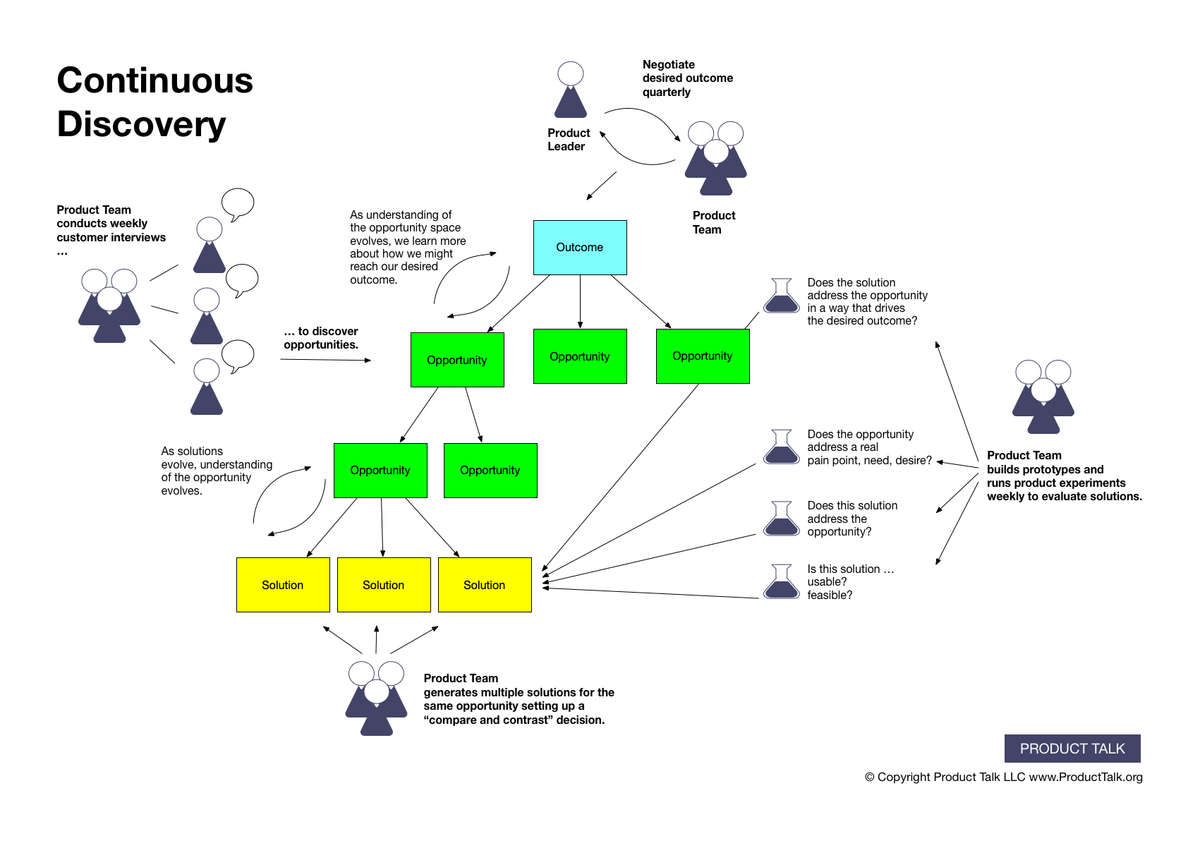
Continuous Discovery | Definition and Overview | Product Talk
Weekly touch points with customers by the team building the product, where they conduct small research activities in pursuit of a desired outcome.
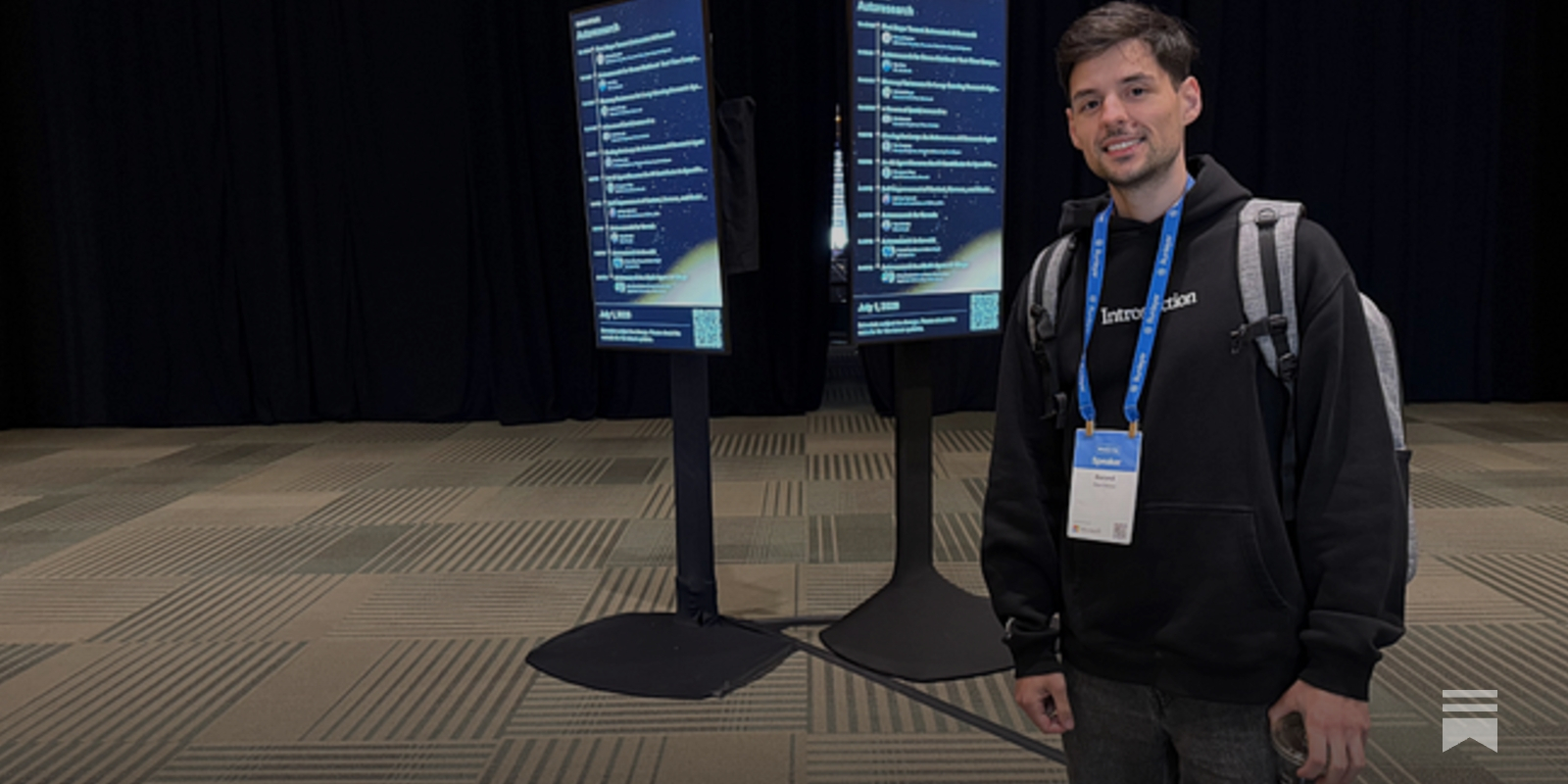
Autoresearch: The feedback loop behind self-improving agents
Introspection co-founder Roland Gavrilescu explains autoresearch, agent “recipes,” self-improving loops, and why humans remain central to the software factory.
Alerts | Elicit: Al for scientific research
AI monitoring and screening with Elicit Alerts help you stay on top of all new research. Save a new alert mid-workflow and be notified when new relevant papers become available.
How I got to 200 productive hours a month
A tested approach to improve your focus and productivity

The Last Human-Written Paper: Agent-Native Research Artifacts
Scientific publication compresses a branching, iterative research process into a linear narrative, discarding the majority of what was discovered along the way. This compilation imposes two structural costs: a Storytelling Tax, where failed experiments, rejected hypotheses, and the branching exploration process are discarded to fit a linear narrative; and an Engineering Tax, where the gap between reviewer-sufficient prose and agent-sufficient specification leaves critical implementation details unwritten. Tolerable for human readers, these costs become critical when AI agents must understand, reproduce, and extend published work. We introduce the Agent-Native Research Artifact (ARA), a protocol that replaces the narrative paper with a machine-executable research package structured around four layers: scientific logic, executable code with full specifications, an exploration graph that preserves the failures compilation discards, and evidence grounding every claim in raw outputs. Three mechanisms support the ecosystem: a Live Research Manager that captures decisions and dead ends during ordinary development; an ARA Compiler that translates legacy PDFs and repos into ARAs; and an ARA-native review system that automates objective checks so human reviewers can focus on significance, novelty, and taste. On PaperBench and RE-Bench, ARA raises question-answering accuracy from 72.4% to 93.7% and reproduction success from 57.4% to 64.4%. On RE-Bench's five open-ended extension tasks, preserved failure traces in ARA accelerate progress, but can also constrain a capable agent from stepping outside the prior-run box depending on the agent's capabilities. Our code is open-sourced at https://github.com/Orchestra-Research/Agent-Native-Research-Artifact.

Study Hacks - Decoding Patterns of Success - Cal Newport
The Study Hacks blog by author and professor Cal Newport - on deep work, success, productivity, work-life balance.
How we built our multi-agent research system
On the the engineering challenges and lessons learned from building Claude's Research system
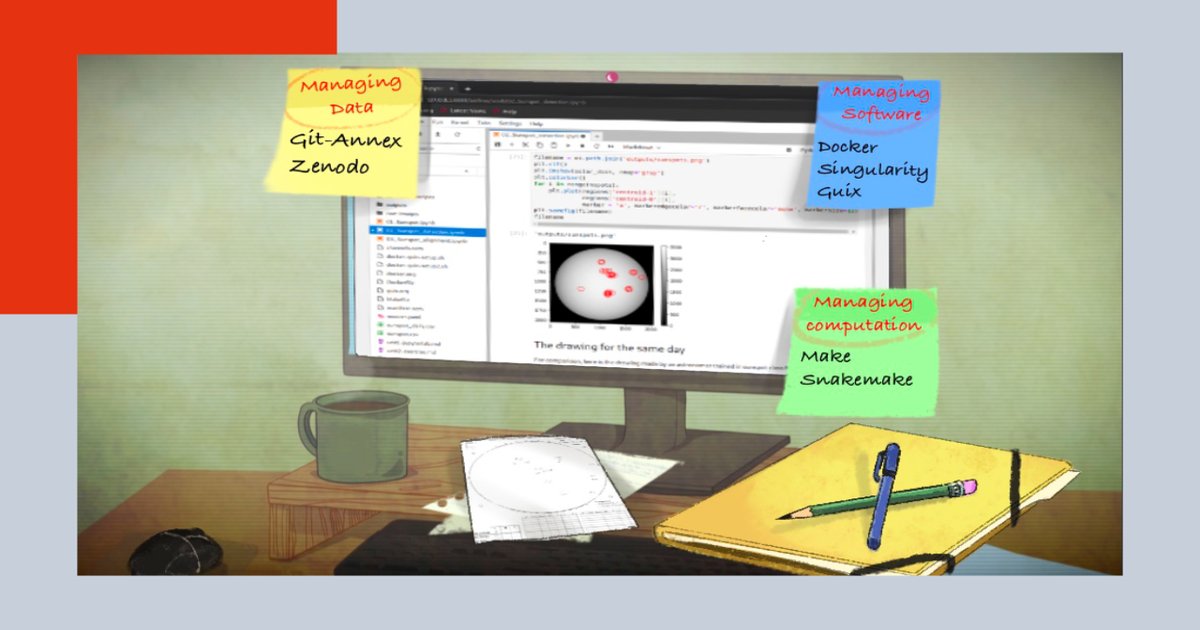
Reproducible Research II: Practices and tools for managing compu…
In this MOOC, we will show you how to improve your practices and your ability to manage and process larger amounts of data, complex computations, while controlling your software environment.
Elicit: AI for scientific research
Use AI to search, summarize, extract data from, and chat with over 125 million papers. Used by over 2 million researchers in academia and industry.
Elicit: AI for scientific research
Use AI to search, summarize, extract data from, and chat with over 125 million papers. Used by over 2 million researchers in academia and industry.
Work Smarter: The Cocktail of Simplicity, Manageable Adversity, and Muntzing
Sometimes deliberate roadblocks can be a good thing to get more efficient and effective products and workflow. Here's how.

Exploring AI’s growing role in scientific peer review
Stanford computer scientist James Zou discusses AI’s strengths at spotting errors and limitations in judging research significance.

Research tools 🔬

Interesting tools that assist with the research process.

Ronen Tamari (@ronentk.me)

Crossmark - Crossref
Crossmark - Crossref
Plaudit · Open endorsements from the academic community
Introducing the Elicit API - Elicit
Alerts | Elicit: Al for scientific research