
The fall of men thinking about the Roman Empire
The great myth of empire collapse | Aeon Essays
Societal downfalls loom large in history and popular culture but, for the 99 per cent, collapse often had its upsides
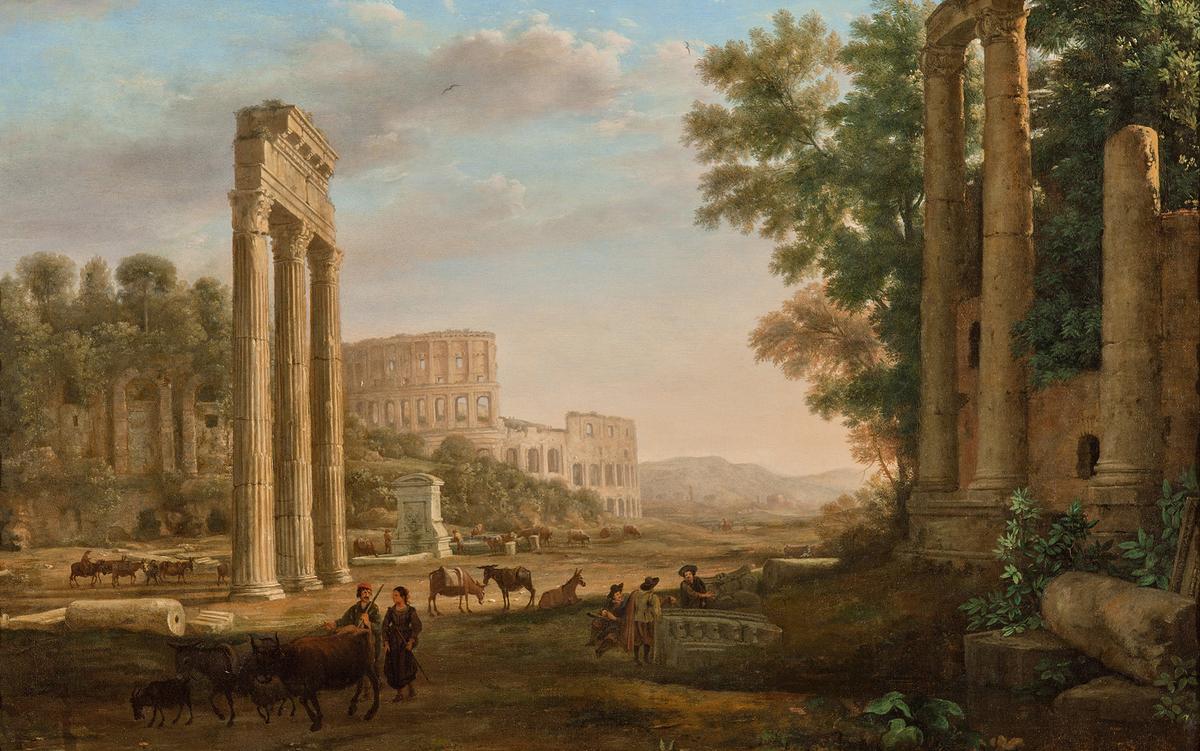
The Decline and Fall of the American Empire
Even if you don’t think it’s likely, it’s always best to be prepared.
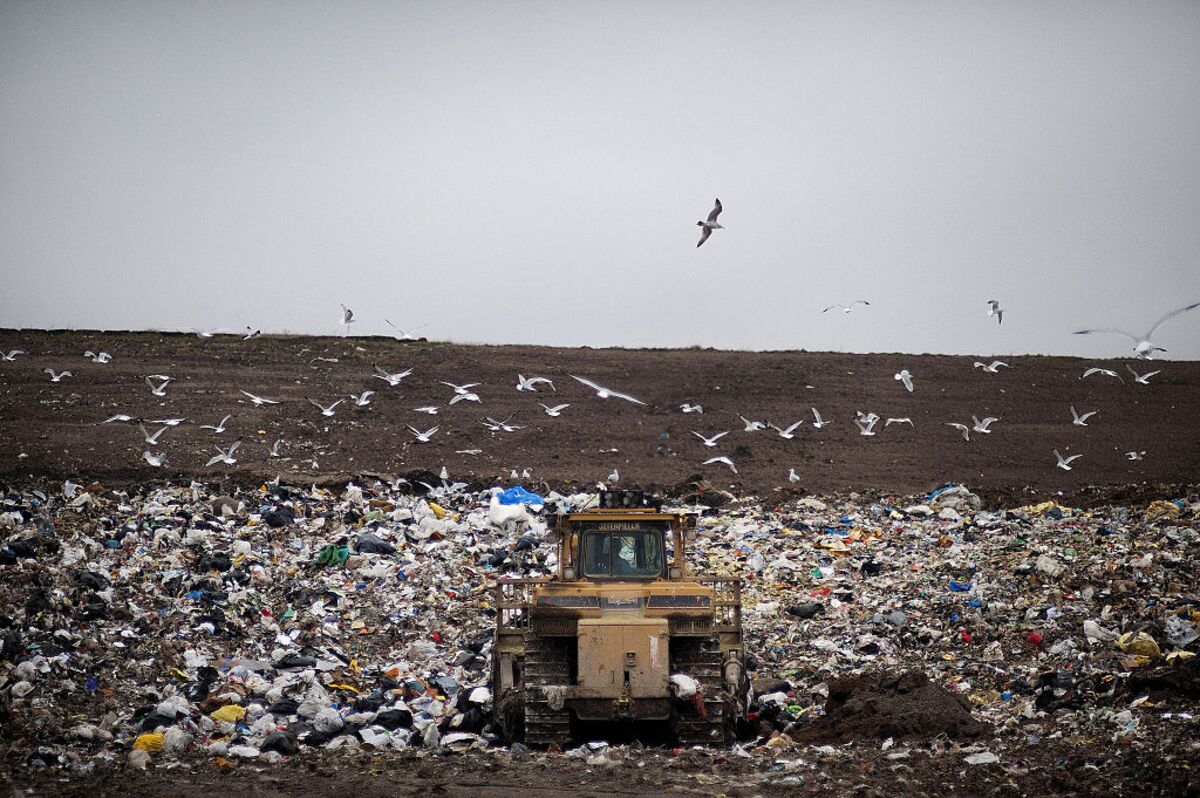
Rome is about to fall in Victoria. The state has seen this before
The government has dragged the chain on issue after issue – home invasions, tobacco store firebombings, bail for youth offenders, the degradation of retail strips and more.

Why no Roman Industrial Revolution?
You can’t leapfrog the spinning wheel to get to the spinning mule
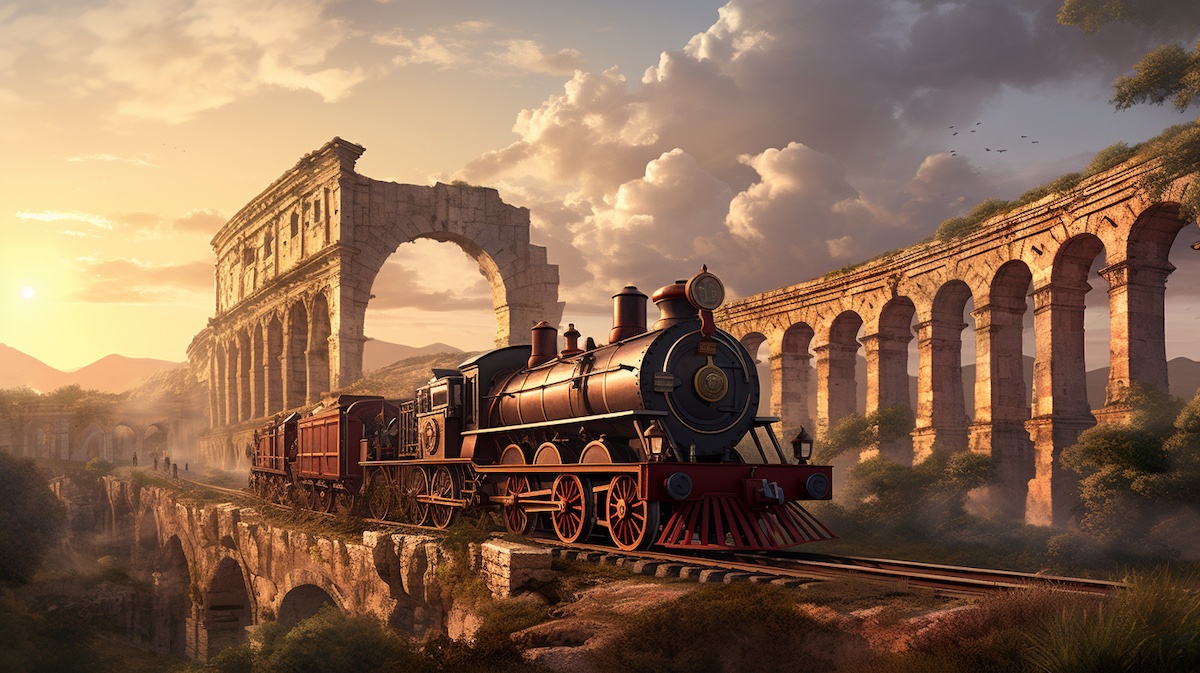
CRISES AVERTED. How A Few Past Societies Found Adaptive Reforms in the Face of Structural-Demographic Crises
Historians and social scientists have long been preoccupied with understanding and documenting periods of crisis. Such emphasis is only growing, and becoming more pressing, as the world continues to face a number of interrelated stressors in the form of irreversible climate change, major ecological shocks and disease outbreaks, eruptions of military violence, economic disruptions and deepening inequalities, political polarization and unrest, the rise of authoritarian and nationalist regimes. Crises in these domains are not new, but have been recurrent features of past societies. Although these periods have typically led to massive loss of life, the failure of critical institutions, and even complete societal collapse, there are instances in the historical record of societies managing to turn the tide of crisis even as violence and social turmoil grow. Here, we focus on four such cases of crises mitigated with structural reforms revealed from our previous historical analyses: early Republican Rome, mid-19th century England and Russia, USA during the the late 20th to early 21st centuries. Utilizing structural demographic theory as a lens to explore these cases, we seek to expose the pressures that built up leading to crisis and the early signs of violent confrontation revealed by these societies, as well as to examine the conditions and key decisions made in the midst of this unrest that allowed these societies to turn the tide and enact significant structural adaptations. Our findings have clear relevance to understanding and navigating similar crises in contemporary societies.

Empire: World History
Collections: Why No Roman Industrial Revolution?
This week we are taking a look at the latest winner of the ACOUP Senate poll, which posed the question “Why didn’t the Roman Empire have an industrial revolution?” To answer that,…

The Rebel: An Essay on Man in Revolt | Philopedia
Overview of Albert Camus’s The Rebel, exploring metaphysical and historical rebellion, nihilism, revolution, and the limits of political violence.

Collections: The Afterlife of the Roman Republic
This week we are taking a look at what ended up being the ‘runner-up’ in the latest ACOUP Senate poll (we’ll also do the winner, “The Problem with Sci-Fi Body armor” b…

Empire: World History
History Podcast · Updated twice weekly · The rise and fall of empires and the events that shaped world history. William Dalrymple and Anita Anand explore the intricate stories of revolutions, imperial wars, and the people who built and lost…

Collections: The Marian Reforms Weren’t a Thing
This week we’re going to take a bit of a detour because the previous post on the Roman conscription system, the dilectus, sparked some discussion both here and on social media which made me r…

We May Be Entering A Second Axial Age
The transition from small hunter-gatherer societies into complex civilizations gave rise to the first Axial Age. Today, the planetary polycrisis of climate chaos, mass migration, increasing warfare and transformative AI represents a rupture of comparable magnitude.

Rise of the Empire expands Star Wars: Rebellion in all the right ways
Review: A new hope for the 3-hour board game.