


Explore Ember’s evidence-based research on how electrification makes transport, heating and industries more energy-efficient and energy-secure by avoiding trillions of dollars in fossil fuel import costs, making it central to the clean energy transition.
Global Electricity Review 2026 | Ember
Solar surge halts fossil generation rise as clean power meets all demand growth and renewables overtake coal


Climate solutions most likely to reach ‘positive tipping points’ revealed by scientists
Global shift towards clean electricity could trigger ‘cascade’ of progress, helping reduce air pollution, cut waste and revive oceans
Breakthrough Energy | Home
Empowering innovators to build the future of energy
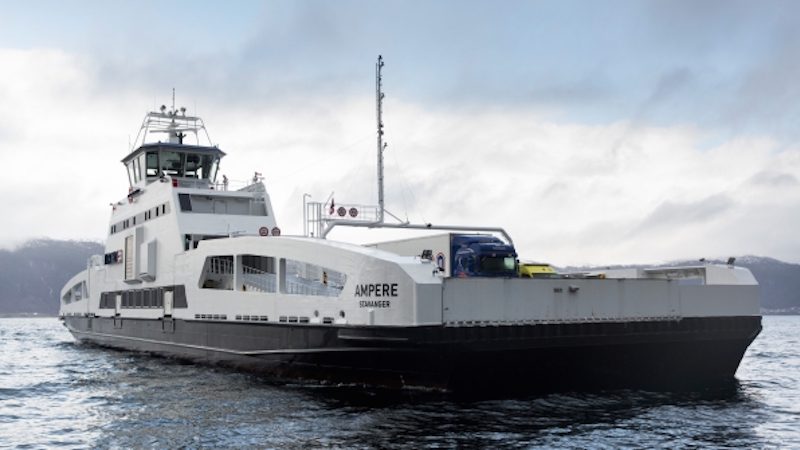
Going Green: Norwegian Shipbuilders Turning to Battery Power
By Mikael Holter and Jeremy Hodges (Bloomberg) — Not far from Norway’s North Sea oil rigs, shipbuilders are assembling some of the first ferry boats ever to be powered entirely...
EnergyBus
EnergyBus is an open standard and purpose-made bus system for the electrical components in Light Electric Vehicles (LEVs) such as pedelecs, e-bikes, e-scooters, and also for energy management systems. With a plug family, charge socket and a charging protocol based on CANopen, EnergyBus is specifical

The Electrification Staircase — Mapping Europe's Path to Full Electrification
Introducing the Electrification Staircase: a visual framework showing the steps Europe must take to fully electrify its economy.

A Reality Check on Our ‘Energy Transition’ | The Tyee
To our peril, there’s been no green revolution. Just green addition to rising fossil fuel use.

Why do they love electric cars in the Arctic Circle?
Why is Norway - population five million - embracing electric cars with such enthusiasm?

Static! Designing for energy Awareness
From the boost of the first cup of coffee in the morning to the glow of a nightlight that keeps a child company after dark, much of our contemporary lifestyles is powered by electricity. Today, however, the economic and environmental costs of energy require us to think again. While recognizing the complex social functions and cultural forms of electricity in everyday life, the current challenge for design is to change practices and patterns of (over)consumption. Static! explores design as a basis for increasing awareness of energy. Familiar furnishings and products have been reinterpreted to materialize electricity, to make it more visible and tangible for people. The resulting series of conceptual design examples express the poetics – and politics – of everyday electricity consumption. A design research project at the Interactive Institute funded by the Swedish Energy Agency, Static! has proved to be a pioneer in opening a current and critical research area at the intersection of design, energy and information technology. This book presents the Static! design examples and perspectives on issues in (sustainable) design today. Grounded in passion and humor, as well as rigor and research, the book asks designers and consumers – that is, all of us – to rethink the form, and future, of electricity in the world around us. Editor: Ramia Mazé. Authors: Christina Öhman, Sara Backlund, Johan Redström, Ramia Mazé, Sara Ilstedt Hjelm, Sara Routarinne.

Saul Griffith's commitment to showing how much individuals--and entire superpowers--can benefit from "energy literacy" — THE ALTERNATIVE
Continuing our week of blogs reckoning with the chastening IPCC report on climate change - but also trying to focus on concrete actions and motivating knowledge, rather than gnashing our teeth and rending our garments - we were alerted to the work of Australian-American inventor Saul Griffith. A
The growing Brics divide between carbon nations and electrostates
Energy systems can shape political institutions and make some nations more vulnerable to trade wars than others

Ten Brighter Ideas? An Explorable Explanation
As with many areas of public interest, the common wisdom surrounding energy conservation consists of myths and legends, rules of thumb and superstitions. We're given guidelines as soundbites, catchy but insubstantial. We trust them blindly, not knowing whether our actions make any significant impact.
Energy Production and Consumption
Explore data on how energy production and use varies across the world.