


Solar surge halts fossil generation rise as clean power meets all demand growth and renewables overtake coal
Electrification | Ember
Electrification can refer to different processes depending on the context. For example, increasing electricity access in emerging economies. At Ember, we focus on a specific type of electrification: replacing fossil fuels with electricity in sectors like transport, heating and industry. This kind of electrification cuts emissions and improves energy efficiency by replacing fossil fuels with clean power.

Climate solutions most likely to reach ‘positive tipping points’ revealed by scientists
Global shift towards clean electricity could trigger ‘cascade’ of progress, helping reduce air pollution, cut waste and revive oceans
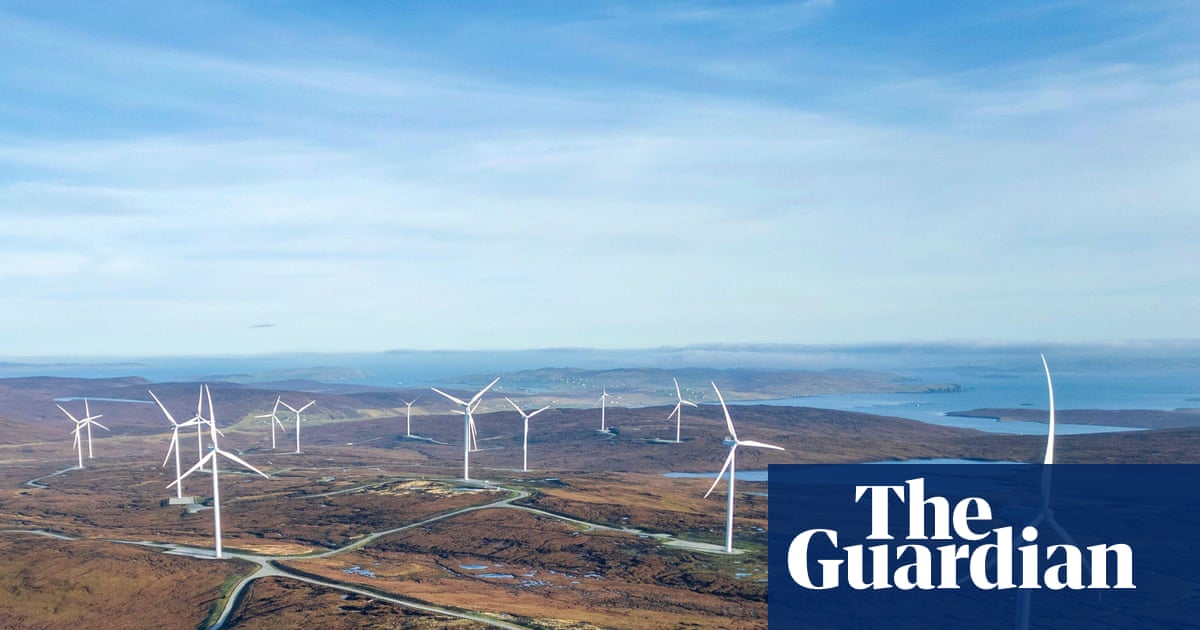
China’s Solar Industry Is in Upheaval—The Effects Will Be Global
Rather than opening space for rivals, China’s solar industry shakeout is forging a more resilient core — embedding deeper into global value chains, securing a technological lead, and reshaping the industry’s future trajectory to its own long-term advantage.
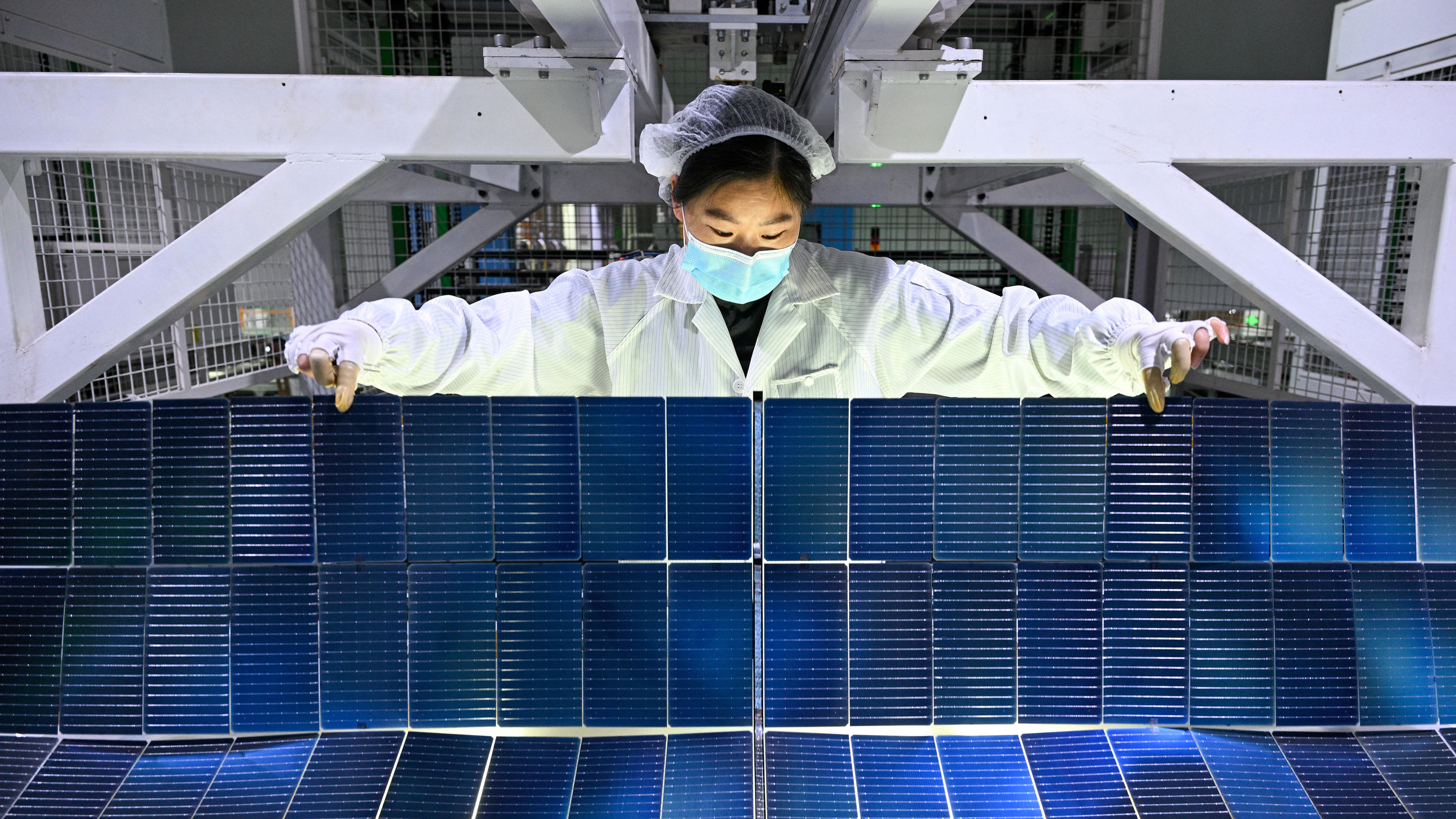
A Reality Check on Our ‘Energy Transition’ | The Tyee
To our peril, there’s been no green revolution. Just green addition to rising fossil fuel use.

Oil and Gas=Peril and Poverty/ Solar and Wind=Prosperity and Protection
2026 has changed the psychological meaning of energy forever

China Is The World's First Electrostate - CleanTechnica
Carbon emissions in China fell slightly int he first quarter of 2025 as more renewable energy and storage came available.

Solar Power Is Getting So Cheap That It’s Almost Unbelievable
The cost of solar panels has dropped to just a few cents per watt, thanks to a massive supply of photovoltaics flooding the market.
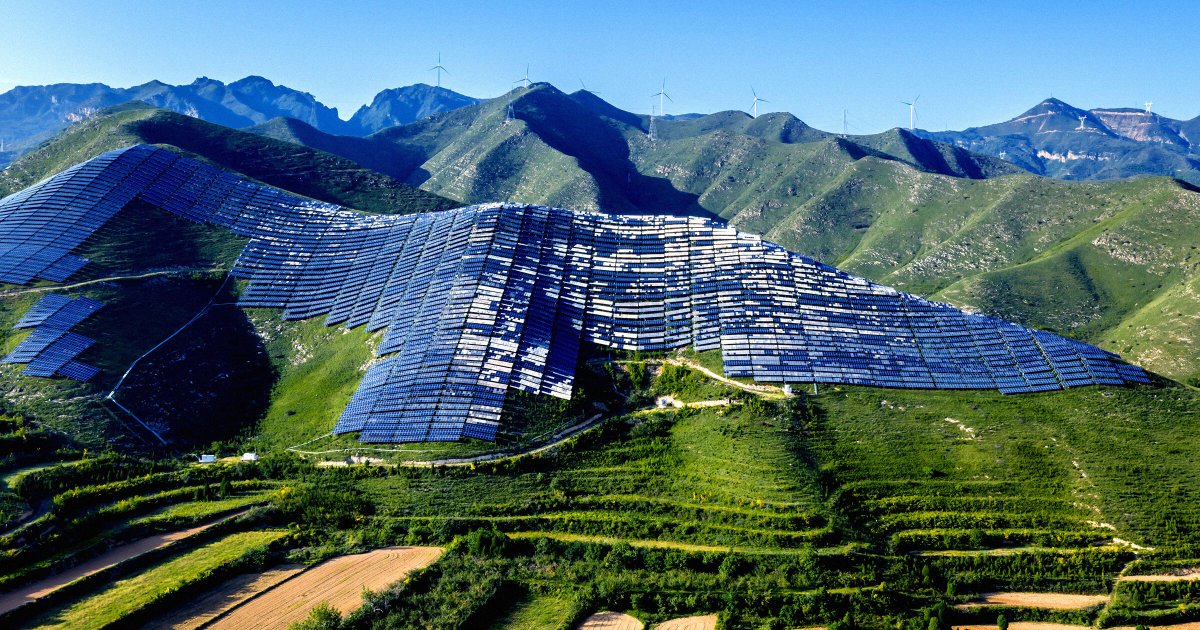
What comes next with the energy shock?
The disruption to oil supply, oil prices and the world economy has been surprisingly manageable so far


Putting solar panels on land used for biofuels would produce enough electricity for all cars and trucks to go electric
The world dedicates a Poland-sized area of land to liquid biofuels. Is there a more efficient way to generate energy?
Carbon Removal Technologies | YC Request for Startups
Climate change presents an existential threat to humanity. We are already seeing the effects and they are showing up faster and stronger than anticipated. A report by United Nations' scientific panel on climate change released this month expects the atmosphere-on our current trajectory-to warm up by 1.5 degrees Celsius by 2040. Even the effects of a 0.5 degrees increase will have far-reaching consequences. This research indicates that we are already past the tipping point; even if we significantly reduced emissions, climate change would continue (Source IPCC summary C3 section). We believe there's still time to make a change if we look both to renewal energy and CO2 removal.

The shale revolution helped make America’s economy great
But will the country’s oil riches discourage a similar revolution in renewables?

The world’s renewable-energy superpower
China’s moment for climate leadership has arrived

France Exports Surplus Solar Power as Electricity Prices Turn Negative
French solar power surged on Thursday as a stretch of sunny weather boosted generation allowing the country to export huge volumes of electricity to neighboring markets.
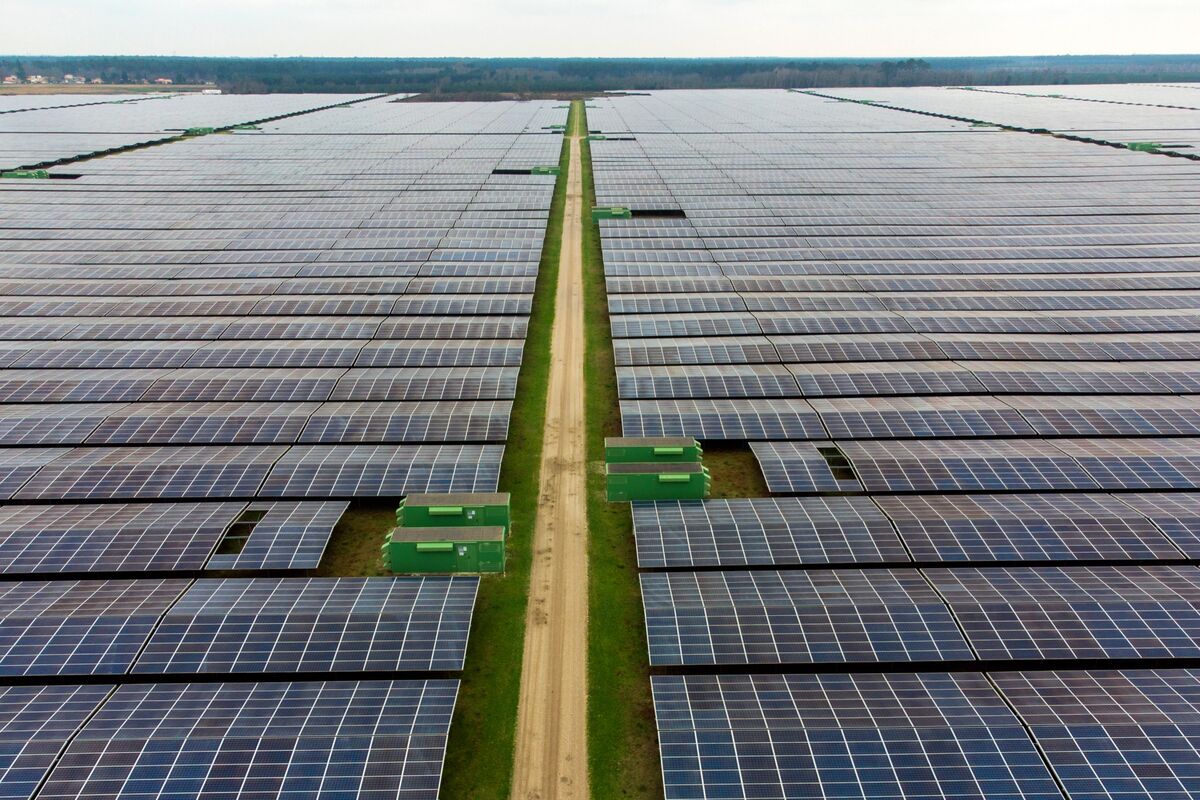
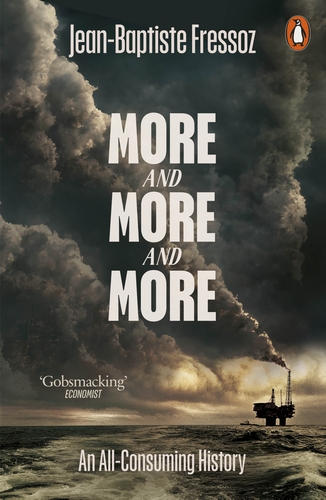
More and More and More
It has become habitual to think of our relationship with energy as one of transition: with wood superseded by coal, coal by oil, oil by nuclear and then at some future point all replaced by green sources. Jean-Baptiste Fressoz’s devastating but unnervingly entertaining book shows what an extraordinary delusion this is. Far from the industrial era passing through a series of transformations, each new phase has in practice remained almost wholly entangled with the previous one. Indeed the very idea of transition turns out to be untrue. The author shares the same acute anxiety about the need for a green transition as the rest of us, but shows how, disastrously, our industrial history has in fact been based on symbiosis, with each major energy source feeding off the others. Using a fascinating array of examples, Fressoz describes how we have gorged on all forms of energy – with whole forests needed to prop up coal mines, coal remaining central to the creation of innumerable new products and oil still central to our lives. The world now burns more wood and coal than ever before. This book reveals an uncomfortable truth: ‘transition’ was originally itself promoted by energy companies, not as a genuine plan, but as a means to put off any meaningful change. More and More and More forces its readers to understand the modern world in all its voracious reality, and the true nature of the challenges heading our way.
Denmark's coal-to-wind transition is one of the most dramatic energy transformations of the past three decades. In 1990, coal provided 90% of Danish electricity. Today it is under 3%. Wind now covers roughly 60% of electricity generation. The last coal plant is scheduled to close by 2028.
