A compost heater is a structure for the energetic use of biomass for the heating of buildings.
compost.party
compost.party is a repurposed smartphone running on solar power. It's a web server pieced together from scraps, humming in the attic of an apartment building.
compost.party
compost.party is a repurposed smartphone running on solar power. It's a web server pieced together from scraps, humming in the attic of an apartment building.
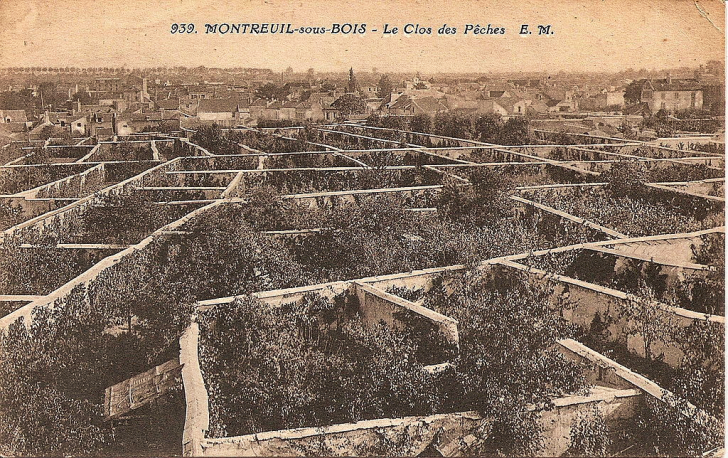
Fruit Walls: Before Greenhouses, Walled Gardens Created Urban Micro-Climates - 99% Invisible
Imagine being able to plant things in your garden that would normally never grow in that climate, outdoors and without any electricity. Architects and urban designers often factor thermal mass into their designs, employing materials that absorb heat by day and release it at night to help warm human occupants. And though we rarely see it today,
Climate change
Present-day climate change includes both global warming—the ongoing increase in global average temperature—and its wider effects on Earth's climate system. Climate change in a broader sense also includes previous long-term changes to Earth's climate. The modern-day rise in global temperatures is driven by human activities, especially fossil fuel burning since the Industrial Revolution. Fossil fuel use, deforestation, and some agricultural and industrial practices release greenhouse gases. These gases absorb some of the heat that the Earth radiates after it warms from sunlight, warming the lower atmosphere. Earth's atmosphere now has roughly 50% more carbon dioxide, the main gas driving global warming, than it did at the end of the pre-industrial era, reaching levels not seen for millions of years.


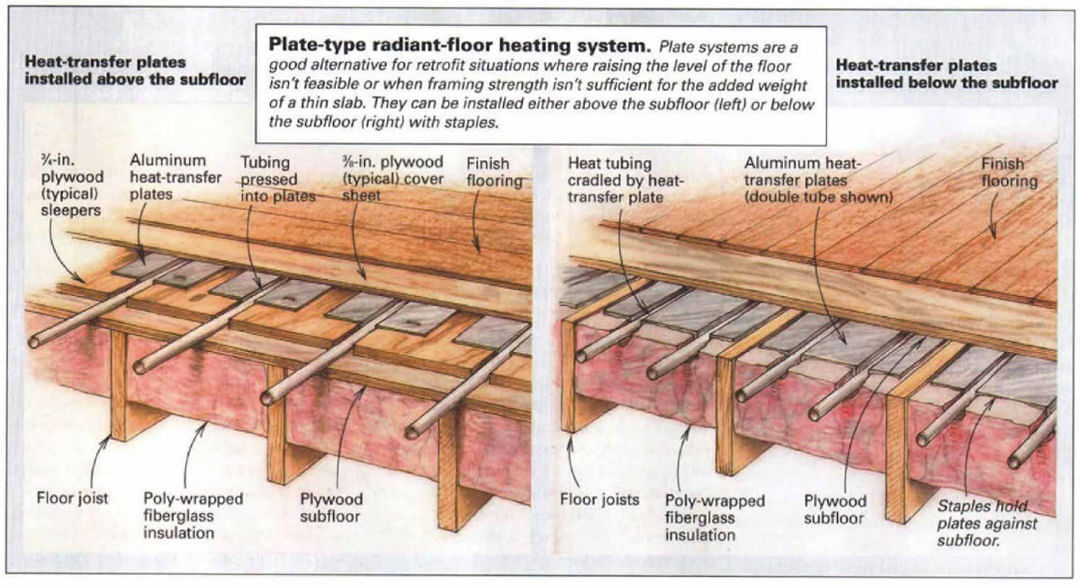
Hydronic Radiant-Floor Heating - Fine Homebuilding
Different techniques offer flexibility for installing the ultimate comfort system under a variety of finished flooring materials.
Carbon Removal Technologies | YC Request for Startups
Climate change presents an existential threat to humanity. We are already seeing the effects and they are showing up faster and stronger than anticipated. A report by United Nations' scientific panel on climate change released this month expects the atmosphere-on our current trajectory-to warm up by 1.5 degrees Celsius by 2040. Even the effects of a 0.5 degrees increase will have far-reaching consequences. This research indicates that we are already past the tipping point; even if we significantly reduced emissions, climate change would continue (Source IPCC summary C3 section). We believe there's still time to make a change if we look both to renewal energy and CO2 removal.

Carbon Captured
How the fossil fuel industry turned the plan to solve climate change into a plan to save itself

Energy Production and Consumption
Explore data on how energy production and use varies across the world.
WikiHouse
WikiHouse is a digitally-manufactured building system that makes it simple for anyone to build beautiful, zero-carbon homes.

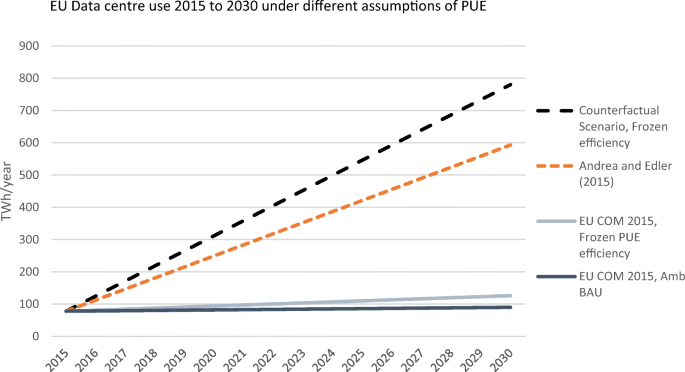
Data centres in future European energy systems—energy efficiency, integration and policy
End-use efficiency, demand response and coupling of different energy vectors are important aspects of future renewable energy systems. Growth in the number of data centres is leading to an increase in electricity demand and the emergence of a new electricity-intensive industry. Studies on data centres and energy use have so far focused mainly on energy efficiency. This paper contributes with an assessment of the potential for energy system integration of data centres via demand response and waste heat utilization, and with a review of EU policies relevant to this. Waste heat utilization is mainly an option for data centres that are close to district heating systems. Flexible electricity demand can be achieved through temporal and spatial scheduling of data centre operations. This could provide more than 10 GW of demand response in the European electricity system in 2030. Most data centres also have auxiliary power systems employing batteries and stand-by diesel generators, which could potentially be used in power system balancing. These potentials have received little attention so far and have not yet been considered in policies concerning energy or data centres. Policies are needed to capture the potential societal benefits of energy system integration of data centres. In the EU, such policies are in their nascent phase and mainly focused on energy efficiency through the voluntary Code of Conduct and criteria under the EU Ecodesign Directive. Some research and development in the field of energy efficiency and integration is also supported through the EU Horizon 2020 programme. Our analysis shows that there is considerable potential for demand response and energy system integration. This motivates greater efforts in developing future policies, policy coordination, and changes in regulation, taxation and electricity market design.
CIRCULAR ECONOMY IN CONSTRUCTION – MAXIMIZING RESOURCE EFFICIENCY AND MINIMIZING WASTE
Addressing climate change and protecting our environment – Victorian Socialists
The climate crisis is driven by the profit motive. We need a shift to 100 percent publicly owned renewable energy and an end to old-growth logging.
Circular economy in the building and construction sector: A scientific evolution analysis
The building industry is responsible for considerable environmental impacts due to its consumption of resources and energy, and the production of wastes. Circular Economy (CE), a new paradigm can significantly improve the sustainability of this sector. This paper performs a quantitative scientific evolution analysis of the application of CE in the building sector to detect new trends and highlight the evolvement of this research topic. Around 7000 documents published 2005 to 2020 at Web of Science and Scopus were collected and analyzed. The bibliometric indicators, network citation, and multivariate statistical analysis were obtained using Bibliometrix R-package and VOSviewer. The co-occurrence analysis showed five keyword-clusters, in which the three main ones are: (i) energy and energy efficiency in buildings; (ii) recycling, waste management and alternative construction materials; (iii) sustainable development. The analysis showed that researchers pay close attention to “sustainability”, “energy efficiency”, “life cycle assessment”, “renewable energy”, and “recycling” in the past five years. This paper highlights that (i) the development and use of alternative construction materials; (ii) the development of circular business models; (iii) smart cities, Industry 4.0 and their relations with CE, are the current research hotspots that may be considered as potential future research topics.
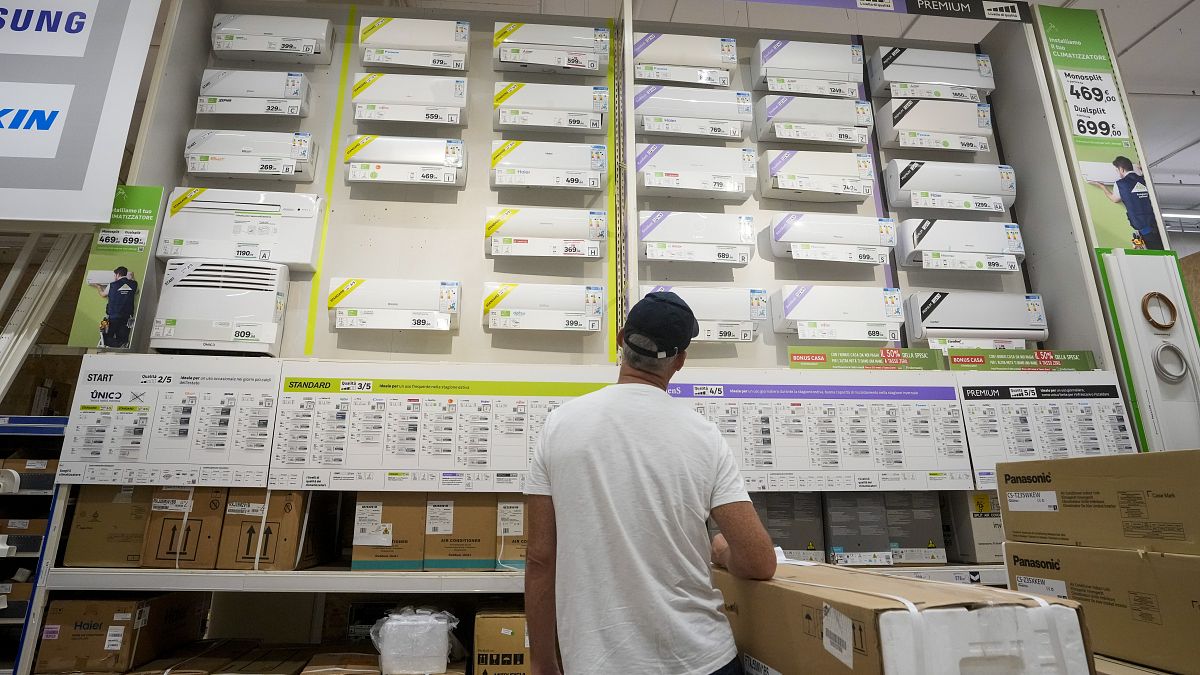
Fact-check: Is air conditioning making cities hotter?
A study found that waste heat generated by a city’s worth of air conditioners during a heatwave can raise the outside temperature by more than 2 degrees Celsius.
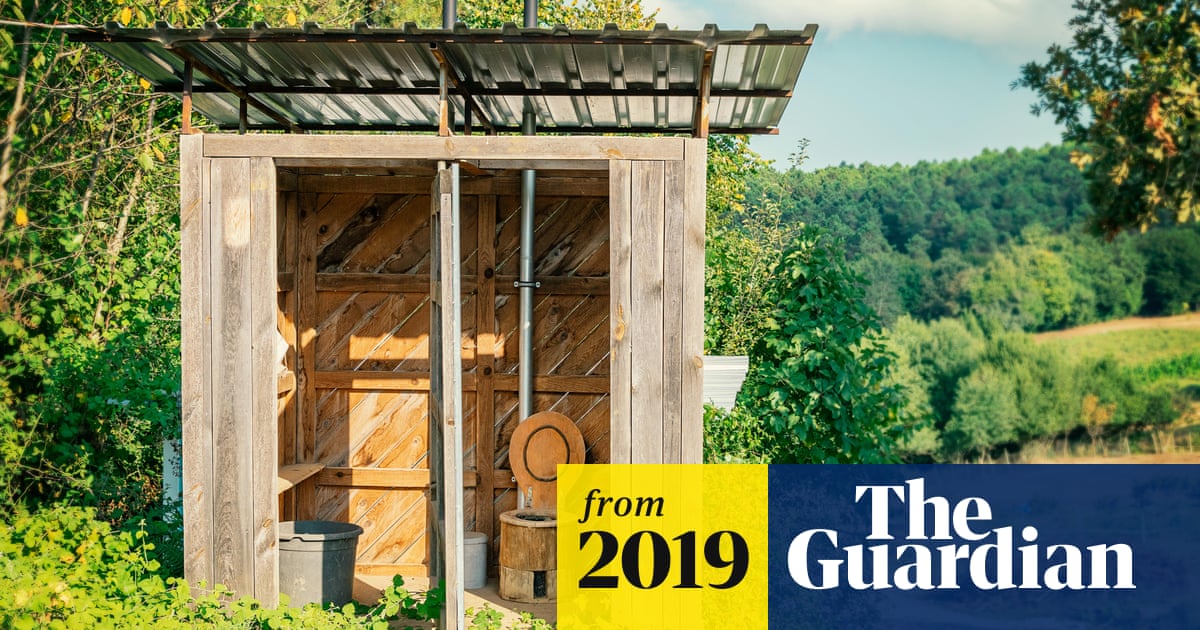
The no-flush movement: the unexpected rise of the composting toilet
We squander masses of clean water flushing away our own waste instead of using it as fertiliser. But a lavatorial eco revolution has now begun