


"The Work of Art in the Age of Mechanical Reproduction", by Walter Benjamin, is an essay of cultural criticism which proposes and explains that mechanical reproduction devalues the aura (uniqueness) of a work of art, and that in the age of mechanical reproduction and the absence of traditional and ritualistic values, the production of art would be inherently based upon the praxis of politics.
Read The Work of Art in the Age of Mechanical Reproduction
1935 essay by Walter Benjamin; proposes that mechanical reproduction devalues the aura of an artwork, that—in the age of mechanical reproduction and traditional ritualistic value’s absence—art production would be inherently based on political praxis
Life Is Pain, Highness
I’ve been thinking about art and punishment. That is, how we punish people for making art. There’s the more nuanced form, where we project our own...
Is AI the greatest art heist in history?
New technologies of reproduction are plundering the art world – and getting away with it

How Modern Art Serves the Rich
More art is being produced and sold than ever before, at ever higher prices.

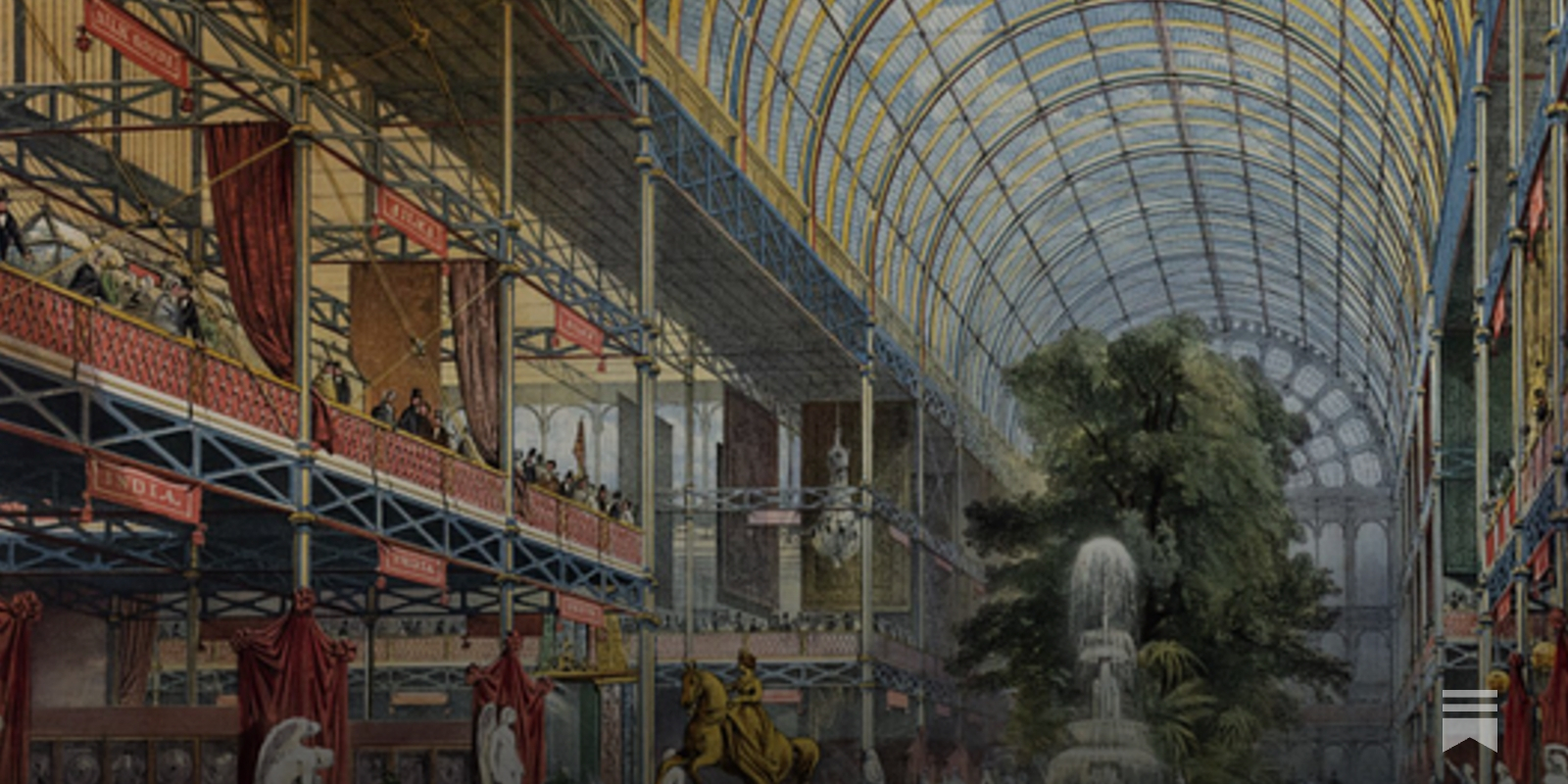
Age of Invention: The Industry of All Nations
The spirit of the nineteenth-century exhibitions of industry, and how we might organise a Great Exhibition for the modern day.
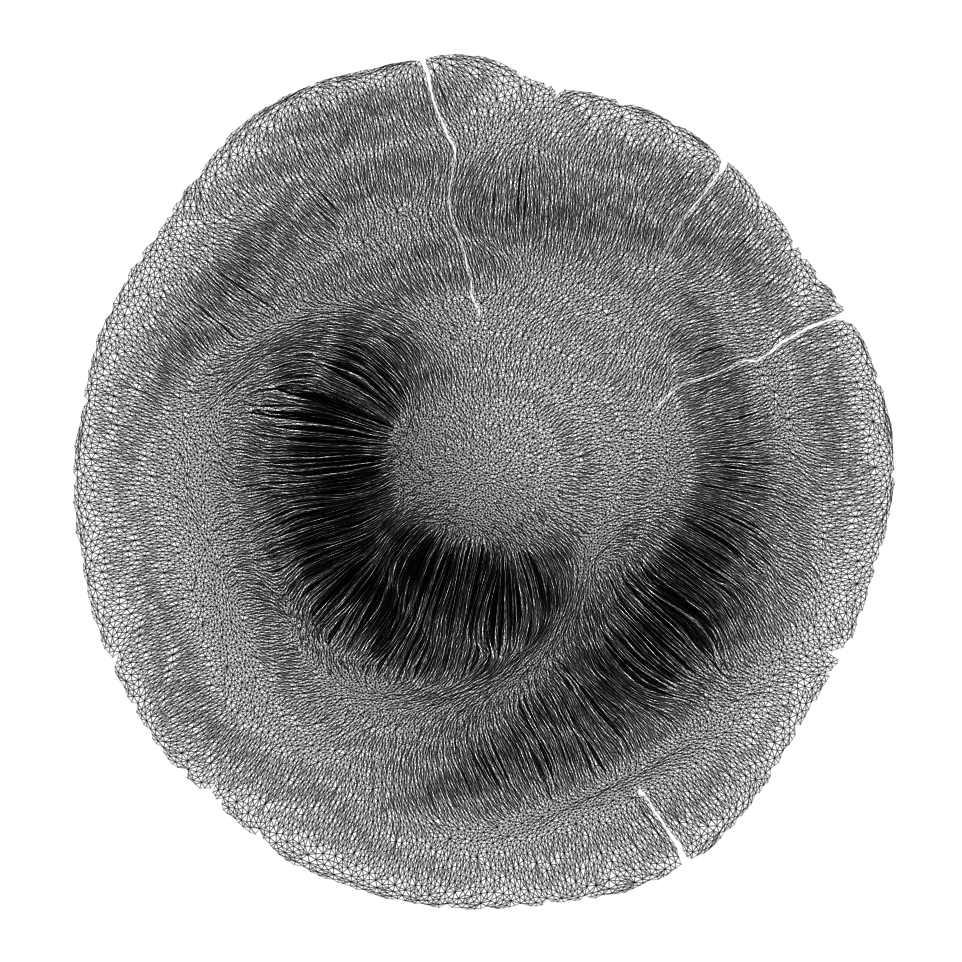
inconvergent · Generative art by Anders Hoff
inconvergent is a generative art project by Anders Hoff.
The cinematograph, the "noematograph," and the future of AI art
From the cinematograph to the "noematograph," the Hugh-winning author explores how technology has, and may still, breed new artistic forms.

What Art Does: An Unfinished Theory
Why do we need art? What Art Does is an invitation to e…

Ethics and Aesthetics: Could beauty be the key to a more humane design?
Design has transformed from an artistic handicraft into an engineering job. What was lost when aesthetics left the stage was the humanity of design.
AI Art and its Impact on Artists
DOI: https://doi.org/10.1145/3600211.3604681 AIES '23: AAAI/ACM Conference on AI, Ethics, and Society, Montréal, QC, Canada, August 2023
Câmara dos Deputados
Dispõe sobre a reorganização das competências federais relativas ao patrimônio histórico e artístico nacional, extinguindo o Instituto do Patrimônio Histórico e Artístico Nacional (IPHAN), instituído com fundamento na Lei nº 8.113, de 12 de dezembro de 1990.
Interface Realisms: The Interface as Aesthetic Form
Until now, digital arts have largely been understood to belong in traditional genres or forms of art: we are said to have electronic literature, net.art, or electronic, techno music. Sometimes interesting discussions have arisen concerning the very ontology of digital art, and questions such as whether net.art should be seen within the tradition of the visual arts or as a form of literature connecting it to the different traditions and questions regulating these arts.[1] While it is not my intent to disconnect digital art from traditional art, or to argue for the irrelevance of the traditional forms of art, I will in the following establish the interface as an aesthetic and critical framework for digital art.
The Power of Art in the AI Age
On 21st-Century Painting and the Backlash Against the Thinking Machines
Arts and culture for the enjoyment of all – Victorian Socialists
Art should belong to everyone, not just the rich. We’re fighting for stronger support for emerging artists, museums, galleries, theatres and live music.
L’histoire par les textes - APHG
Antiquité Moyen Âge Période moderne Période contemporaine Thèmes transversaux Historiographie Liens utiles N.B. Les documents portant sur les séquences intermédiaires entre plusieurs ères (antiquité tardive, transition Moyen Âge / première modernité, période révolutionnaire) peuvent se trouver dans les deux pages concernées. Principes du projet et avertissements Pour valoriser et partager ces efforts conséquents, cette page […]
There is starting to be some genuinely interesting AI-created film stuff (among a flood of slop), and I suspect this will only accelerate. The “is it art?” debate will grow Benjamin’s 1935 essay “The Work of Art in the Age of Mechanical Reproduction” already argued it’s likely the wrong question.
