


Apache NiFi is a software project from the Apache Software Foundation designed to automate the flow of data between software systems. Leveraging the concept of extract, transform, load (ETL), it is based on the "NiagaraFiles" software previously developed by the US National Security Agency (NSA), which is also the source of a part of its present name – NiFi. It was open-sourced as a part of NSA's technology transfer program in 2014.
National Data Platform Receives NSF Category I Award to Expand AI-Ready Data Infrastructure for U.S.
UC San Diego researchers will lead a collaborative project to expand a national platform connecting data, computing and AI resources to empower nationwide researchers and educators.

FISL — Finding Internet Structures & Links
FISL is an HTTP lookup that maps a CID to the URLs it can be fetched from. ATFISL publishes those locations on the AT Protocol.
The Innovations of Open Source
Dirk Riehle, Friedrich-Alexander-Universität Erlangen-Nürnberg In IEEE Computer vol. 52, no. 4, pp. 59-63. Open source has given us many innovations. This article provides an overview of the most i…

DASL: ATFISL — Content Discovery with the AT Protocol
ATFISL is a content discovery system for CIDs built with the AT Protocol. Publishers announce download locations for CIDs by publishing records to their AT Protocol repositories. Indexers aggregate these records into a lookup table from CIDs to live locations. ATFISL is complemented by FISL which defines an HTTP query API for ATFISL records.

Apache OpenWhisk is a serverless, open source cloud platform
The OpenWhisk platform supports a programming model in which developers write functional logic (called Actions), in any supported programming language, that can be dynamically scheduled and run in response to associated events (via Triggers) from external sources (Feeds) or from HTTP requests. The project includes a REST API-based Command Line Interface (CLI) along with other tooling to support packaging, catalog services and many popular container deployment options.
Stanford Seminar - IPFS and the Permanent Web
DASL: FISL — Finding Internet Structures & Links
FISL is an HTTP lookup API that maps CIDs to locations, so that a client with a CID can find out where to retrieve it from and who announced it. A client sends a CID, and the index returns the URLs where content can be retrieved, along with the identity of the publisher when known. FISL specifies only the query interface, so it works with any indexing system that supplies location records.

15 Open-Source Tools for Digital Sovereignty (2026) | Comparisons & Alternatives | Vucense
Own your digital stack. The 15 best open-source tools for privacy, security, and full control over your data — reviewed and ranked for 2026.

Astera Partnering with the National Science Foundation to Support Open Science
Today, the National Science Foundation (NSF) announced a partnership with the Astera Institute related to the first round of investment in building a national network of automated laboratory infrastructure, known as the Programmable Cloud Laboratories (PCL) Test Bed Initiative. The NSF will spend $380 million spread across 20 awardees to advance AI and automated instrumentation […]
NSF announces new initiative to launch and scale a new generation of transformative independent research organizations to advance breakthrough science
The U.S. National Science Foundation Directorate for Technology, Innovation and Partnerships (NSF TIP) on Friday announced the launch of a new initiative designed to launch and scale a new generation…

DASL: RASL — Retrieval of Arbitrary Structures & Links
RASL is a URL scheme used to identify content-addressed DASL resources along with a simple HTTP-based retrieval method.

Apache Calcite | Proceedings of the 2018 International Conference on Management of Data
As part of the Digital Library's transition to Open Access, new features for researchers are available in the Premium Edition. Click here to learn more.

FSL
The Functional Source License (FSL) is a source-available license that converts to Apache 2.0 or MIT after two years.
NSF investing in secure open-source ecosystems
Open-source software is ubiquitous, supporting artificial intelligence, data science, cloud computing, telecommunications and scientific research tools. Despite these benefits, the number of open-source developers is relatively small, and many projects lack sufficient resources, slowing the pace of innovation and making maintenance difficult. In addition, weaknesses in open-source software, such as security flaws, supply chain risks or insider threats, can spread across many connected systems. In extreme cases, these weaknesses could lead to large-scale failures that affect national or global systems.

Yahoo open sources its porn-detecting neural network | TechCrunch
Ever wonder how things get marked NSFW on the internet? It's Yahoo. Yahoo does it — with their special-made, smut-trained, porn-detecting neural network. And now you can, too, because the team behind the system has made it open source. I guess you could say they're down to fork.

Web Files

Interoperable web-files and ejectable apps.

DASL: Web Tiles

Web Tiles

Nothing new under the sun: everything is a file
A Social Filesystem — overreacted
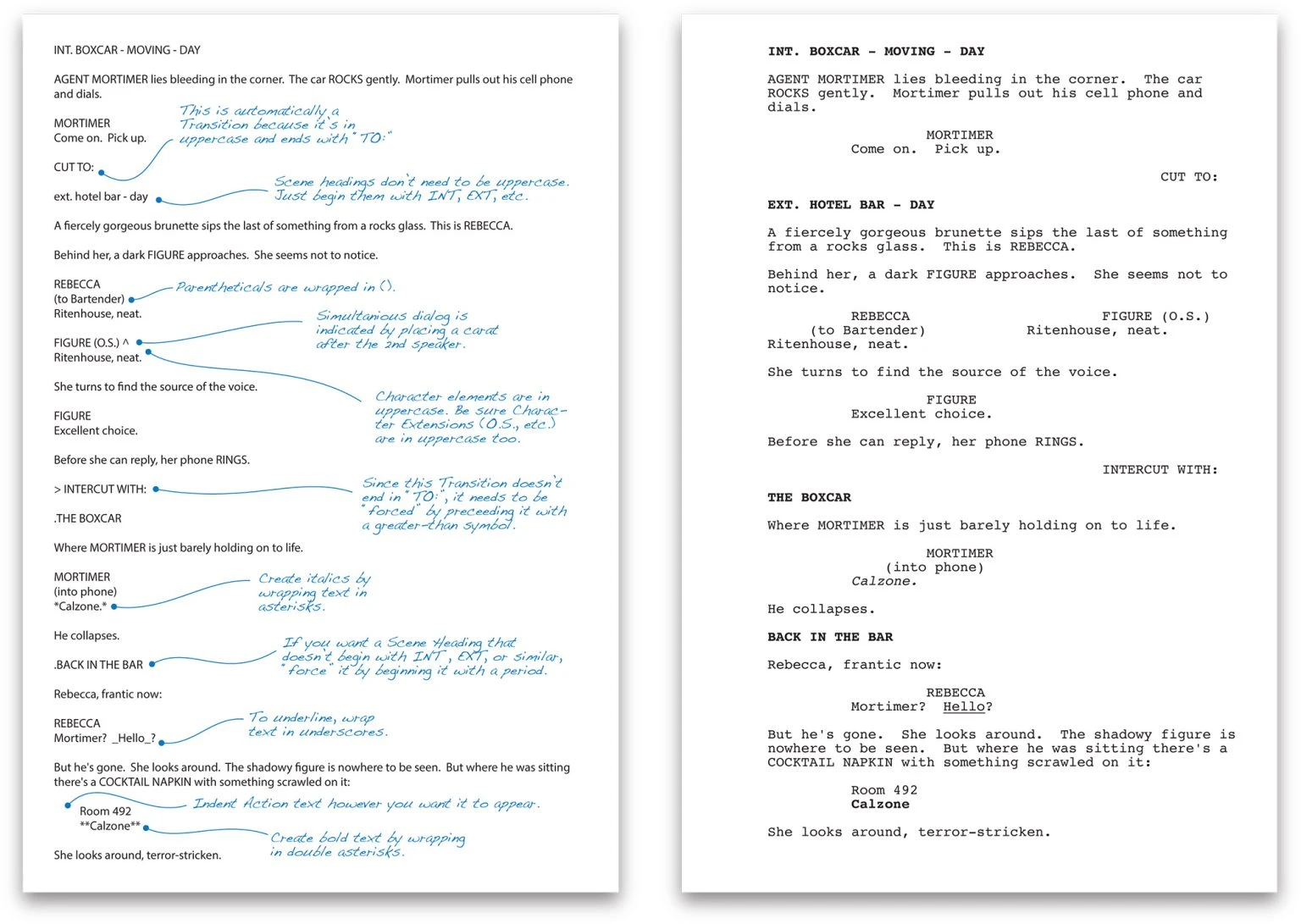
File Over App: A Philosophy for Digital Longevity
Ejectable Apps