The Bacchanalia were unofficial, privately funded popular Roman festivals of Bacchus, based on various ecstatic elements of the Greek Dionysia. They were almost certainly associated with Rome's native cult of Liber, and probably arrived in Rome itself around 200 BC. Like all mystery religions of the ancient world, very little is known of their rites. They seem to have been popular and well-organised throughout the central and southern Italian peninsula.
Scambi, The Festival of Paneurethic Labs
Scambi is a new festival: young, accessible, varies, stimulating and horizontal. Its main charasteristic are Paneurethic Laboratories, occasions to discover the world from different perspectives and in an ethical way. You find us in La Pigna, the historic center of Sanremo, Italy.

Goddess Remembered
This documentary is a salute to 35,000 years of the goddess-worshipping religions of the ancient past. …

Belcarra Barnacle
Published ten (10) times yearly by the The Belcarra Barnacle Society whose purpose is "to inform and to involve". The Belcarra Barnacle welcomes all contributions about our local community.
A ‘weird dream’ of an arts festival began 10 years ago in the California desert – can it survive its growing popularity?
The Bombay Beach Biennale started as an intimate event and has grown dramatically – but some question whether it can sustain its DIY atmosphere

Bhimpalasi
Bhimpalasi or Bheempalasi (also known as Bhimpalas or Bheempalas) is a Hindustani classical raga. The Carnatic Music equivalent of this raga is Abheri.
A New Pilgrimage: John Vervaeke on Finding Practices that Build Meaning | Over the Mountains #15
Reckless Rites
Historical accounts of Jewish violence—particularly against Christians—have long been explosive material. Some historians have distorted these records for anti-Semitic purposes. Others have discounted, dismissed, or simply ignored the evidence, often for apologetic purposes. In Reckless Rites, Elliott Horowitz takes a new and forthright look at both the history of Jewish violence since late antiquity and the ways in which generations of historians have grappled with that history. In the process, he has written the most wide-ranging book on Jewish violence in any language, and the first to fully acknowledge and address the actual anti-Christian practices that became part of the playful, theatrical violence of the Jewish festival of Purim. He has also examined the different ways in which the book of Esther, upon which the festival is based, was used by Jews and Christians over the centuries—whether as an ancient mirror of modern tribulations or as the scriptural basis for anti-Semitic claims regarding the bloodthirstiness of the Jews. Reckless Rites reassesses the historical interpretation of Jewish violence—from the alleged massacre of thousands of Christians in seventh-century Jerusalem to later medieval attacks on Christian symbols such as the crucifix, transgressions that were often committed in full knowledge that their likely consequence would be death. A book that calls for major changes in the way that Jewish history is written and conceptualized, Reckless Rites will be essential reading for scholars and students of history, religion, and Jewish-Christian relations.

Entangled Magic in the Medieval Latin West
This article focusses on the history of learned magic in late medieval Europe, breaking a period of about 500 years into chronological stages to explore how medieval supporters and critics of magic represented the art and responded to each other’s arguments, then reframed their own in a continuous dynamic entanglement. In this period learned magic texts from diverse religious and cosmological traditions (primarily Christian, Jewish, Arabic and Greco-Roman) circulated among people familiar with, and emotionally invested in, a great variety of institutional and informal rituals. Sources reveal a vibrant culture of exchanges of texts between members of religious orders, physicians and lay men, clerics and lay women – a culture of entanglement: discussion, borrowing, critique and adaptation alongside practitioner-client relationships and necessary secrecy and concealment.
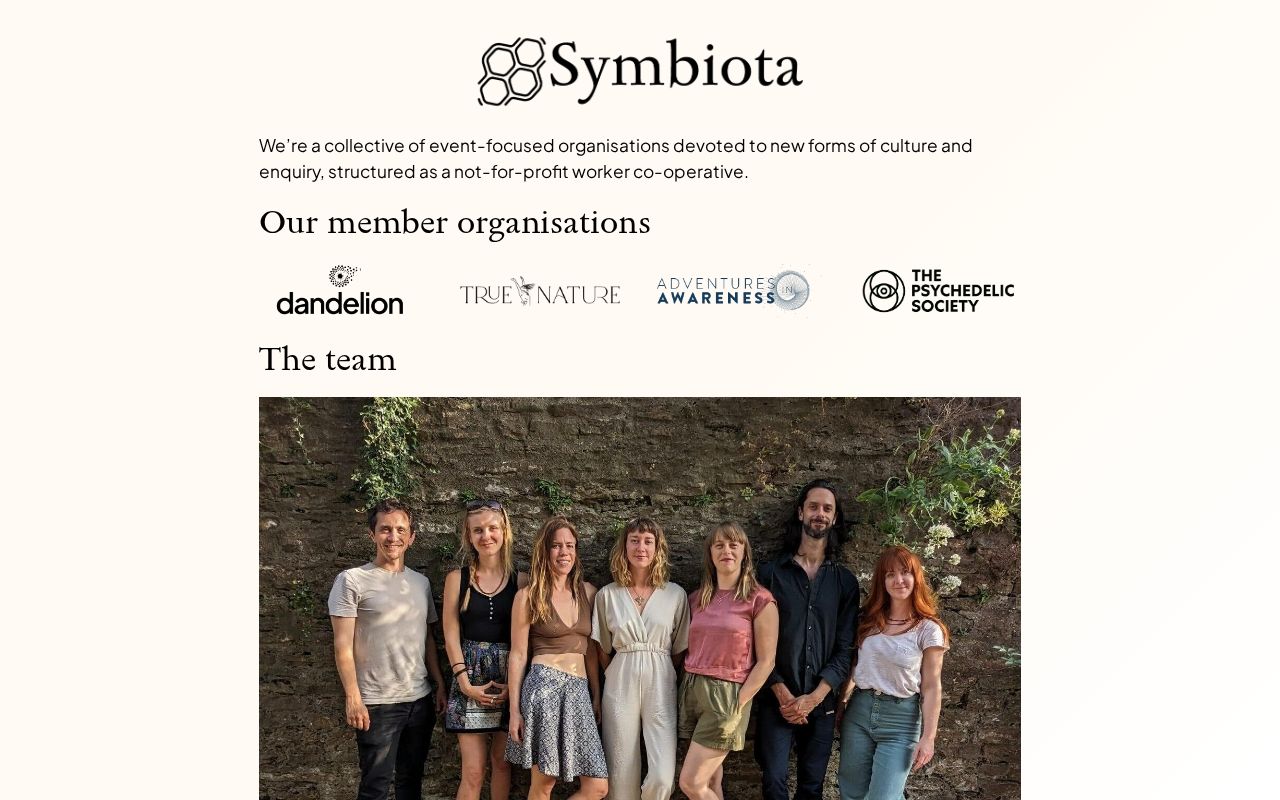
Symbiota
We’re a collective of event-focused organisations devoted to new forms of culture and enquiry, structured as a not-for-profit worker co-operative
Helen’s History and Herbalism Walk - The Cockburn Association
Water of Leith Walk


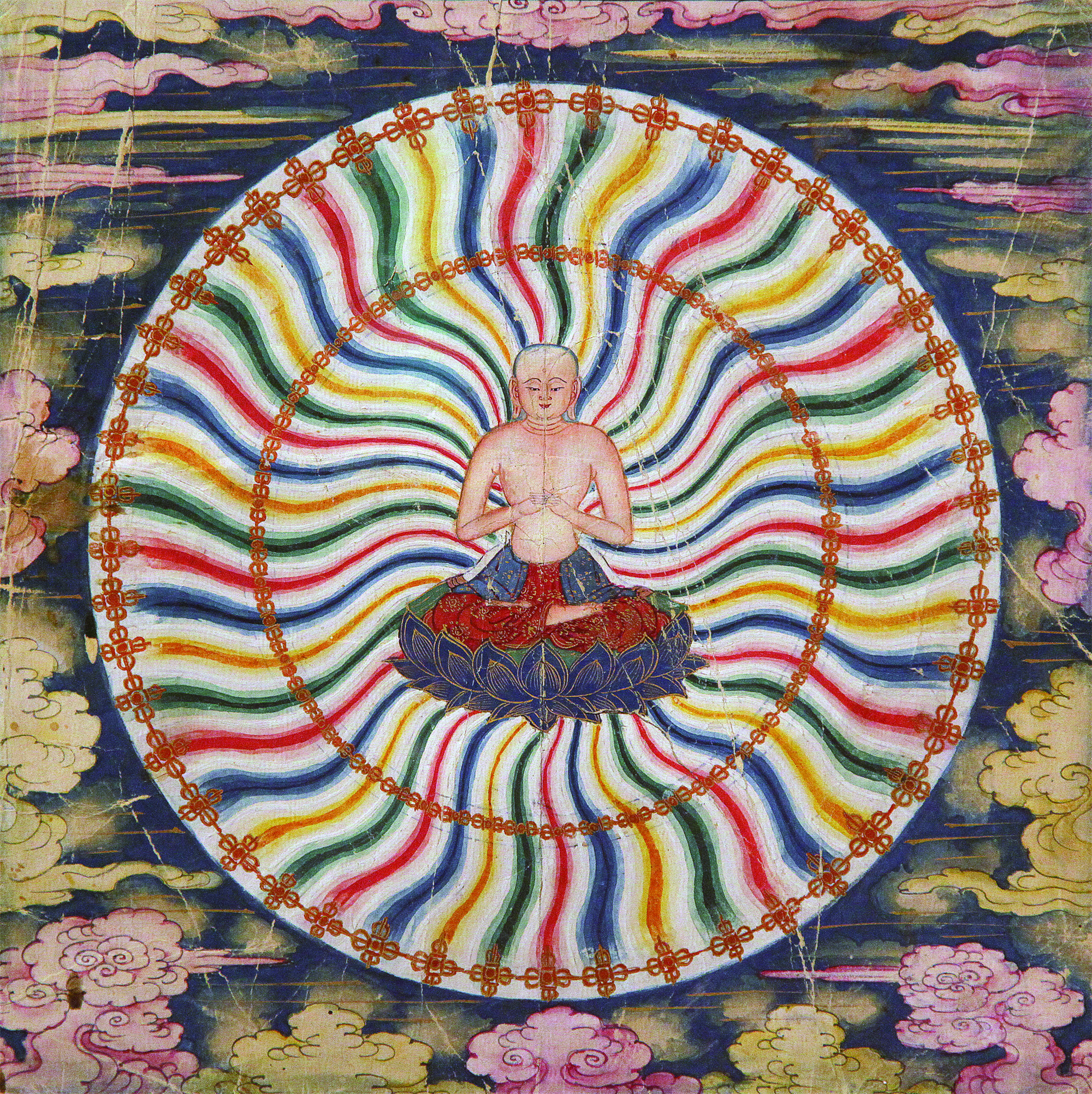
Methodology in Research on the Rainbow Body: Anthropological and Psychological Reflections on Death and Dying
The rainbow body research project, engaging claims of spiritual attainment and personal transformation, enables us to examine key features of anthropological research. Engagement with communities of discourse exposed aspects of the artificial emic–etic divide, allowing the anthropological study of religion to advance methods in religious studies. The study of paranormal phenomena cannot be isolated from societal contextualization. In this instance, a study of death and dying, contextualized in a traditional community, required unique features of engagement for the researcher who would be present to the social dynamics surrounding the death of a person of high repute.
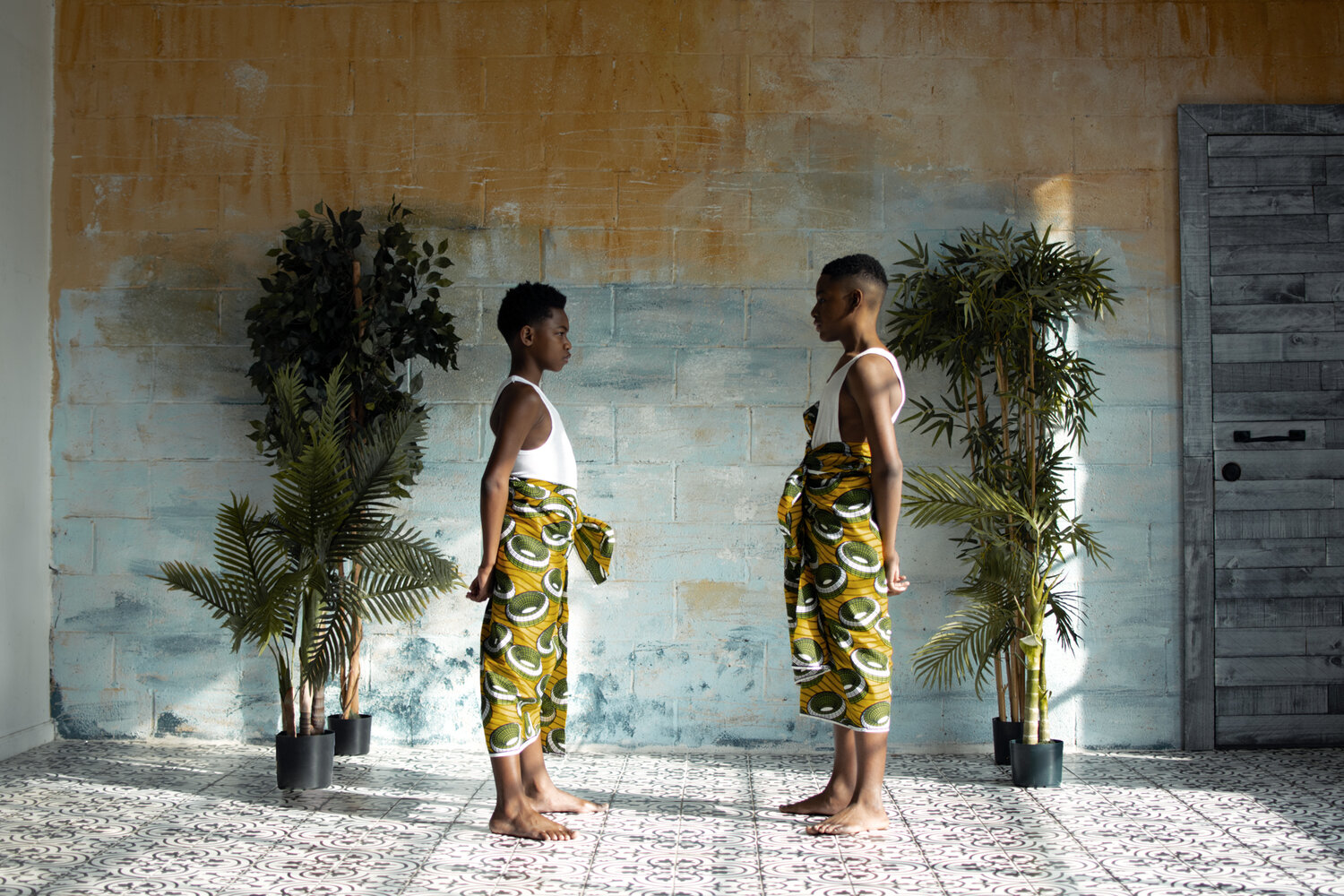
Buddha and Mind
In Pānadurē in the British colony of Ceylon in 1871, a Buddhist monk and a Christian missionary debated each other in front of five thousand people over which religion was the more scientific.
Uposatha
An Uposatha (Pali: uposatha; Sanskrit: Upavasatha) day is a Buddhist day of observance, in existence since the Buddha's time (600 BCE), and still being kept today by Buddhist practitioners.[1][2] The Buddha taught that the Uposatha day is for "the cleansing of the defiled mind," resulting in inner calm and joy.[3] On this day, both lay and ordained members of the sangha intensify their practice, deepen their knowledge and express communal commitment through millennia-old acts of lay-monastic reciprocity. On these days, the lay followers make a conscious effort to keep the Five Precepts or (as the tradition suggests) the ten precepts. It is a day for practicing the Buddha's teachings and meditation.
Traces of Necromantic Divinatory Practices in the Picatrix
In the famous medieval magical manual called the Picatrix, the unknown author describes the phenomenon of magic with the term nigromantia. As is well known, the original meaning of the Greek term necromantia has a more concise meaning. It is used for a special kind of divination, i.e., divination through the parts of a cadaver and the conjured spirit of the dead. Seemingly, in the Picatrix, no necromantic ritual can be found; moreover, the author stresses that his main goal is pious, i.e., to find the path leading to the ultimate source of the universe, the one and only God. In my article, I show that on some pages of the Picatrix, there are traces of divinatory practices that may be connected to the original meaning of the term nigromantia. In the third book of the manual, descriptions of some interesting rituals attributed to the pagan Sabeans of Harran and their teacher, the god Hermes can be found. During the practices, the magician involved conjured spirits of the heavenly bodies and powers as well. Because of this, by looking closely at and analyzing the given text, it is possible to piece together a complex web of necromantic and demonic divinatory rituals.