


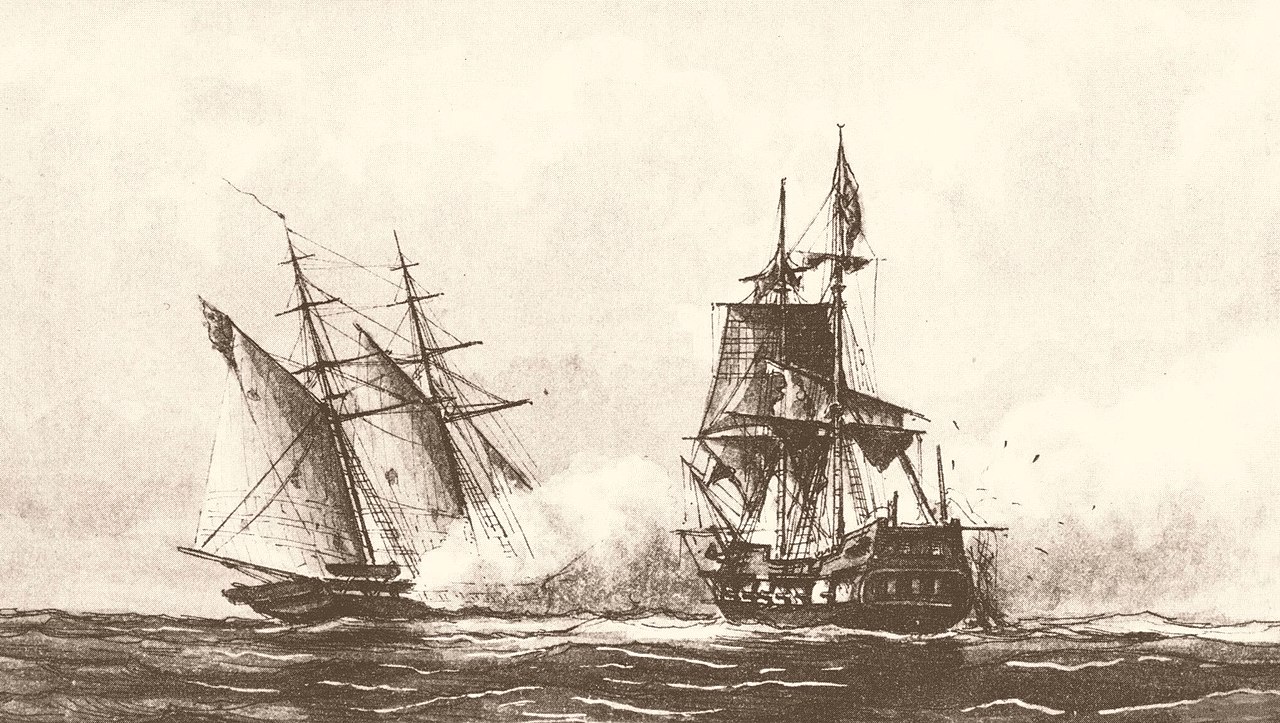
The Barbary Wars were a series of two wars fought by the United States, Sweden, and the Kingdom of Sicily against the Barbary states and Morocco of North Africa in the early 19th century. Sweden had been at war with the Tripolitans since 1800 and was joined by the newly independent United States. The First Barbary War extended from 10 May 1801 to 10 June 1805, with the Second Barbary War lasting only three days, ending on 19 June 1815. The Barbary Wars were the first major American wars fought entirely outside the New World, and in the Arab world.
First Barbary War
The First Barbary War (1801–1805), also known as the Tripolitan War and the Barbary Coast War, was a conflict during the 1801–1815 Barbary Wars, in which the United States fought against Ottoman Tripolitania. Tripolitania had declared war against the United States over disputes regarding tributary payments in exchange for a cessation of Tripolitanian commerce raiding at sea. United States president Thomas Jefferson refused to pay this tribute. The First Barbary War was the first major American war fought outside the New World, and in the Arab world, besides the smaller American–Algerian War (1785–1795).
Battle of Blair Mountain
The Battle of Blair Mountain was the largest labor uprising in United States history and is the largest armed uprising since the American Civil War. The conflict occurred in Logan County, West Virginia, as part of the Coal Wars, a series of early-20th-century labor disputes in Appalachia.

How to fight One Nation
Over the six weeks leading up to May 9, GetUp spent $600,000 campaigning against One Nation in the Farrer byelection. Then we lost, badly.

The Hundred Years' War on Palestine
A landmark history of one hundred years of war waged against the Palestinians from the foremost US historian of the Middle East, told through pivotal events ...
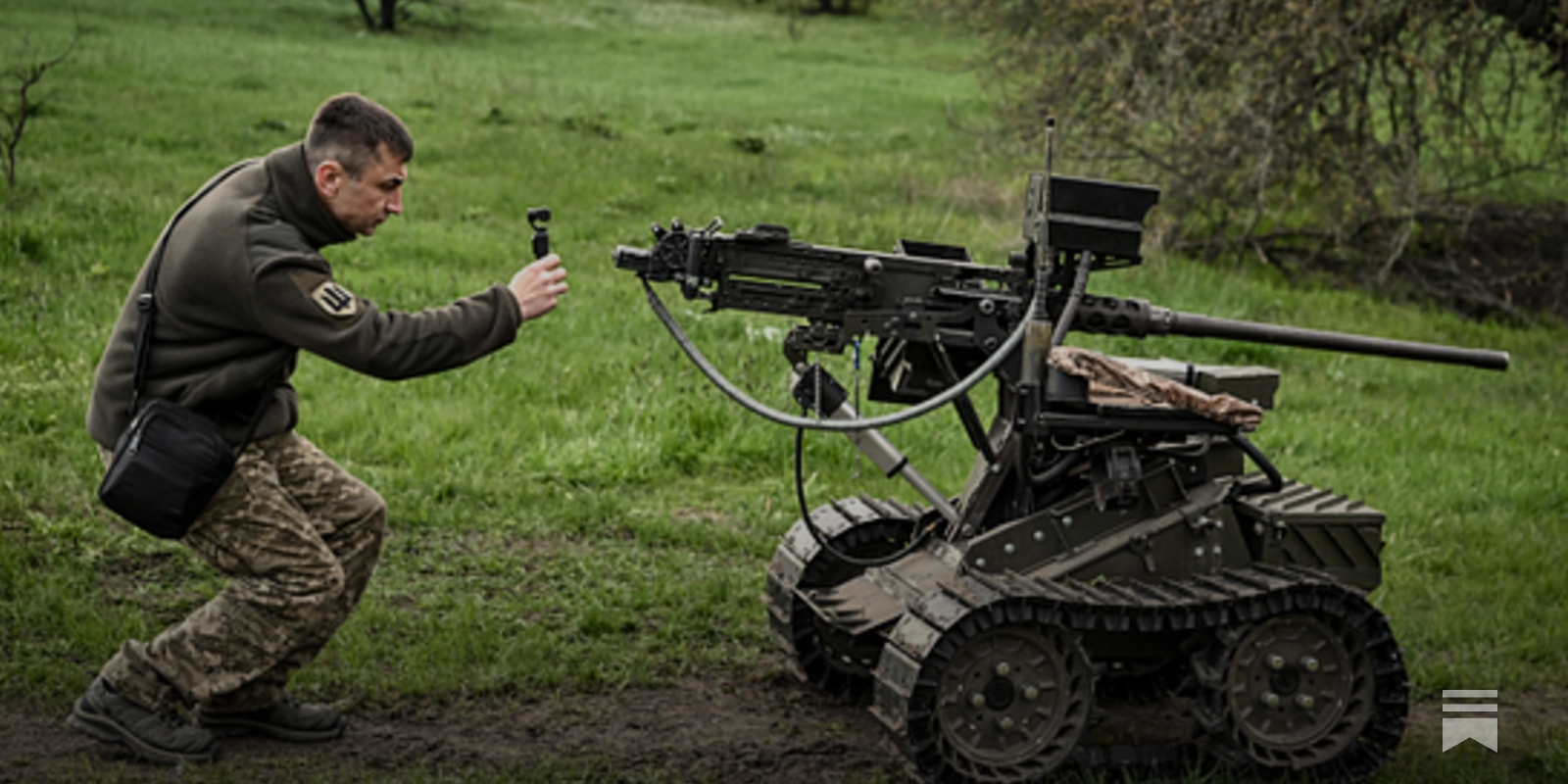
Ukraine’s Second Miracle Year
The war isn’t won, but for the first time in years, outright victory seems possible.
La politique monétaire en temps de guerre : le cas de l’Ukraine | Banque de France
Billet de blog n° 372. Depuis le début de l’invasion russe, la Banque nationale d’Ukraine (BNU) a contribué à la résilience de l’économie ukrainienne en utilisant une variété d’instruments pour soutenir l’effort de guerre et répondre aux déséquilibres financiers. Ce billet analyse cet exemple contemporain de banque centrale en temps de guerre à l’aune du concept d’autonomie de la politique monétaire.

Main Page
The First Jewish–Roman War (66–73/74 CE) was the first of three major Jewish rebellions against the Roman Empire. Fought in the province of Judaea, it was bloodily supressed and resulted in the destruction of Jerusalem and the Second Temple. After the client kingdom of Judaea was annexed as a Roman province in 6 CE, tensions grew due to harsh governance and social, ethnic, and religious divisions. Open revolt erupted after the Roman governor Gessius Florus looted the temple in Jerusalem and killed many civilians. Early rebel successes included the defeat of Cestius Gallus at Bethoron, but Roman forces under Vespasian and later his son Titus reconquered the province. Jerusalem fell in 70 CE after a devastating siege, and the last resistance ended with the fall of Masada. The war profoundly reshaped Jewish history and religion, accelerated the separation between early Christianity and Judaism, strengthened the Flavian dynasty, and set the stage for the later catastrophic Bar Kokhba revolt. (Full article...)
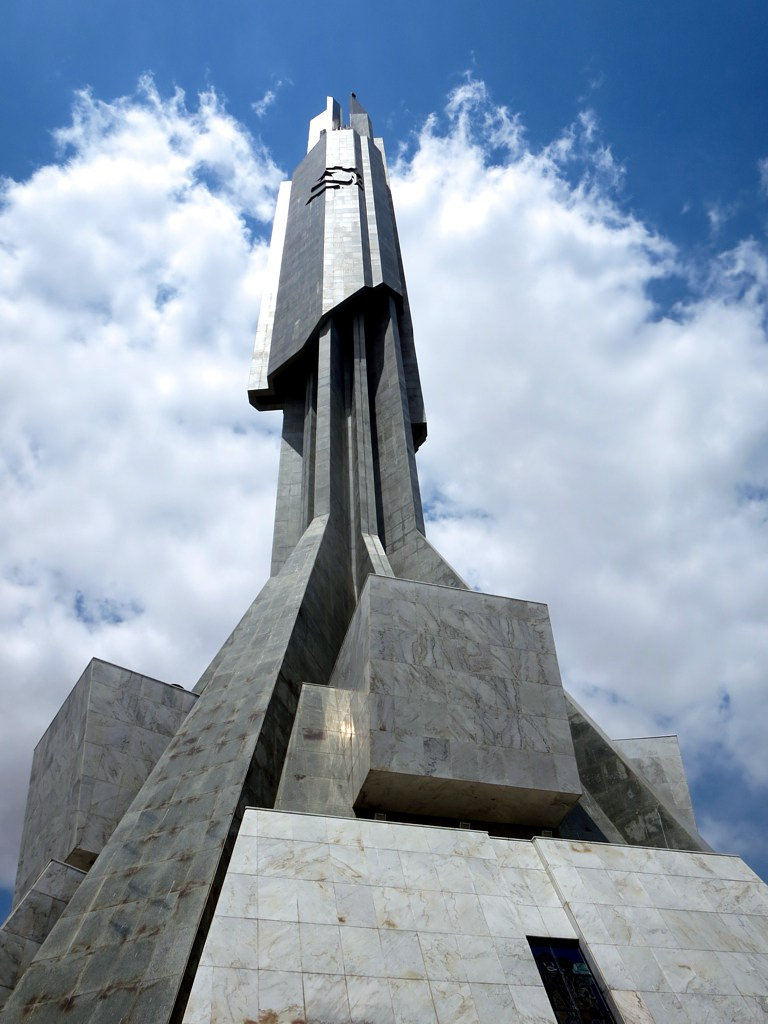
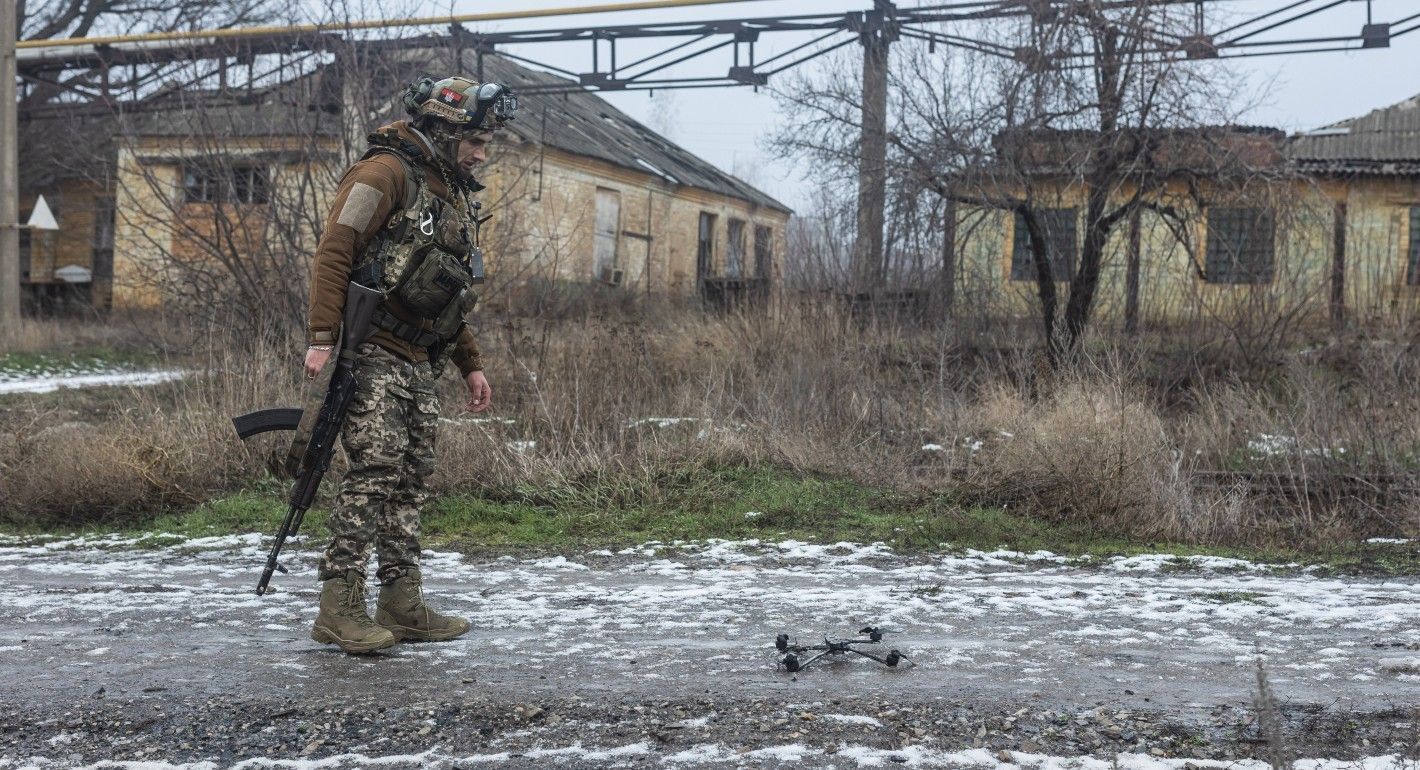
Are All Wars Now Drone Wars?
From Sudan to Ukraine, UAVs have upended warfighting tactics and become one of the most destructive weapons of conflict.
America, América: a new history of the New World
"The story of how the United States' identity was formed is almost invariably told by looking east to Europe. But as Greg Grandin vividly demonstrates, the nation's unique sense of itself was in fact forged facing south-no less than Latin America's was indelibly stamped by the looming colossus to the north. In this stunningly original reinterpretation of the New World Grandin reveals how North and South emerged from a constant, turbulent engagement with each other. America, América traverses half a millennium, from the Spanish Conquest-the greatest mortality event in human history-through the eighteenth-century wars for independence, the Monroe Doctrine, the coups and revolutions of the twentieth century, and beyond. Grandin shows, among other things, how royalist Spanish America, by sending troops and supplies, helped save the republican American Revolution; how in response to U.S. interventions, Latin Americans remade the rules, leading directly to the founding of the United Nations; and how the Good Neighbor Policy allowed FDR to assume the moral authority to lead the fight against world fascism. Grandin's book sheds new light on well-known historical figures like Bartolomé de las Casas, Simón Bolívar, and Woodrow Wilson, as well as lesser-known actors such as the Venezuelan Francisco de Miranda, who almost lost his head in the French Revolution and conspired with Alexander Hamilton to free America from Spain; the Colombian Jorge Gaitán, whose unsolved murder inaugurated the rise of Cold War political terror, death squads, and disappearances; and the radical journalist Ernest Gruening, who in championing non-interventionism in Latin America, helped broker the most spectacularly successful policy reversal in United State history. This is a monumental work of scholarship that will fundamentally change the way we think of slavery and racism, the rise of universal humanism, and the role of social democracy in staving off extremism. At once comprehensive and accessible, America, América shows that centuries of bloodshed and diplomacy not only helped shape the political identities of the United States and Latin America but also the laws, institutions, and ideals that govern the modern world. A culmination of a decades-long engagement with hemispheric history, drawing on a vast array of sources, and told with authority and flair, this is a genuinely new history of the New World"-- Provided by publisher


Dispersed, Disguised, and Degradable: The Implications of the Fighting in Ukraine for Future U.S.-Involved Conflicts
Wars reveal new information about warfighting and can spur changes in how foreign observers prepare for future conflicts. In this report, the authors make eight novel or notable observations about the Russia-Ukraine war and forecast how these observations might translate to a potential NATO-Russia or U.S.-China war. The authors also identify broader tactical, operational, and strategic implications for U.S. policymakers.

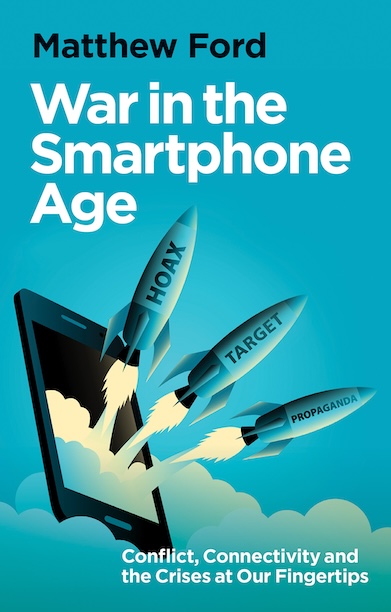
War in the Smartphone Age | Hurst Publishers
An essential guide to understanding war and information on today’s data-saturated battlefields—from Ukraine to Gaza and beyond.
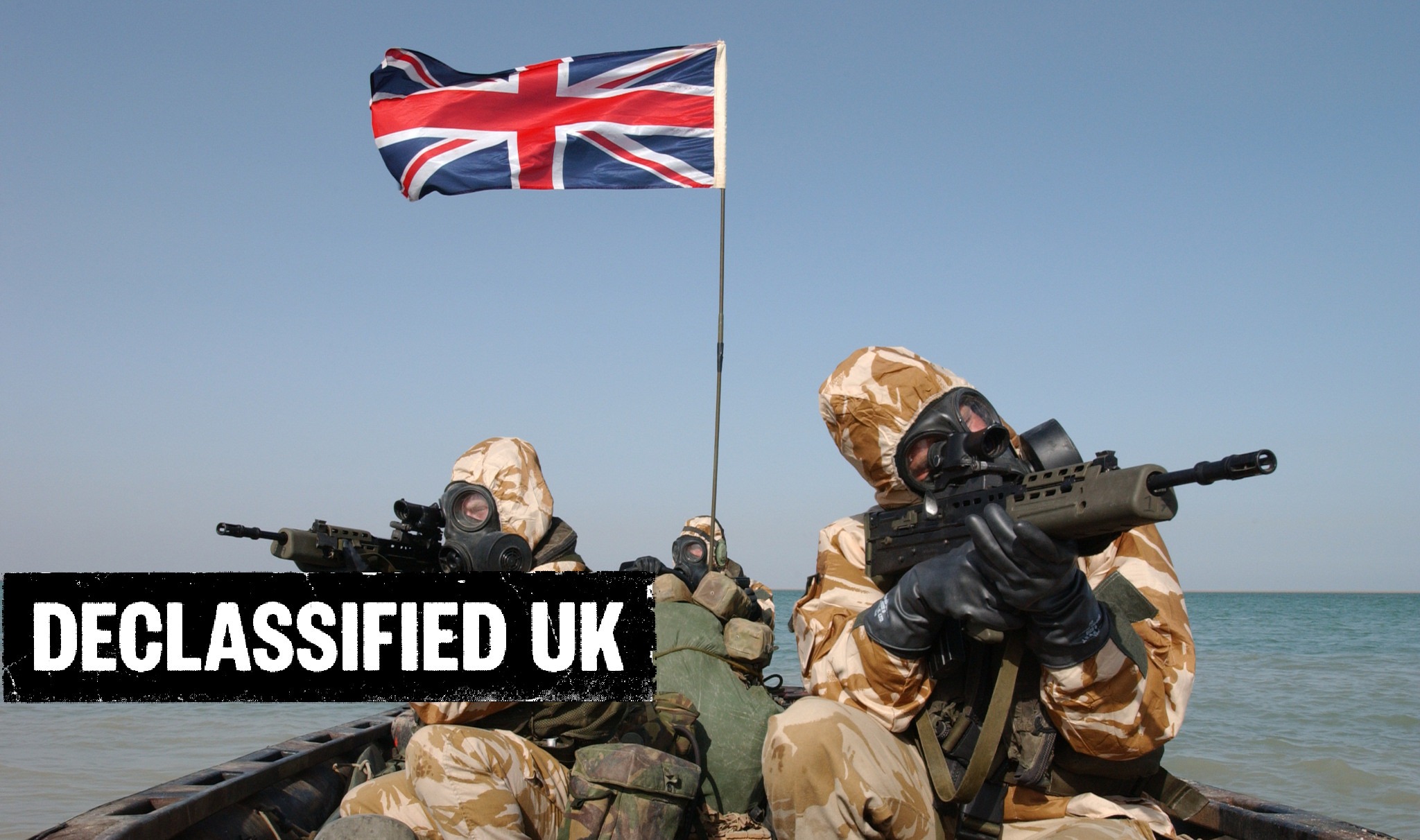
The UK’s 83 military interventions around the world since 1945
Britain has deployed its armed forces for combat over 80 times in 47 countries since the end of the Second World War, in episodes ranging from brutal colonial wars and covert operations to efforts to prop up favoured governments or to deter civil unrest
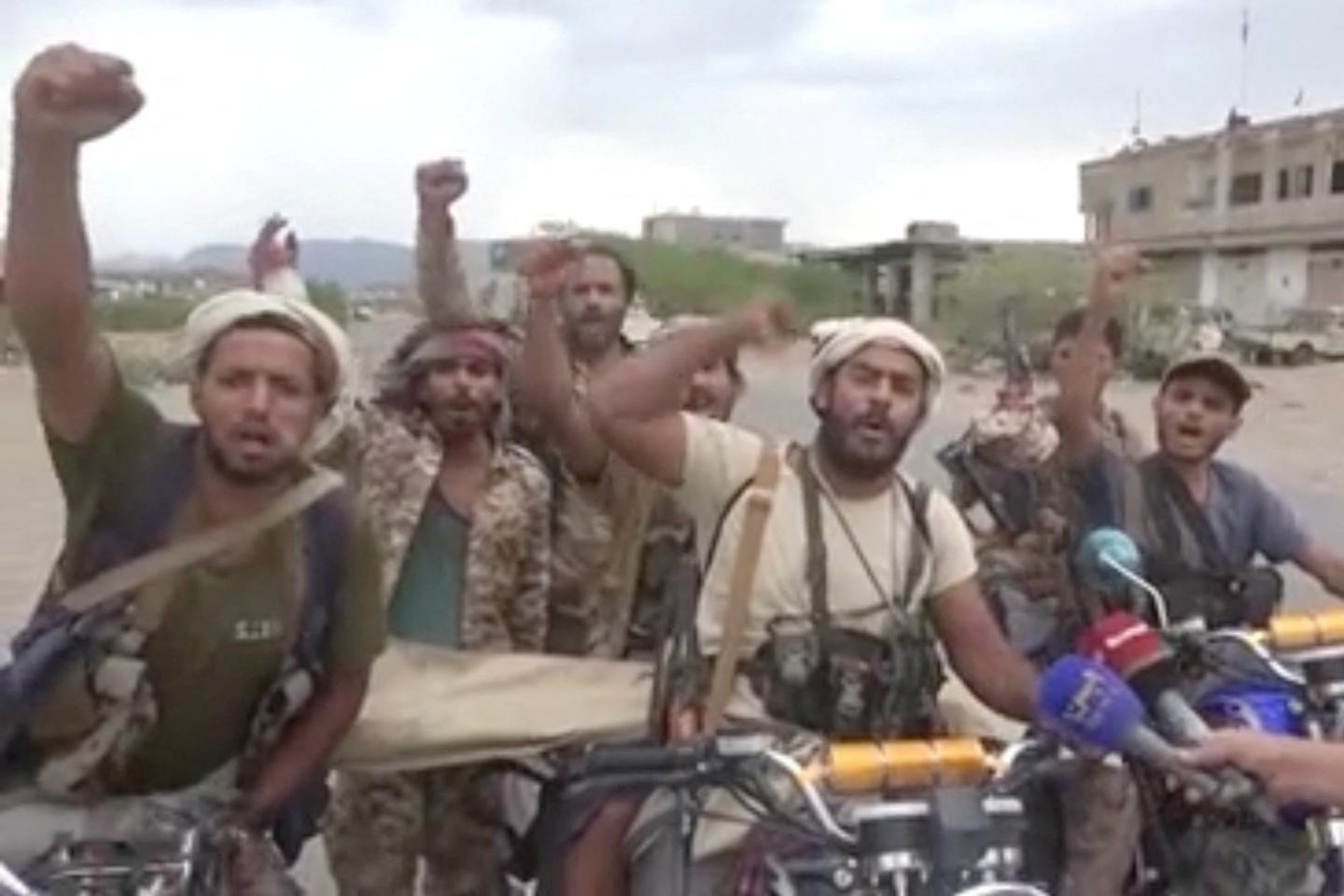
Isolated by Iran and Yemeni Houthi rebels, Saudi Arabia seeks US backing
With Tehran-allied rebels seizing control of the Bab al-Mandab Strait between the Red Sea and the Indian Ocean on Thursday, and Iran blocking the Strait of Hormuz, the kingdom is at risk of losing all maritime access for its oil tankers.
Lawrence of Arabia
During World War I, English officer Thomas Edward 'T.E.' Lawrence sets out to unite and lead the diverse, often warring, Arab tribes to fight the Turks.

