


Carnatic music is a system of music commonly associated with South India, including the modern Indian states of Andhra Pradesh, Karnataka, Kerala, Tamil Nadu and Telangana. It is one of two main sub-genres of Indian classical music that evolved from ancient Hindu texts and traditions; in particular, the Samaveda is cited as a key foundation. The main emphasis in Carnatic music is on vocal music; most compositions are written to be sung, and even when played on instruments, they are meant to be performed in gāyaki (singing) style.
Hindustani classical music
Hindustani classical music (also known as North Indian classical music or Shastriya Sangeet) is the classical music of the Indian subcontinent's northern regions. It is played on instruments like the veena, sitar and sarod. It diverged in the 12th-century from Carnatic music, the classical tradition of southern India. While Carnatic music largely uses compositions written in Sanskrit, Telugu, Kannada, Tamil, Malayalam, Hindustani music largely uses compositions written in Sanskrit, Hindustani (Hindi-Urdu), Braj, Awadhi, Bhojpuri, Bengali, Rajasthani and Punjabi.[1]
RND synth — cyma forma
RND synth is a collaboration between cyma forma and french artist Bambounou, built around a single idea: stop playing, start listening.
Śākta Tantra and Mantravāda in Kerala | Dr. Maciej Karasinski
Mino Music — ATProto Composer
Synaesmedia
© Copyright Phil Jones. All Rights Reserved, but most software referenced here is GPLed or otherwise Free Software, and where possible music is released under a Creative Commons license (but check individual tracks for confirmation)
PlantWave
Listen to plant music with PlantWave! Tune into nature and hear plants make music.

Keelemudelite mõõdupuu
Sõltumatu hindamisraamistik, mis mõõdab suurte keelemudelite võimekust eesti keeles. Vaata mudelite pingerida kuue võrdlustesti põhjal.
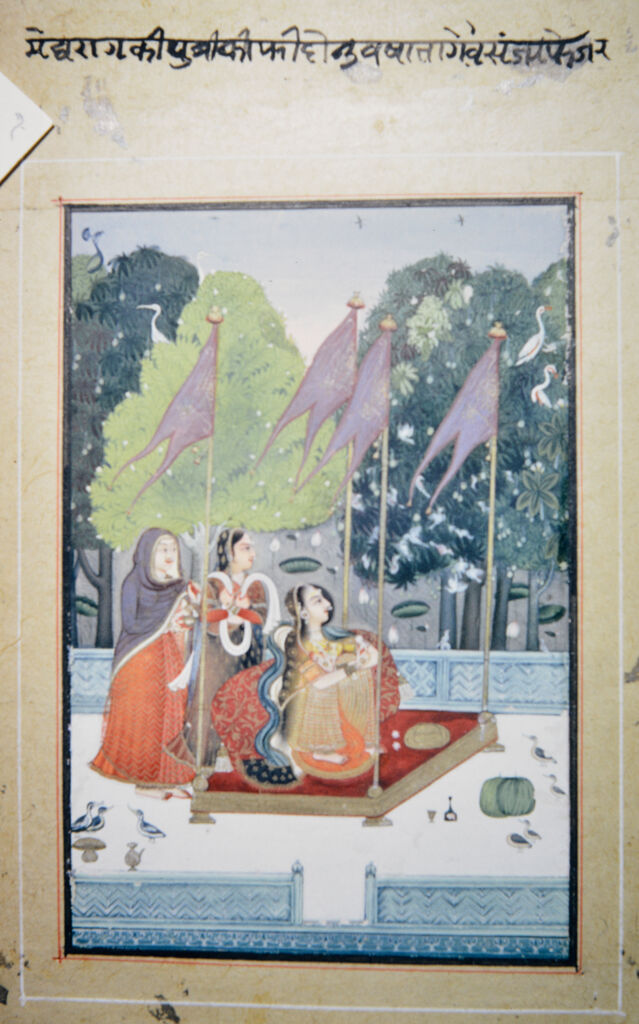
Bhimpalasi
Bhimpalasi or Bheempalasi (also known as Bhimpalas or Bheempalas) is a Hindustani classical raga. The Carnatic Music equivalent of this raga is Abheri.
Music has Meaning
The social platform for discovering music, collecting tracks, and supporting artists directly. Only verified artists post.
From Prompting to Describing: A Cross-Cultural Study of Language for AI-Generated Music
Recent text-to-music (TTM) systems such as Suno [22], Udio [23], and Google’s MusicFX [7] allow users to generate music from a natural language prompt, lowering the barrier to music creation for users without specialized musical knowledge [27]. Understanding how users write these prompts is therefore a fundamental question for music information retrieval and human-AI interaction research. Yet, prompting a generative system is not the same cognitive or linguistic act as describing music one has heard [12]. When a user writes a prompt, they encode anticipatory intent to steer the system toward a desired or imagined output, whereas when a listener describes a piece of music, their language is grounded in a perceptual experience. We argue that these two acts produce systematically different language—a distinction that, despite being intuitive, has not been quantitatively examined. This gap has practical consequences: recent TTM models are trained predominantly on metadata-centric corpora (genre labels, BPM, descriptive tags) [6] rather than on the kind of language users naturally produce when listening, leaving the prompt-description gap unexamined. Moreover, this gap limits our ability to evaluate and improve human–AI interaction in music generation, as current systems are optimized for prompt input but commonly assessed through human perception.
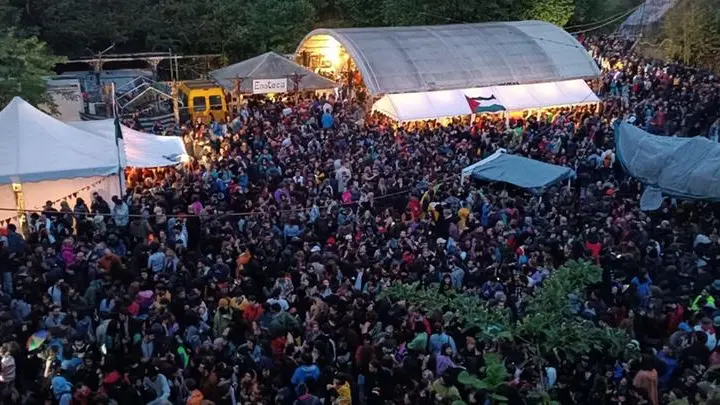
«Uno spazio di cura per la vita collettiva», Forte Prenestino, quarant’anni “occupati”
Il primo maggio del 1986 un eterogeneo gruppo di punk, comunisti, anarchici, femministe, rompeva il lucchetto della struttura militare di Roma per trasformarlo in un centro sociale. Nessun collettivo politico, ma solo un gruppo di soggettività che si ritrovano intorno al concetto di autogestione. Musica come bene comune, autoproduzione, utilizzo critico delle tecnologie, ambientalismo e transfemminismi sono i temi che lo attraversano da sempre. La cultura scelta come arma di contestazione lo hanno reso l’anima creativa del movimento
Malachite
Import your music listening history into Teal on ATProto — Last.fm, Spotify, Apple Music, YouTube Music, or ListenBrainz. Free, open-source, runs in your browser.
Music Enthusiasts [Indonesia] | [Posting ulang] | Facebook
[Posting ulang] Utk kawan-kawan di sini yg mau dengerin jazz menurut sub-genrenya atau yg mau mempelajari jazz bisa gunakan 2 aplikasi yg saya pakai seperti yg ada di gambar. Untuk aplikasi yg...

Susie Ibarra: Hybrid Culture - New Music USA
Susie Ibarra's collaborative approach has informed her work with jazz, classical, indie rock, and traditional Philippine musicians.

Kafi (thaat)
Kafi is one of the ten basic thaats of Hindustani music from the Indian subcontinent. It is also the name of a raga (Kharaharapriya) within this thaat.
🎵 ATmusic

ATProto projects related to music. #ATmosphereConf
Musicat
Tempo Music
Malachite

d-_-b Share your top artists weekly!
atradio.fm — social internet radio on AT Protocol

atjams