


Chitin (C8H13O5N)n ( KY-tin) is a long-chain polymer of N-acetylglucosamine, an amide derivative of glucose. Chitin is the second most abundant polysaccharide in nature (behind only cellulose); an estimated 1 billion tons of chitin are produced each year in the biosphere. It is a primary component of cell walls in fungi (especially filamentous and mushroom-forming fungi), the exoskeletons of arthropods such as crustaceans and insects, the radulae, cephalopod beaks and gladii of molluscs and in some nematodes and diatoms. It is also synthesised by at least some fish and lissamphibians. Commercially, chitin is extracted from the shells of crabs, shrimps, shellfish and lobsters, which are major by-products of the seafood industry. The structure of chitin is comparable to cellulose, forming crystalline nanofibrils or whiskers. It is functionally comparable to the protein keratin. Chitin has proved useful for several medicinal, industrial and biotechnological purposes.
Arthropod exoskeleton
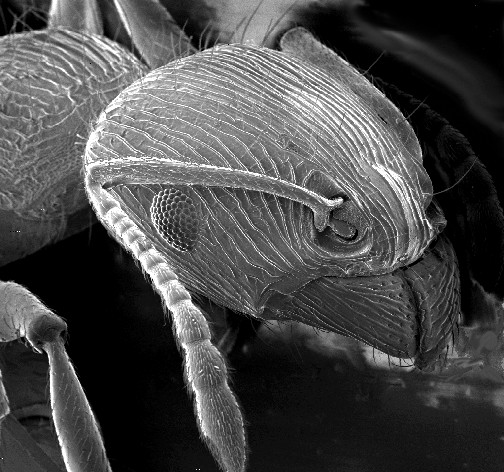
Arthropods are covered with a tough, resilient integument, cuticle or exoskeleton of chitin. Generally the exoskeleton will have thickened areas in which the chitin is reinforced or stiffened by materials such as minerals or hardened proteins. This happens in parts of the body where there is a need for rigidity or elasticity. Typically the mineral crystals, mainly calcium carbonate, are deposited among the chitin and protein molecules in a process called biomineralization. The crystals and fibres interpenetrate and reinforce each other, the minerals supplying the hardness and resistance to compression, while the chitin supplies the tensile strength. Biomineralization occurs mainly in crustaceans. In insects and arachnids, the main reinforcing materials are various proteins hardened by linking the fibres in processes called sclerotisation and the hardened proteins are called sclerotin. The dorsal tergum, ventral sternum, and the lateral pleura form the hardened plates or sclerites of a typical body segment.
Symbiotic organs in insects: diversity, functional implications, and terminology
Abstract With over a million described species, insects represent the most successful group of animals on Earth. One of the drivers of insect diversity is their ability to engage in multifold beneficial symbioses with microorganisms, often involving specialized host organs to accommodate intra- or extracellular symbionts. The existence of such organs and their importance for sustaining and transmitting beneficial symbionts has been known for over a century, and specific terms have been established for categorizing organs harbouring intracellular bacteria (bacteriomes) or fungi (mycetomes), or cuticular crypts containing extracellular fungi (mycetangia). For others, however, general terms are lacking, e.g. organs containing extracellular bacteria associated with the cuticle or with the digestive tract. Furthermore, previously established terms have been misused in other contexts. Notably, ‘bacteriome’ has been increasingly employed in the microbiome field to refer to bacterial communities, instead of the term’s original meaning of specialized organs housing intracellular bacterial symbionts. Here, we review and categorize the diversity of symbiotic organs in insects and propose a unified terminology. Our hope is that this common language will facilitate communication and thereby support the field of symbiosis research in unravelling commonalities and differences in the evolution, ecology, development, physiology and molecular basis across symbiotic interactions. This article is part of the theme issue ‘Life in natural microcosms’.

Chondrilla nucula (Porifera, Demospongiae) : an example of successful plasticity ; ecological and morphological aspects
Sponges (Porifera) represent an important component of the Mediterranean sessile benthic community. They are present both in shallow and deeper waters, on soft and hard bottoms and some species, namely the bath sponges, has an application in human life since a long time. In the last few decades, they also assumed an importance among the organisms producing bioactive compounds which application goes from the homeopathy to the classical medicine to the industry. The study of the taxonomy, ecology and biology of sponges has an history hundreds years old. Now, due to the new findings that render sponges an exploitable marine resource, a coupling of the traditional sciences with the new emerging applications (biotechnology) is urgently needed. The Northern Adriatic Sea was the craddle of the sponge science hosting 36% of the sponge species present in the whole Mediterranean Sea. For the present work, the sponge fauna of a channel-like bay called Limski kanal (Croatia) has been intensively studied for the first time and a list of sponges, including species new for this area, is the result of a series of surveys in twelve sampling sites along the channel. As an introduction to the classification of sponges, a guide to the identification of the most common Mediterranean species has been written and included. A study on the temporal dynamic of a sponge community (Limski kanal, Croatia) was made by using fixed frames that have been photographed along a period of two years. Either seasonality, morphological variability, growth and degeneration phenomena have been observed, providing one more evidence of the incredible plasticity of the Porifera. Among the species in the Limski kanal, Chondrilla nucula (Porifera, Demospongiae) has been chosen as model organism. Firstly, its distribution, abundance and average coverage have been studied, showing that this species is very common along the channel, also in areas with a high sedimentation. Its distribution pattern depends mainly on light availability and kind of substrate. C. nucula is known as a very plastic species: here some macromorphological aspects related to the locomotion, the fragmentation events, the elimination of the sediment and the epibiosis are described in the attempt to give an overview on the successful life strategies of this sponge. Up to now only morphological studies on the oogenesis and spermatogenesis are available but the complete life cycle is unknown. In this study, macromorphological variations in specimens of C. nucula in reproduction and the first stages of embryogenesis have been described for the first time. Finally, in view of a biotechnological use of sponges as bioremediator organisms, the filtration and the bacterial retention rates of C. nucula have been investigated using clearance tests. In spite of a low filtration rate, the sponge showed high bacterial retention rates. This, together with the easy techniques required to farm it, makes of this sponge an eligible candidate for bioremediation. To achieve an effective conservation management plan and a sustainable exploitation of the marine resources, the knowledge on the biological and ecological characteristics of the benthic community and of the single species is absolutely necessary.
Holobiont
A holobiont is an assemblage of a host and the many other species living in or around it, which together form a discrete ecological unit through symbiosis, though there is controversy over this discreteness. The components of a holobiont are individual species or bionts, while the combined genome of all bionts is the hologenome. The holobiont concept was initially introduced by the German theoretical biologist Adolf Meyer-Abich in 1943, and then apparently independently by Dr. Lynn Margulis in her 1991 book Symbiosis as a Source of Evolutionary Innovation. The concept has evolved since the original formulations. Holobionts include the host, virome, microbiome, and any other organisms which contribute in some way to the functioning of the whole. Well-studied holobionts include reef-building corals and humans.

What Chive is - Chive
A decentralized eprint service on AT Protocol where your papers, reviews, endorsements, annotations, and collections live in your PDS.
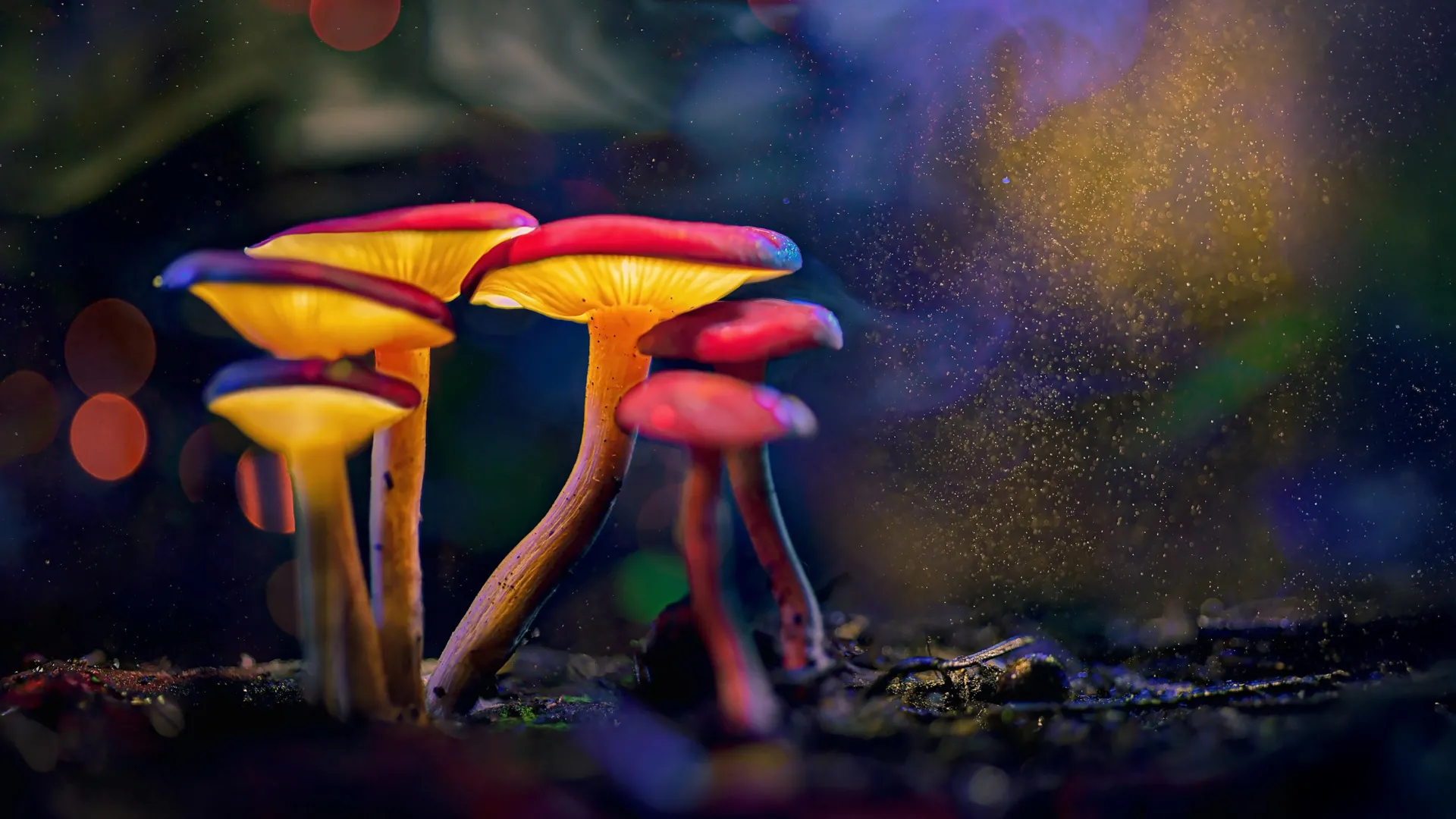
Mushrooms evolved psychedelics twice, baffling scientists
Researchers found that magic mushrooms and fiber caps independently evolved different biochemical pathways to create psilocybin. This convergence shows nature’s ingenuity, but the reason why remains unknown—possibly predator deterrence. Beyond evolutionary mystery, the discovery provides new enzyme tools for biotech, with promising applications for producing psilocybin-based medicines.
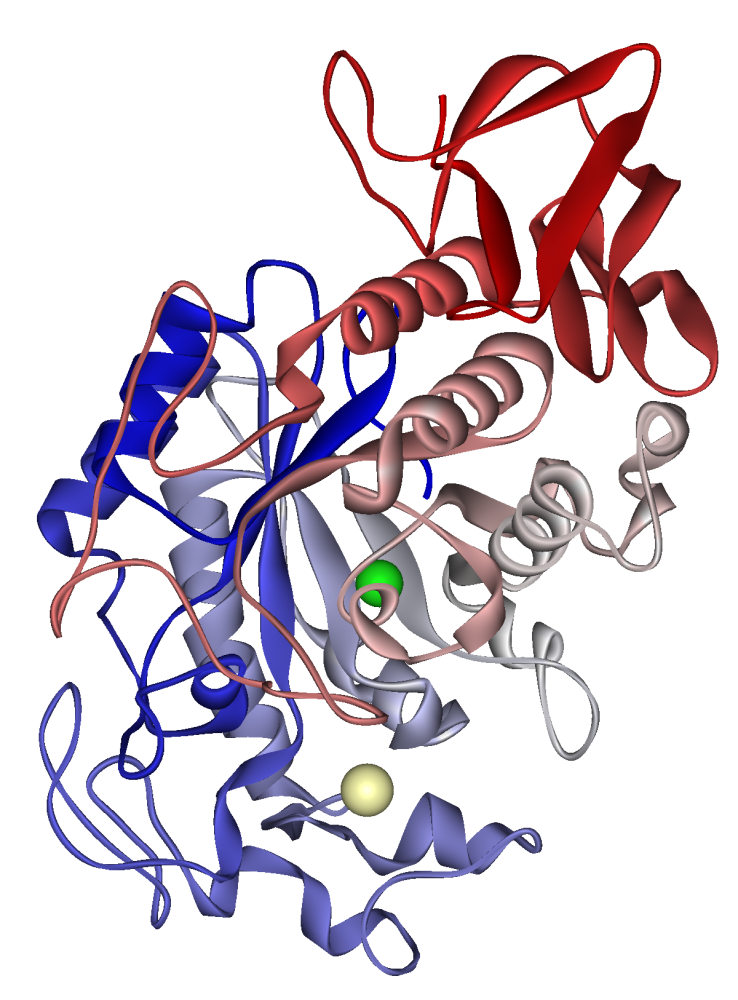
α-Amylase
α-Amylase is an enzyme that hydrolyses α bonds of large, α-linked polysaccharides, such as starch and glycogen, yielding shorter chains thereof, dextrins, and maltose, through the following biochemical process:Endohydrolysis of (1→4)-α-D-glucosidic linkages in polysaccharides containing three or more (1→4)-α-linked D-glucose units
Whale Baleen To Monitor Per- and Polyfluoroalkyl Substances (PFAS) in Marine Environments
Abstract. Per- and polyfluoroalkyl substances (PFAS) comprise >10 000 synthetic compounds that are globally distributed and highly persistent but remain
Termitomyces
Termitomyces is a genus of basidiomycete fungi known as termite mushrooms in Lyophyllaceae family farmed by fungus-growing termites. The fungi and the termites interdepend to live, as the termites house and culture the fungi, and the fungi in turn provide foods for the termites. Often after a raining, the fungi grow mushrooms, which are edible and highly regarded for their flavor.

Development and Evaluation of Aquatic and Terrestrial Food Web Bioaccumulation Models for Per- and Polyfluoroalkyl Substances
Abstract. There is a need for reliable models to predict the food web bioaccumulation and assess ecological and human health risks of per- and polyfluoroal
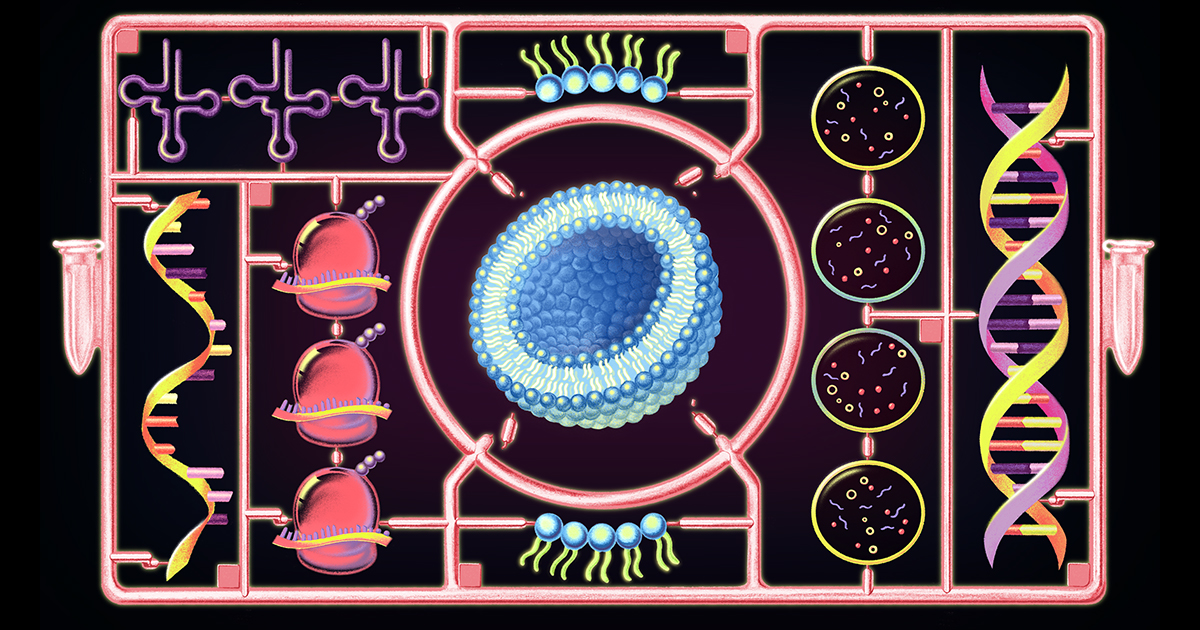
For the First Time, a Cell Built From Scratch Grows and Divides | Quanta Magazine
Scientists built a synthetic cell that combines more lifelike properties than ever before — proof of concept that it’s possible to bring nonliving materials to life, or something close to it, in the lab.
Future of Bluesky/ATproto

Food for thought

The future of the internet is likely smaller communities, with a focus on curated experiences

Mosh Lee (@mosh.bsky.social)
The social meaning of atproto (by 𝕮) — Semble
Technological (by Paul Stephenson) — Semble

How Bluesky earned its reputation — and why it could be the way of the future

Can Puck reinvent the news business for the influencer age?