


Present-day climate change includes both global warming—the ongoing increase in global average temperature—and its wider effects on Earth's climate system. In a broader sense, climate change also includes previous long-term changes to Earth's climate. The modern-day rise in global temperatures is driven by human activities, especially fossil fuel burning since the Industrial Revolution. Fossil fuel use, deforestation, and some agricultural and industrial practices release greenhouse gases. These gases absorb some of the heat that the Earth radiates after it warms from sunlight, warming the lower atmosphere. Earth's atmosphere now has roughly 50% more carbon dioxide, the main gas driving global warming, than it did at the end of the pre-industrial era, reaching levels not seen for millions of years.
Carbon Removal Technologies | YC Request for Startups
Climate change presents an existential threat to humanity. We are already seeing the effects and they are showing up faster and stronger than anticipated. A report by United Nations' scientific panel on climate change released this month expects the atmosphere-on our current trajectory-to warm up by 1.5 degrees Celsius by 2040. Even the effects of a 0.5 degrees increase will have far-reaching consequences. This research indicates that we are already past the tipping point; even if we significantly reduced emissions, climate change would continue (Source IPCC summary C3 section). We believe there's still time to make a change if we look both to renewal energy and CO2 removal.

Carbon Captured
How the fossil fuel industry turned the plan to solve climate change into a plan to save itself

Global Warming Is Rapidly Accelerating, New Paper Finds
A new study found the first statistically significant evidence that global warming is ramping up at a horrifying rate.
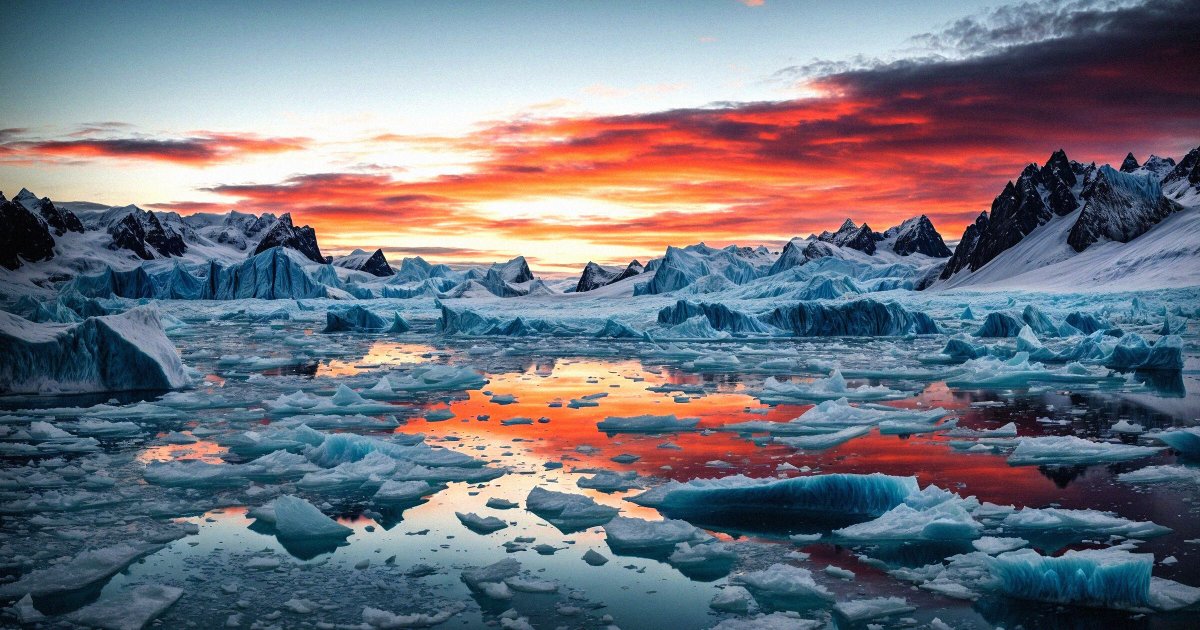
RETRACTED ARTICLE: The economic commitment of climate change
Global projections of macroeconomic climate-change damages typically consider impacts from average annual and national temperatures over long time horizons1–6. Here we use recent empirical findings from more than 1,600 regions worldwide over the past 40 years to project sub-national damages from temperature and precipitation, including daily variability and extremes7,8. Using an empirical approach that provides a robust lower bound on the persistence of impacts on economic growth, we find that the world economy is committed to an income reduction of 19% within the next 26 years independent of future emission choices (relative to a baseline without climate impacts, likely range of 11–29% accounting for physical climate and empirical uncertainty). These damages already outweigh the mitigation costs required to limit global warming to 2 °C by sixfold over this near-term time frame and thereafter diverge strongly dependent on emission choices. Committed damages arise predominantly through changes in average temperature, but accounting for further climatic components raises estimates by approximately 50% and leads to stronger regional heterogeneity. Committed losses are projected for all regions except those at very high latitudes, at which reductions in temperature variability bring benefits. The largest losses are committed at lower latitudes in regions with lower cumulative historical emissions and lower present-day income.
Appropriate Technology, Permacomputing, Post Growth, and Ecomodernism.
To adapt to the changing climate, we need to radically rethink how and why we do the things we do. From technology, to social movements, to economics. The world is at stake. And we can change it.
A Reality Check on Our ‘Energy Transition’ | The Tyee
To our peril, there’s been no green revolution. Just green addition to rising fossil fuel use.
Impact of climate change may be equivalent to 3.3 million years of transformations in tropical vegetation
Changes that took millions of years can now happen in a matter of decades, and this accelerated rythm can be destructive, with dangerous consequences for the planet
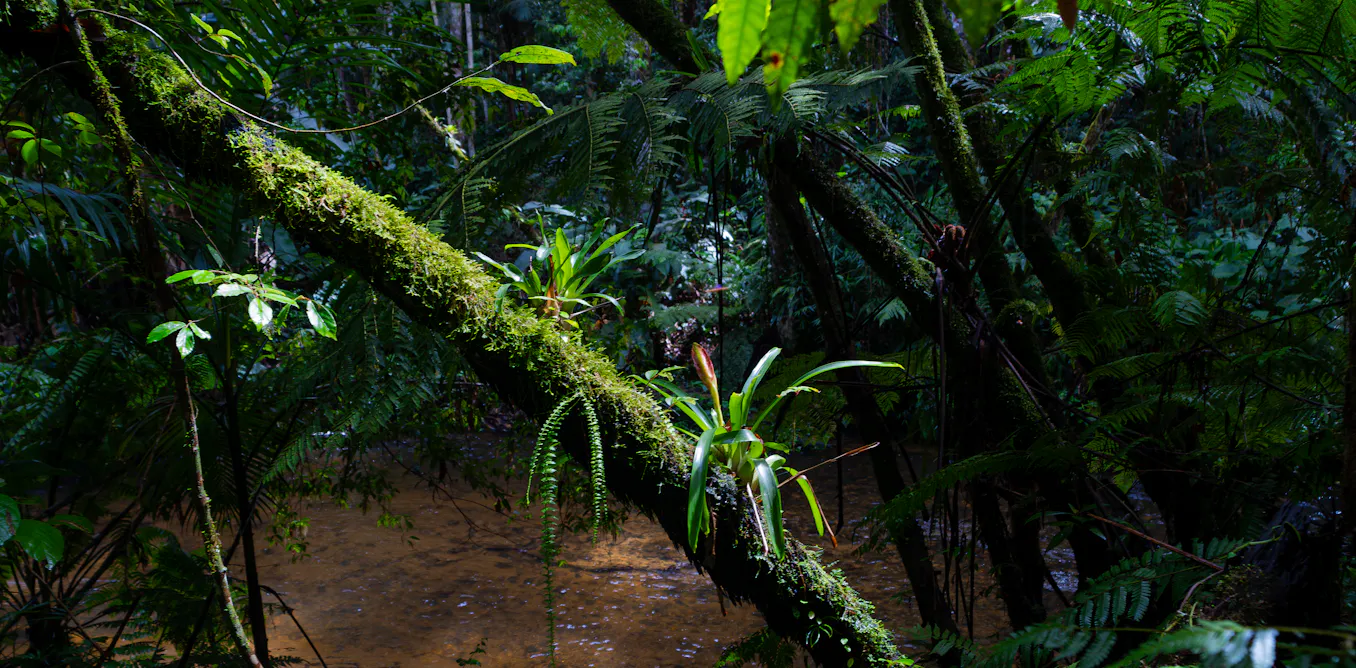
How to solve climate change and make life more awesome
We already have all the tools we need to fix climate change. We just need to use them.

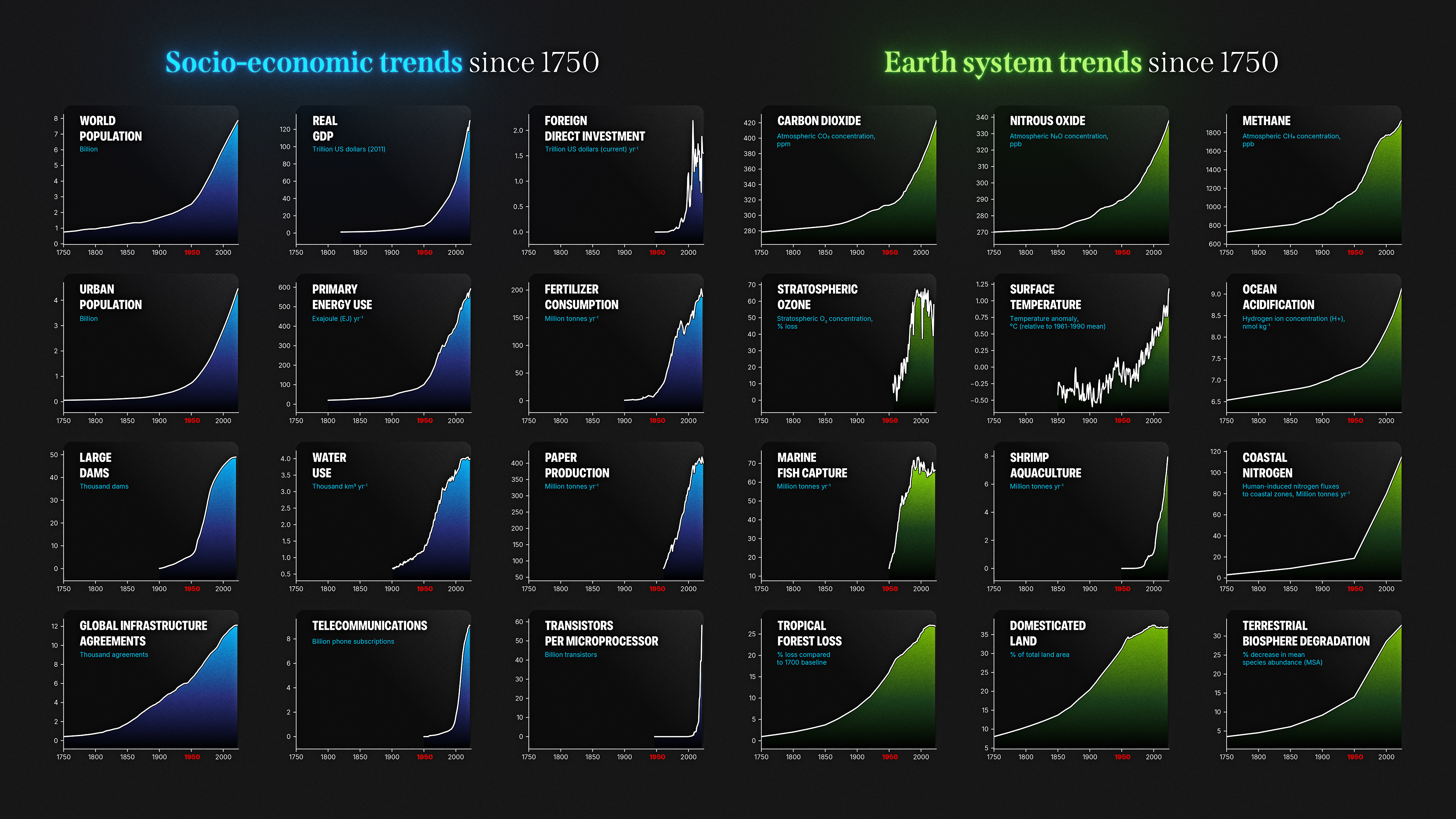
The Great Acceleration: How Humanity Changed Earth
Explore the Great Acceleration — the explosive post-1950 surge in human activity reshaping Earth's climate, biodiversity, and ocean systems.
BBC Earth | Environment, Climate Change, AI, Food, Health, Social, & Technology
As we face the world’s greatest environmental challenges, BBC Earth brings you solutions in psychology, food, climate change, health, social trends, and technology that can make the world a more sustainable place.
BBC Earth | Environment, Climate Change, AI, Food, Health, Social, & Technology
As we face the world’s greatest environmental challenges, BBC Earth brings you solutions in psychology, food, climate change, health, social trends, and technology that can make the world a more sustainable place.
BBC Earth | Environment, Climate Change, AI, Food, Health, Social, & Technology
As we face the world’s greatest environmental challenges, BBC Earth brings you solutions in psychology, food, climate change, health, social trends, and technology that can make the world a more sustainable place.
Correcting climate ‘misperceptions’ may not boost climate action - Carbon Brief
Most people "underestimate" general support for climate change and "overestimate" actual, real-world climate action.
The story of CO2 is the story of everything: how carbon dioxide made our world
"How carbon dioxide, the world's most important substance, shaped the planet's past and present-and holds the key to our future Carbon dioxide: this seemingly simple and ubiquitous substance is fundamental to how our planet works. All life is made from CO2, and its behavior on this planet has kept Earth bizarrely habitable for hundreds of millions of years. In its workings lie both the splendor of our world and the potential for life's destruction. In short, it is the most important substance in history. But why is CO2 as essential to life on Earth as it is capable of destroying it? In The Story of CO2 Is the Story of Everything, award-winning science journalist Peter Brannen reveals carbon dioxide's fundamental role in the operation and maintenance of our planet. Starting at the beginning of time and working all the way up to our present reality, he illuminates how CO2 has been responsible for the planet's many deaths and rebirths, the evolution of life, and the development of modern human society. Carbon dioxide's movement through rocks, air, oceans, and life has kept our planet's climate livable, its air breathable, and its oceans hospitable to complex life for more than five hundred million years. And only by understanding CO2 in the context of deep Earth history can we see how it gave rise to today's industrial economy-and more clearly recognize what it means to be churning through hundreds of millions of years of old life in the form of fossil fuels and converting it all to carbon dioxide. With groundbreaking research and a clear-eyed perspective, Brannen shows how a deep exploration into the mechanics of the carbon cycle and the history of our planet can provide hope for averting environmental catastrophe in the future. It all starts with a richer understanding of the essential role of one substance"--

Victorian Climate Collaboration – Our Policy Platform
Across Australia and around the world, the impacts of climate change are being felt through worsening bushfires, floods, droughts and heatwaves. The impacts we are experiencing now are early signals of far worse to come. Time is rapidly running out to avoid the devastating impacts of a 2°C or warmer world. Every fraction of degree of warming matters and will be measured in lives, species and ecosystems lost or saved.
Show Your Stripes
Visualising how the climate has changed for every country across the globe