


Computer: A History of the Information Machine is a history of computing written by Martin Campbell-Kelly and William Aspray first published in 1996. It follows the history of "information machines" from Charles Babbage's difference engine through Herman Hollerith's tabulating machines to the invention of the modern electronic digital computer. A revised 2nd edition published in 2004 included new material on the Internet and World Wide Web, while the updated 3rd edition published in 2013 includes contributions from historians Nathan Ensmenger and Jeffrey Yost. The 3rd edition extends the story to include recent phenomena such as social networking and revises the discussion of early history to reflect new insights from the literature.

The rise of Whatever
This was originally titled “I miss when computers were fun”. But in the course of writing it, I discovered that there is a reason computers became less fun, a dark thread woven through a number of events in recent history. Let me back up a bit.

Humanities in the Machine - Blain Smith
There is something quietly remarkable about the people who built the foundations of modern computing. Not their technical achievements, though those are extraordinary. What is remarkable is where they came from before they ever touched a machine.
LotusNotes
I tend to focus on the origin of the computer within the military. Particularly in the early days of digital computing, the military was a key customer, and fundamental concepts of modern computing arose in universities and laboratories serving military contracts. Of course, the war would not last forever, and computing had applications in so many other fields—fields that, nonetheless, started out as beneficiaries of military largesse.
triumph of the nerds
IBM's "Man & Computer" (1967)
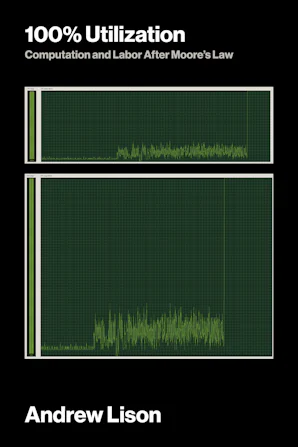
100% Utilization
Since the end of the Second World War, we have come to expect continual growth in computing power and the rapid development of digital technology. This dynam...
A Mathematical Theory of Communication
"A Mathematical Theory of Communication" is an article by mathematician Claude Shannon published in Bell System Technical Journal in 1948. It was renamed The Mathematical Theory of Communication in the 1949 book of the same name, a small but significant title change after realizing the generality of this work. It has tens of thousands of citations, being one of the most influential and cited scientific papers of all time, as it gave rise to the field of information theory, with Scientific American referring to the paper as the "Magna Carta of the Information Age", while the electrical engineer Robert G. Gallager called the paper a "blueprint for the digital era". Historian James Gleick rated the paper as the most important development of 1948, placing the transistor second in the same time period, with Gleick emphasizing that the paper by Shannon was "even more profound and more fundamental" than the transistor.

CERN70: Where the Web was born…
In 1989, Tim Berners-Lee, a young scientist working at CERN, wrote a proposal for an information management system based on the Internet. At the time, few people really understood the significance of his seemingly abstract idea. Luckily, however, his supervisor and a few colleagues had the foresight to let him work on an invention that would change the world.

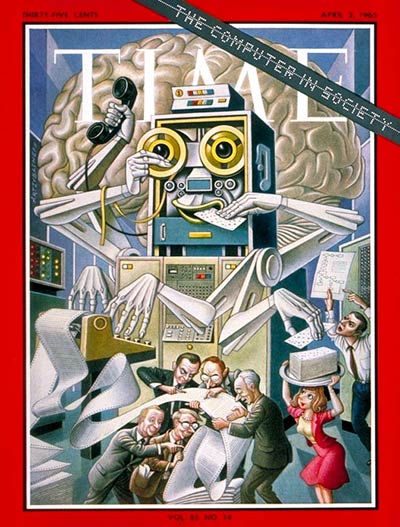
TIME Magazine Cover: Computer in Society - Apr. 2, 1965
TIME Magazine Cover: Computer in Society
Experts Argue Whether Computers Could Reason, and if They Should (Published 1977)
Computer world is in midst of fundamental dispute over question of computer intelligence since MIT Prof Joseph Weizenbaum wrote book arguing that machines can never be made to reason like people and should not be; Weizenbaum por (M)

Hackers: Heroes of the Computer Revolution
A mere fifteen years ago, computer nerds were seen as m…

The International Research Conference in the History of Computing at Los Alamos, 1976
Stuart K. Card and Thomas P. Moran, "User Technology—From Pointing to Pondering"
Technological

Posts about the future of the internet, AI, and anything technological. Hence the name.
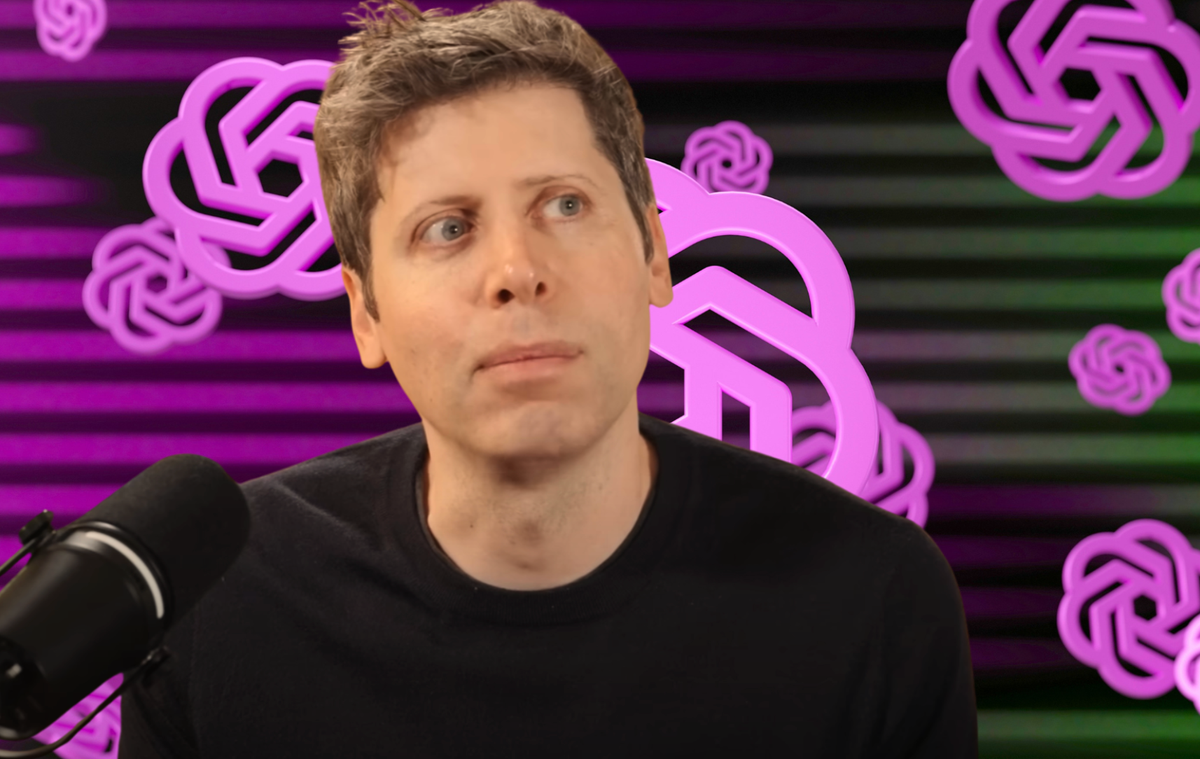
‘Doom Loop’: OpenAI and Microsoft Admits LLMs Are Destroying the Web and Built on Theft

Cory Doctorow: AI’s big beasts aren’t really scared of their products. They’re scared of their competition

How AI Chatbots Are 'Deskilling' Human Empathy
Pluralistic: The Claude Delusion (21 Sep 2026) – Pluralistic: Daily links from Cory Doctorow
Commentary: Cory Doctorow: Technopolitics
Field Notes: The Architecture of Rationalization - Aaron Ross Powell