

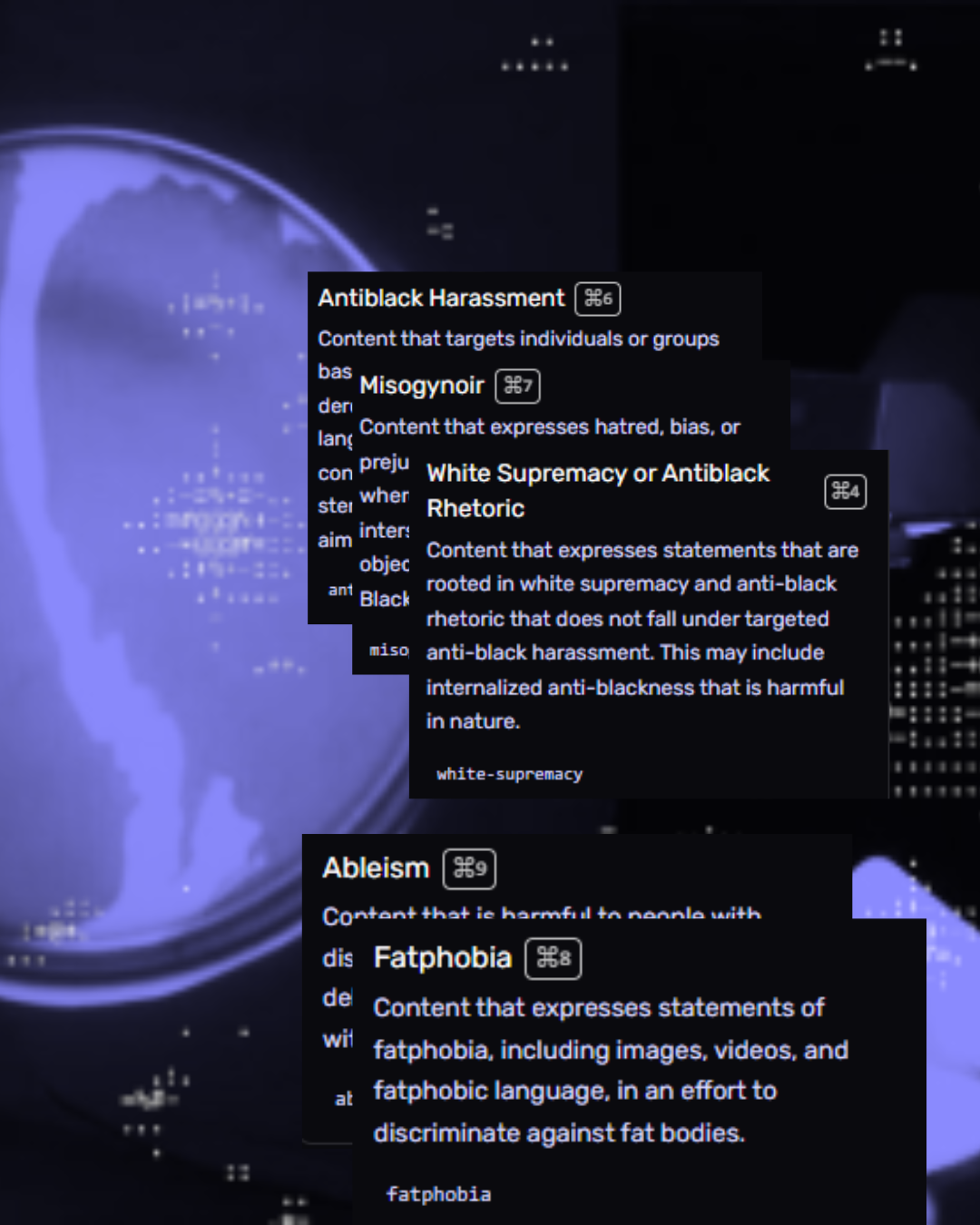
Digital blackface is a term used to describe the phenomenon of non-Black individuals using digital media, such as GIFs, memes, or audio clips featuring Black individuals, to express emotions or convey ideas. This behavior has sparked debate and criticism due to concerns about cultural appropriation and the perpetuation of stereotypes. Digital blackface has been described as "one of the most insidious forms of contemporary racism"[1] and has been compared to historical minstrelsy by Black individuals and social justice advocates.
Unpacking the Racism of Digital Blackface in the Information Age
TikTok and the Evolution of Digital Blackface
On the app, users drape themselves in the trappings of Black culture—and steal the viral spotlight. It’s exploitation at its most refined and disturbing.

Building a Culture of (Digital) Safety
Black culture is in a lot of ways synonymous with how internet culture exists writ large. From what is now described as “Gen-Z slang” (or as Black people have always known it, AAVE) to our methods of organizing (Black feminists starting hashtag activism and creating movements like #MeToo, #BlackLivesMatter, and #SayHerName) and even how we […]
Memes in Digital Culture
Taking “Gangnam Style” seriously: what Internet memes can tell us about digital culture.In December 2012, the exuberant video “Gangnam Style” became the fi


What do we want from Black women on screen?
From Teyana Taylor’s Oscar-nominated turn in One Battle After Another to Industry’s ruthless Harper Stern, Black women are taking on some of the most morally complex roles on screen. But what does “good” representation really mean and must it always be aspirational? Michaela Makusha investigates.

Blacksky
Blacksky is a social network. It is developed and maintained by Blacksky Algorithms. The project provides curated feeds and moderation tools to support Black social media users, many of whom previously used Black Twitter.

Overview
What is Blacksky? Blacksky Algorithms is building the future of self-governable online communities with tools that make complex infrastructure simple to deploy. Most social platforms control what users see, how communities operate, and who gets to feel safe online. Blacksky changes that by providing one-click infrastructure for independent, self-governed digital spaces. Our platform lets communities […]
Overview
What is Blacksky? Blacksky Algorithms is building the future of self-governable online communities with tools that make complex infrastructure simple to deploy. Most social platforms control what users see, how communities operate, and who gets to feel safe online. Blacksky changes that by providing one-click infrastructure for independent, self-governed digital spaces. Our platform lets communities […]
Blacksky
Decentralized social media built for community power, culture, and collective freedom.

Blacksky
Decentralized social media built for community power, culture, and collective freedom.
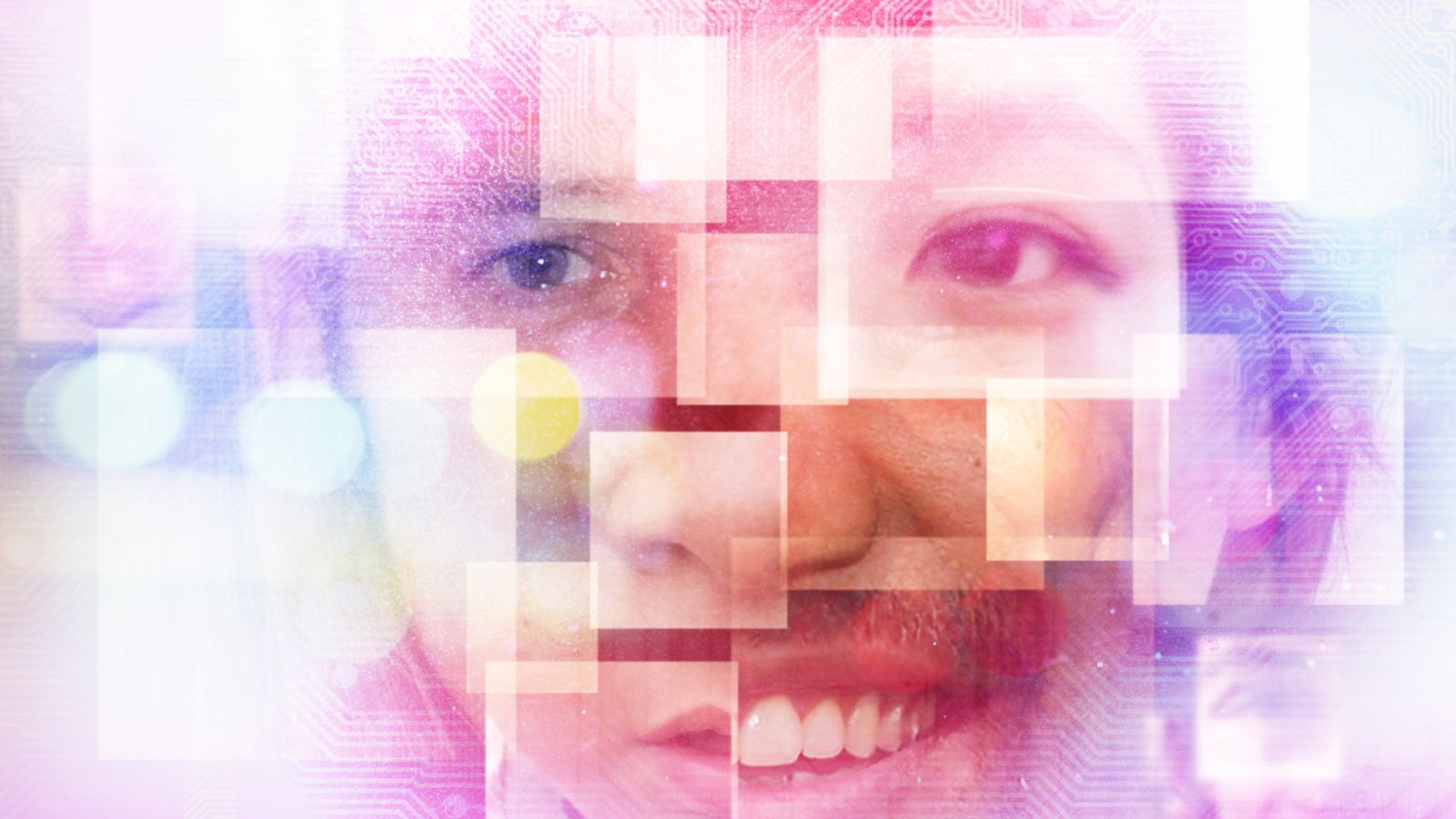
How fake faces are being weaponized online | CNN Business
As an activist, Nandini Jammi has become accustomed to getting harassed online, often by faceless social media accounts. But this time was different: a menacing tweet was sent her way from an account with a profile picture of a woman with blonde hair and a beaming smile.
Your Body, Your Feed – Creating a bridge between consent and self-expression - What’s Happening on My Feed?
Recently, we’ve seen an increase in discussion around how adult content currently shows up on our platform. By adult content, we mean content that is usually labeled as pornography, non-sexual nudity, or sexually suggestive content. Labeling adult content (both text- and image-based) is an example of how we empower community members to share more of themselves with folks, without creating a non-consensual experience for other members that do not wish to engage with adult content. To solve this, we want to present you with options and invite you, as a member of our community, to decide how adult content shows up on Blacksky.
how do you a call a person who is interacting with digital media ?
We use tools from computer science, media design, and digital art to study massive cultural data sets. Directed by Dr. Lev Manovich.
