


Doomscrolling is the act of spending an excessive amount of time on digital content that elicit negative emotions. The concept was coined around 2018, and became more widespread in the context of the COVID-19 pandemic. The World Health Organization (WHO) observed that the pandemic was accompanied by widespread misleading information, conspiracy theories, and false reports, which it referred to as an "infodemic".
One Situation After Another
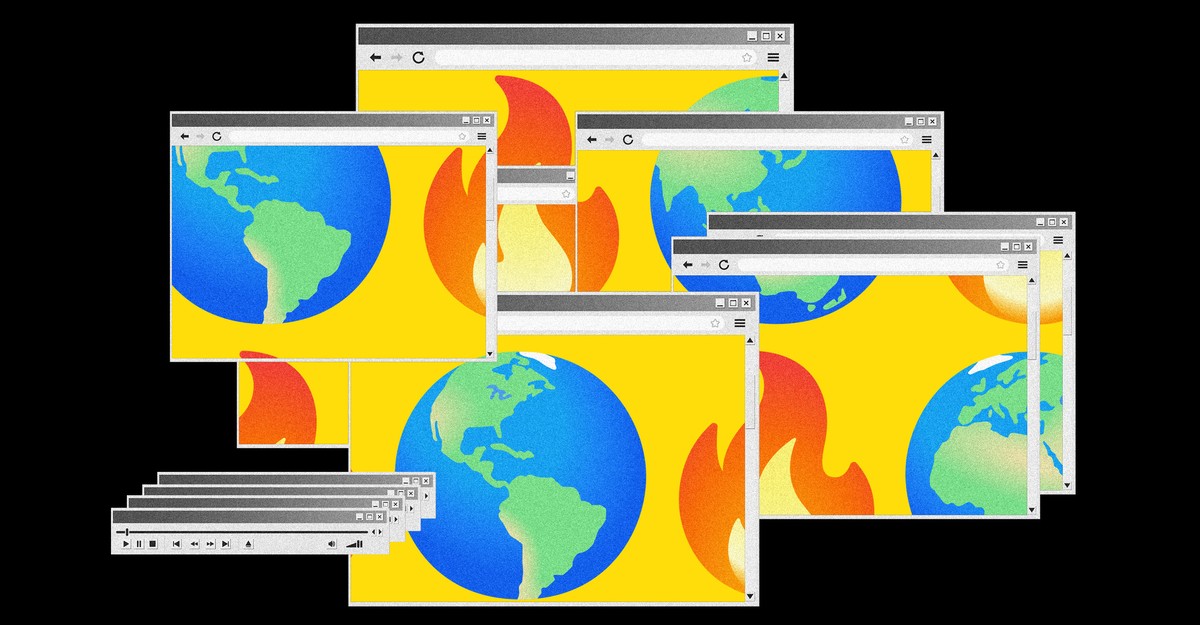
Doomscrolling is over. Now everyone is “monitoring the situation.”
AI Doomsday Panic Is Completely Out Of Control
The press obsession with software-powered doomsday is a misdirection overshadowing a much deadlier reality: our public interest regulators no longer function.

Fool's Expertise | The Observation Deck
I listened to the recent Ezra Klein interview with Nvidia CEO Jensen Huang, which seems to be something of a Rorschach test for AI doomerism: if you are inclined to see doom, Jensen sounds dismissive, but if you (like me) do not fear for the future of humanity at the (metaphorical!) hands of a computer program, Jensen’s responses seem very reasonable. (With some exception: does this guy really not know his own zip code?!)

This Is What Uncertainty Feels Like
When you're taking action in the face of uncertainty, you have to make peace with the idea that you're never going to know if you're doing the right thing. This pandemic is one way of remembering what that's going to feel like.

Here Are a Few of the Ways AI Could In Fact Kill Everyone
It has become fashionable to ask “doomers” to “get specific” about their dooming. Well, aiight then.

The contagion of fear | The Observation Deck
I have a difficult confession to make — a shameful incident that I have never spoken of, even to those closest to me. Late one night in my first year at university and having found computer science to be my life’s calling, I was in the back of the large computer science lab, talking with some fellow underclassmen. We were snidely decrying the lack of technological understanding in the broader population, with the kind of arrogance and hubris that youth and precociousness can uniquely summon. Somewhere in this discussion, a terrible idea was hatched: what if we went next door to the general computer lab, and told the humanities students there that a computer virus was spreading through their machines? Would they believe it?
Statmeet Cards — Doing is the antidote to doom.
Statmeet Cards is a coordination platform for teams building the world we want to live in — horizontal, decentralized, and designed to scale from your group chat to the whole internet.
(please don't) add me to the group
We talk a lot about how broken the internet is for all of us as individuals. Doomscrolling, algorithmic feeds, overall exhaustion at The Horrors. But this...

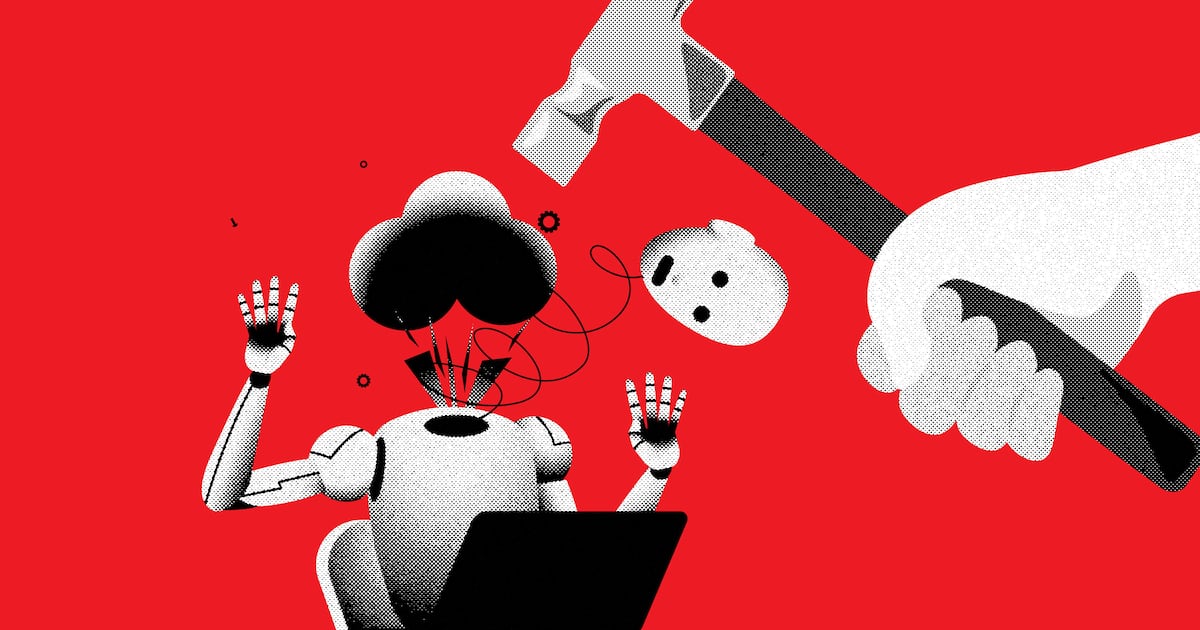
AI Doomers Are Starting to Admit It: They’re Going Too Far
One of the biggest doomsayers of artificial intelligence has done an about-face—and it could help save the world.
The Slow Death of Online Safety
Climate doom may discourage climate action, but there’s a way to counter it
One way to guard against misinformation is to empower people to identify climate doom in the first place.

Impact of the COVID-19 pandemic on social media
Social media became an important platform for interaction during the COVID-19 pandemic, coinciding with the onset of social distancing. According to a study conducted by Facebook's analytics department, messaging rates rose by over 50% during this period. Individuals confined to their homes utilized social media not only to maintain social connections but also as a source of entertainment to alleviate boredom. Concerns arose regarding the overreliance on social media for primary social interactions, particularly given the constraints imposed by the pandemic.

The Internet as existential threat
Some days I wonder if we are completely screwed. So today’s post is a perhaps slightly hysterical outburst. The news is not paying enough attention to the Petya/NotPetya ransomware, and the e…

one recurring theme in the coverage of this AI Anthropic doomsday newscycle is nobody actually has any REAL ideas of what to do just a lot of ambiguous hand-waving in a country that's too corrupt to have working regulators, by a press that doesn't realize that's a central pillar of the conversation

The AI Researcher Who Just Quit Anthropic Says It’s ‘Crunch Time for Humanity’
www.wired.comThe Internet, and how we've developed with it

Not "doomscrolling has killed our lives". But how, looking back, our enjoyment of the internet has shaped our experience of life.

We can have a different web

My journey to the heart of the forgotten internet

VC&G | » My memories of what life was like before the Internet

Habbo Hotel Memories - Sneer Campaign
blogs.loc.gov

My old SoundCloud page is a time capsule
