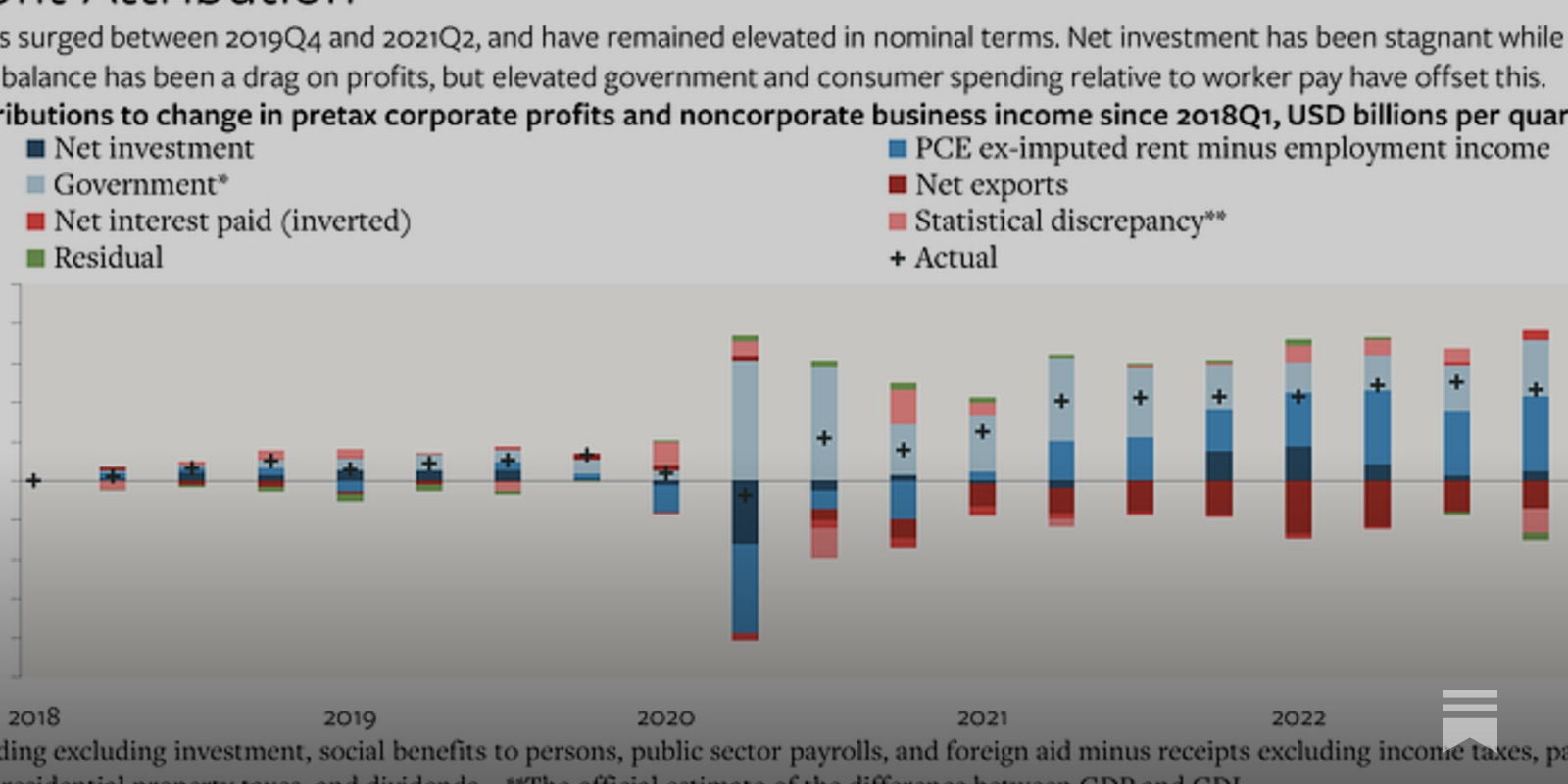
The article that proposed the law attributes it to four main causes:[3]
Demystifying the second law of thermodynamics
Thermodynamics is really weird. Most people have probably encountered a bad explanation of the basics at some point in school, but probably don't remember more than
Has an AI discovered new maths?
The Dalio fallacy – explaining bond markets
The bear market in bonds is a trend, with three fundamental causes
classic Trolley Experiment through the ERM v2
The classic Trolley Experiment through the ERM v2.0 protocol moves it from a philosophical parlor trick to a high-stakes stress test of systemic stability. Unlike traditional ethics (utilitarianism vs. deontology), ERM evaluates the Lever Pull as a hypothesis of system persistence. Stage 1 – Hyp...

The Fallacy of Endless Economic Growth
What economists around the world get wrong about the future.

Jevons paradox
The Jevons paradox or Jevons effect is an economic phenomenon said to occur when technological improvements that increase the efficiency of a resource's use lead to a rise, rather than a fall, in total consumption of that resource. Greater efficiency reduces the amount of the resource needed per application, lowering its effective cost; if demand is sufficiently price elastic, this induces demand, frequently resulting in a net increase of total resource consumption.

How ergodicity reimagines economics for the benefit of us all | Aeon Ideas
A radical concept called ergodicity at the heart of economics could change our approach to risk for the benefit of all

New Laws Explain Why Fast-Growing Networks Break
Researchers are uncovering the hidden laws that reveal how the Internet grows, how viruses spread, and how financial bubbles burst.

Jevons paradox
In economics, the Jevons paradox, or Jevons effect, is said to occur when technological improvements that increase the efficiency of a resource's use lead to a rise, rather than a fall, in total consumption of that resource. Greater efficiency reduces the amount of the resource needed per application, lowering its effective cost; if demand is sufficiently price elastic, this induces demand, frequently resulting in a net increase of total resource consumption.
Three Laws of Robotics
The Three Laws of Robotics are a set of rules devised by science fiction author Isaac Asimov, which were to be followed by robots in several of his stories. The rules were introduced in his 1942 short story "Runaround", although similar restrictions had been implied in earlier stories.

Law of triviality
The law of triviality is C. Northcote Parkinson's 1957 argument that people within an organization commonly give disproportionate weight to trivial issues.[1] Parkinson provides the example of a fictional committee whose job was to approve the plans for a nuclear power plant spending the majority of its time on discussions about relatively minor but easy-to-grasp issues, such as what materials to use for the staff bicycle shed, while neglecting the proposed design of the plant itself, which is far more important and a far more difficult and complex task.
Ergodicity Economics – Formal economics without parallel universes
Does the way we look at a problem – over time or across an ensemble – change what we see? The main insight from Ergodicity Economics is that when ergodicity […]
Chapter Eight—Technology and the Law: The Automobile · University of Wisconsin Law School Digital Repository · University of Wisconsin Law School Digital Repository
University of Wisconsin Law School Law Library 975 Bascom Mall Madison, WI 53706 608-262-3394
AI contributions to Erdős problems
A community database for the problems on the erdosproblems.com site - teorth/erdosproblems
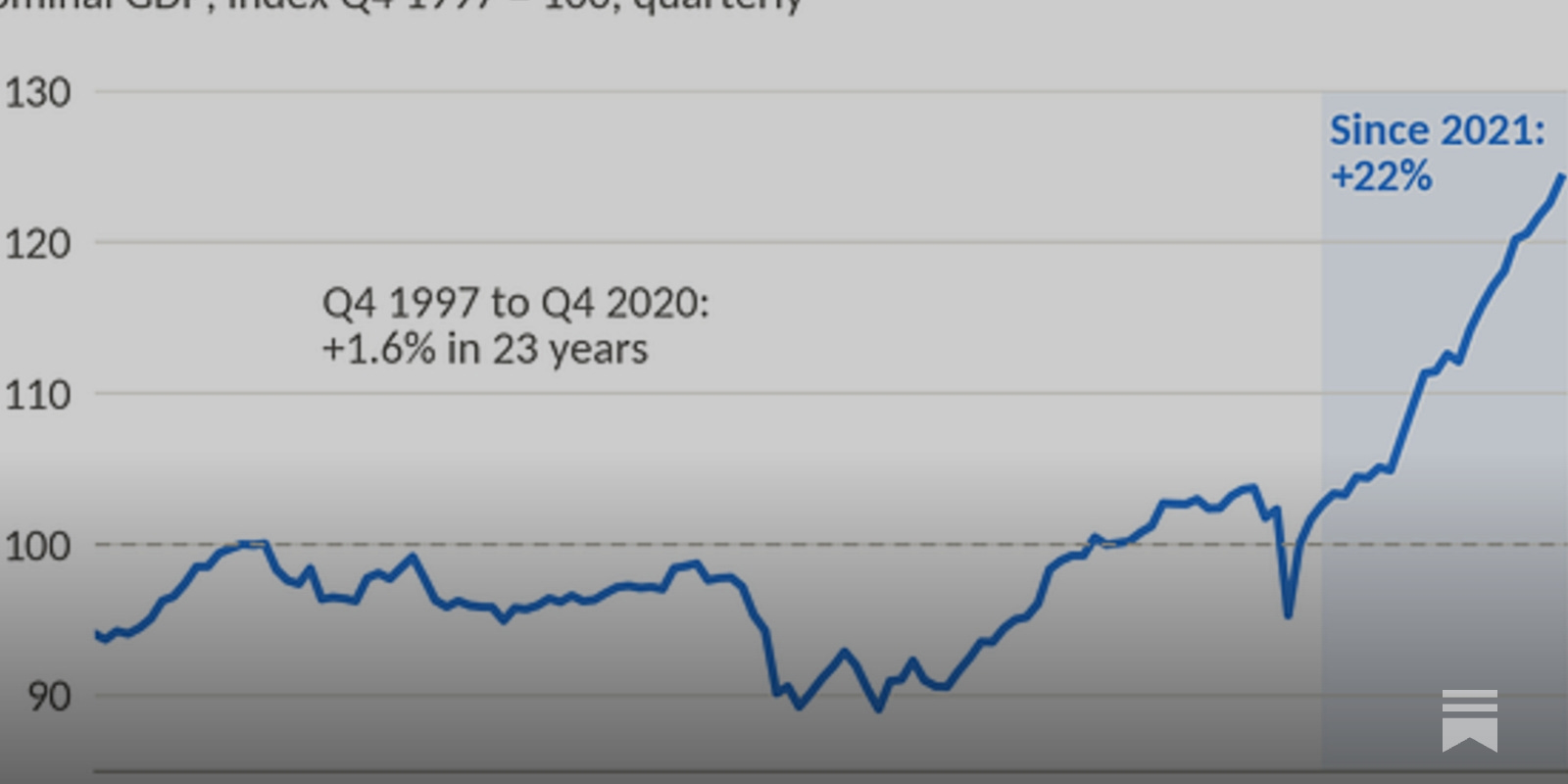
"Greedflation" and the Profits Equation
The assumption behind the "greedflation" thesis is that companies are choosing to squeeze volumes because they care more about unit margins than total profits. There are other possibilities.