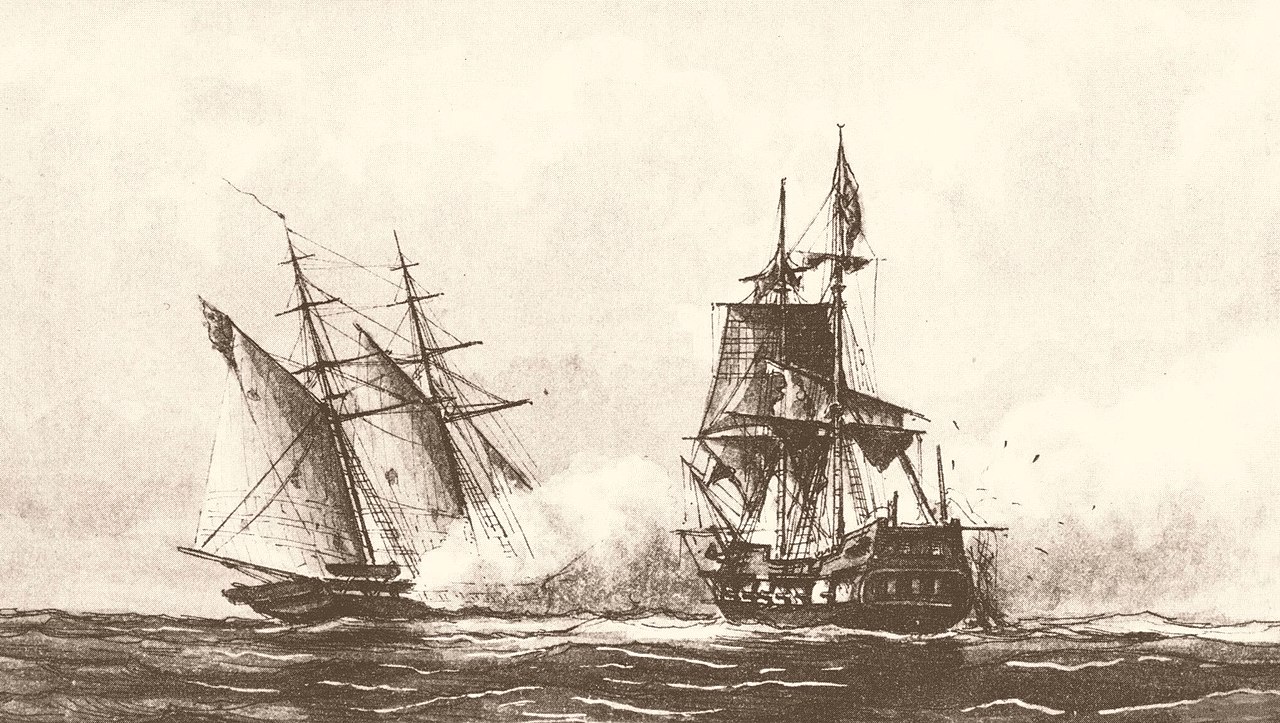
The First Barbary War (1801–1805), also known as the Tripolitan War and the Barbary Coast War, was a conflict during the 1801–1815 Barbary Wars, in which the United States fought against Ottoman Tripolitania. Tripolitania had declared war against the United States over disputes regarding tributary payments in exchange for a cessation of Tripolitanian commerce raiding at sea. United States president Thomas Jefferson refused to pay this tribute. The First Barbary War was the first major American war fought outside the New World, and in the Arab world, besides the smaller American–Algerian War (1785–1795).
Barbary Wars
The Barbary Wars were a series of two wars fought by the United States, Sweden, and the Kingdom of Sicily against the Barbary states and Morocco of North Africa in the early 19th century. Sweden had been at war with the Tripolitans since 1800 and was joined by the newly independent United States. The First Barbary War extended from 10 May 1801 to 10 June 1805, with the Second Barbary War lasting only three days, ending on 19 June 1815. The Barbary Wars were the first major American wars fought entirely outside the New World, and in the Arab world.

Battle of Blair Mountain
The Battle of Blair Mountain was the largest labor uprising in United States history and is the largest armed uprising since the American Civil War. The conflict occurred in Logan County, West Virginia, as part of the Coal Wars, a series of early-20th-century labor disputes in Appalachia.

The Hundred Years' War on Palestine
A landmark history of one hundred years of war waged against the Palestinians from the foremost US historian of the Middle East, told through pivotal events ...
How to fight One Nation
Over the six weeks leading up to May 9, GetUp spent $600,000 campaigning against One Nation in the Farrer byelection. Then we lost, badly.

Canada's retaliatory tariffs worth $27.6 billion take effect as trade rift with U.S. deepens
Duties on U.S. steel and aluminum products have doubled to 50% as a war of words between Washington and Ottawa continues.

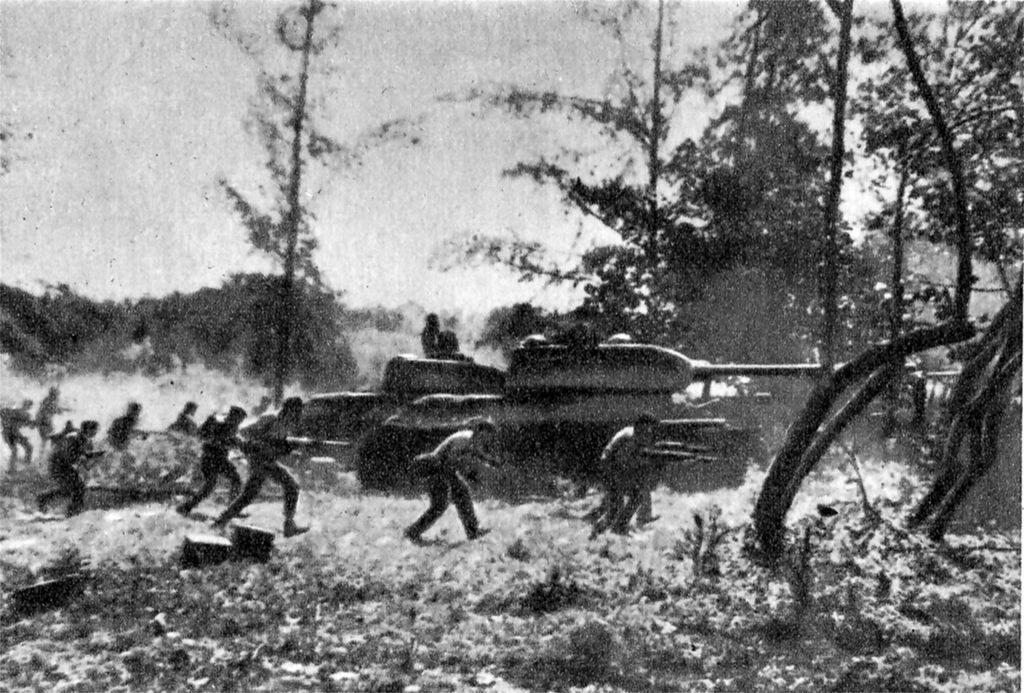
Bay of Pigs Invasion
The Bay of Pigs Invasion was a failed military landing operation on the southwestern coast of Cuba in April 1961 by the United States and the Cuban Democratic Revolutionary Front (DRF), consisting of Cuban exiles who opposed Fidel Castro's Cuban Revolution, clandestinely and directly financed by the U.S. government. The operation took place at the height of the Cold War, and its failure influenced relations between Cuba, the United States, and the Soviet Union.
La politique monétaire en temps de guerre : le cas de l’Ukraine | Banque de France
Billet de blog n° 372. Depuis le début de l’invasion russe, la Banque nationale d’Ukraine (BNU) a contribué à la résilience de l’économie ukrainienne en utilisant une variété d’instruments pour soutenir l’effort de guerre et répondre aux déséquilibres financiers. Ce billet analyse cet exemple contemporain de banque centrale en temps de guerre à l’aune du concept d’autonomie de la politique monétaire.

America, América: a new history of the New World
"The story of how the United States' identity was formed is almost invariably told by looking east to Europe. But as Greg Grandin vividly demonstrates, the nation's unique sense of itself was in fact forged facing south-no less than Latin America's was indelibly stamped by the looming colossus to the north. In this stunningly original reinterpretation of the New World Grandin reveals how North and South emerged from a constant, turbulent engagement with each other. America, América traverses half a millennium, from the Spanish Conquest-the greatest mortality event in human history-through the eighteenth-century wars for independence, the Monroe Doctrine, the coups and revolutions of the twentieth century, and beyond. Grandin shows, among other things, how royalist Spanish America, by sending troops and supplies, helped save the republican American Revolution; how in response to U.S. interventions, Latin Americans remade the rules, leading directly to the founding of the United Nations; and how the Good Neighbor Policy allowed FDR to assume the moral authority to lead the fight against world fascism. Grandin's book sheds new light on well-known historical figures like Bartolomé de las Casas, Simón Bolívar, and Woodrow Wilson, as well as lesser-known actors such as the Venezuelan Francisco de Miranda, who almost lost his head in the French Revolution and conspired with Alexander Hamilton to free America from Spain; the Colombian Jorge Gaitán, whose unsolved murder inaugurated the rise of Cold War political terror, death squads, and disappearances; and the radical journalist Ernest Gruening, who in championing non-interventionism in Latin America, helped broker the most spectacularly successful policy reversal in United State history. This is a monumental work of scholarship that will fundamentally change the way we think of slavery and racism, the rise of universal humanism, and the role of social democracy in staving off extremism. At once comprehensive and accessible, America, América shows that centuries of bloodshed and diplomacy not only helped shape the political identities of the United States and Latin America but also the laws, institutions, and ideals that govern the modern world. A culmination of a decades-long engagement with hemispheric history, drawing on a vast array of sources, and told with authority and flair, this is a genuinely new history of the New World"-- Provided by publisher

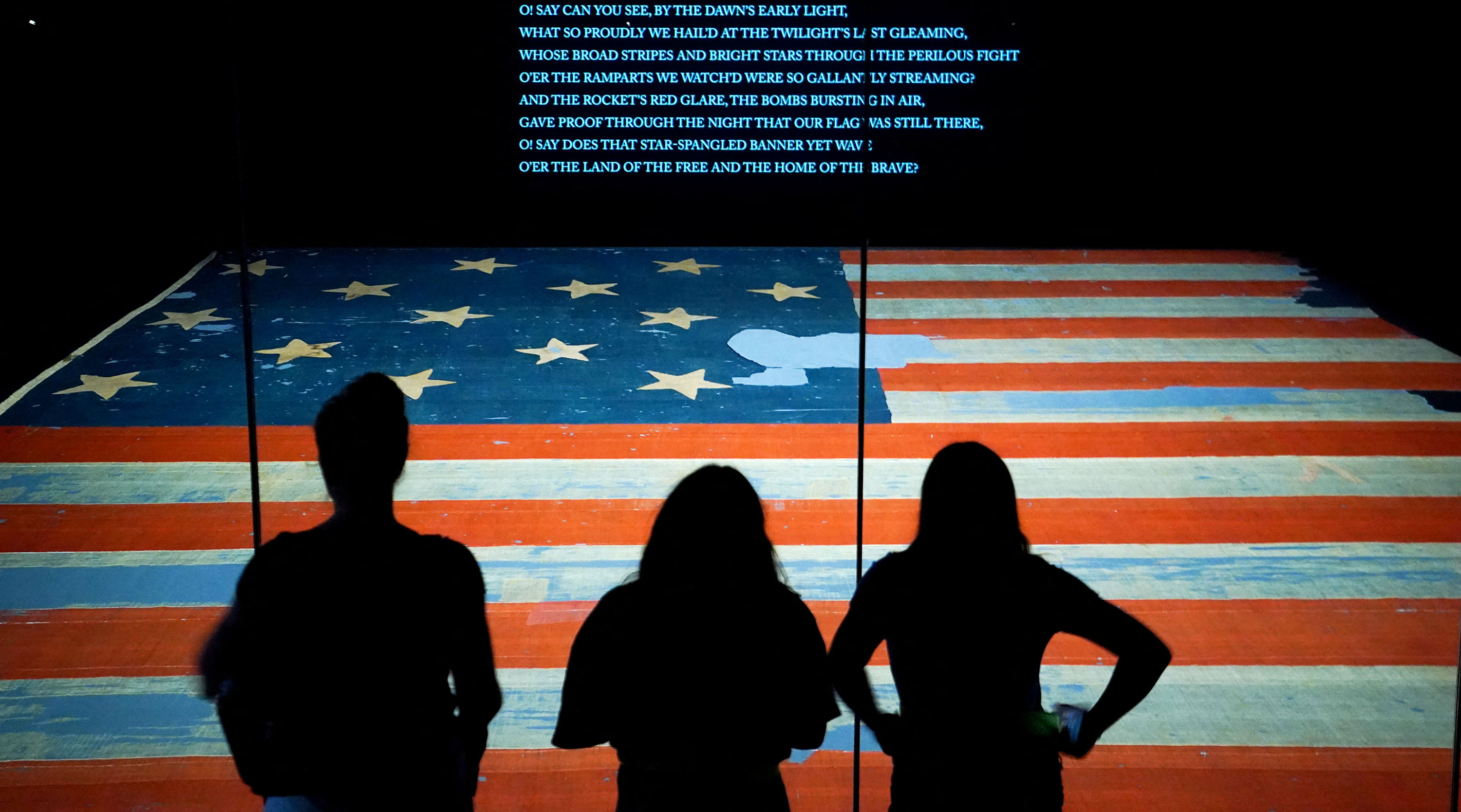
America's been arguing over trade for more than 250 years
As the United States marks the 250th anniversary of declaring its independence from Britain, Americans continue a tradition begun even longer ago: debating trade and tariffs. In recent years, disagreements over the US role in the world economy have grown particularly intense amid rising geopolitical tensions. A brief look at history offers an opportunity to reflect on the importance of international trade to the US economy over time.
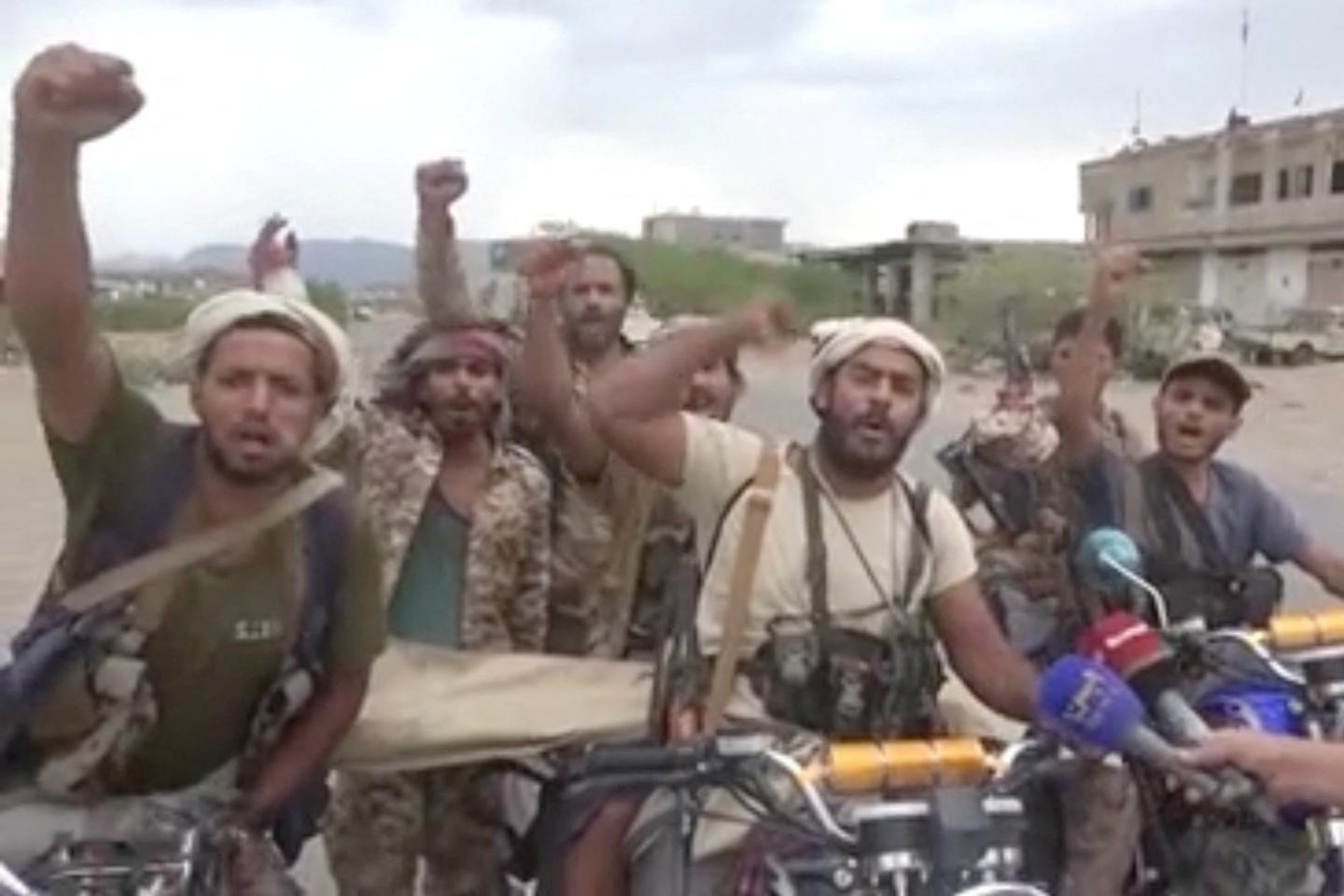
Isolated by Iran and Yemeni Houthi rebels, Saudi Arabia seeks US backing
With Tehran-allied rebels seizing control of the Bab al-Mandab Strait between the Red Sea and the Indian Ocean on Thursday, and Iran blocking the Strait of Hormuz, the kingdom is at risk of losing all maritime access for its oil tankers.
Unceded
Unceded - Understanding British Columbia’s Colonial Past and Why It Matters Now; Unceded reveals the BC government’s history of injustice toward First Nations, providing the context for understanding modern treaty negotiations.
Main Page
The First Jewish–Roman War (66–73/74 CE) was the first of three major Jewish rebellions against the Roman Empire. Fought in the province of Judaea, it was bloodily supressed and resulted in the destruction of Jerusalem and the Second Temple. After the client kingdom of Judaea was annexed as a Roman province in 6 CE, tensions grew due to harsh governance and social, ethnic, and religious divisions. Open revolt erupted after the Roman governor Gessius Florus looted the temple in Jerusalem and killed many civilians. Early rebel successes included the defeat of Cestius Gallus at Bethoron, but Roman forces under Vespasian and later his son Titus reconquered the province. Jerusalem fell in 70 CE after a devastating siege, and the last resistance ended with the fall of Masada. The war profoundly reshaped Jewish history and religion, accelerated the separation between early Christianity and Judaism, strengthened the Flavian dynasty, and set the stage for the later catastrophic Bar Kokhba revolt. (Full article...)
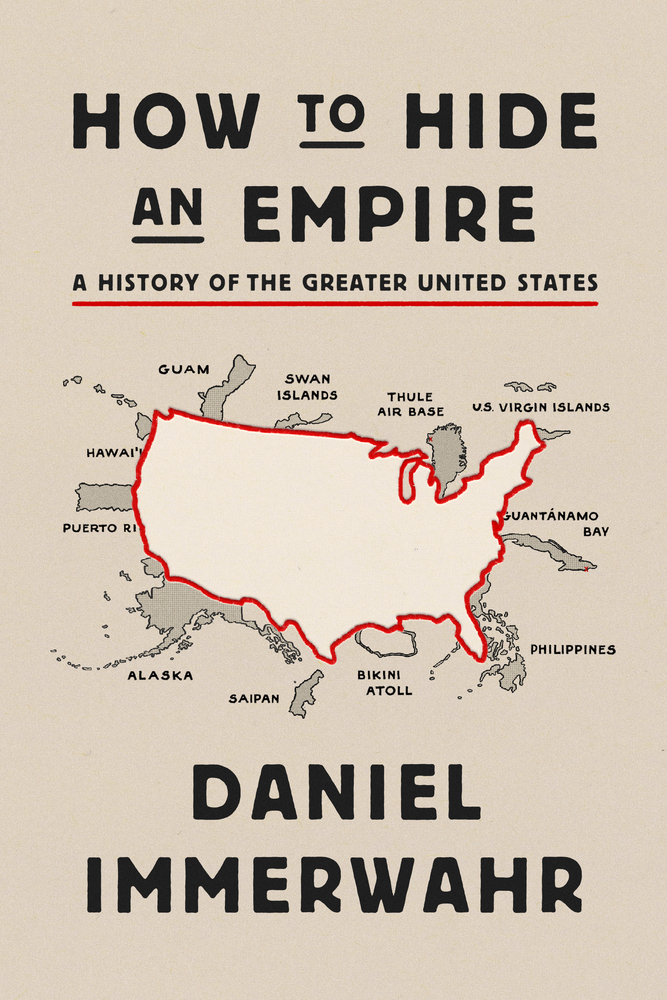
How to Hide an Empire: A History of the Greater United …
A pathbreaking history of the United States' overseas p…
Lobbying for Zionism on Both Sides of the Atlantic | Oneworld
In 1896, a Jewish state was a pipe dream. Today the overwhelming majority of Jews identify as Zionists. How did this happen? Ilan Pappe unveils how over a century of aggressive lobbying changed the map of the Middle East. Pro-Israel lobbies convinced British and American policymakers to condone Israel’s flagrant breaches of international law, […]

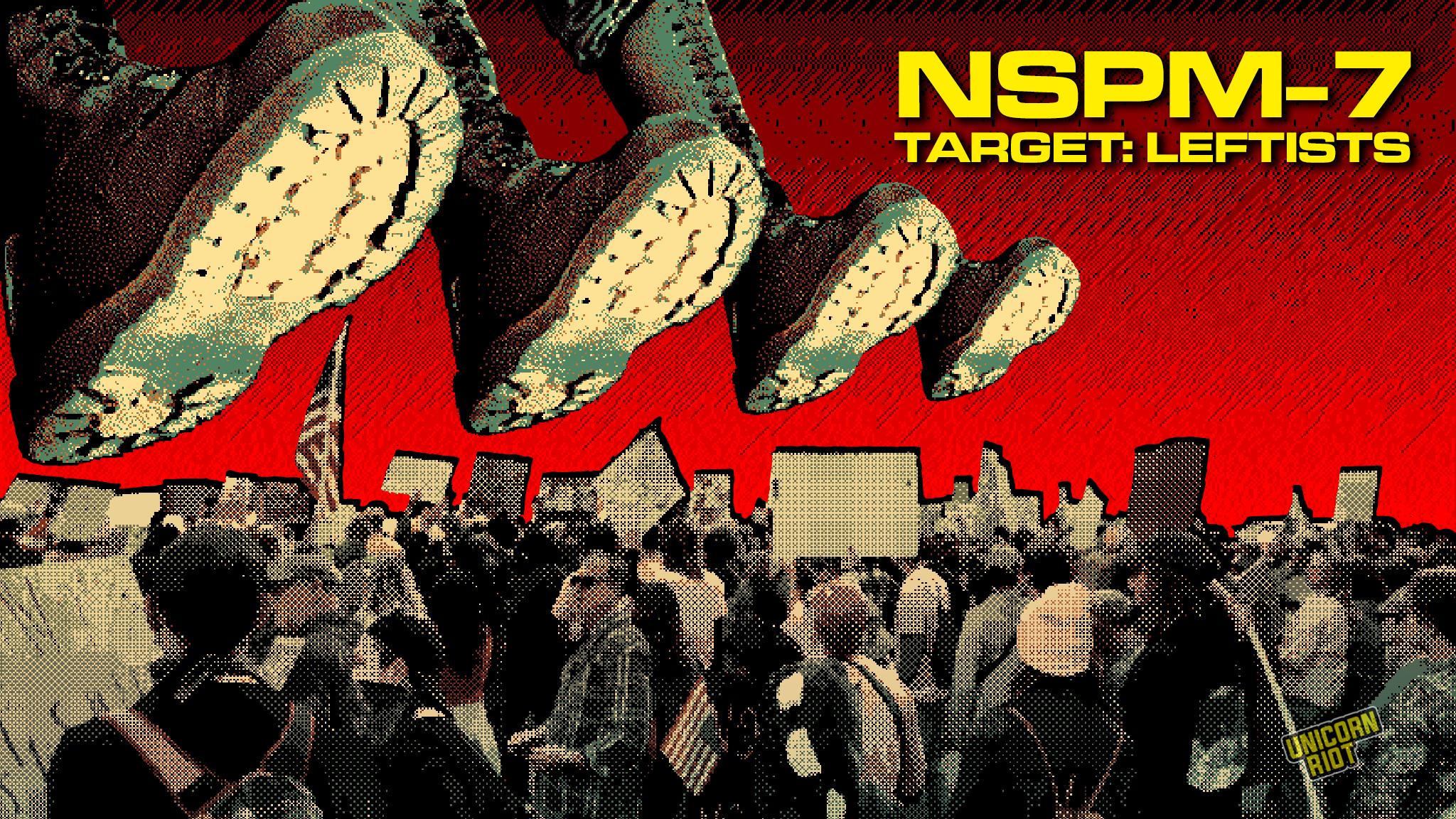
The War on Terror Turns Left - UNICORN RIOT
Prairieland, TX – A sprawling court case from a protest at an immigration detention center could determine how the United States government deals with dissent. The charges originated from a protest at the Prairieland Immigration and Customs Enforcement detention facility in Alvarado, Texas, where a police officer was shot. In a superseding indictment filed in […]