


The Great Pacific Garbage Patch is a garbage patch, a gyre of marine debris particles, in the central North Pacific Ocean. It is located roughly from 135°W to 155°W and 35°N to 42°N. The collection of plastic and floating trash originates from the Pacific Rim, including countries in Asia, North America, and South America.
Poly- and Perfluoroalkyl Substances in Seawater and Plankton from the Northwestern Atlantic Margin
Abstract. The ocean is thought to be the terminal sink for poly- and perfluoroalkyl substances (PFAS) that have been produced and released in large quantit

Plastic Recycling Is a Problem Consumers Can't Solve
Even if you put everything into the right blue bins, a lot of plastics will end up in landfills and the ocean. Consumers can't solve this problem.
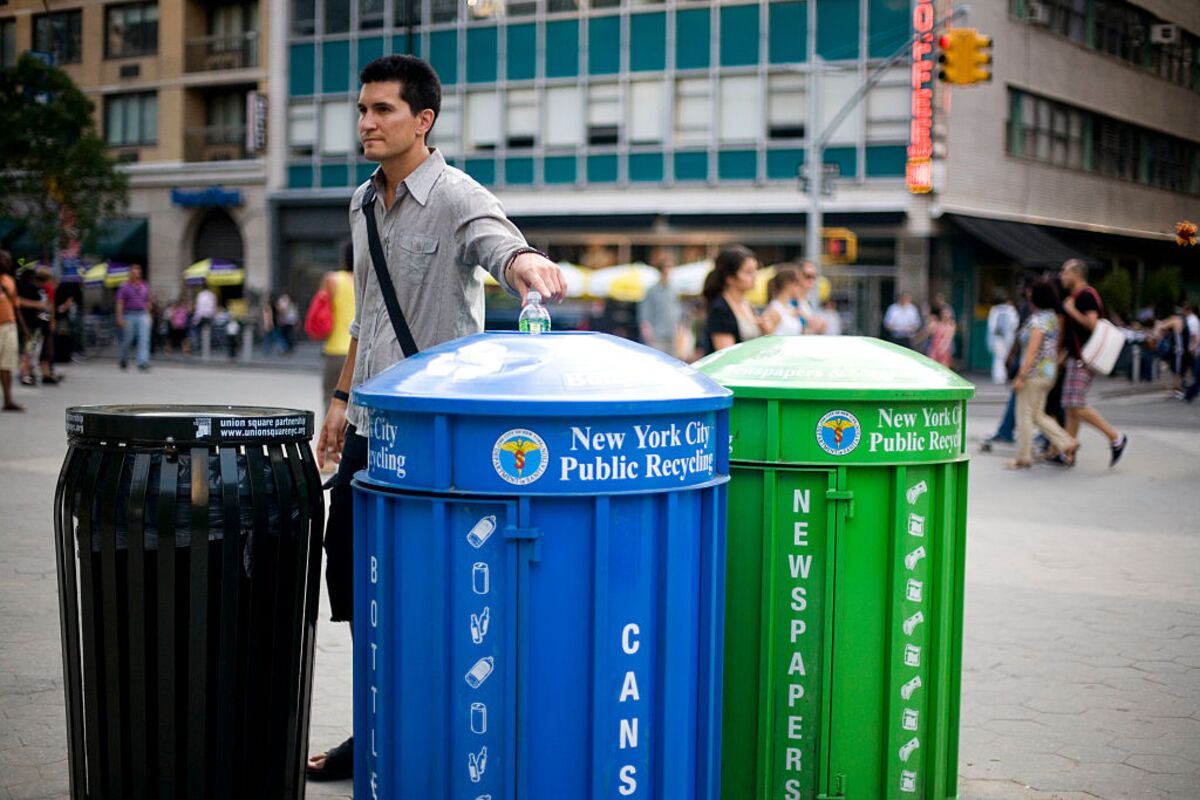
All my trash for a year fit into two plastic bags. Here’s how I did it.
Giving up plastic forks, new clothes and even toilet paper for an exercise in conservation.
A polluted bay on Lake Superior gets cleaned up | The Narwhal
Canada and the U.S. have partnered for decades to clean up pollution in the Great Lakes. Nipigon Bay is one of the success stories
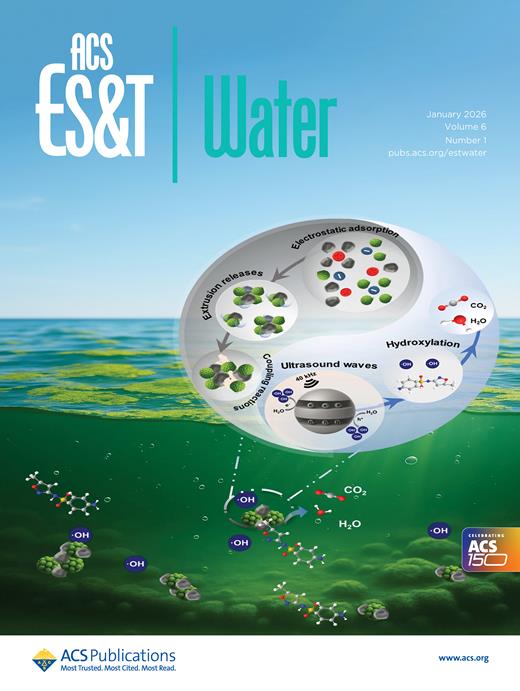
Characterization of the Potential Long-Term Impact from Sedimentary PFAS at a Historically Contaminated Textile Waste Site
Abstract. Per- and polyfluoroalkyl substances (PFAS) are pervasive pollutants at historically contaminated sites throughout the United States and beyond. T
Characterization of the Potential Long-Term Impact from Sedimentary PFAS at a Historically Contaminated Textile Waste Site
Abstract. Per- and polyfluoroalkyl substances (PFAS) are pervasive pollutants at historically contaminated sites throughout the United States and beyond. T
Isolating the AFFF Signature in Coastal Watersheds Using Oxidizable PFAS Precursors and Unexplained Organofluorine
Abstract. Water supplies for millions of U.S. individuals exceed maximum contaminant levels for per- and polyfluoroalkyl substances (PFAS). Contemporary an
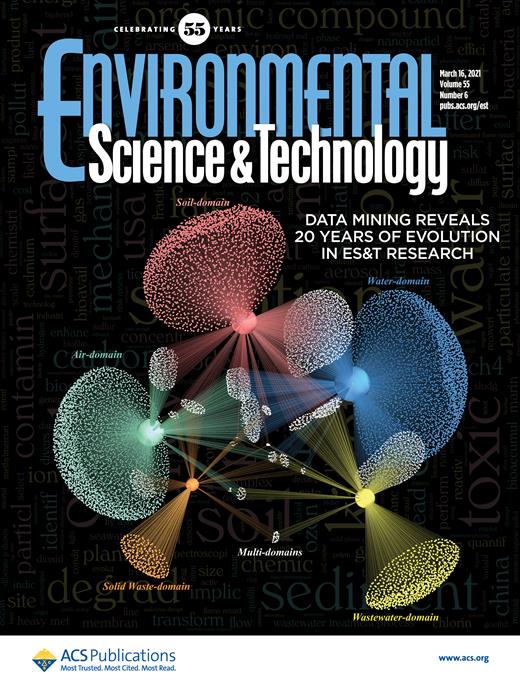
Characterizing the Areal Extent of PFAS Contamination in Fish Species Downgradient of AFFF Source Zones
Abstract. Most monitoring programs next to large per- and polyfluoroalkyl substances (PFAS) sources focus on drinking water contamination near source zones
Characterizing the Areal Extent of PFAS Contamination in Fish Species Downgradient of AFFF Source Zones
Dataset of targeted PFAS and extractable organofluorine concentrations in water, sediment, and biological tissue samples that support data included in two papers: "Characterizing the Areal Extent of PFAS Contamination in Fish Species Downgradient of AFFF Source Zones" and "Bioaccumulation of Perfluoroalkyl Sulfonamides (FASA)"
Organic Act of 1916 - Great Basin National Park (U.S. National Park Service)
Official websites use .govA .gov website belongs to an official government organization in the United States.
Whale Baleen To Monitor Per- and Polyfluoroalkyl Substances (PFAS) in Marine Environments
Abstract. Per- and polyfluoroalkyl substances (PFAS) comprise >10 000 synthetic compounds that are globally distributed and highly persistent but remain
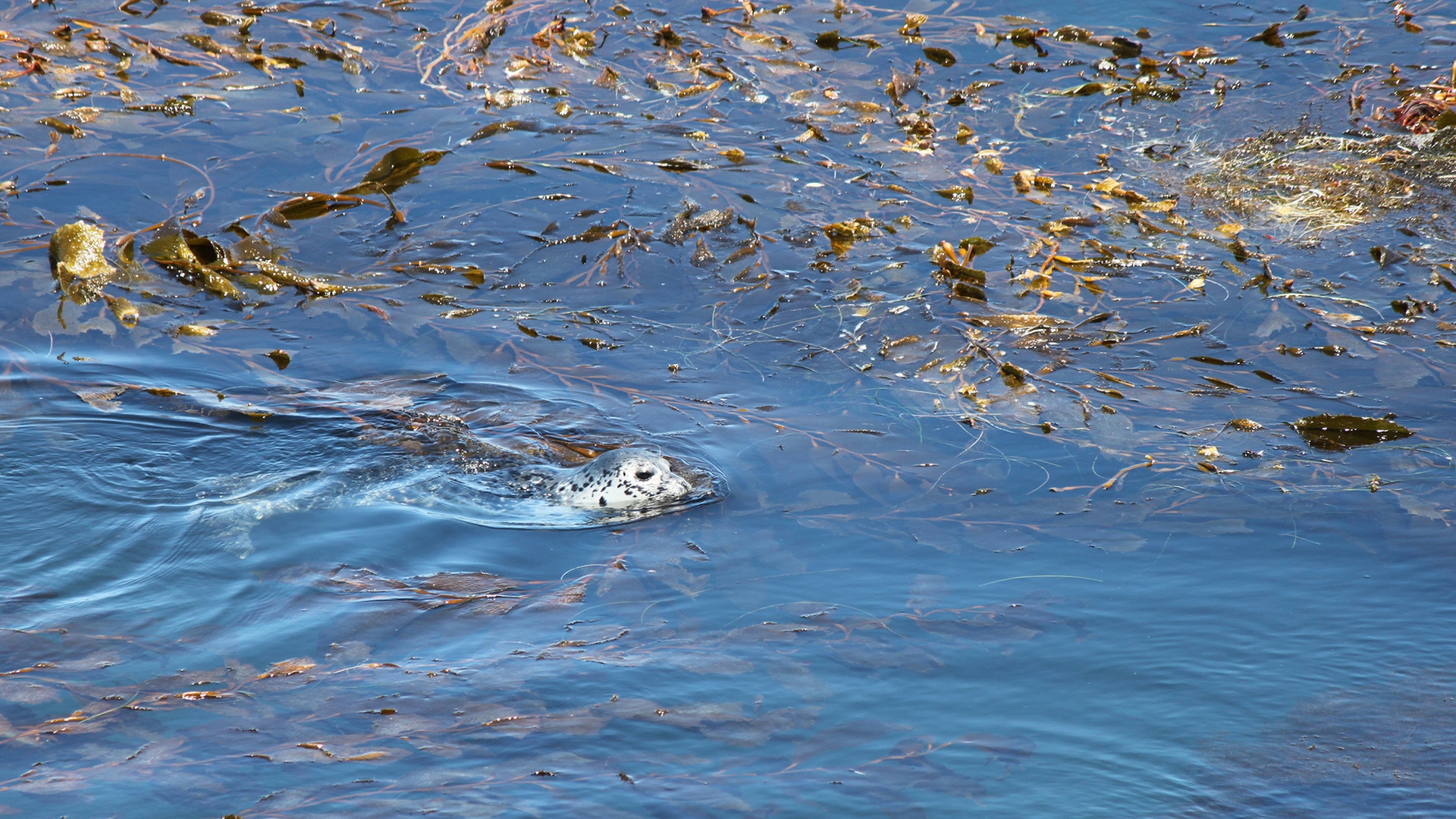
Pacific kelp forests are far older than we thought - Berkeley News
The unique underwater kelp forests that line the Pacific Coast support a varied ecosystem that was thought to have evolved along with the kelp over the past 14 million years. But a new study shows that kelp flourished off the Northwest Coast more than 32 million years ago, long before the appearance of modern groups […]
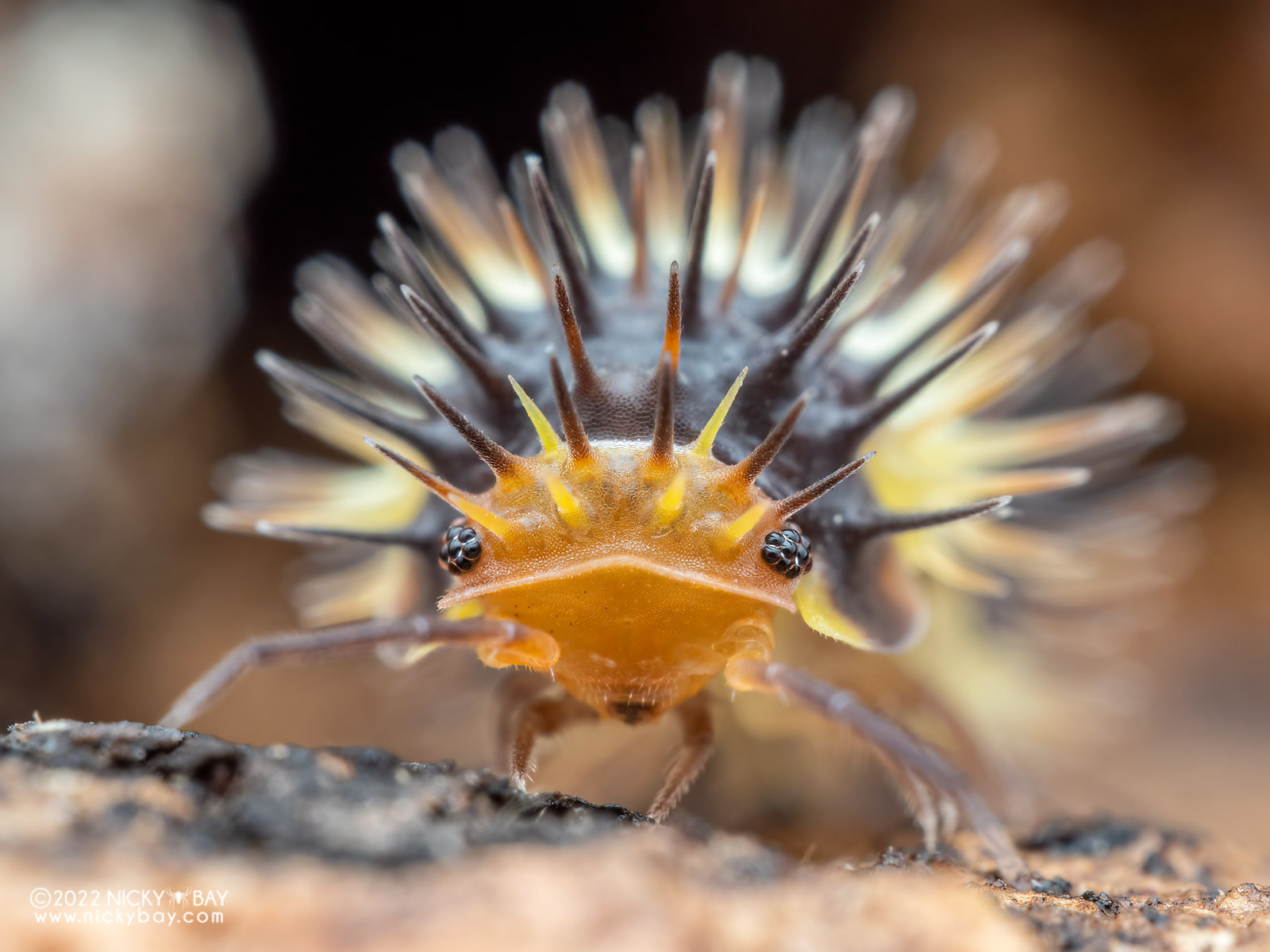
Isopod Site
Pillbugs, sowbugs, roly-polies and woodlice, collectively referred to as isopods, are land-dwelling crustaceans that feed on decaying organic matter.
🌏 East Asia and the Pacific Islands

East Asia (CJKM + ASEAN) + Pacific Islands (Micronesia, Polynesia, Melanesia)
수랕 이나와 (Surat Inawa) — a Filipino phonetic alphabet adapted from the original scientific script of King Sejong
수랕 이나와 (Surat Inawa)
수랕 이나와 (Surat Inawa)
수랕 이나와 (Surat Inawa) — a Filipino phonetic alphabet adapted from the original scientific script of King Sejong
수랕 이나와 (Surat Inawa)
수랕 이나와 (Surat Inawa)