


The Illegal Immigration Reform and Immigrant Responsibility Act of 1996 (IIRAIRA), is a law enacted as division C of the Omnibus Consolidated Appropriations Act of 1997 which made major changes to the Immigration and Nationality Act of 1952 (INA). IIRAIRA's changes became effective on April 1, 1997.
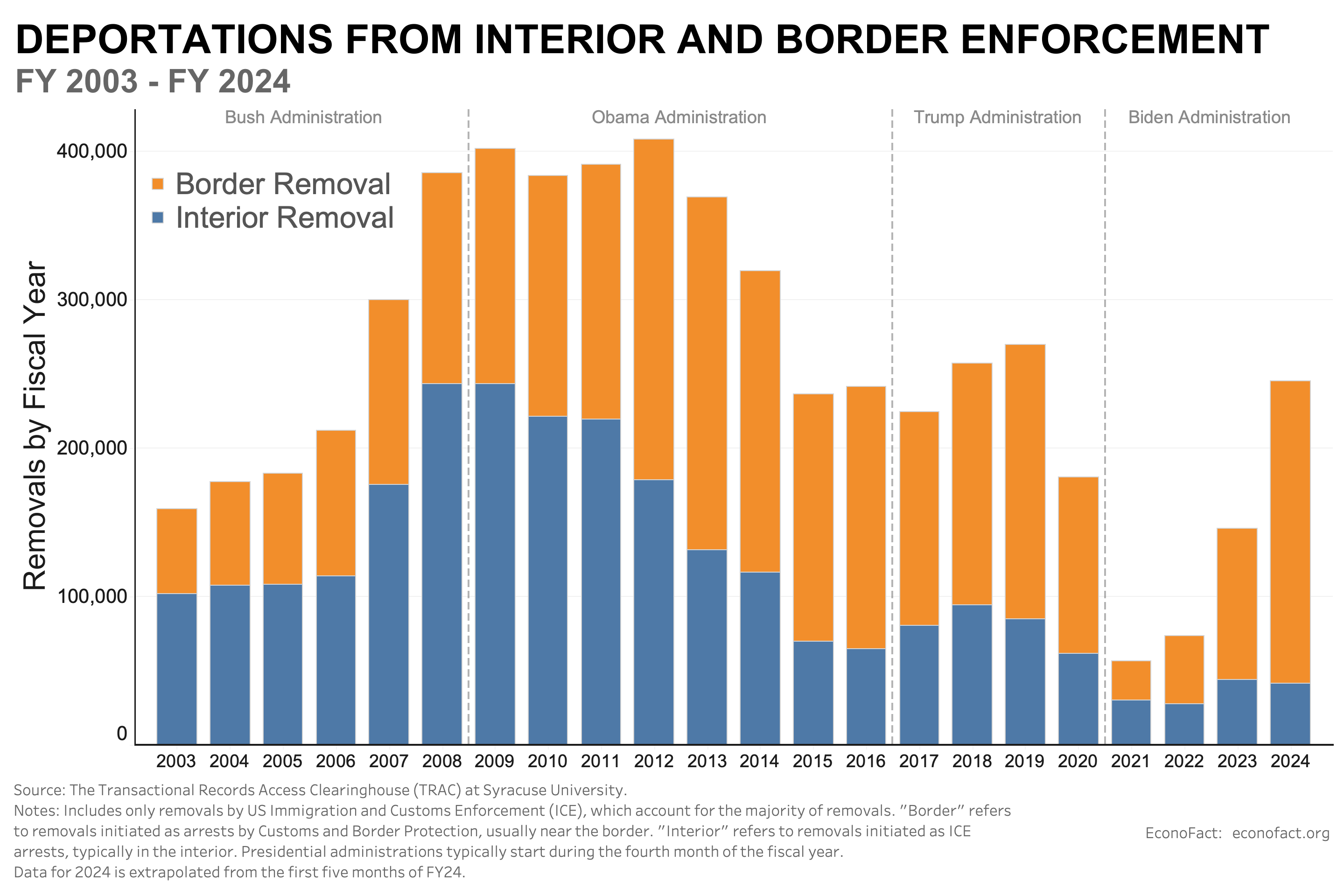
Immigrant Deportations: Trends and Impacts | Econofact
Research on previous episodes of increased immigration enforcement sheds light on the impact deportations can have on labor markets, crime, and civic life.
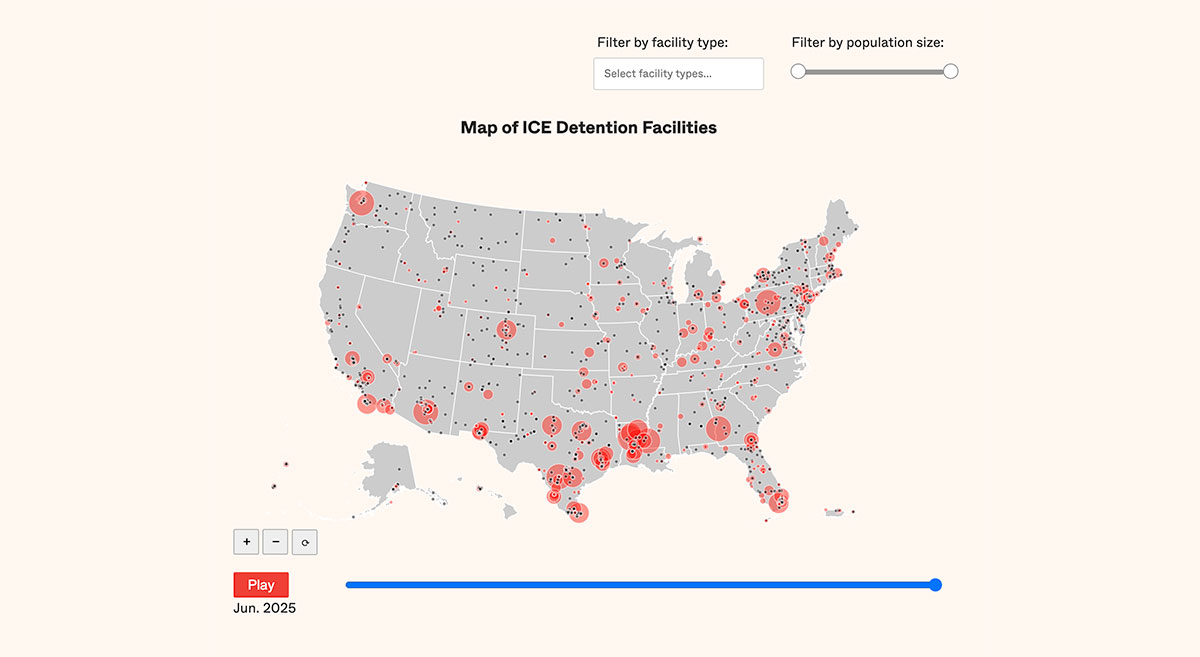
Deportation Data Project
The Deportation Data Project obtains, posts, and analyzes internal U.S. government immigration enforcement data via public records litigation.
ICE Detention Trends | Vera Institute of Justice
Every year, U.S. Immigration and Customs Enforcement (ICE) subjects hundreds of thousands of people to civil immigration detention—a practice that is unjust, inhumane, and completely unnecessary. It does so under a veil of secrecy, sharing only limited, often error-prone statistics with the public. ICE’s failure to regularly release accurate, complete, and accessible data to the public enables it to operate its multi-billion-dollar detention network with impunity and little oversight.
Opinion | A terrifyingly common ICE tactic targets lawful green card applicants
Arresting legal immigrants at their immigration appointments has become part of a new and terrifyingly common strategy for immigration enforcement.

USA: "We had whistles, they had guns": Human Rights Violations in U.S. Immigration Enforcement Operations and the Case to Abolish ICE - Amnesty International
Amnesty International has documented that, since taking office on 20 January 2025, the Trump administration has subjected migrants, asylum seekers and refugees to a wide range of human rights violations. The administration is implementing a mass detention and deportation system, fuelled by racist, xenophobic and false narratives and white supremacist theories, whose objective is to […]

USA: « We had whistles, they had guns »: Human Rights Violations in U.S. Immigration Enforcement Operations and the Case to Abolish ICE
Amnesty International has documented that, since taking office on 20 January 2025, the Trump administration has subjected migrants, asylum seekers and refugees to a wide range of human rights violations. The administration is implementing a mass detention and deportation system, fuelled by racist, xenophobic and false narratives and white supremacist theories, whose objective is to […]

Resources - National Immigration Law Center
Explore NILC’s resources. Check out expert-curated guides, toolkits, policy briefs, and more addressing key issues impacting immigrant communities.

Citizenship (Amendment) Act, 2019
The Citizenship (Amendment) Act, 2019 (CAA) was passed by the Parliament of India on 11 December 2019. It amended the Citizenship Act, 1955 by providing an accelerated pathway to Indian citizenship for persecuted refugees of religious minorities from Afghanistan, Bangladesh and Pakistan who arrived in India by 2014. The eligible minorities were stated as Hindus, Sikhs, Buddhists, Jains, Parsis or Christians.[3][4] The law does not grant such eligibility to Muslims from these countries.[5][6][7] Additionally, the act excludes 58,000 Sri Lankan Tamil refugees, who have lived in India since the 1980s. The act was the first time that religion had been overtly used as a criterion for citizenship under Indian law, and it attracted global criticism.[7][a][b][c]
Latinxs in <i>La Migra</i> : Why They Join and Why It Matters
Once an exclusively white enterprise, the last forty-five years have witnessed the emergence of a disproportionately Latinx immigration law enforcement workforce. This article addresses the question of why Latinxs elect to work for agencies that have systematically targeted the ethnic communities to which they belong. Where existing scholarship has often implied Latinxs may self-select into immigration law enforcement due to a lack of identification with the immigrant-experience, a dissociation with ethnic identity, and generally restrictionist immigration attitudes, this article finds little empirical evidence to support such an assumption. Analysis of interviews with sixty-one Latinx Immigration and Customs Enforcement (ICE) agents across Arizona, California, and Texas reveals, instead, Latinxs elect to work in immigration law enforcement in service of economic self-interest and survival, with “money,” “a good job,” and “benefits” cited as the primary motivation(s) behind applying for and accepting a job in immigration. This pattern holds irrespective of individual agents’ levels of identification with the immigrant-experience and particular attitudes toward immigration, and suggests a diversity in the demographics of immigration law enforcement agencies that extends beyond mere race and ethnicity, to include a diversity of perspective and potential for empathy.

Latinxs in <i>La Migra</i> : Why They Join and Why It Matters
Once an exclusively white enterprise, the last forty-five years have witnessed the emergence of a disproportionately Latinx immigration law enforcement workforce. This article addresses the question of why Latinxs elect to work for agencies that have systematically targeted the ethnic communities to which they belong. Where existing scholarship has often implied Latinxs may self-select into immigration law enforcement due to a lack of identification with the immigrant-experience, a dissociation with ethnic identity, and generally restrictionist immigration attitudes, this article finds little empirical evidence to support such an assumption. Analysis of interviews with sixty-one Latinx Immigration and Customs Enforcement (ICE) agents across Arizona, California, and Texas reveals, instead, Latinxs elect to work in immigration law enforcement in service of economic self-interest and survival, with “money,” “a good job,” and “benefits” cited as the primary motivation(s) behind applying for and accepting a job in immigration. This pattern holds irrespective of individual agents’ levels of identification with the immigrant-experience and particular attitudes toward immigration, and suggests a diversity in the demographics of immigration law enforcement agencies that extends beyond mere race and ethnicity, to include a diversity of perspective and potential for empathy.
Tracking the Historic Rise of Habeas Cases Filed by Detained Immigrants
ProPublica is tracking the historic rise in challenges filed by immigrants claiming their detention is illegal.

ICE observer/immigrant solidarity guides

Immigration in the US. See also ICE emergency guides: semble.so/profile/aiueo.ooo/collections…
Third-country removals
Search terms: ICE, CBP
ICE emergency guides
Immigration in the US. See also ICE observer guides: semble.so/profile/aiueo.ooo/collections…
Collection of collections: Immigration in the US
Including protests against ICE, deportations/removals from the US, information for non-citizens traveling to the US, etc.
Immigration in the US (unsorted)
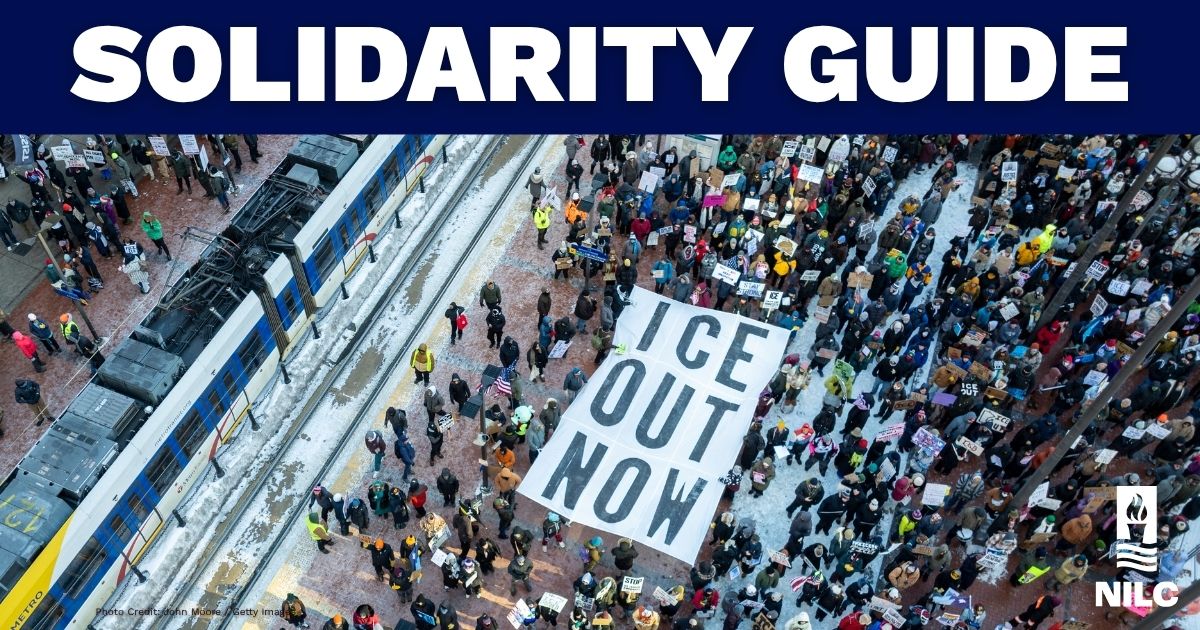
Solidarity Guide for Defending Immigrant Communities

What Philadelphia Can Learn From Minneapolis’s ICE Resistance

Crucial Tips On Safely Observing and Documenting ICE Activity ~ L.A. TACO

What to Do When You See ICE in Your Neighborhood

Toolkit: Lost in the US immigration detention system — Freedom for Immigrants

Read This If Your Loved One Has a Final 'Removal Order' ~ L.A. TACO
What to Do if You Are Arrested or Detained by Immigration

Know Your Rights: Five Things Parents Detained by ICE Should Know
How to Find a Loved One After a U.S. Immigration Arrest

What To Do If ICE Stops You In a Car, On a Bus, Or In a Train ~ L.A. TACO
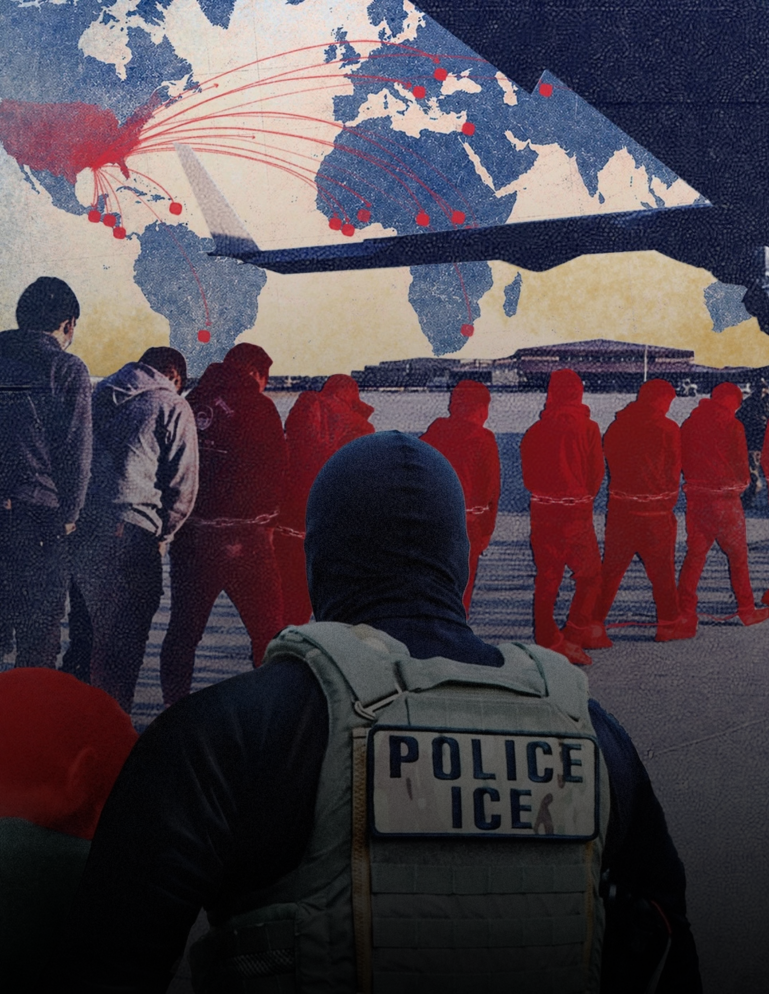
The Deportation Project: Inside the Trump administration's secret deals to expel people worldwide - Forbidden Stories

What is Trump’s third-country deportation policy and who does it target?

Banished to alien lands: Trump’s secret deportation deals

Exactly. I’ve been saying this since I started the tracker last year, and it’s why I don’t call them deportations. gillianbrockell.com/track…

EXCLUSIVE: Cuban Asylum Seeker Deported to Africa Without ID, Money, or Cell Phone ~ L.A. TACO
Third-country deportations: Guantanamo Bay (by あ) — Semble
Immigration in the US (unsorted) (by あ) — Semble
Third-country deportations: Guantanamo Bay (by あ) — Semble
Third-country deportations: CECOT (by あ) — Semble
Cybersecurity/privacy guides (by あ) — Semble
Third-country deportations (by あ) — Semble
Specific people detained, deported, or killed by ICE (by あ) — Semble
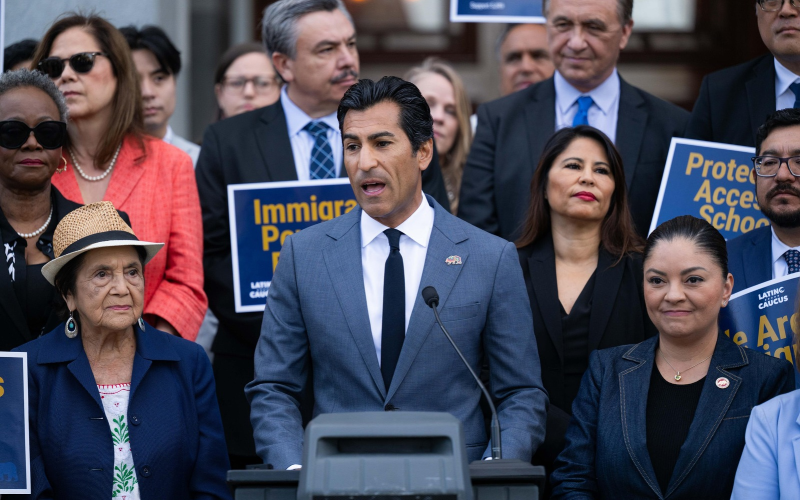
21 New California Immigration Laws: What Changes For Families?

New ICE Arrest Rules In Los Angeles: What Changed

ICE Arrests In California: What Southern California Families Should Know

California’s New Immigration Laws 2026: What AB 1633, AB 1806 And AB 1807 Mean

Immigrants with final deportation orders disappear from ICE detainee locator
USA: "We had whistles, they had guns": Human Rights Violations in U.S. Immigration Enforcement Operations and the Case to Abolish ICE - Amnesty International