The issue-based information system (IBIS) is an argumentation-based approach to clarifying wicked problems—complex, ill-defined problems that involve multiple stakeholders. Diagrammatic visualization using IBIS notation is often called issue mapping.
Main Page — ibis.wiki
Ibis is a federated encyclopedia which uses the ActivityPub protocol, just like Mastodon or Lemmy. Users can create, browse, edit articles and use many other features. If you want to start a wiki for a TV series, a videogame, or an open source project then Ibis is for you! You can register on an existing instance or install it on your own server. Then you can start editing on the topic of your choice, and connect to other Ibis instances for different topics. Federation ensures that articles get mirrored across many servers, and can be read even if the original instance goes down. Ibis is fully open source to make future enshittification impossible.
Issue Cards | Service Design Tools
Support the conversation around complex matters by breaking down the subject into physical cards.

Regular exchange of issues between lab members to share research tasks
At the start of this project, we suggested that our graph-based "issue dashboards" would be used widely by members ...

How to Make Sense of Any Mess
Information Architecture for Everybody. Based on a book by Information Architect, Abby Covert.
The issue tracker that runs inside the loop.
A local-first issue tracker for coding agents and the humans steering them. Queries in 4ms, on your own machine.
MATSUlab-issue-exchange-analysis/output/evidence_bundles/evd5-issue-funnel at main · DiscourseGraphs/MATSUlab-issue-exchange-analysis
Metrics and evidence bundles from an analysis of the MATSUlab discourse graph: issue exchange, knowledge production, and researcher onboarding - DiscourseGraphs/MATSUlab-issue-exchange-analysis
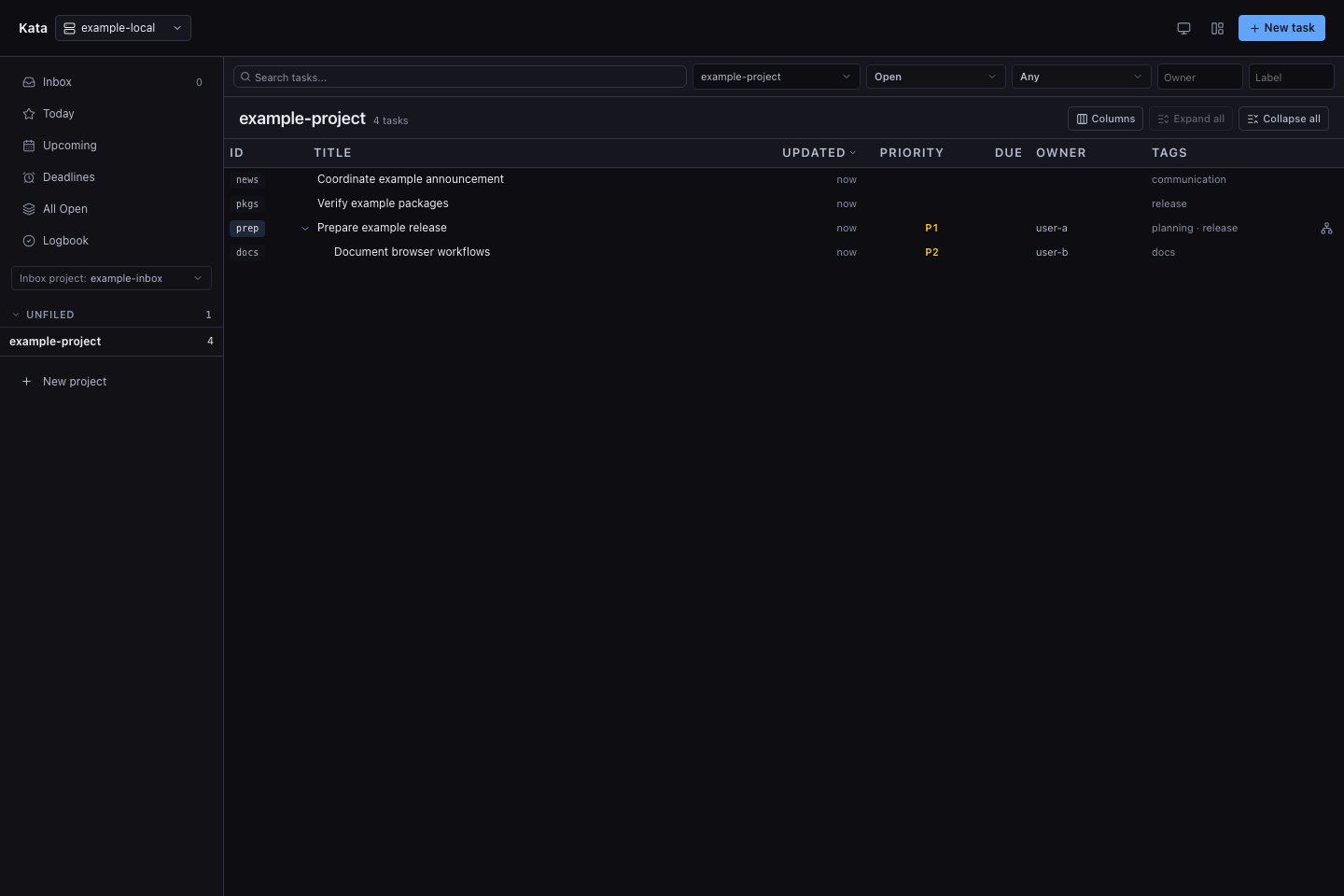
kenn-io/kata
Local-first issue tracking for AI-assisted software work, with an agent-friendly CLI and human-facing TUI
A Beginner's Guide To Information Architecture in UX [2025]
What is information architecture? Why is it so important, and how does it relate to UX design? Find out why IA is so crucial in this expert guide.

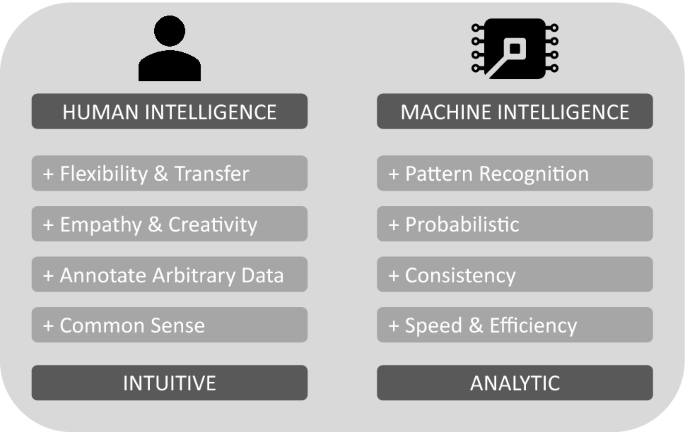
Issue tracking is dead – Linear
The next era of product development is built on context and agency. Here's how Linear is evolving. And what we're launching today.

New AI Flaw Reporting System Fills Crucial Security Gap | CMU Software Engineering Institute
Flaw Reporting for AI (FLARE-AI) allows developers and security researchers to submit artificial intelligence flaws for formal, coordinated disclosure.

Issue Trees, Hypothesis Trees and SCQA - the Minto Pyramid Principles
The Agentic Systems Series - The Agentic Systems Series
Welcome to the complete guide for building AI coding assistants that actually work in production. This comprehensive three-book series takes you from fundamental concepts to implementing enterprise-ready collaborative systems.
Logial Thinking Process (LTP) / Issue Tree App and Exploration - Issue Trees & Logical Thinking Process
Collaboration of Rufus Pollock with David Joseph to build tooling for structured thinking — specifically a Logical Thinking Process (LTP) / Issue Tree app. Both David and Rufus share a long-standing desire to improve public discourse and improve collaboration: aligning efforts to goals, making claims or hypotheses and their logical structure clearer (claim-trees), allowing debate to accumulate, mapping evidence clearly to specific sub-claims.