

In economics, the Jevons paradox, or Jevons effect, is said to occur when technological improvements that increase the efficiency of a resource's use lead to a rise, rather than a fall, in total consumption of that resource. Greater efficiency reduces the amount of the resource needed per application, lowering its effective cost; if demand is sufficiently price elastic, this induces demand, frequently resulting in a net increase of total resource consumption.
Jevons paradox
The Jevons paradox or Jevons effect is an economic phenomenon said to occur when technological improvements that increase the efficiency of a resource's use lead to a rise, rather than a fall, in total consumption of that resource. Greater efficiency reduces the amount of the resource needed per application, lowering its effective cost; if demand is sufficiently price elastic, this induces demand, frequently resulting in a net increase of total resource consumption.

The Jevons Paradox of AI - Wesley's notes
Why AI can make us more productive but will never save us time
Unfortunately, You Need to Know What the Jevons Paradox is
Unfortunately, You Need to Know What the Jevons Paradox is
Jevons Paradox: A personal perspective
What if the most game-optimal play in the new system is actually to become relentlessly, unapologetically you?

The Profit Paradox
Wirth's law
Wirth's law is Niklaus Wirth's variant of the Jevons paradox: Software is getting slower more rapidly than hardware is getting faster.
annotations: Les mécanismes de la malédiction des ressources
traduction française du billet de blog "The economic nature of the resource curse: Mechanisms" de Daron Acemoglu & James Robinson
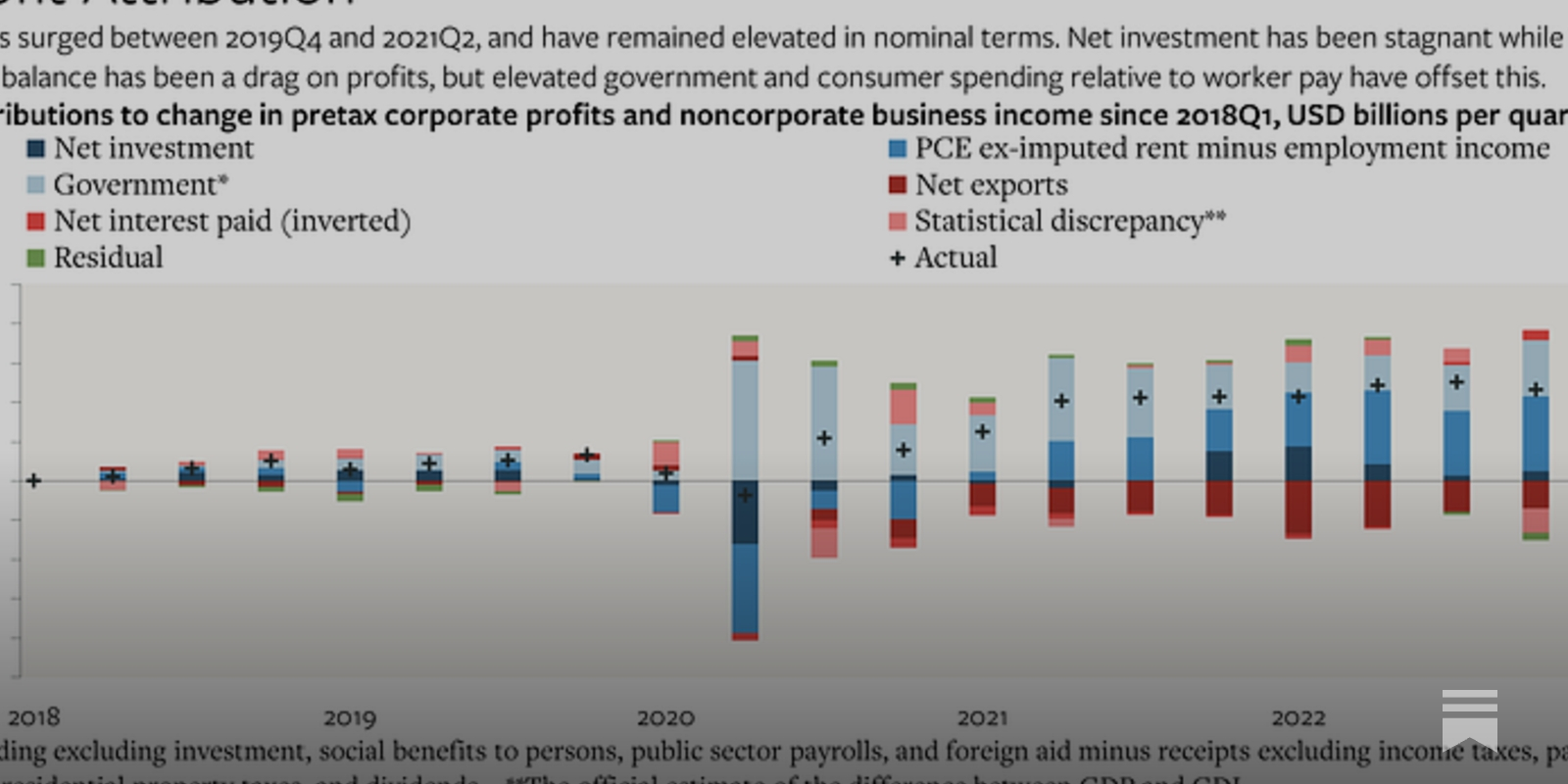
"Greedflation" and the Profits Equation
The assumption behind the "greedflation" thesis is that companies are choosing to squeeze volumes because they care more about unit margins than total profits. There are other possibilities.
Le paradoxe de l’innovation
La hausse des dépenses de recherche et développement (R&D) ne stimule pas nécessairement la productivité aux États-Unis, les géants industriels se consacrant à défendre leur territoire

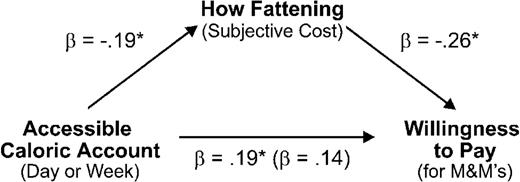
Unfixed Resources: Perceived Costs, Consumption, and the Accessible Account Effect
Abstract. Consumption depletes one's available resources, but consumers may be unaware of the total resources available for consumption and, therefore, be
Uneconomic growth
Uneconomic growth is economic growth that reflects or creates a decline in the quality of life. The concept is used in human development theory, welfare theory, and ecological economics. It is usually attributed to ecological economist Herman Daly, though other theorists may also be credited for the incipient idea, According to Daly, "uneconomic growth occurs when increases in production come at an expense in resources and well-being that is worth more than the items made." The cost, or decline in well-being, associated with extended economic growth is argued to arise as a result of "the social and environmental sacrifices made necessary by that growing encroachment on the eco-system."

The Fallacy of Endless Economic Growth
What economists around the world get wrong about the future.

Regenerative Economics - Principles
Our hope is that the Regenerative Economics materials act like a wildflower, taking root in even the smallest of cracks and spreading seeds to change the way economics is understood by young people around the world. The guiding principles: Facilitate change from the ground up: We recognise the

The Optimization Trap: Why Too Much Efficiency Makes Us Fragile with Olivier Hamant
Quotes
I have a theory, which has not let me down so far, that there is an inverse relationship between imagination and money. Because the more money and technology that is available to [create] a work, the less imagination there will be in it.