


Johannes Kepler was a German polymath who was an astronomer, mathematician, astrologer, natural philosopher and music theorist. He is a key figure in the 17th-century Scientific Revolution, best known for his laws of planetary motion, and his books Astronomia nova, Harmonice Mundi, and Epitome Astronomiae Copernicanae. The variety and impact of his work made Kepler one of the founders and fathers of modern astronomy, the scientific method, natural science, and modern science. He has been described as the "father of science fiction" for his novel Somnium.
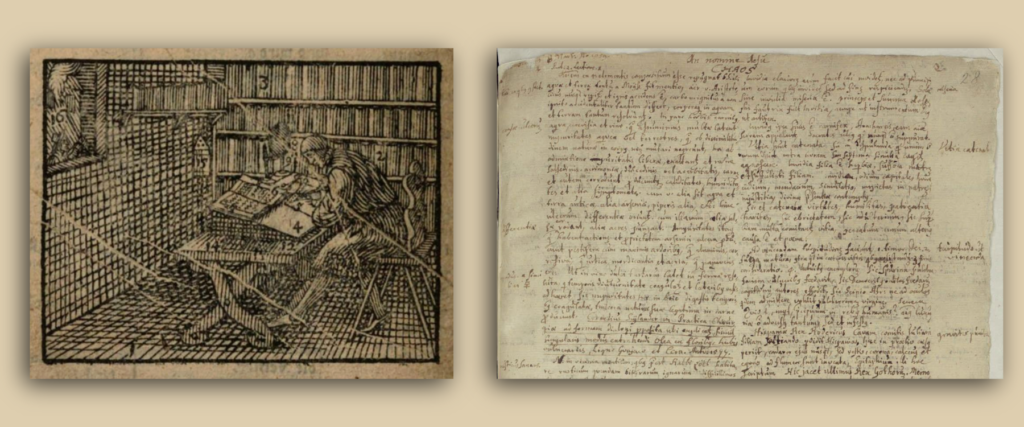
Ernst Chladni
Ernst Florens Friedrich Chladni was a German physicist and musician. His most important work, for which he is sometimes labeled the father of acoustics, included research on vibrating plates and the calculation of the speed of sound for different gases. He also undertook pioneering work in the study of meteorites and is regarded by some as the father of meteoritics.

We need more tiny knowledge projects—here’s one
Crowdsourcing dynamic illustrations for a new astronomy book by Terry Tao and Tanya Klowden. The other day I was reading the sample chapter of a new book by Terence Tao and Tanya Klowden, on the so-called cosmic distance ladder. It’s a lovely piece of writing. The chapter tells the story of how Johannes Kepler, using data collected by Tycho Brahe, solved the puzzle of planetary motion. It puts us in the discoverers’ shoes: instead of working backwards from Kepler’s equations, we work forwards from the inexp

Peter Plavchan on Twitter / X
Came across this beauty of a Research Note. Looks like it was done by someone at JPL with a HS student. Pulled period and semi-major axis for Kepler and TESS transiting planets from the NASA Exoplanet archive, and verified Kepler's 3rd law. https://t.co/JSIlg6Aw5s— Peter Plavchan (@PlavchanPeter) September 27, 2024
The Coming Second Copernican Revolution | NOEMA
Astrobiology is rewiring our understanding of the intimate connection between life and planets as they appear in the universe.

Thomas Simpson
Thomas Simpson FRS was a British mathematician and inventor known for the eponymous Simpson's rule to approximate definite integrals. The attribution, as often in mathematics, can be debated: this rule had been found 100 years earlier by Johannes Kepler, and in German it is called Keplersche Fassregel, or roughly "Kepler's Barrel Rule".

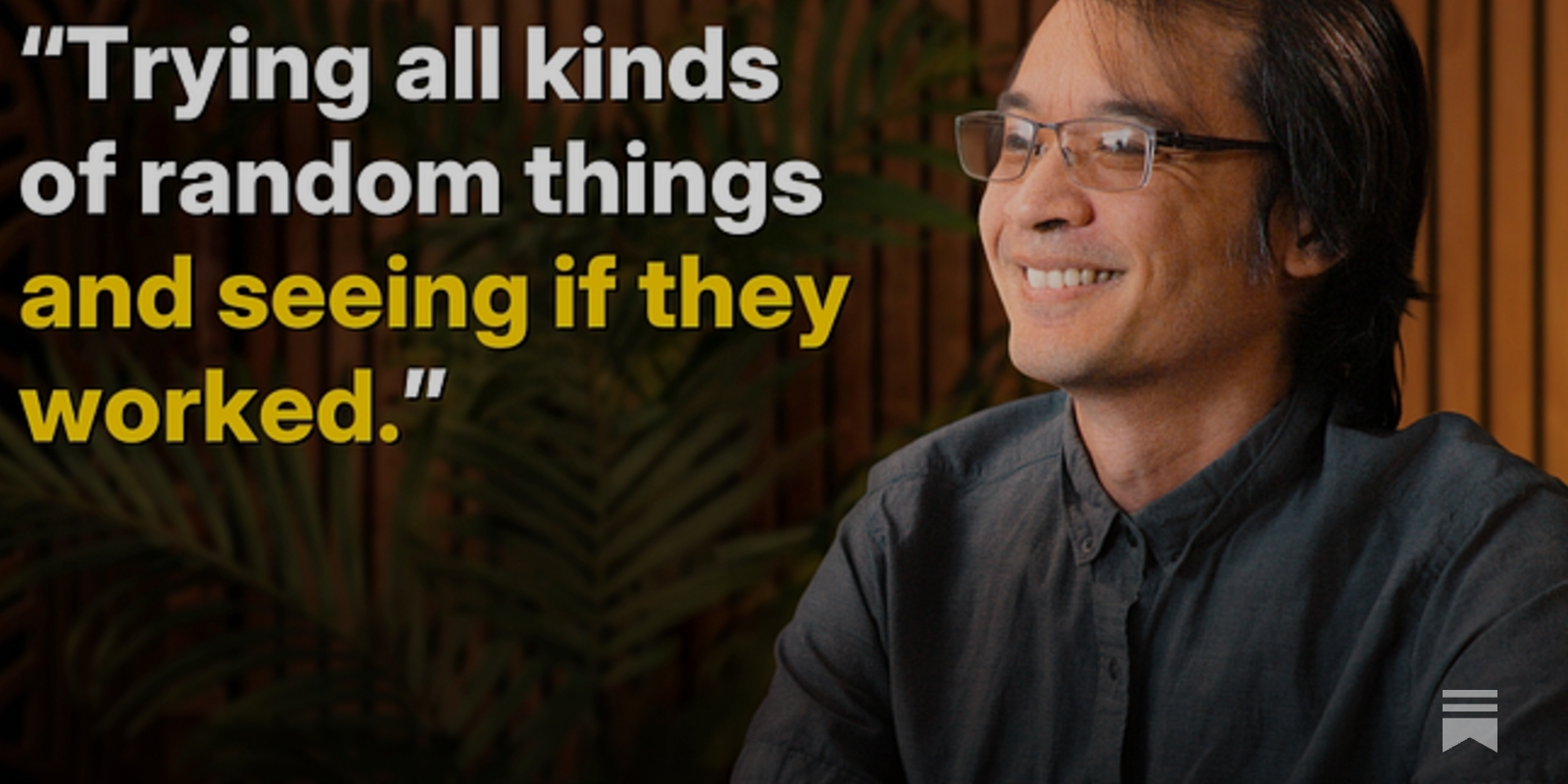
Terence Tao – Kepler, Newton, and the true nature of mathematical discovery
“And what those stories teach us about how AI will revolutionize math”
Marxist Astronomy: The Milky Way According to Anton Pannekoek
Can a person’s experiences on earth alter how they perceive the stars? Lauren Collee peers through the telescope of Anton Pannekoek, the Dutch astronomer whose politics informed his human approach to studying the cosmos.

Parmenides
Parmenides of Elea, active in the earlier part of the 5th c. BCE,authored a difficult metaphysical poem that has earned him areputation as early Greek philosophy’s most profound andchallenging thinker. His philosophical stance has typically beenunderstood as at once extremely paradoxical and yet crucial for thebroader development of Greek natural philosophy and metaphysics. Hehas been seen as a metaphysical monist (of one stripe or another) whoso challenged the naïve cosmological theories of his predecessorsthat his major successors among the Presocratics were all driven todevelop more sophisticated physical theories in response to hisarguments. The difficulties involved in the interpretation of his poemhave resulted in disagreement about many fundamental questionsconcerning his philosophical views, such as: whether he actually was amonist and, if so, what kind of monist he was; whether his systemreflects a critical attitude toward earlier thinkers such as theMilesians, Pythagoreans, and Heraclitus, or whether he was motivatedsimply by more strictly logical concerns, such as the paradox ofnegative existentials that Bertrand Russell detected at the heart ofhis thought; whether he considered the world of our everydayawareness, with its vast population of entities changing and affectingone another in all manner of ways, to be simply an illusion, and thuswhether the lengthy cosmological portion of his poem represented agenuine attempt to understand this world at all. This entry aims toprovide an overview of Parmenides’ work and of some of the majorinterpretive approaches advanced over the past few decades. Itconcludes by suggesting that understanding his thought and his placein the development of early Greek philosophy requires taking dueaccount of the fundamental modal distinctions that he was the first toarticulate and explore with any precision.
Paul Feyerabend
Paul Feyerabend (b.1924, d.1994), having studied science at theUniversity of Vienna, moved into philosophy for his doctoral thesis,made a name for himself both as an expositor and (later) as a critic ofKarl Popper's “critical rationalism”, and went on to becomeone of the twentieth century's most famous philosophers of science. Animaginative maverick, he became a critic of philosophy of scienceitself, particularly of “rationalist” attempts to lay downor discover rules of scientific method.
The Original Attention Crisis - Cal Newport
I recently heard from a historian of science at All Souls College, Oxford. He forwarded me an essay he wrote about Nicolaus Steno, a seventeenth-century ... Read more
Benoit Mandelbrot
Benoit B. Mandelbrot was a Polish-born French-American mathematician and polymath with broad interests in the practical sciences, especially regarding what he labeled as "the art of roughness" of physical phenomena and "the uncontrolled element in life". He referred to himself as a "fractalist" and is recognized for his contribution to the field of fractal geometry, which included coining the word "fractal", as well as developing a theory of "roughness and self-similarity" in nature.

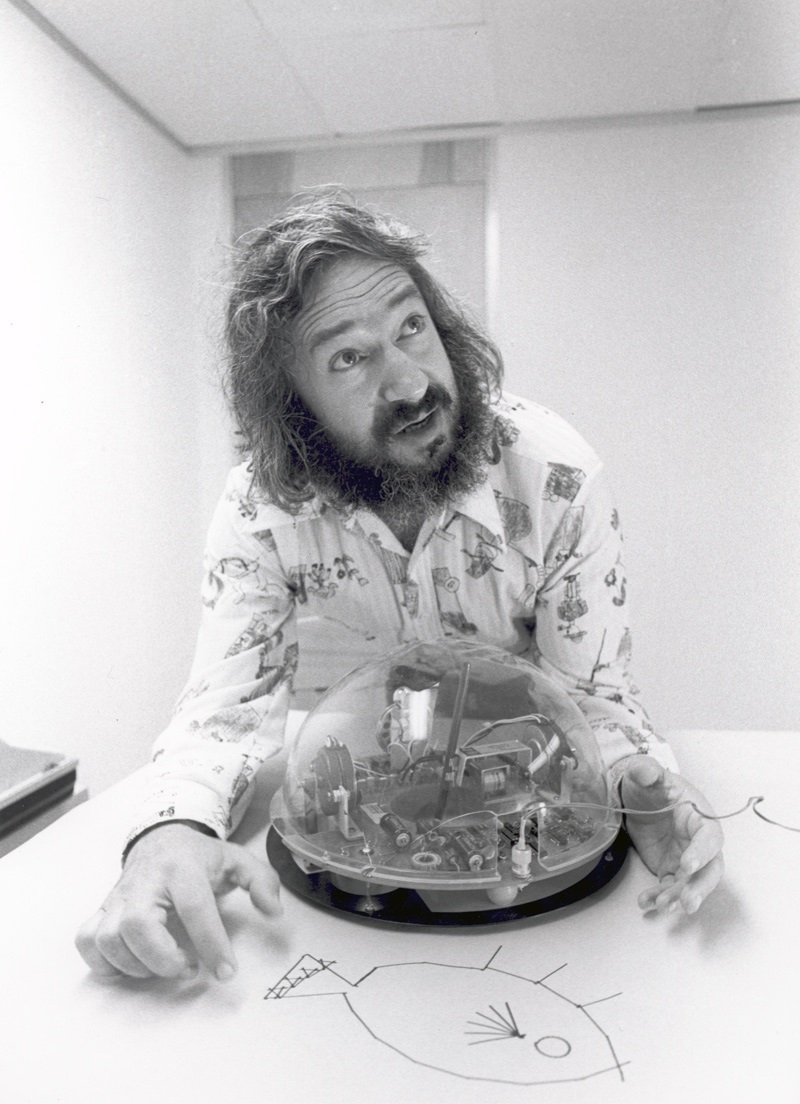
Seymour Papert
Seymour Aubrey Papert was a South African-born American mathematician, computer scientist, and educator, who spent most of his career teaching and researching at the Massachusetts Institute of Technology. He was one of the pioneers of artificial intelligence, and of the constructionist movement in education. He was co-inventor, with Wally Feurzeig and Cynthia Solomon, of the Logo programming language.
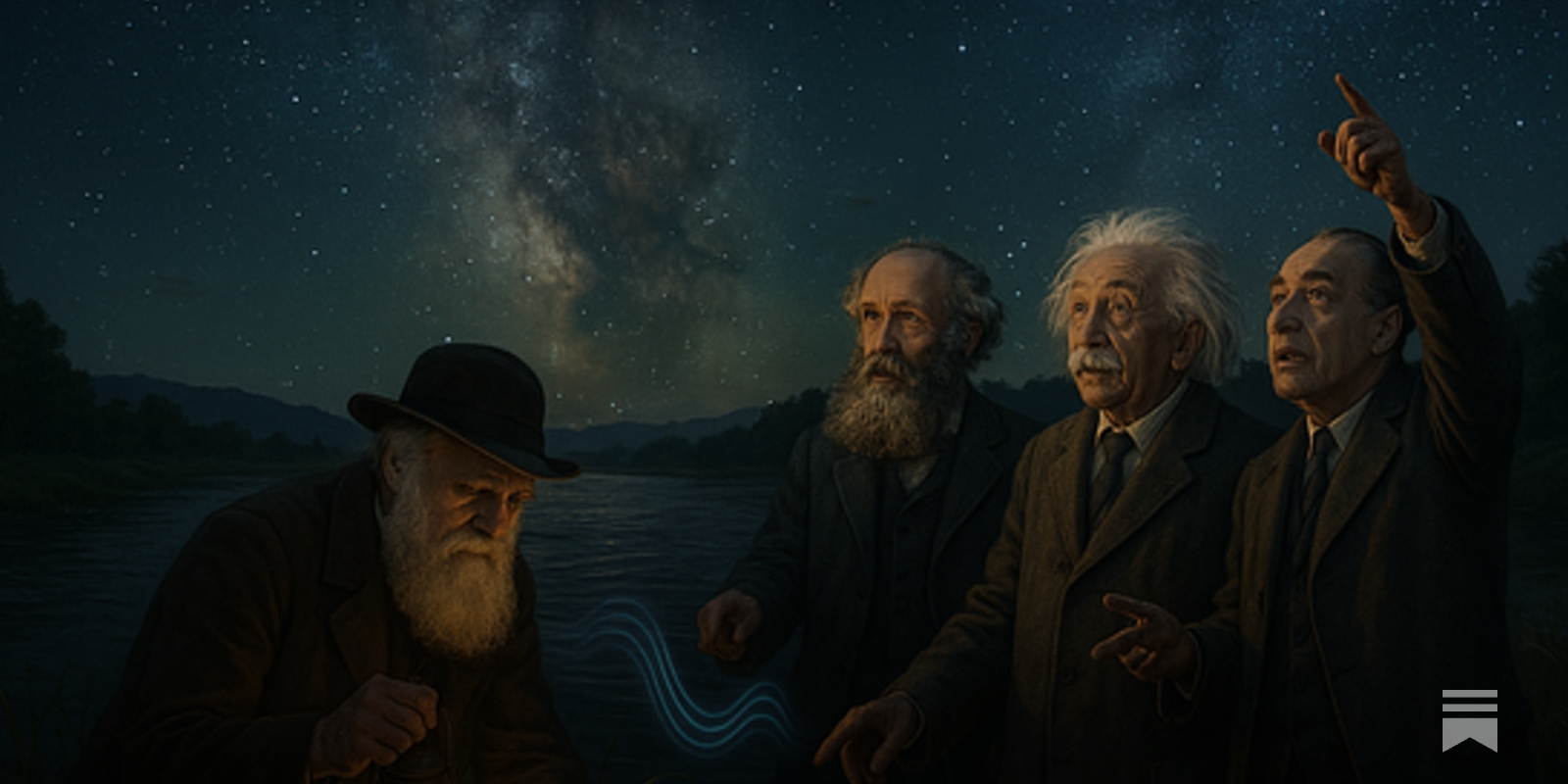
The Philosophical Implications of the Second Scientific Revolution
Notes from my history of philosophy course lecture on Darwin, Maxwell, Einstein, and Bohr
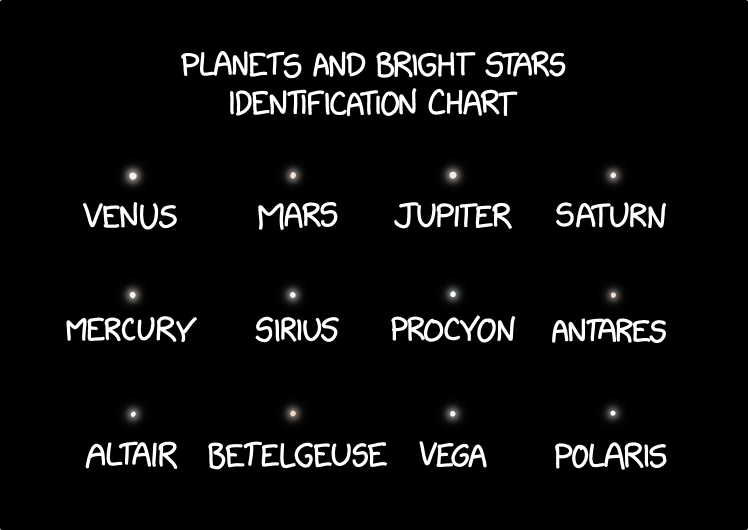
Planets and Bright Stars
This work is licensed under a Creative Commons Attribution-NonCommercial 2.5 License.
The great German polymath Johann Wolfgang von Goethe was born #onthisday in 1749. As well as penning novels, poetry, criticism, and dramas, he also wrote various scientific treatises, including his 1810 book Zur Farbenlehre (Theory of Colours): publicdomainreview.org/essay/black-on-black #OTD
The great German polymath Johann Wolfgang von Goethe was born #onthisday in 1749. As well as penning novels, poetry, criticism, and dramas, he also wrote various scientific treatises, including his 1810 book Zur Farbenlehre (Theory of Colours): publicdomainreview.org/essay/black-on-black #OTD
