In logic and philosophy, "laws of thought" is a dated expression referring to three logical principles: the law of identity (LOI), the law of non-contradiction (LNC), and the law of excluded middle (LEM).[1]
Law of identity
In logic, the law of identity states that each thing is identical with itself, or symbolically a = a. It applies to singular terms, and is a tautology.
Directing large language models to follow the letter or spirit of the law
The distinction between the spirit and letter of the law is a central issue across research and everyday life, and a growing concern for building safe, intelligent machines. What is this distinction based on, and how can we develop machines that follow the intention behind a rule? We used targeted adaptation that made large language models prioritize the spirit or letter of the law. With minimal modifications, our method significantly changed LLM behavior across diverse measures, novel vignettes, real-world scenarios, and influential legal cases. An analysis of model internals revealed a low-dimensional space with three interpretable dimensions matching a formal pre-specified framework for the geometry of legal concepts. These findings show how legal thought in LLMs may be organized and directed.

“Thinking Like a Lawyer” Is Bad, Actually
Your least favorite law professor’s favorite mantra covers up some ugly truths about whose interests the legal system protects.

Sanderson's Second Law
Sanderson’s Second Law A few years back, I wrote an essay on creating magic systems that I titled Sanderson’s First Law. It had to do with the nature of foreshadowing as it relates to solving problems with magic. In that essay, I implied that I had other “laws” for magic systems that I’d someday talk about. Well, that

How Police Make Up The Law (ft. LegalEagle)
The Laws of Simplicity
John Maeda's book, The Laws of Simplicity, proposes ten laws for simplifying complex systems in business and life. Think of it as simplicity 101.

What is First Principles Thinking?
First Principles thinking breaks down true understanding into building blocks we can reassemble into something that simplifies our problem.
What is First Principles Thinking?
First Principles thinking breaks down true understanding into building blocks we can reassemble into something that simplifies our problem.
Summary: Thinking in Systems (by Donella H. Meadows)
The main argument of the book: Everything in this world is made of systems. While we cannot fully understand systems, we can observe them…
Editor's Notes: Can We Defy Courts While Believing In Rule of Law?
Do our tactics throw out democracy and rule of law while purportedly aiming at saving them?
Home | Laws of UX
Laws of UX is a collection of best practices that designers can consider when building user interfaces.

Intuitionistic logic
Intuitionistic logic, sometimes more generally called constructive logic, refers to systems of symbolic logic that differ from the systems used for classical logic by more closely mirroring the notion of constructive proof. In particular, systems of intuitionistic logic do not assume the law of excluded middle and double negation elimination, which are fundamental inference rules in classical logic.
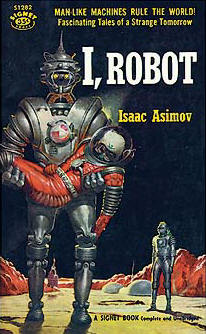
Three Laws of Robotics
The Three Laws of Robotics are a set of rules devised by science fiction author Isaac Asimov, which were to be followed by robots in several of his stories. The rules were introduced in his 1942 short story "Runaround", although similar restrictions had been implied in earlier stories.
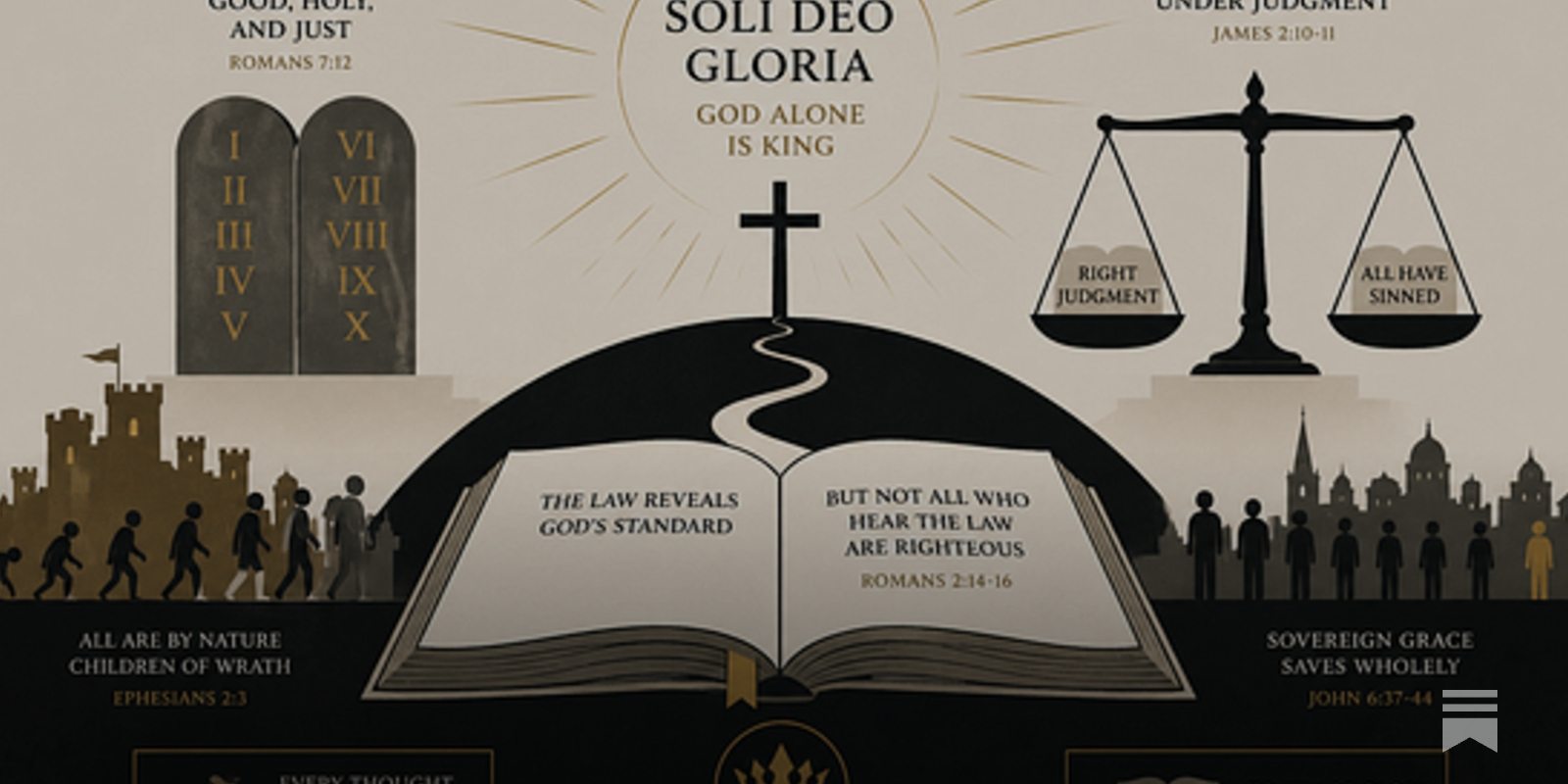
The King of Kings
Evolutionary Morality, the Judgment of Law, and the Necessity of God
Law.com | The Premier Source for Global Legal News & Analysis
Law.com delivers news, insights and resources that allow legal professionals to anticipate opportunities, adapt to change, and prepare for future success.
The problem with Elon Musk’s ‘first principles thinking’
PLUS: Your last chance to sign up for a free 3-month trial.