

The concept of a "loneliness epidemic" relating to rising rates of social isolation was first described in the 2000s. Robert D. Putnam's 2000 study Bowling Alone was an early instance of describing loneliness as an epidemic, arguing that decreased participation in civic life and community groups was weakening social bonds in the United States.[5]
What is Causing Our Epidemic of Loneliness and How Can We Fix It?
Researchers share what Americans have to say about social disconnection and potential solutions

Researchers Confront an Epidemic of Loneliness (Published 2016)
Social isolation is linked to physical illness and to functional and cognitive decline. Programs to reach out to the elderly are growing, particularly in Britain.

How we can solve loneliness in America
An expert in loneliness says the U.S. is in a new "social frontier." Here's how we can cope

Loneliness in the United States: A 2018 National Panel Survey of Demographic, Structural, Cognitive, and Behavioral Characteristics
Purpose: To inform health behavior intervention design, we sought to quantify loneliness and its correlates, including social media use, among adults in the United States. Design: Cross-sectional research panel questionnaire. Setting: Responses were gathered from individuals in all 50 states surveyed via Internet from February 2018 to March 2018. Participants: A total of 20 096 US panel respondents aged 18+. Measures: The University of California at Los Angeles (UCLA) Loneliness Scale (theoretical score range = 20-80) was administered along with demographic, structural, cognitive, and behavioral items. Analysis: After calibrating the sample to population norms, we conducted multivariable linear regression analysis. Results: The overall mean survey-weighted loneliness score was 44.03 (standard error = 0.09). Social support (standardized β [sβ] = −0.19) and meaningful daily interactions (sβ = −0.14) had the strongest associations with lower loneliness, along with reporting good relationships, family life, physical and mental health, friendships, greater age, being in a couple, and balancing one’s daily time. Social anxiety was most strongly associated with greater loneliness (sβ = +0.20), followed by self-reported social media overuse (sβ = +0.05) and daily use of text-based social media (sβ = +0.03). Conclusion: Our findings confirm that loneliness decreases with age, and that being in a relationship as well as everyday behavioral factors in people’s control are most strongly related to loneliness. Population health promotion efforts to reduce loneliness should focus on improving social support, decreasing social anxiety, and promoting healthy daily behaviors.

CityNerd — Is It An Actual Thing? And Can Cities Fix It?
If you're like a lot of people, the whole idea of the "male loneliness epidemic" elicits a huge eye roll more than anything. Well, today we're digging into the research on why this is an emerging issue, and whether urban planning is part of the solution.
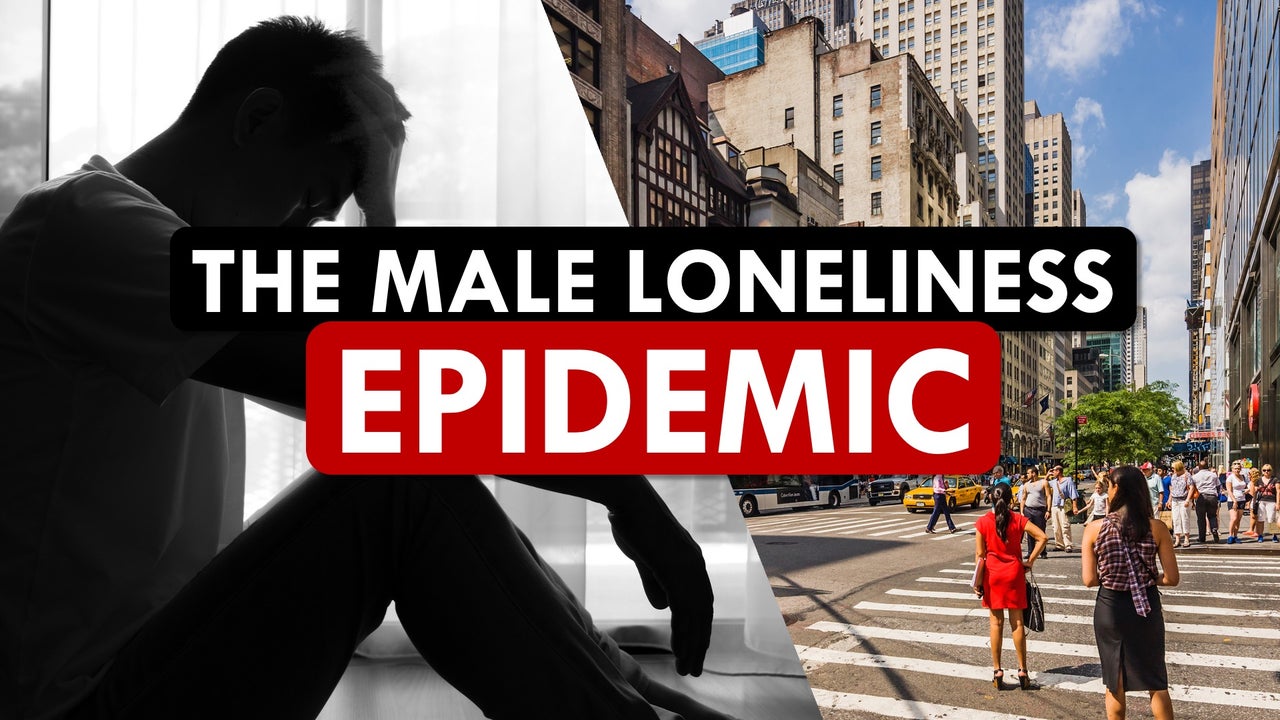
We've Lost the Spaces That Foster Friendship
We keep offering individual fixes for loneliness while ignoring the disappearance of the spaces where adults once built real relationships.

The loneliest generation: What it is like to grow up in England today | IPPR
A connected society is one in which we care about how others are doing and, in turn, others look out for our wellbeing. It is the state and public services
America has a loneliness epidemic. Here are 6 steps to address it
Lacking connection can increase the risk for premature death to levels comparable to smoking 15 cigarettes a day, according to a new advisory from the U.S. Surgeon General.
Young people five times more likely to have no friends than a decade ago | IPPR
The number of young people with no close friends has increased five-fold since 2014Gen Z are more isolated, more distressed and less productive than previo

Why Lonely People Stay Lonely
It’s not because they don’t understand social skills.

Nowhere to Go: The Loss of Third Places
How Social Isolation Is Killing Us (Published 2016)
Research confirms our deepest intuition: Human connection lies at the heart of human well-being.

The world’s happiest people have a beautifully simple way to tackle loneliness
Toad, a 20-year-old Danish woman living in Copenhagen, has been lonely her whole life. She is autistic, and as a child, did not have any friends. When she moved from the country to the city, not much changed. “They says it’s a phase, but a phase becomes a life,” she says, surrounded by six other young adults in a cozy apartment in Copenhagen—all of whom are working on becoming less lonely.

Intellectual Loneliness
I have a confession to make: I leave most parties early because I'd rather read a book. The world comes to life when I'm surrounded by ideas.

Loneliness epidemic

And related subjects
Loneliness Epidemic


Why You're Bored and Lonely: The Death of Third Places

Third Places Aren’t Gone. We Just Stopped Going.

The Disappearance of Third Places

Nowhere to Go: The Loss of Third Places

Impact of the COVID-19 pandemic on social media
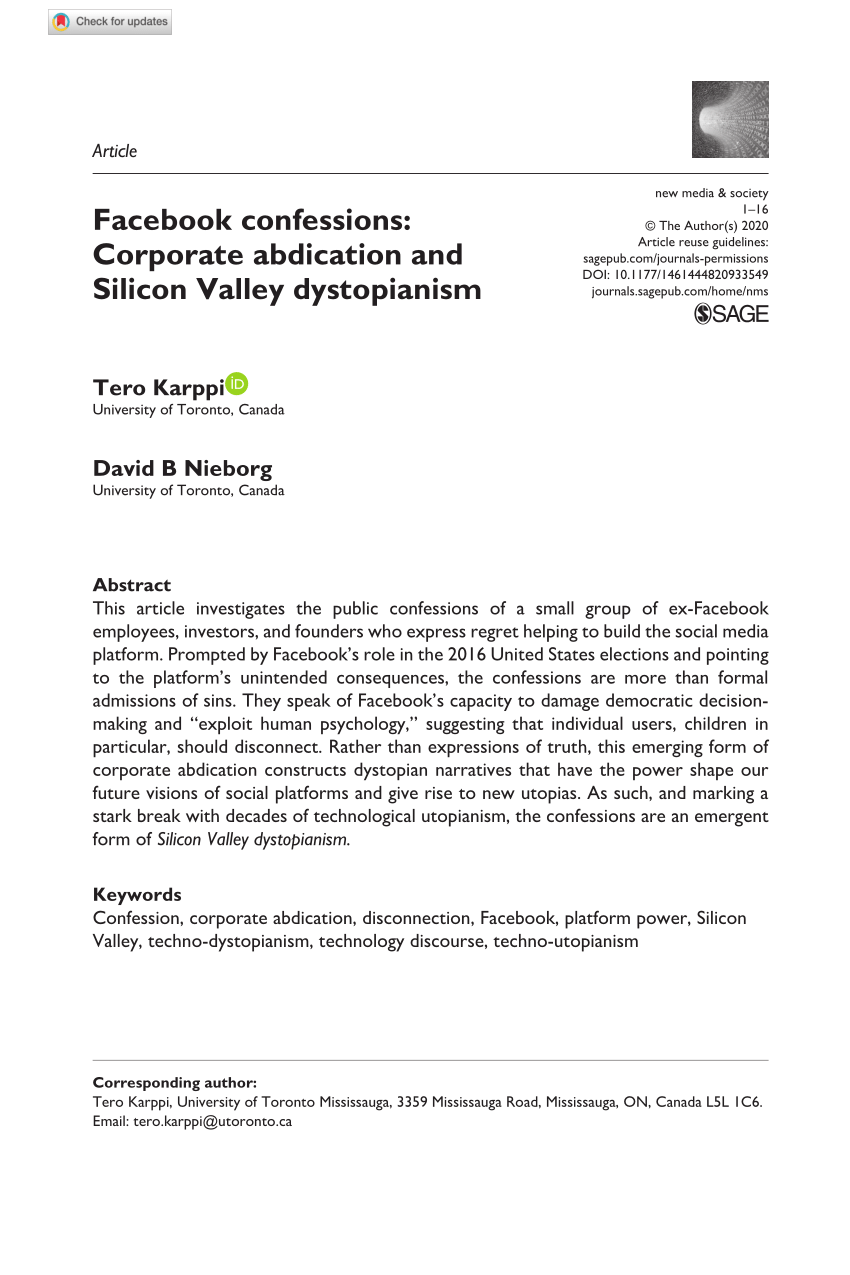
(PDF) Facebook confessions: Corporate abdication and Silicon Valley dystopianism

Americans’ Social Activity Has Steeply Declined in the Past 30 Years
Young people five times more likely to have no friends than a decade ago | IPPR
The loneliest generation: What it is like to grow up in England today | IPPR