

Mastery learning is an instructional strategy and educational philosophy that emphasizes the importance of students achieving a high level of competence (e.g., 90% accuracy) in prerequisite knowledge before moving on to new material. This approach involves providing students with individualized support and repeated opportunities to demonstrate mastery through assessments. If a student does not initially achieve mastery, they receive additional instruction and support until they do. Mastery learning is based on the idea that all students can learn effectively with appropriate instruction and sufficient time, and it contrasts with traditional teaching methods that often focus on covering a set amount of material within a fixed timeframe, regardless of individual student needs.
What Exactly is Acquired During Skill Acquisition? | Request PDF
Request PDF | What Exactly is Acquired During Skill Acquisition? | In this paper we propose that the term skill acquisition, as commonly used in traditional psychology, and the philosophy, education, movement... | Find, read and cite all the research you need on ResearchGate

Math Academy
Math Academy is an AI-powered, fully-automated online math-learning platform. Math Academy meets each student where they are via an adaptive diagnostic assessment and introduces and reinforces concepts based on each student’s individual strengths and weaknesses. The comprehensive UC approved and WASC accredited courses begin with 4th-grade math and continue through advanced university-level courses, including standard and integrated curriculum that meet both state and common core standards. The Math Academy pedagogy follows a mastery-based learning philosophy, leveraging cutting-edge cognitive learning theory such as distributed practice, interleaving, and mixed review layered on knowledge graph technology to achieve outsized results.
Math Academy
The Math Academy curriculum and pedagogy leverage cutting-edge cognitive learning theory. Why? Because it’s been studied extensively, backed up and proven to work. We aren’t providing edu-tainment. This isn’t enrichment. We teach math as if we were training a professional athlete or musician, or anyone looking to acquire a skill to the highest degree possible. This is real work for a student who is serious about learning math. We expect every student using our system to actually master the material, and do it efficiently and effectively.
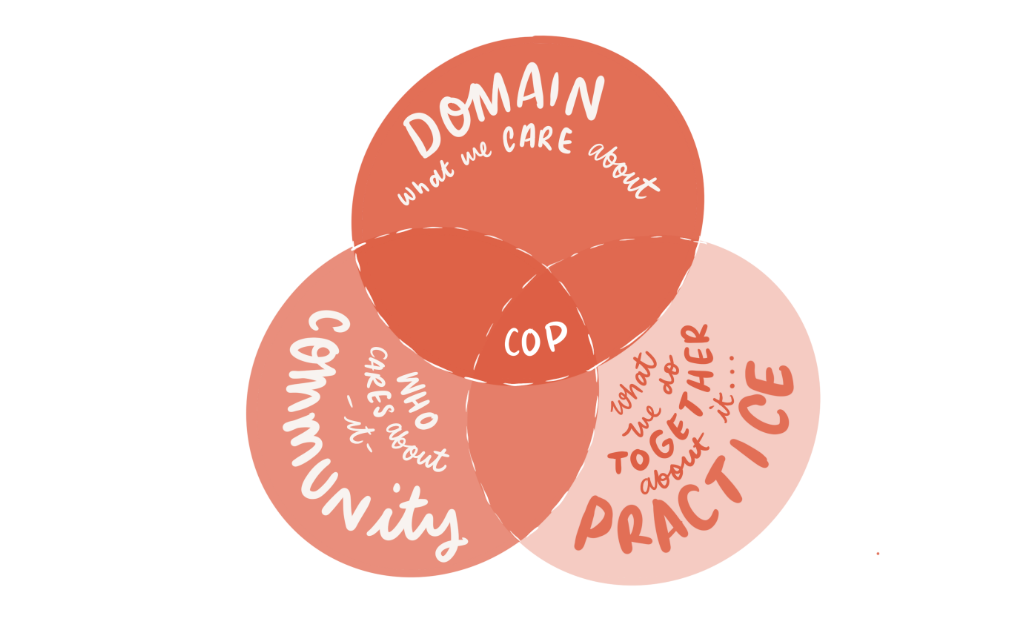
Wait… whats a Community of Practice?
“Learning is not merely the acquisition of knowledge by individuals. It is a process of social participation.” A slightly bastardised…
Learn anything with the /teach skill
Learning How to Learn (And 20+ Studies) – Max's Two Cents
I have been interested in cognitive science and effective learning methods for years. I’ve read multiple books and articles and put many ideas to test. In this post, I aim to synthesize my notes and provide references to scientific studies.
How Learning Happens | Seminal Works in Educational Psychology and Wha
How Learning Happens introduces 28 giants of educational research and their findings on how we learn and what we need to learn effectively, efficiently, and

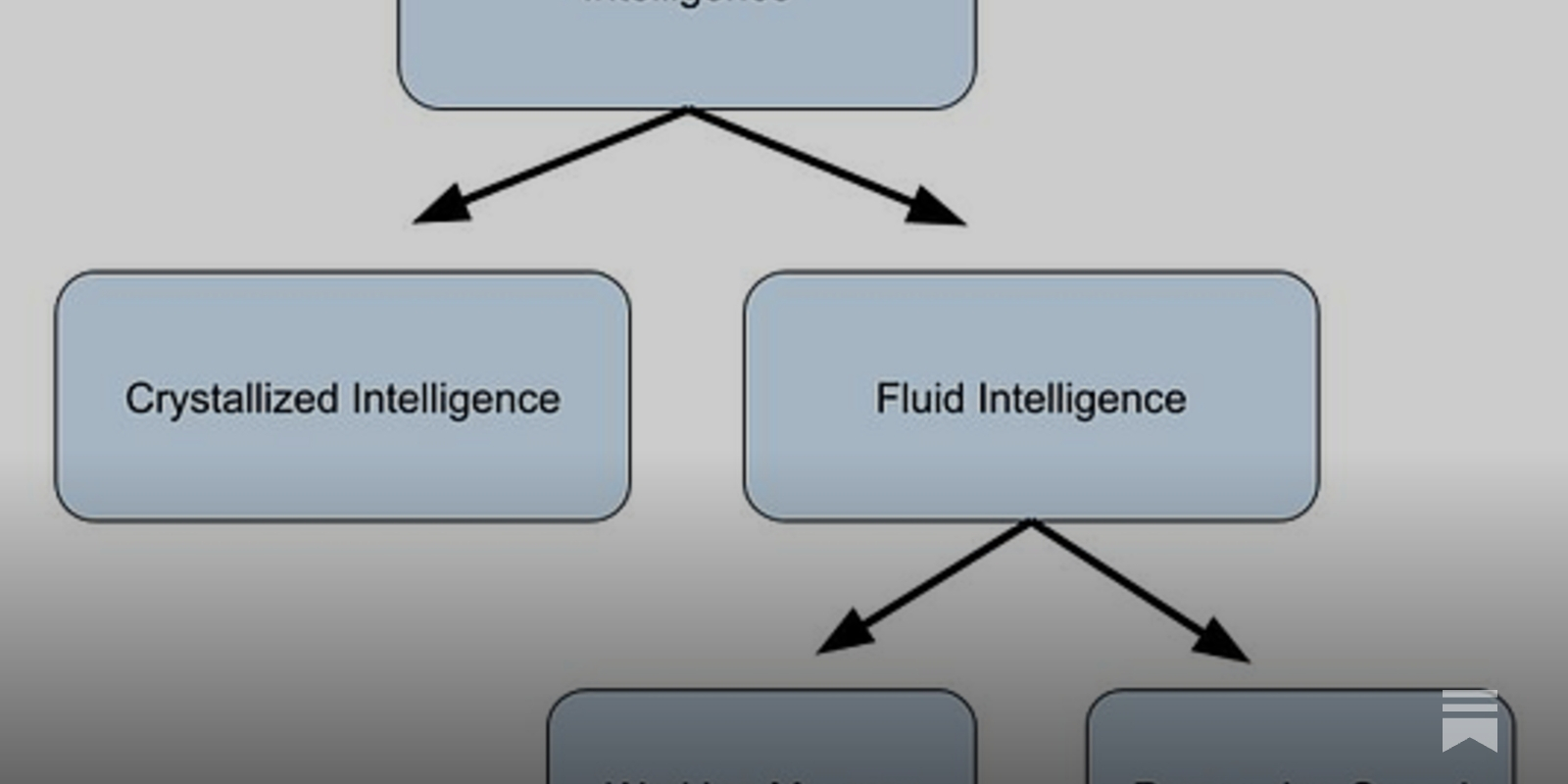
Why Some Students Learn Faster
A hypothesis about teaching and learning
Why Some Students Learn Faster
A hypothesis about teaching and learning
Redefining the Software Engineering Profession for AI
"How do you train someone to verify work in fields they haven’t mastered, when the AI itself prevents them from developing mastery?"

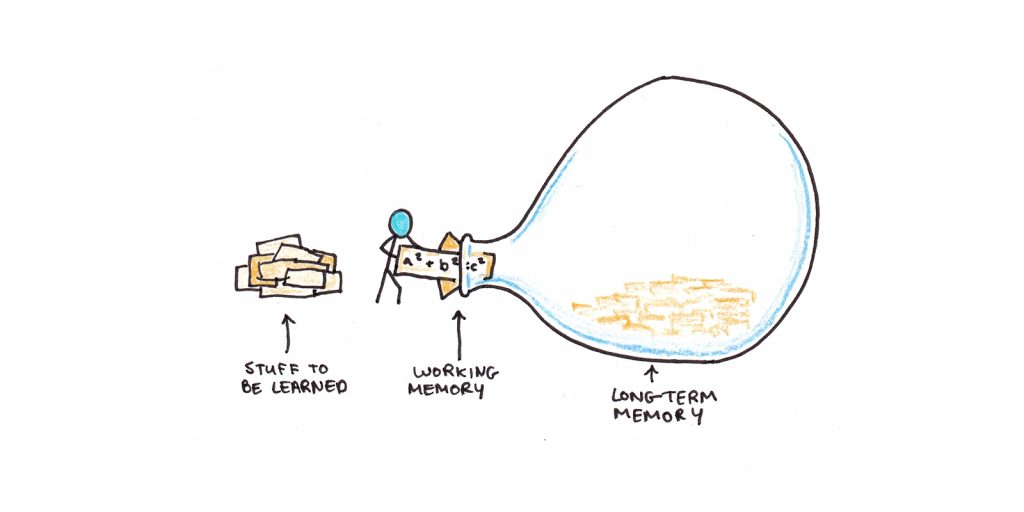
Cognitive Load Theory and its Applications for Learning - Scott H Young
What makes learning hard? How can we make it easier? Cognitive load theory explains how we learn and how to do it better.
Model of educational reconstruction
A key feature of theEducational Reconstructionapproach is that in planning instruction – by teachers or curriculum developers – the science content to be learnedandstudents’ cognitive and affective variables, including their learning processes, should be given equal attention. In addition, the science content is not viewed as “given” but has to undergo certainreconstructionprocesses. Thescience content structure(e.g., for the concept of evolution) has to be transformed into acontent structure for instruction. The two structures are fundamentally different. The first step in this reconstruction, called “elementarization” (in German, Elementarisierung), is to identify the elementary ideas that relate to the aims of instruction, taking into account student perspectives (e.g., their pre-instructional conceptions). Then the content structure for instruction has to be developed. Finally, teaching and learning settings have to be designed. [This is an excerpt from the content].
Teaching iteration
I’ve written about the class I’d like to teach, but what I’ve been thinking about lately is the class I’d like to attend. Not necessarily now, but when I was growing up. In the 6th grade, let’s say…

Let me remind me
Truly learning a lesson is deeper than simply knowing the lesson. It’s possible to know a whole lot more than you’re capable of acting on with regularity. And it’s the act, not the mere knowing, th…
Career And College Options: Education & Teaching Majors - Noodle.com
It's never too early to start your education career. You can volunteer to assist teachers and tutor younger students while in high school. An associate's degree or a bachelor's degree in teaching or education can get you started professionally, while a master's degree qualifies you for more advanced teaching, administrative, and policymaking roles—and a higher salary. Undergraduate teaching majors study the best pedagogic techniques, learning theory, and classroom management, while education majors supplement teacher training with explorations of curriculum design, school administration, and education policy. Many school systems require teachers to earn a master's to acquire relicensure, typically five years after receiving their initial license. Even in states that don't, educators benefit from master's-level training that imparts subject expertise and advanced education skills and concepts. No matter what degree you need to advance in your education career, Noodle can help you sort through your options to find the one best suited to your needs.

Fleetwood on Twitter / X
Studying continual learning at the moment, best papers thus far:https://t.co/Y9oXBAiyj2https://t.co/ByWlaF3ncnhttps://t.co/hG0XIzq6cHhttps://t.co/5VSEnBIkX2— Fleetwood (@fleetwood___) April 11, 2026