

A minimum viable product (MVP) is a version of a product with just enough features to be usable by early customers who can then provide feedback for future product development.[1][2]
Build a Minimum Viable Platform (MVP) in four phases
Your customers hate MVPs. Make a SLC instead.
"MVP" implies a selfish process, abusing customers so you can "learn". Instead, make the first version SLC: Simple, Lovable, and Complete".
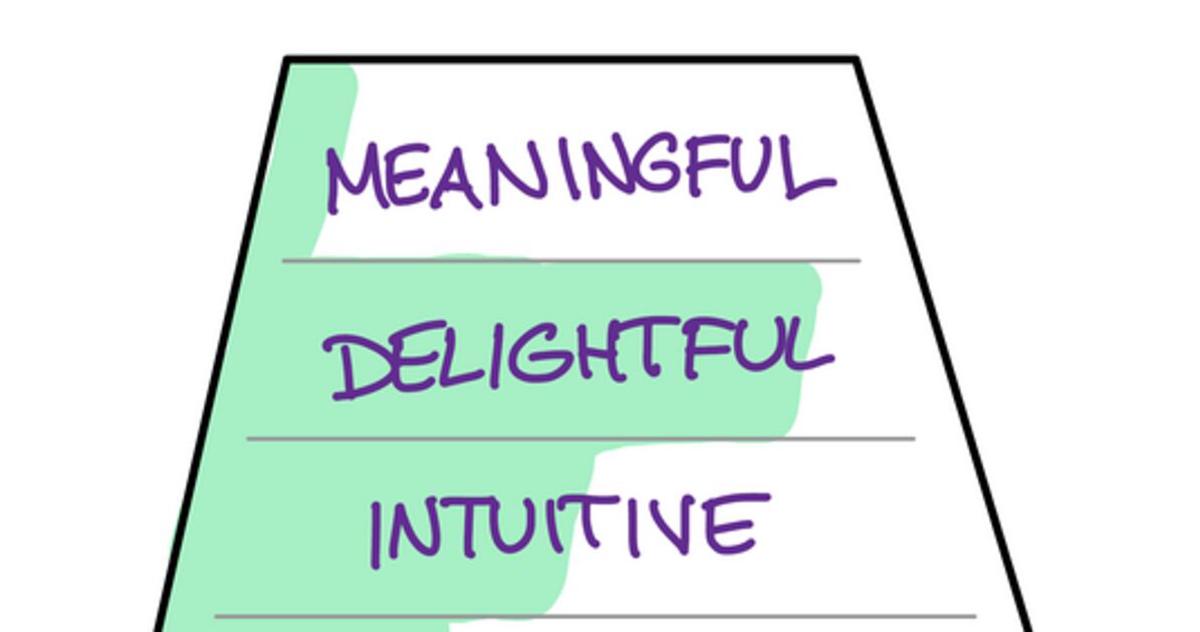
Your customers hate MVPs. Make a SLC instead.
"MVP" implies a selfish process, abusing customers so you can "learn". Instead, make the first version SLC: Simple, Lovable, and Complete".
Minimum Standards of Product Development
Fostering collaboration and continuous innovation


Feature / Product / Business: A Framework for Sustainable ATProto Projects | ATmosphereConf VODs
The ATProto community built a ton of great features and products over the past year! For our next trick, let's mature them into products and businesses. In this talk, you'll get a practical framework for understanding whether what you're building should be a feature, product, or business, plus concrete funding models at each layer to keep your work going and growing. (More in this thread: https://bsky.app/profile/mosh.bsky.social/post/3mckiat2ne22q)
The Four Big Risks | Silicon Valley Product Group
In the first edition of my book, INSPIRED, I discussed how successful products are valuable, usable and feasible, where I defined “valuable” as both valuable to customers and valuable to your business. While it’s easy to remember these three attributes, over the years I’ve come to believe that it was obscuring some pretty serious risks and...
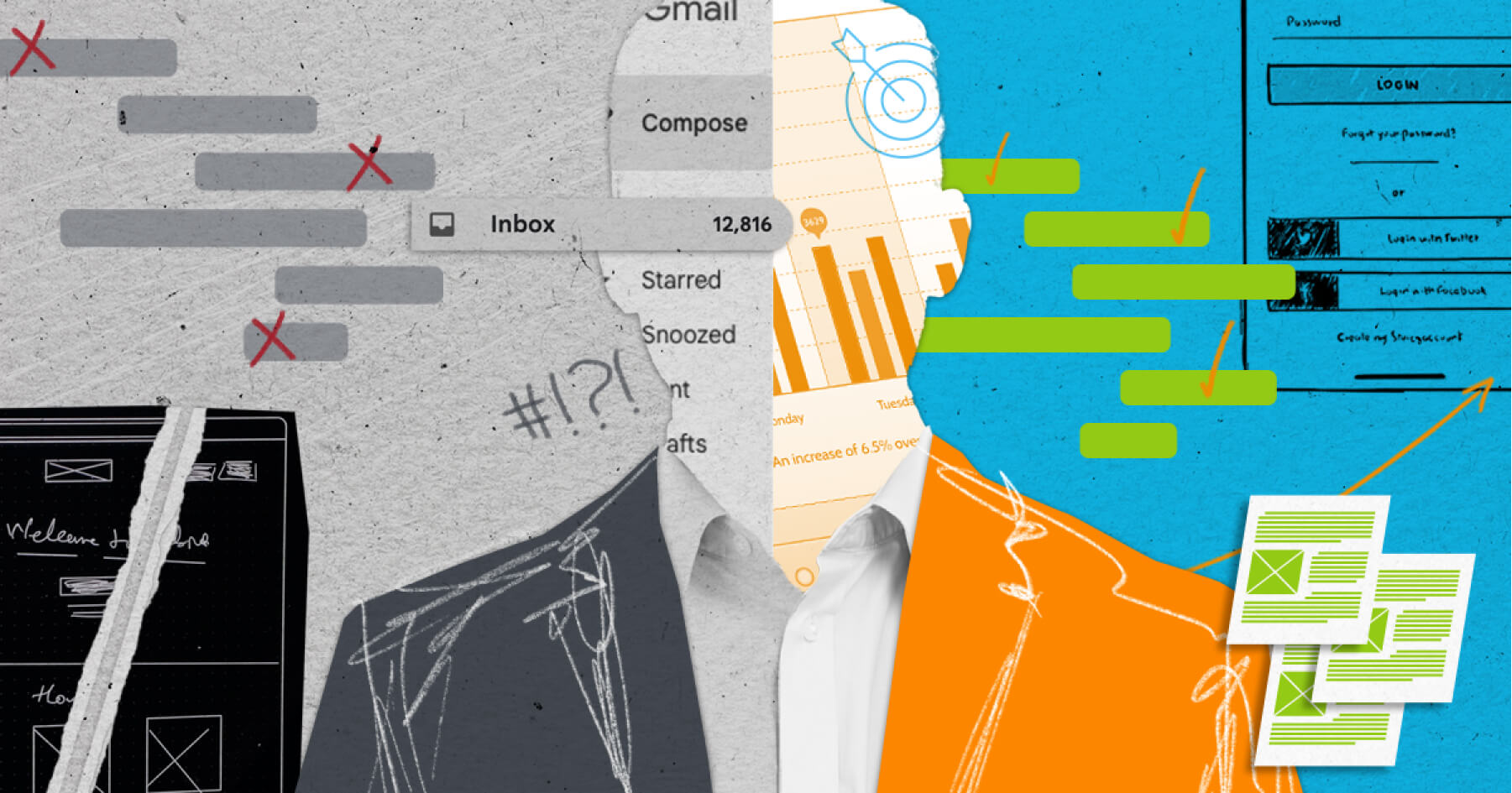
The Phases Product Teams Go Through, From Product/Market Fit to Hypergrowth
Former Credit Karma CPO Nikhyl Singhal shares the phases a product org goes through as a startup matures — and his tips for transitioning between them gracefully. From the mistakes that are too easy to make to what to look for when hiring, his playbook helps founders and product leaders build teams capable of finding product/market fit and handling hypergrowth.

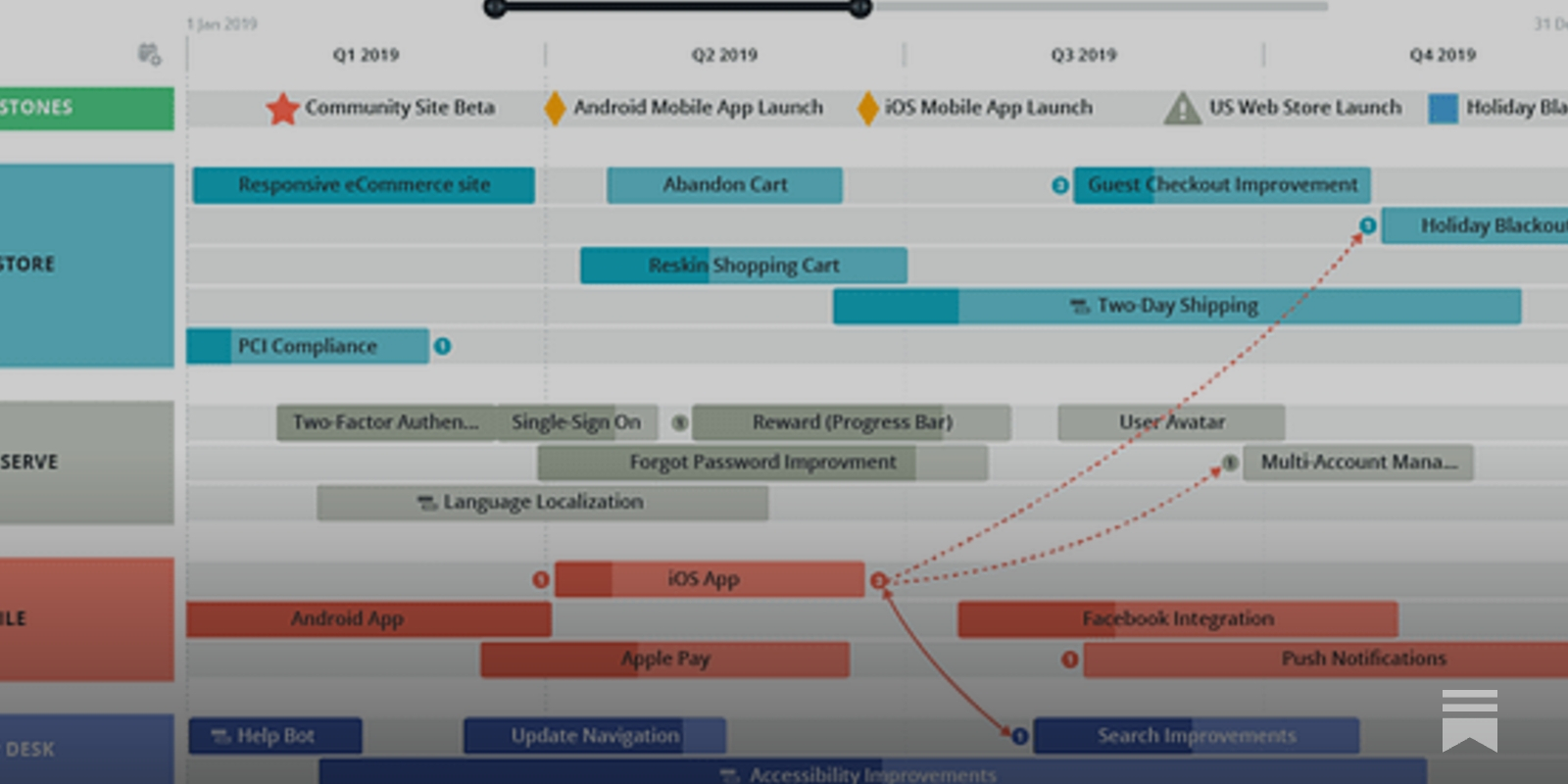
How to build a roadmap in 3½ steps | HackerNoon
<em>When done right, the product roadmap reduces uncertainty about the future and keeps product teams focused on the highest priority product initiatives. But how to build it effectively?</em>

Good Product Manager/Bad Product Manager | Andreessen Horowitz
Warning: This document was written 15 years ago and is probably not relevant for today’s product managers. I present it here merely as an example of a useful training document. Good product managers know the market, the product, the product line and the competition extremely well and operate from a strong basis of knowledge and...
A product modeling platform for AI-built software
The first version is magic. Auto turns product intent into a durable model your agent can build from as the product evolves.

How To Validate Product Ideas Before (And After) Building Them
People spend too much time writing software relative to speaking to potential customers, prior to launching and after it. Reversing that is a win.
Mektup #32: Product Shouldn't Be Left to Product Managers
Hunting timeless insights into humans and software and helping others on the way.
Team Objectives – Overview | Silicon Valley Product Group
After many years of being a very vocal advocate for the OKR (Objectives and Key Results) technique, in the majority of companies I meet, I have stopped recommending the practice. That’s because, in so many companies, even though conceptually the technique is simple and sound, it ends up proving a waste of time and effort,...
The World's Most Satisfying Checkbox | !Boring Software
The Art of Game Feel (a.k.a Juice) in Product Design
