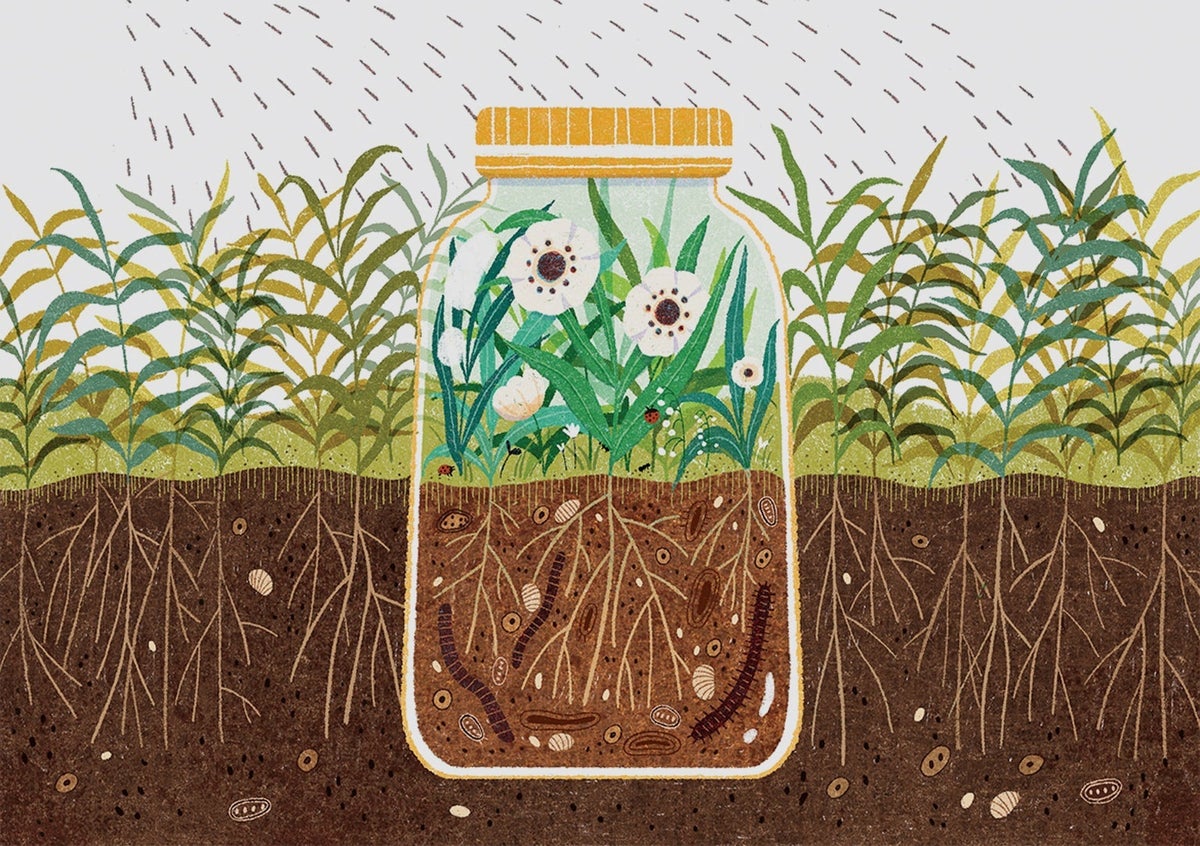
Mound-building termites are a group of termite species that live in mounds which are made of a combination of soil, termite saliva and dung. These termites live in Africa, Australia and South America. The mounds sometimes have a diameter of 30 metres (98 ft). Most of the mounds are in well-drained areas. Termite mounds usually outlive the colonies themselves. If the inner tunnels of the nest are exposed it is usually dead. Sometimes other colonies, of the same or different species, occupy a mound after the original builders' deaths.
Termite
Termites are a group of eusocial insects which consume a variety of decaying plant material, generally in the form of wood, leaf litter, and soil humus. They are distinguished by their beaded (moniliform) antennae and the soft-bodied, unpigmented worker caste for which they have been commonly termed "white ants"; however, they are not ants but highly derived cockroaches; they are genetically closer to some cockroach groups than these are to other cockroaches. About 2,997 extant species are currently described, 2,125 of which are members of the family Termitidae.

Termite Ecology in the First Two Decades of the 21st Century: A Review of Reviews
Termite ecology came of age in 1978 with the seminal review of Wood and Sands which by considering the quantitative contributions made by termites to the carbon cycle at the landscape level concluded that they were major players in tropical ecosystems. Subsequent field work in the succeeding two decades was summarised in 2000 by Bignell and Eggleton, the most recent review which attempted to cover the entire topic in detail, which included 188 listed references and has been extensively cited for almost 20 years. Subsequent summaries more narrowly defined or in some cases more superficial are listed in the bibliography. In this overview, the main and subsidiary headings in Bignell and Eggleton are revisited and reclassified in the light of 186 selected articles added to the relevant literature since 2000, and some earlier work. While the literature on termite ecology remains buoyant, it has declined relative to publications on other aspects of termite biology. Overall, the thesis that termites have a major impact on, and are major indicators of soil health and landscape integrity in the tropics and sub-tropics is maintained, but the drivers of local diversity, abundance and biomass remain complex, with many biographical, edaphic and optimum sampling issues not completely resolved. The large increase in diversity and abundance data from Neotropical biomes can also be noted.
Termitomyces
Termitomyces is a genus of basidiomycete fungi known as termite mushrooms in Lyophyllaceae family farmed by fungus-growing termites. The fungi and the termites interdepend to live, as the termites house and culture the fungi, and the fungi in turn provide foods for the termites. Often after a raining, the fungi grow mushrooms, which are edible and highly regarded for their flavor.

Giant, Mysterious Spires Ruled the Earth Long Before Trees Did. What Exactly Are These Odd-Looking Fossils?
For more than 150 years, scientists have debated whether Prototaxites—which stood roughly 24 feet tall and 3 feet wide—were an early lichen or fungus, like a “giant mushroom”

Isopod Site
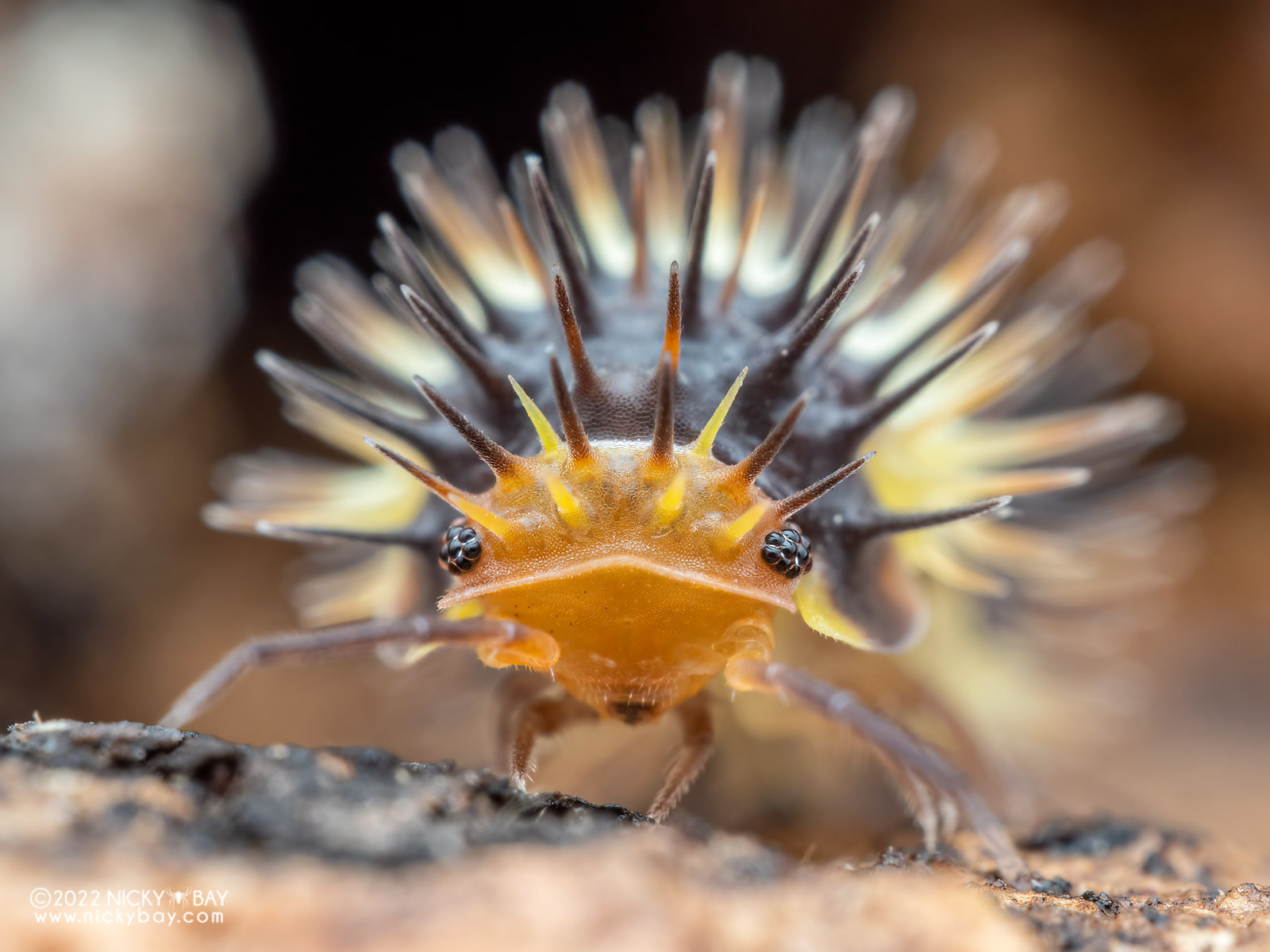
Pillbugs, sowbugs, roly-polies and woodlice, collectively referred to as isopods, are land-dwelling crustaceans that feed on decaying organic matter.
Vivian Kaloxilos - Introduction to Living Soils - LSSM 2017
What’s Earth’s dominant species by mass?
You might have heard that all the ants in the world weigh as much combined as all the humans. That isn’t true. We outweigh ants 5 to 1.1 Termites might have us beat, though.2 Either way, it’s not r…
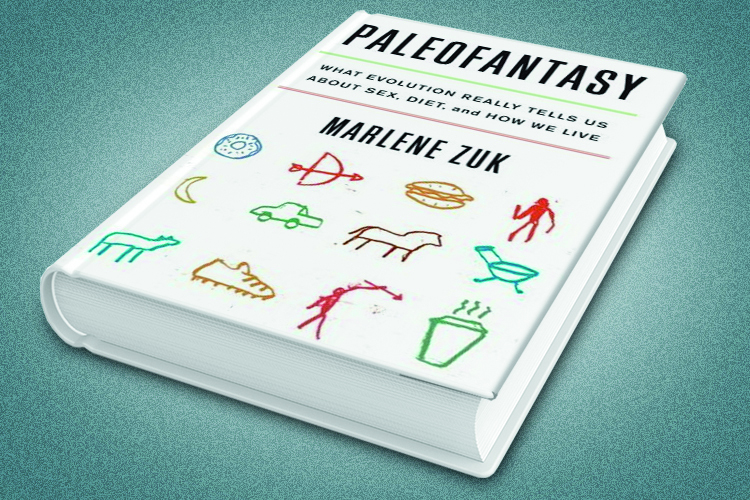
"Paleofantasy": Stone Age delusions
An evolutionary biologist explains why everything you think you know about cavemen (and their diet) is wrong
Symbiotic organs in insects: diversity, functional implications, and terminology
Abstract With over a million described species, insects represent the most successful group of animals on Earth. One of the drivers of insect diversity is their ability to engage in multifold beneficial symbioses with microorganisms, often involving specialized host organs to accommodate intra- or extracellular symbionts. The existence of such organs and their importance for sustaining and transmitting beneficial symbionts has been known for over a century, and specific terms have been established for categorizing organs harbouring intracellular bacteria (bacteriomes) or fungi (mycetomes), or cuticular crypts containing extracellular fungi (mycetangia). For others, however, general terms are lacking, e.g. organs containing extracellular bacteria associated with the cuticle or with the digestive tract. Furthermore, previously established terms have been misused in other contexts. Notably, ‘bacteriome’ has been increasingly employed in the microbiome field to refer to bacterial communities, instead of the term’s original meaning of specialized organs housing intracellular bacterial symbionts. Here, we review and categorize the diversity of symbiotic organs in insects and propose a unified terminology. Our hope is that this common language will facilitate communication and thereby support the field of symbiosis research in unravelling commonalities and differences in the evolution, ecology, development, physiology and molecular basis across symbiotic interactions. This article is part of the theme issue ‘Life in natural microcosms’.

Soil Assembly
Soil Assembly brings together diverse communities working across ecology, culture, agriculture, research, and collective practice. We invite practitioners, learners, and communities to contribute to a growing network rooted in living soil, regenerative thinking, and shared ecological futures.
These Ants Took Over The World, And We Just Noticed
We know ants form large colonies. In 2002, we realized one specific kind of ant formed supercolonies. And then, in 2010, we learned that they had formed a

Mandible (insect mouthpart)
Insect mandibles are a pair of appendages near the insect's mouth, and the most anterior of the three pairs of oral appendages. Their function is typically to grasp, crush, or cut the insect's food, or to defend against predators or rivals. Insect mandibles, which appear to be evolutionarily derived from legs, move in the horizontal plane unlike those of vertebrates, which appear to be derived from gill arches and move vertically.

Global homogenization of the structure and function in the soil microbiome of urban greenspaces
This study provides new insights into how the soil microbiome of urban greenspaces differs from surrounding natural ecosystems.

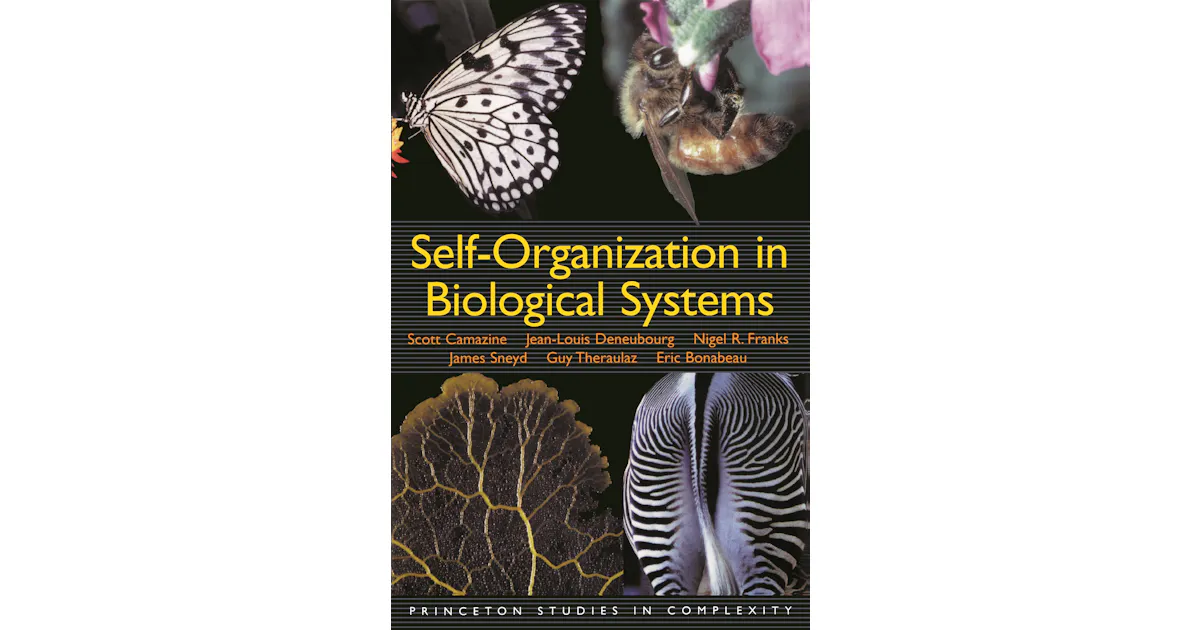
Self-Organization in Biological Systems
The synchronized flashing of fireflies at night. The spiraling patterns of an aggregating slime mold. The anastomosing network of army-ant trails. The coordinated movements of a school of fish. Researchers are finding in such patterns—phenomena that have fascinated naturalists for centuries—a fertile new approach to understanding biological systems: the study of self-organization. This book, a primer on self-organization in biological systems for students and other enthusiasts, introduces readers to the basic concepts and tools for studying self-organization and then examines numerous examples of self-organization in the natural world. Self-organization refers to diverse pattern formation processes in the physical and biological world, from sand grains assembling into rippled dunes to cells combining to create highly structured tissues to individual insects working to create sophisticated societies. What these diverse systems hold in common is the proximate means by which they acquire order and structure. In self-organizing systems, pattern at the global level emerges solely from interactions among lower-level components. Remarkably, even very complex structures result from the iteration of surprisingly simple behaviors performed by individuals relying on only local information. This striking conclusion suggests important lines of inquiry: To what degree is environmental rather than individual complexity responsible for group complexity? To what extent have widely differing organisms adopted similar, convergent strategies of pattern formation? How, specifically, has natural selection determined the rules governing interactions within biological systems? Broad in scope, thorough yet accessible, this book is a self-contained introduction to self-organization and complexity in biology—a field of study at the forefront of life sciences research.
Crunching worms, squeaking voles, drumming ants: how scientists are learning to eavesdrop on the sounds of soil
More than 50% of the planet’s species live in the in the earth below our feet, but only a fraction have been identified – so far

Pesticides Are Killing the Organisms That Keep Our Soils Healthy
They harm worms, beetles and thousands of other subterranean species that are vital to agriculture