

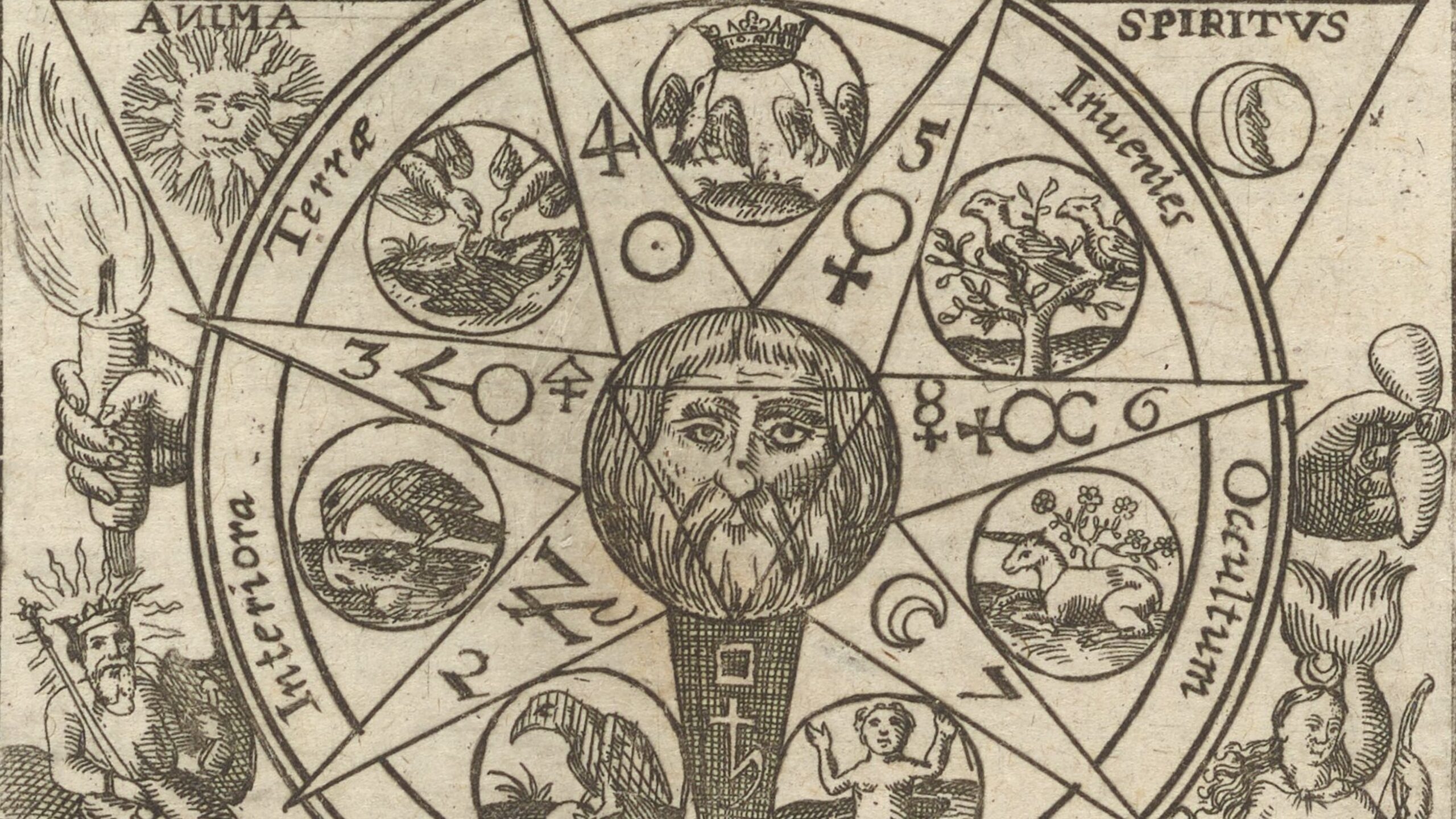
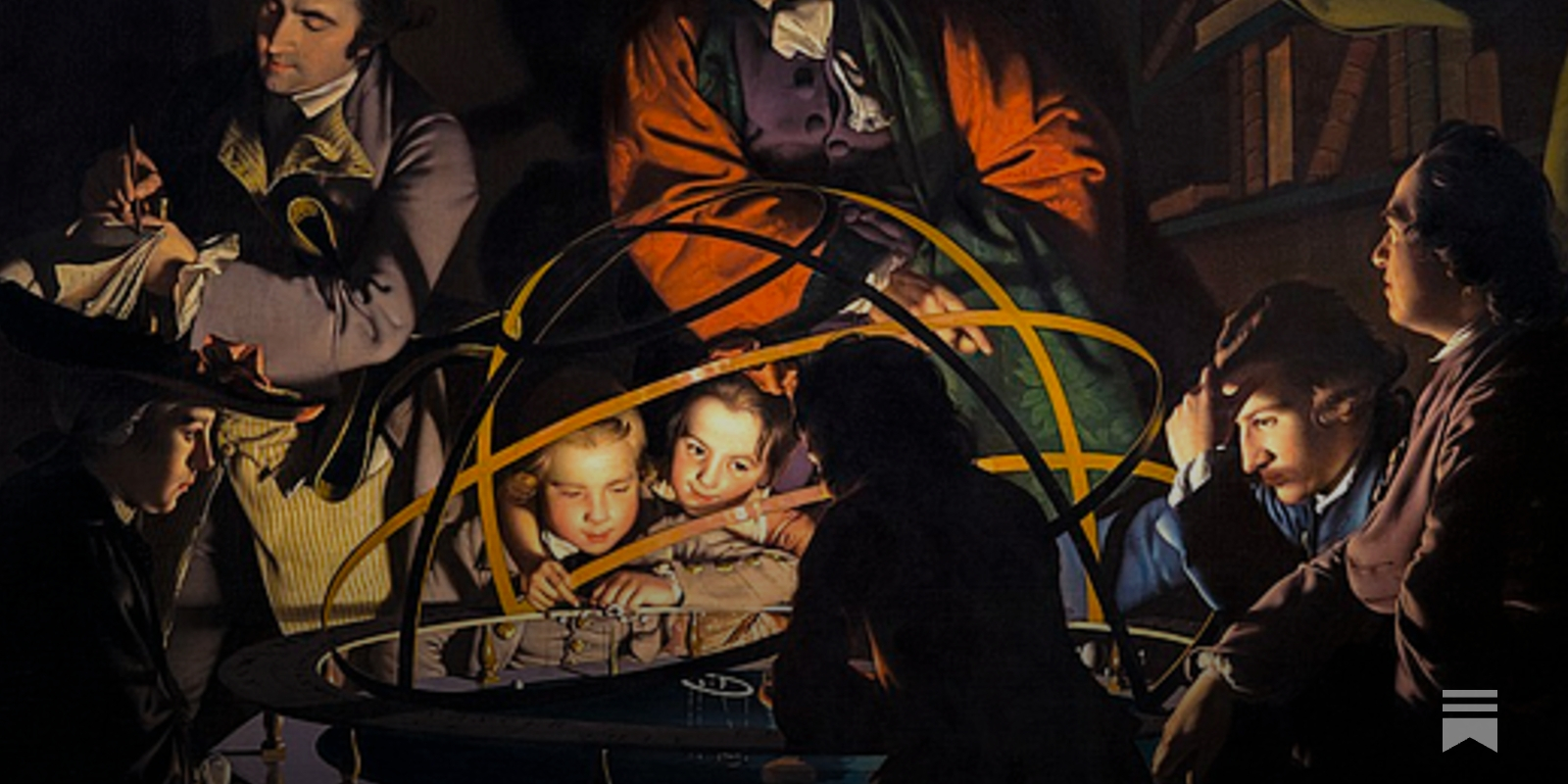
Normal science, identified and elaborated on by Thomas Samuel Kuhn in The Structure of Scientific Revolutions,[1] is the regular work of scientists theorizing, observing, and experimenting within a settled paradigm or explanatory framework.[2] Regarding science as puzzle-solving,[3] Kuhn explained normal science as slowly accumulating detail in accord with established broad theory, without questioning or challenging the underlying assumptions of that theory.
Zechen Zhang on Twitter / X
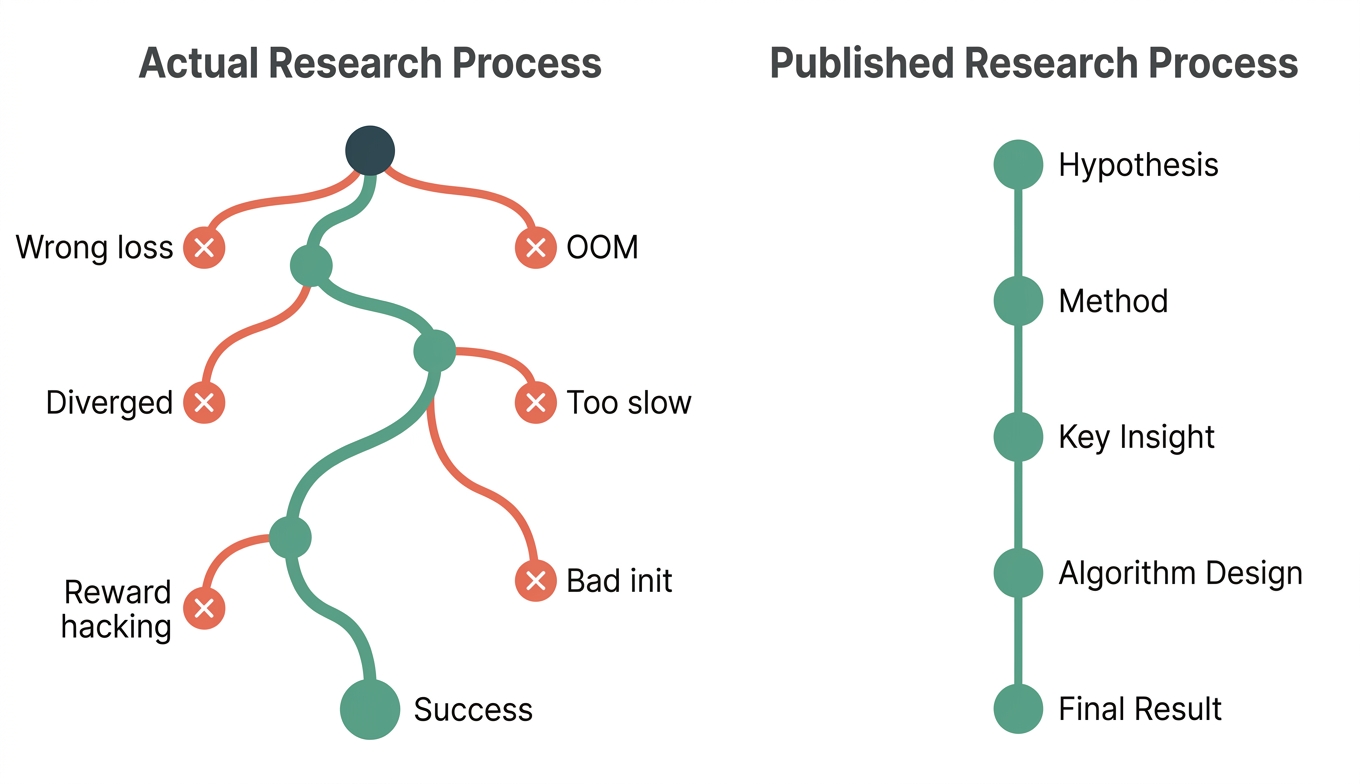
1/ For nearly 350 years, science has communicated itself through one object: the paper. A linear narrative, frozen as a PDF, written for a human reader. We've come to treat that format as the medium of science itself.It doesn't have to be. It's a historical artifact. 🧵 pic.twitter.com/P5UUhceLkC— Zechen Zhang (@ZechenZhang5) April 30, 2026
What could a human right to participate in science be?
Abstract. At first sight, the idea of a human right to participate in science may seem absurd. Many assume science must be the preserve only of those with

Guest post: If you’re going to critique science, be scientific about it
Loren K. Mell Editor’s note: This post responds to a Feb. 13 article in The Atlantic, “The Scientific Literature Can’t Save Us Now,” written by Retraction Watch cofounders Adam Marcus and Ivan Oran…
What stories should we tell about scientific progress now?
In search of the mysterious fruits of basic science

Reinventing Discovery: The New Era of Networked Science
In Reinventing Discovery, Michael Nielsen argues that w…

Read - Night Science
Itai and Martin have published – and continue to publish – about the main aspects of the creative scientific process and its thinking tools.

Without a theory of intelligence
The history of science — and of progress — is a series of benefits that are direct results of new tools.
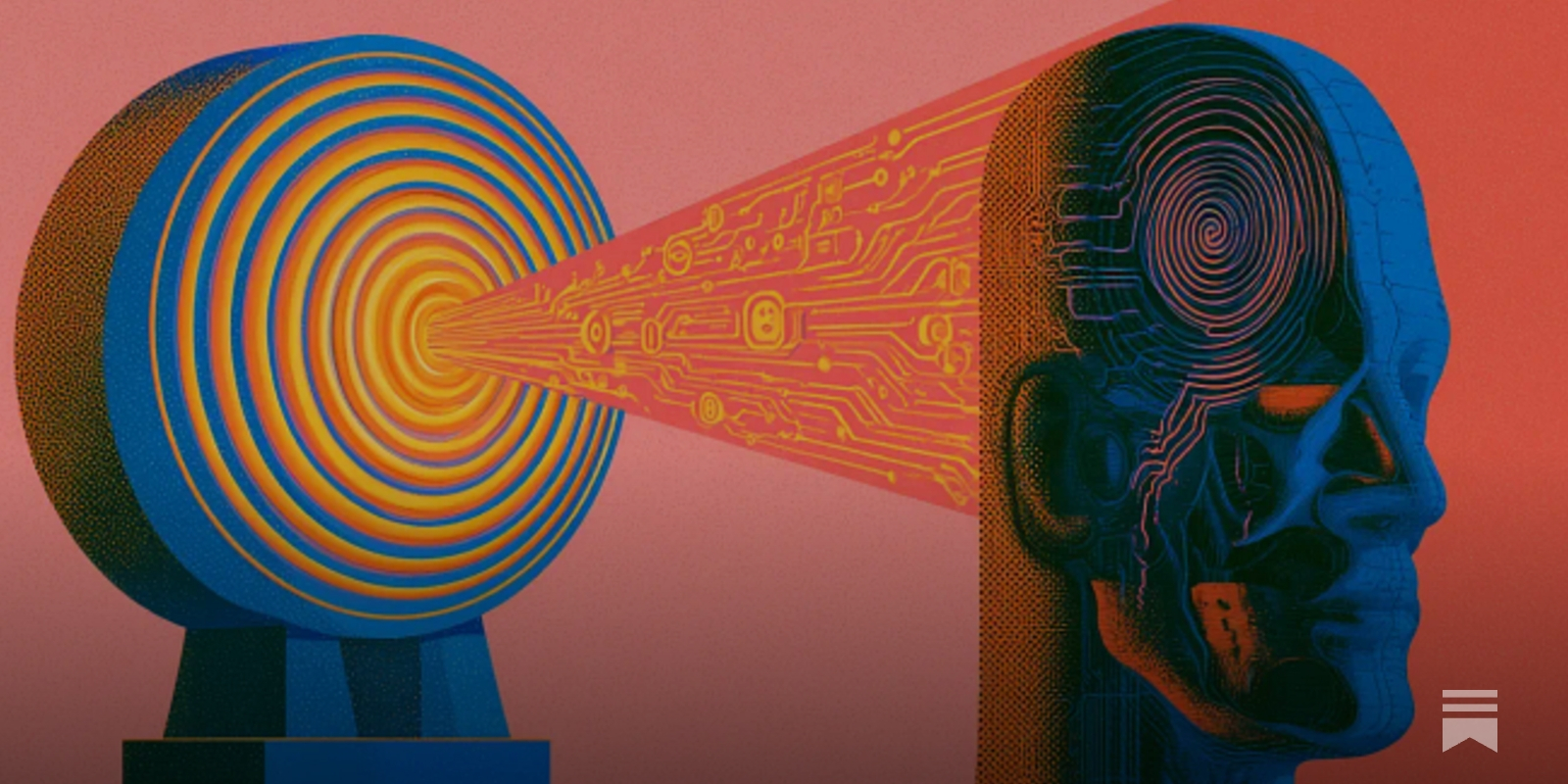
The Alien Space of Science: Sampling Coherent but Cognitively...
Scientific discovery is constrained not only by what is true, but by what is cognitively available to the researchers currently exploring a field. Many directions are coherent in light of the...

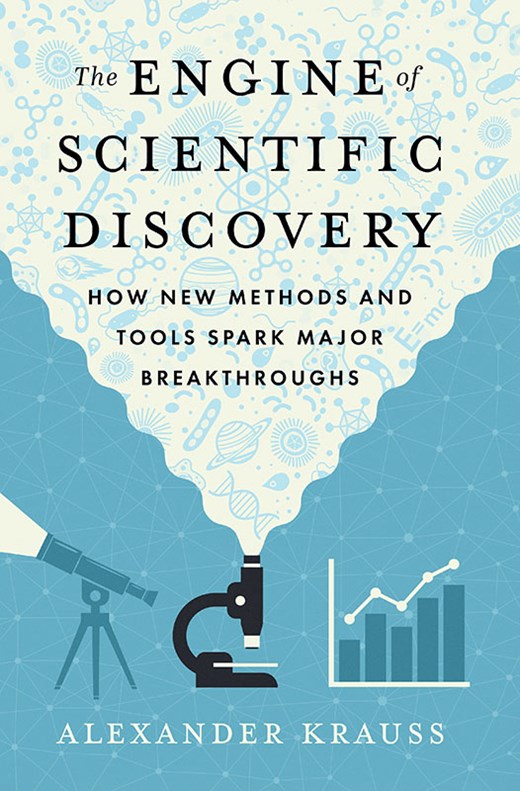
The Engine of Scientific Discovery: How New Methods and Tools Spark Major Breakthroughs
Abstract. How do we spark new scientific discoveries? Why do some breakthroughs seem even accidental? And most importantly, how can we accelerate them and
Thomas Kuhn Foundation | Science Intelligence for the New World
The world's first science intelligence engine capable of monitoring scientific progress in real time
Extreme Citizen Science

Inspiration and existing efforts where citizens drive the whole scientific cycle, from problem definition through to interpretation of results. This level of citizen science has been called "extreme" in this paper: link.springer.com/article/10.1140/epjst/e2012-0… I love this term! :) Esp. interested in concepts/approaches that help with the construction and maintenance of local/individual knowledge (vs. aggregates only)

Nova Scotia’s Experiment in Research That Solves Real Problems
Brandon Yates on Twitter / X

Civic, Citizen and Grassroots Science: Towards a Transformative Scientific Research Model | Request PDF
TreeKIT: Measuring, Mapping, and Collaboratively Managing Urban Forests
www.degruyterbrill.com
Individual Experience vs. The Cochrane Review