


A nuclear weapon is an explosive device that derives its destructive force from nuclear reactions, either nuclear fission or a combination of fission and nuclear fusion reactions, producing a nuclear explosion. Both bomb types release large quantities of energy from relatively small amounts of matter. Nuclear warfare is widely considered a global catastrophic risk. Nine sovereign states are known or believed to possess nuclear weapons as of 2026: the United States, Russia, the United Kingdom, France, China, India, Pakistan, North Korea and Israel.
Which Countries Have Nuclear Weapons and How Big Their Arsenals Are (Published 2016)
Nine countries are thought to possess nuclear weapons.

Missiles of Iran | Missile Threat
Iran possesses the largest and most diverse missile arsenal in the Middle East, with thousands of ballistic and cruise missiles, some capable of striking as far as Israel and eastern Europe. For the past decade, Iran has invested significantly to improve these weapons’ precision and lethality. Such developments have made Iran’s missile forces a potent...

U.S. fires a new wave of strikes on Iran and hits a tanker trying to skirt its blockade
The U.S. and Iran traded fire for the sixth consecutive day on Thursday with U.S. strikes targeting Iranian command centers and missile sites, and Iran targeting U.S. military bases in Gulf countries, as both sides intensified attacks over control of the Strait of Hormuz.
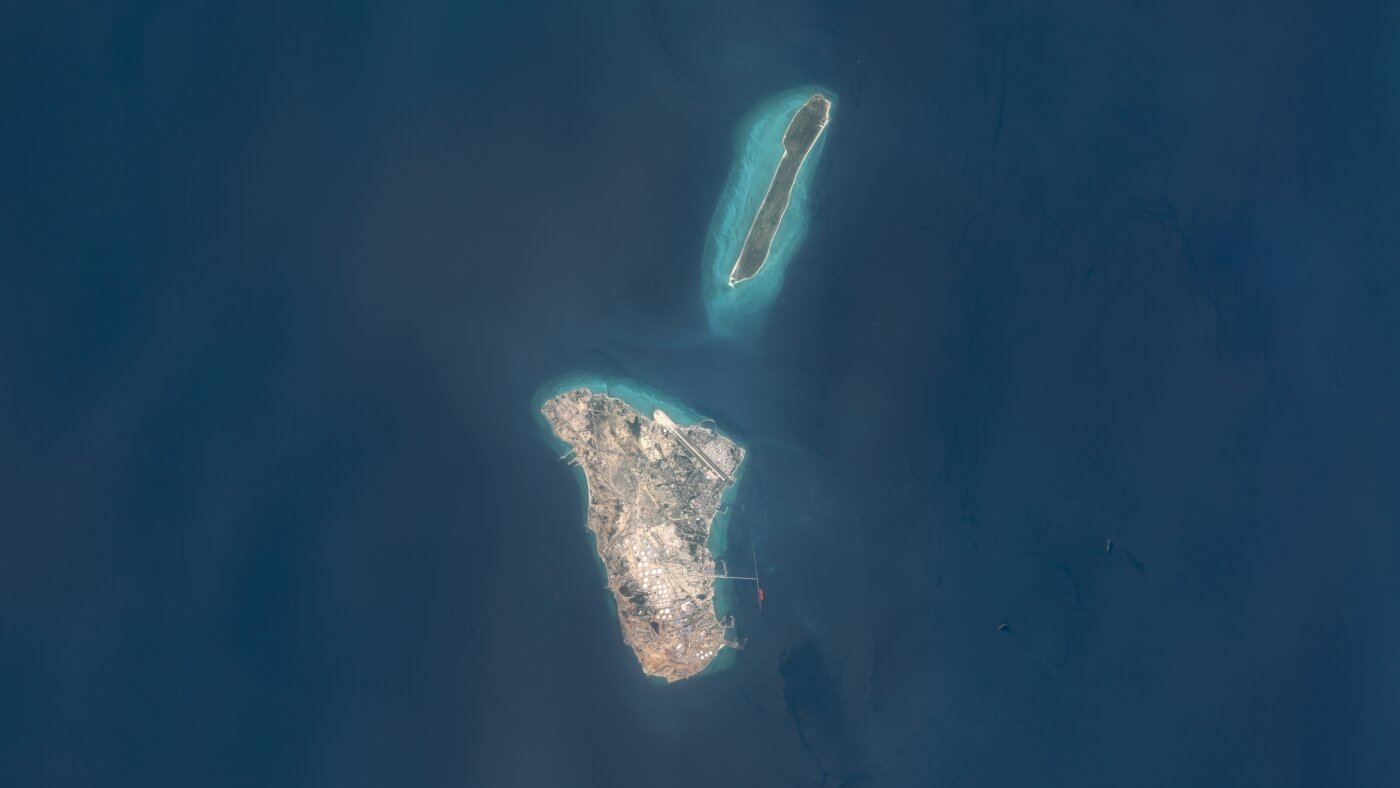
The Political Declaration — UNODA
Political Declaration on Strengthening the Protection of Civilians from the Humanitarian Consequences Arising from the Use of Explosive Weapons in Populated Areas
The French nuclear deterrent in a changing strategic environment | Note de la FRS | Foundation for Strategic Research | FRS
The Foundation for Strategic Research (FRS) is France's main centre of expertise on international security and defence issues.

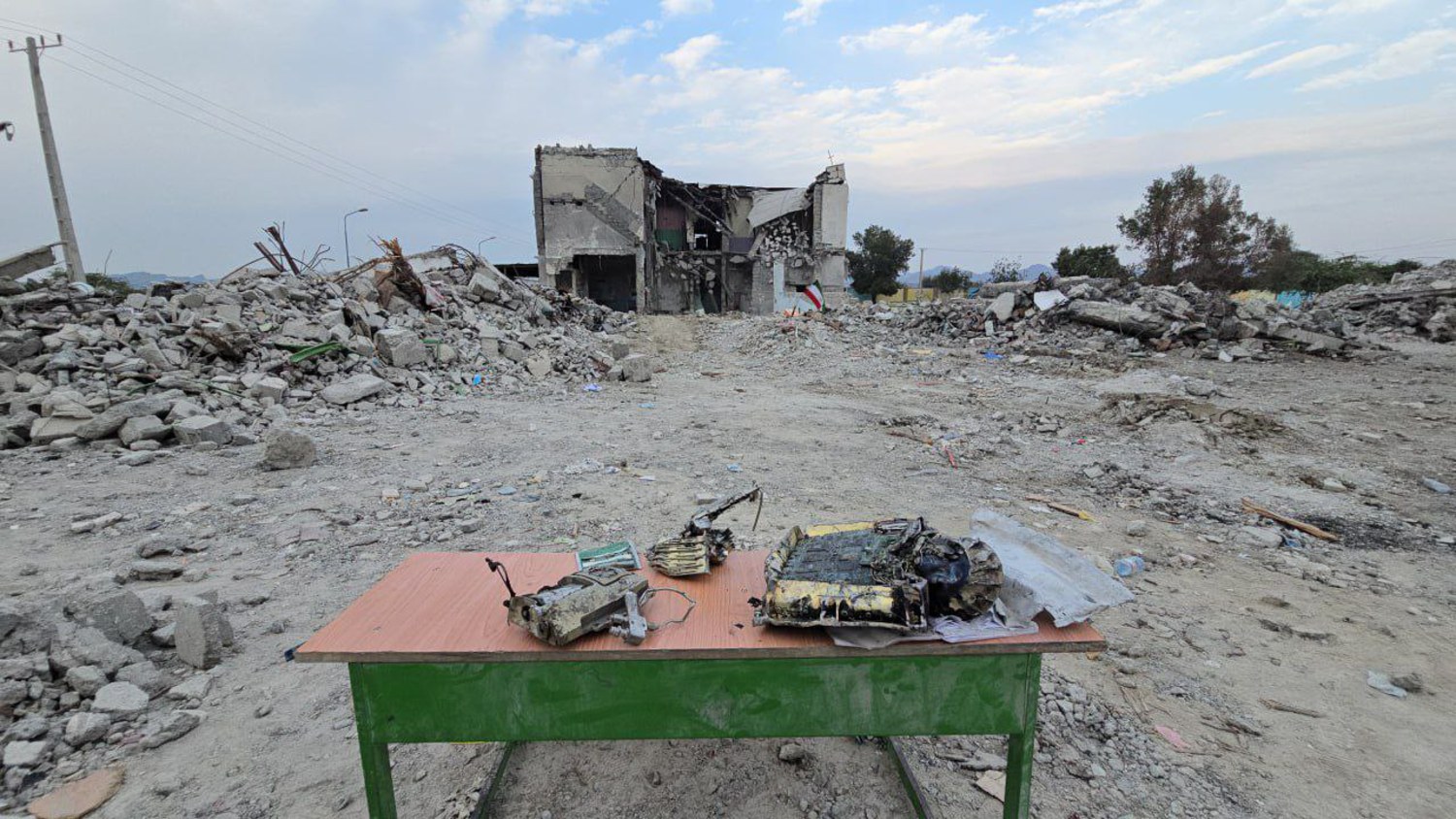
Fragments of U.S.-Made Missile Seen in Photos Taken by Iran Near Deadly School Strike
Iranian state media posted mangled remnants it claims were from the Feb. 28 attack in Minab. An analysis shows they have the markings of a missile made by American manufacturers

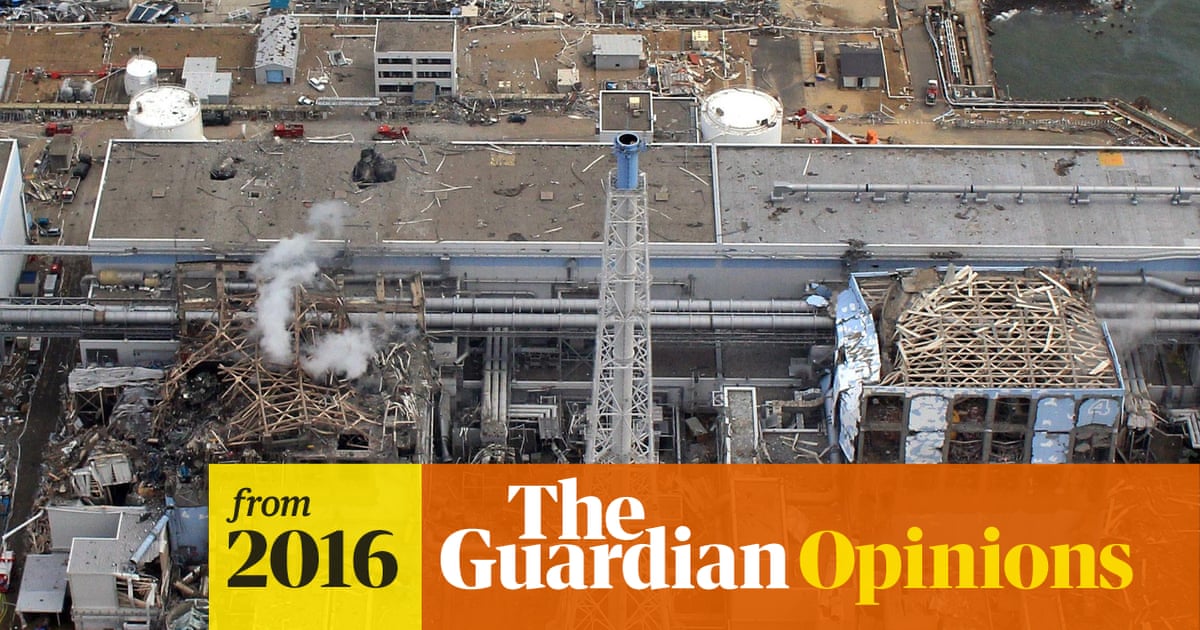
Why it's time to dispel the myths about nuclear power
Thirty years has passed since events in Chernobyl, while Japan marks the fifth anniversary of the Fukushima disaster. We need more than ever to have a reasoned discussion on the issues
US strikes 'dozens of targets' in Iran as war threatens to engulf Middle East
America's military strikes "dozens" of Revolutionary Guard targets across Iran, as the spread of hostilities to Egypt, Iraq and Saudi Arabia threatens to plunge the rest of the Middle East into all-out conflict.
Images taken near Iranian school hit in deadly strikes show fragments of U.S.-made missile
NBC News couldn’t independently verify where the fragments were found or when. Munitions experts said they appeared to be components of an American cruise missile.
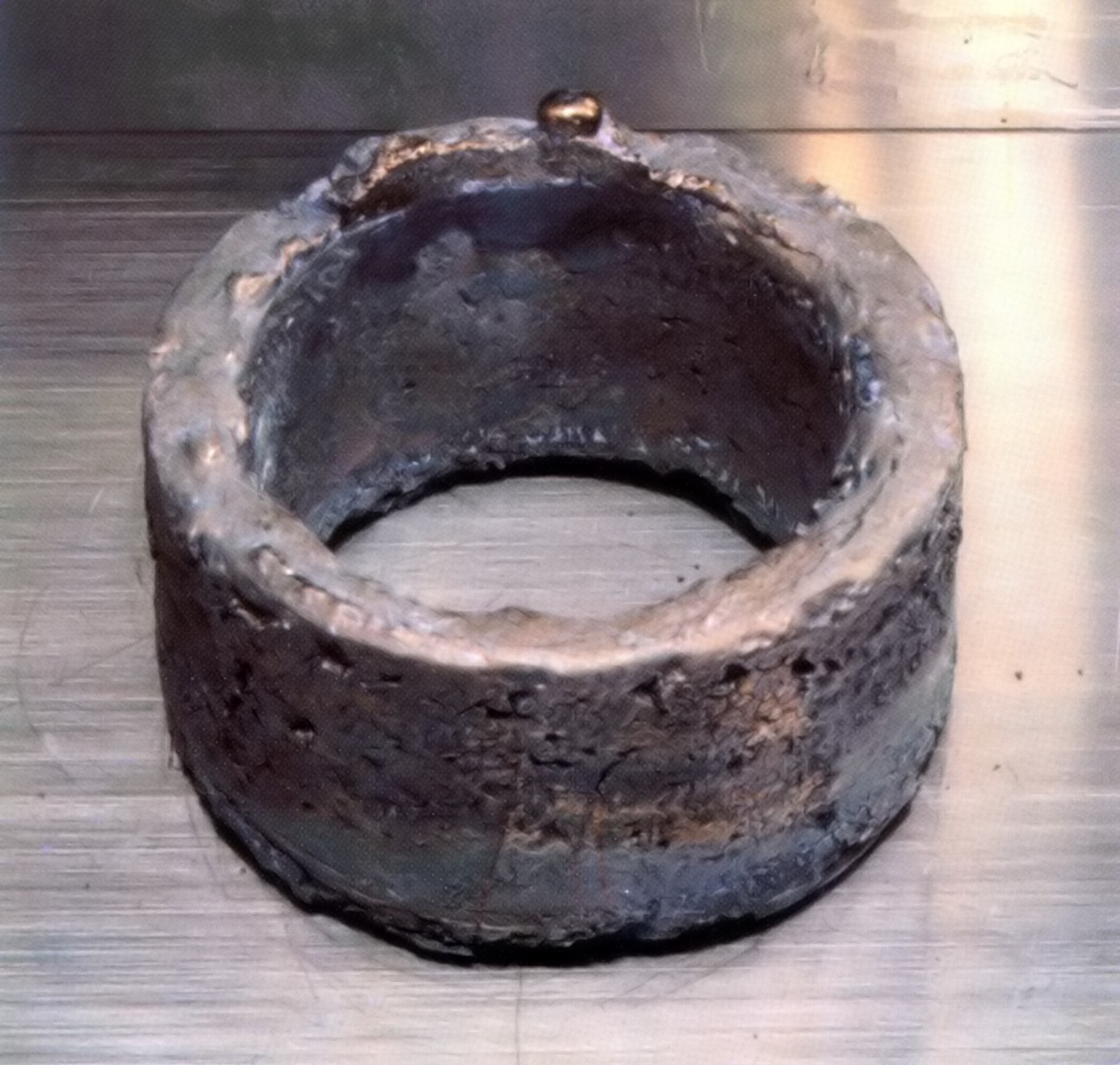
Plutonium
Plutonium is a chemical element; it has symbol Pu and atomic number 94. It is a silvery-gray actinide metal that tarnishes when exposed to air, and forms a dull coating when oxidized. The element normally exhibits six allotropes and four oxidation states. It reacts with carbon, halogens, nitrogen, silicon and hydrogen. When exposed to moist air, it forms oxides and hydrides that can expand the sample up to 70% in volume, which in turn flake off as a powder that is pyrophoric. It is radioactive and can accumulate in bones, which makes the handling of plutonium dangerous.

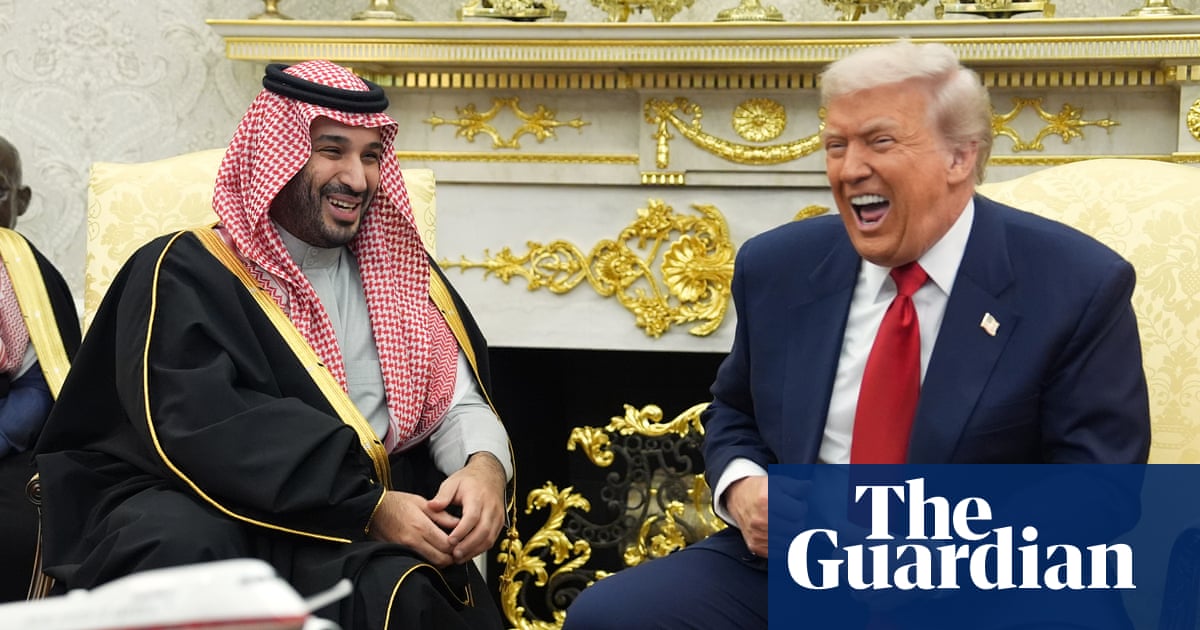
Trump gifts Saudi Arabia a nuclear win | Politics Weekly America
Donald Trump has announced a landmark nuclear deal with Saudi Arabia while pressing ahead with efforts to stop Tehran from developing a nuclear weapon. What’s driving Trump’s new agreement with Riyadh? And how is it likely to be received at home and across the Gulf?
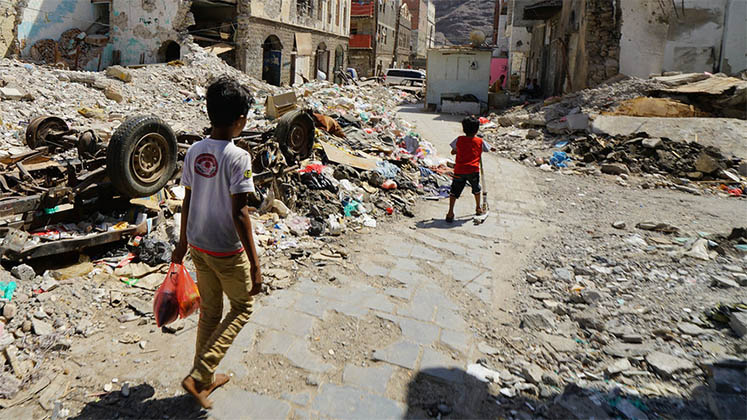
Iran: UN Fact-Finding Mission calls for immediate cessation of hostilities after deadly US airstrikes hit civilians
GENEVA – The UN Independent International Fact-Finding Mission on Iran today urged all parties to the ongoing regional conflict to abide strictly by international law and cease hostilities, following a series of deadly US airstrikes in southern Iran. The strikes, which hit a wedding celebration and a residential home, killed and injured civilian families, including women and children, from already marginalised minority communities.

2026 Minab school attack
On 28 February 2026, the first day of the 2026 Iran war, the United States (US) Armed Forces struck the Shajareh Tayyebeh Elementary School in Minab, Hormozgan province in southern Iran with a Tomahawk missile, before following up with others in close proximity, directly killing 156 civilians, including 120 schoolchildren, 35 adults, and a fetus. As of 22 September 2026, the attack was the deadliest strike in terms of civilian casualties in the ongoing war; it was also the deadliest US attack on civilians in the 21st century, being the deadliest since the Amiriyah shelter bombing in 1991.

Opportunities to Improve Military Policies and Practices to Reduce Civilian Harm From Explosive Weapons in Urban Conflict
This research paper seeks to contribute to further thinking and dialogue among States and their militaries that conduct operations in urbanized environments on what more can be done to reduce civilian harm by proposing practical measures in the form of options for consideration. UNIDIR seeks to enhance knowledge on ways to reduce risks and mitigate harm to civilians from the effects of explosive weapons in urbanized environments. This research frames the issue of explosive weapons in the broader context of protection of civilians in urban conflict and focuses on multilateral operations. The research takes a comprehensive approach to civilian protection from a ‘risk reduction’ perspective—that is, seeking to understand where the risks and uncertainties lie in the entire ‘civilian protection life cycle’, recognizing that civilian harm is the cumulative effect of numerous risks and decisions made from formulating mandates, planning, execution, assessment and response to lessons learned and institutional learning. Particular focus is placed on the targeting and weaponeering processes. Citation: Roger Lane, Larry Lewis and Himayu Shiotani (2019) "Opportunities to Improve Military Policies and Practices to Reduce Civilian Harm From Explosive Weapons in Urban Conflict", UNIDIR, Geneva, Switzerland. https://doi.org/10.37559/CAAP/19/PACAV/11 TRANSLATIONS To read the report in French, click here.
Poland should ‘begin work’ on nuclear defenses, Nawrocki says
Warsaw should base its security strategy around ‘nuclear potential,’ Polish president said.
