

In computer programming, a P-code machine (portable code machine[1]) is a virtual machine designed to execute P-code, the assembly language or machine code of a hypothetical central processing unit (CPU). The term P-code machine is applied generically to all such machines (such as the Java virtual machine (JVM) and MATLAB pre-compiled code), as well as specific implementations using those machines. One of the most notable uses of P-Code machines is the P-Machine of the Pascal-P system. The developers of the UCSD Pascal implementation within this system construed the P in P-code to mean pseudo more often than portable; they adopted a unique label for pseudo-code meaning instructions for a pseudo-machine.
p-code
Niklaus Wirth specified a simple p-code machine in the 1976 book Algorithms + Data Structures = Programs. The machine had 3 registers - a program counter p, a base register b, and a top-of-stack register t. There were 8 instructions:
Universal Virtual Computer
The specification of an hypothetical computer designed to decode and preserve some form of computation over time.
stack-based
Stack machines are arguably the simplest kind of computer architecture. Their LIFO structure is quite suitable for block-oriented languages. The code size for a stack machine can be very compact because most instructions have no operand field.
virtual machine
A virtual machine is an implementation of a computer on top of another. An emulator is specifically a virtual machine that simulates a different type of computer that also exists as real hardware. If the "emulated" computer is similar to the one that runs the emulator, the commonly used term is virtualization. Virtual machines that have no real-hardware counterpart (such as the Java Virtual Machine) are usually just called VMs, but their machine languages are usually referred to as bytecode rather than machine code.
Weird Machines HQ
The expression "weird machines" was first used in the RSS 2009 talk. It referred to state-of-the-art exploitation as finding and programming an execution model (a machine, such as a virtual automaton) within the target via crafted inputs. It was soon extended to other methods of reliably or probabilistically influencing the target's state. A compressed version of that original talk was given at the Chaos Computing Congress 27c3 [slides], [video].
pseudosimplicity
In mainstream computing, ease of use is usually implemented as superficial simplicity or pseudosimplicity, as an additional layer of complexity that hides the underlying layers. Meanwhile, systems that are actually very simple and elegant are often presented in ways that make them look complex to laypeople.
Deterministic Core, Non-Deterministic Shell - Outdata
Determinism, architecture, and the de-sloppification of legacy code.

All-Purpose Machines
APM is a home for a collection of R&D efforts into the future of software, HCI, and personal workstations. While computing has a long way to go before it fullfils its potential, these experiments are designed to embrace and enhance existing, pervasive, well-understood technologies rather than reinvent the wheel. Research projects include:
Production Is a Compiler Input - The Phoenix Architecture
What I Found Interesting in Claude Code's Source
A breakdown of the most interesting engineering patterns in Claude Code's leaked source code: composable system prompts, runtime instruction injection, context compression, forking, prompt caching architecture, and more.
Resugaring | Proceedings of the 35th ACM SIGPLAN Conference on Programming Language Design and Implementation
Syntactic sugar plays a crucial role in engineering programming languages. It offers convenient syntax and higher-level of abstractions, as witnessed by its pervasive use in both general-purpose and domain-specific contexts. Unfortunately, the ...

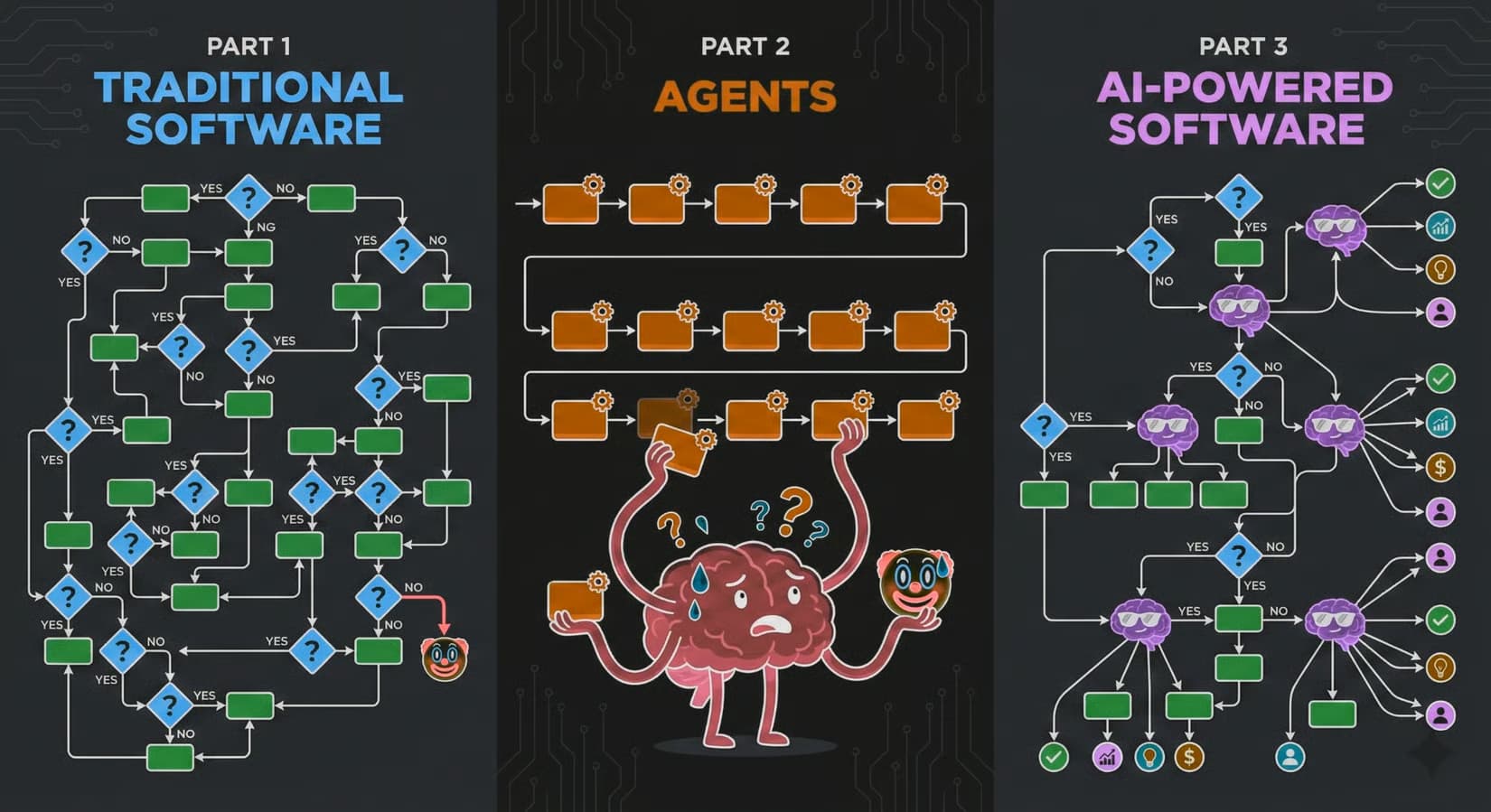
Modular: The Claude C Compiler: What It Reveals About the Future of Software
Compilers occupy a special place in computer science. They're a canonical course in computer science education. Building one is a rite of passage. It forces you to confront how software actually works, by examining languages, abstractions, hardware, and the boundary between human intent and machine execution.

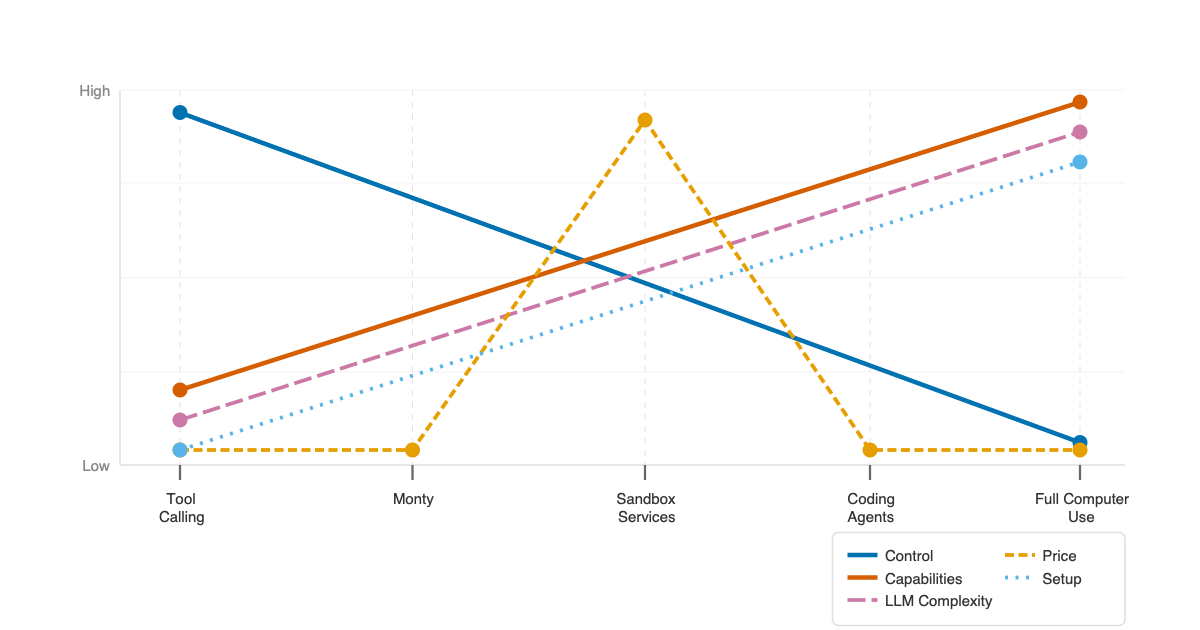
Pydantic Monty: A Minimal Python Sandbox for AI Agents | Pydantic
Meet Monty — a secure, minimal Python interpreter written in Rust for running AI-generated code. Learn where it sits between tool calling and full computer use, and why CodeMode matters for AI agents.
Permacomputing
Permacomputing is a computing design philosophy which aims to improve resilience by using regenerative design in computer and network technology. It is inspired by permaculture.[1] Permacomputing approaches to computing often involve paying more attention to the life-cycle of hardware (including re-use and designing for older hardware),[1] using low-level languages such as FORTH that have greater operability with older hardware, and fostering a more mindful relationship with technology.[2]
Coding After Coders: The End of Computer Programming as We Know It - …
archived 16 Mar 2026 15:14:04 UTC
