


Plutonium is a chemical element; it has symbol Pu and atomic number 94. It is a silvery-gray actinide metal that tarnishes when exposed to air, and forms a dull coating when oxidized. The element normally exhibits six allotropes and four oxidation states. It reacts with carbon, halogens, nitrogen, silicon and hydrogen. When exposed to moist air, it forms oxides and hydrides that can expand the sample up to 70% in volume, which in turn flake off as a powder that is pyrophoric. It is radioactive and can accumulate in bones, which makes the handling of plutonium dangerous.
Nuclear weapon
A nuclear weapon is an explosive device that derives its destructive force from nuclear reactions, either nuclear fission or a combination of fission and nuclear fusion reactions, producing a nuclear explosion. Both bomb types release large quantities of energy from relatively small amounts of matter. Nine sovereign states are believed to possess nuclear weapons as of 2026: United States, Russia, the United Kingdom, France, China, India, Pakistan, North Korea, and Israel.

Centurial Persistence of Forever Chemicals at Military Fire Training Sites
Abstract. Drinking water contamination by per- and polyfluoroalkyl substances (PFAS) is widespread near more than 300 United States (U.S.) military bases t
The Air That We Breathe: Neutral and Volatile PFAS in Indoor Air
Abstract. Sources of exposure to per- and polyfluorinated alkyl substances (PFAS) include food, water, and, given that humans spend typically 90% of their
Per- and polyfluoroalkyl substances (PFAS) and total fluorine in fire station dust
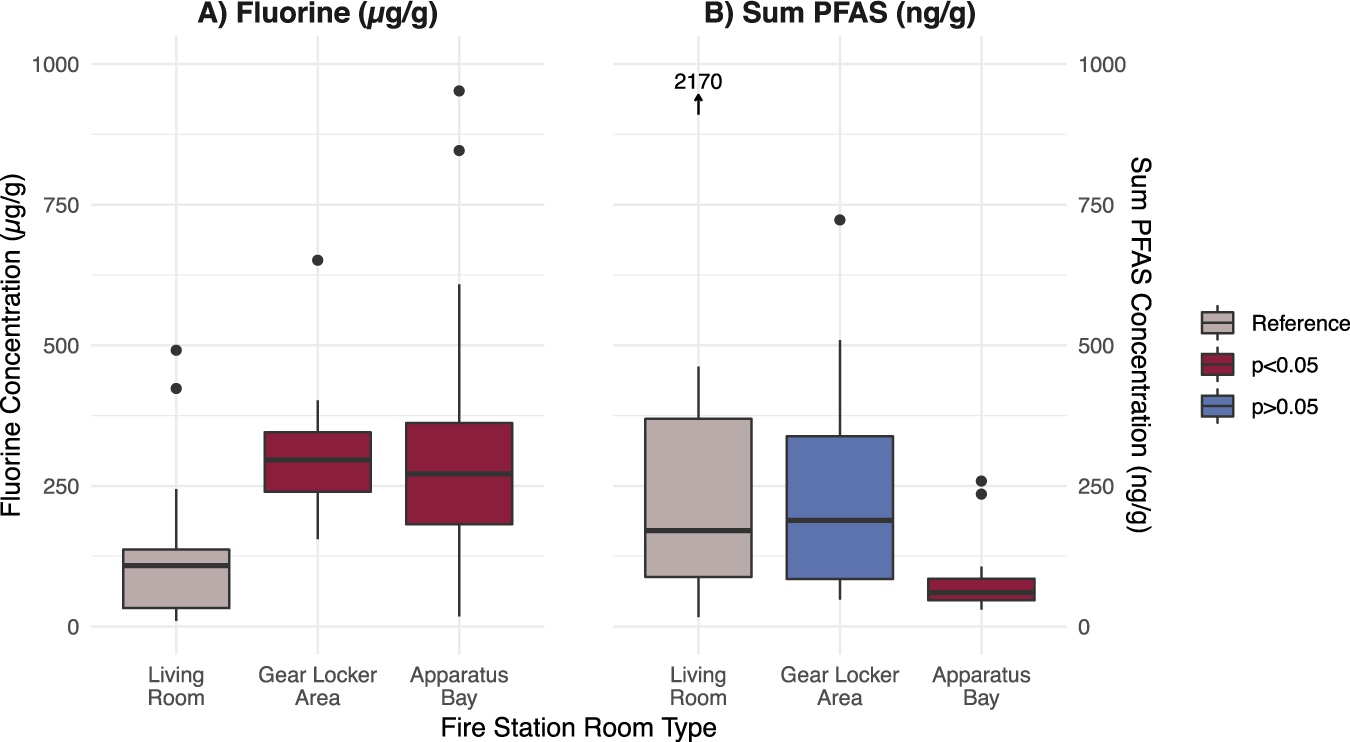
Per- and polyfluoroalkyl substances (PFAS) are a class of over 4700 fluorinated compounds used in industry and consumer products. Studies have highlighted the use of aqueous film-forming foams (AFFFs) as an exposure source for firefighters, but little is known about PFAS occurrence inside fire stations, where firefighters spend most of their shifts. In this study, we aimed to characterize PFAS concentrations and sources inside fire stations. We measured 24 PFAS (using LC–MS/MS) and total fluorine (using particle-induced gamma ray emission) in dust from multiple rooms of 15 Massachusetts stations, many of which (60%) no longer use PFAS-containing AFFF at all and the rest of which only use it very rarely. Compared to station living rooms, turnout gear locker rooms had higher dust levels of total fluorine (p < 0.0001) and three PFAS: perfluorohexanoate (PFHxA), perfluoroheptanoate (PFHpA), and perfluorodecanoate (PFDoDA) (p < 0.05). These PFAS were also found on six wipes of station turnout gear. By contrast, the dominant PFAS in living rooms was N-ethyl perfluorooctane sulfonamidoacetic acid (N-MeFOSAA), a precursor to perfluorooctane sulfonate (PFOS) that still persists despite phase-outs almost two decades ago. The Σ24 PFAS accounted for less than 2% of fluorine in dust (n = 39), suggesting the potential presence of unknown PFAS. Turnout gear may be an important PFAS source in stations due to intentional additives and/or contamination from firefighting activities.
Contribution of Indoor Air and Dust to Children’s Per- and Polyfluoroalkyl Substance Exposure in the Faroe Islands
Abstract. The people of the Faroe Islands are uniquely exposed to per- and polyfluoroalkyl substances (PFASs); despite no local production of these compoun

The “Anthropocene”
Human activities are exerting increasing impacts on the environment on all scales, in many ways outcompeting natural processes. This includes the manufacturing of hazardous chemical compounds which are not produced by nature, such as for instance the...

Fragments of U.S.-Made Missile Seen in Photos Taken by Iran Near Deadly School Strike
Iranian state media posted mangled remnants it claims were from the Feb. 28 attack in Minab. An analysis shows they have the markings of a missile made by American manufacturers

Whale Baleen To Monitor Per- and Polyfluoroalkyl Substances (PFAS) in Marine Environments
Abstract. Per- and polyfluoroalkyl substances (PFAS) comprise >10 000 synthetic compounds that are globally distributed and highly persistent but remain

Element: pointerrawupdate event - Web APIs | MDN
The pointerrawupdate event is fired when a pointer changes any properties that don't fire pointerdown or pointerup events. See pointermove for a list of these properties.

How Well Do Product Labels Indicate the Presence of PFAS in Consumer Items Used by Children and Adolescents?
Abstract. PFAS are persistent and toxic chemicals used in many commercial and industrial applications that are often added to consumer products, including
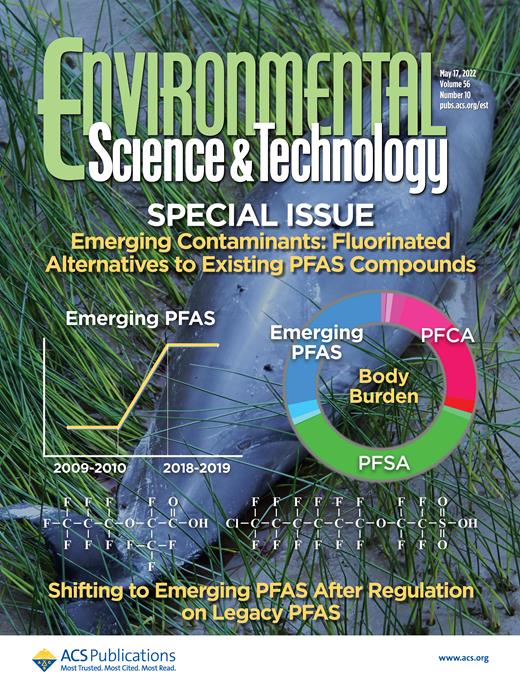
Information Requirements under the Essential-Use Concept: PFAS Case Studies
Abstract. Per- and polyfluoroalkyl substances (PFAS) are a class of substances for which there are widespread concerns about their extreme persistence in c
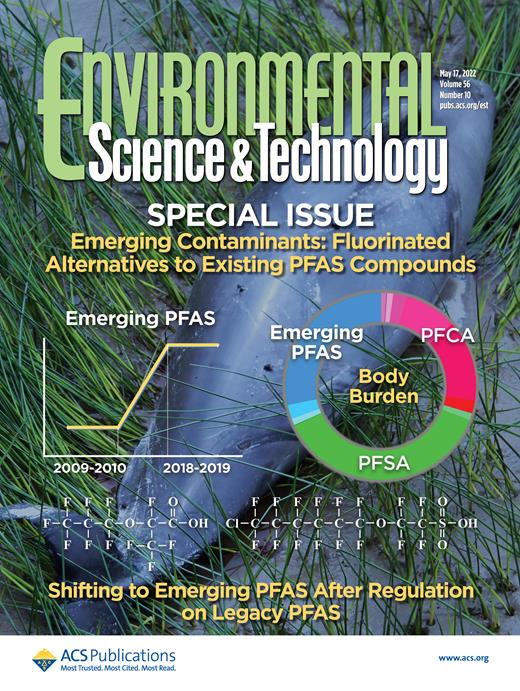
Stability of Per- and Polyfluoroalkyl Substances in Solvents Relevant to Environmental and Toxicological Analysis
Abstract. Per- and polyfluoroalkyl substances (PFASs) are widely used anthropogenic chemicals. For environmental and toxicological analysis, it is importan
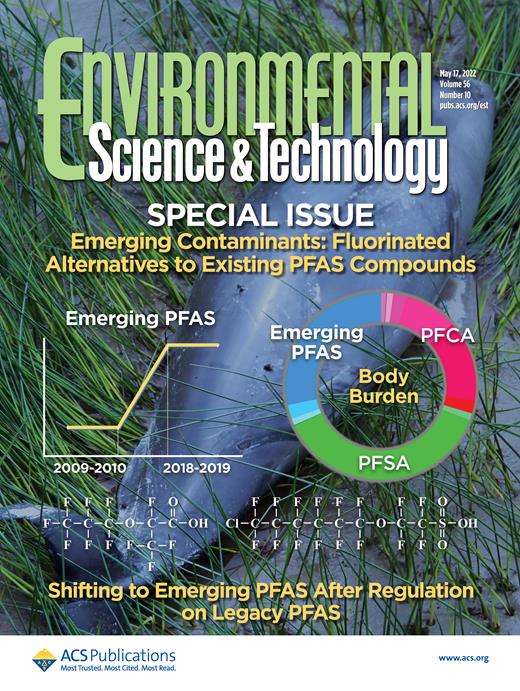
Addressing Urgent Questions for PFAS in the 21st Century
Abstract. Despite decades of research on per- and polyfluoroalkyl substances (PFAS), fundamental obstacles remain to addressing worldwide contamination by

Scientific Basis for Managing PFAS as a Chemical Class
Abstract This commentary presents a scientific basis for managing as one chemical class the thousands of chemicals known as PFAS (per- and polyfluoroalkyl substances). The class includes perfluoroalkyl acids, perfluoroalkylether acids, and their precursors; fluoropolymers and perfluoropolyethers; and other PFAS. The basis for the class approach is presented in relation to their physicochemical, environmental, and toxicological properties. Specifically, the high persistence, accumulation potential, and/or hazards (known and potential) of PFAS studied to date warrant treating all PFAS as a single class. Examples are provided of how some PFAS are being regulated and how some businesses are avoiding all PFAS in their products and purchasing decisions. We conclude with options for how governments and industry can apply the class-based approach, emphasizing the importance of eliminating non-essential uses of PFAS, and further developing safer alternatives and methods to remove existing PFAS from the environment.
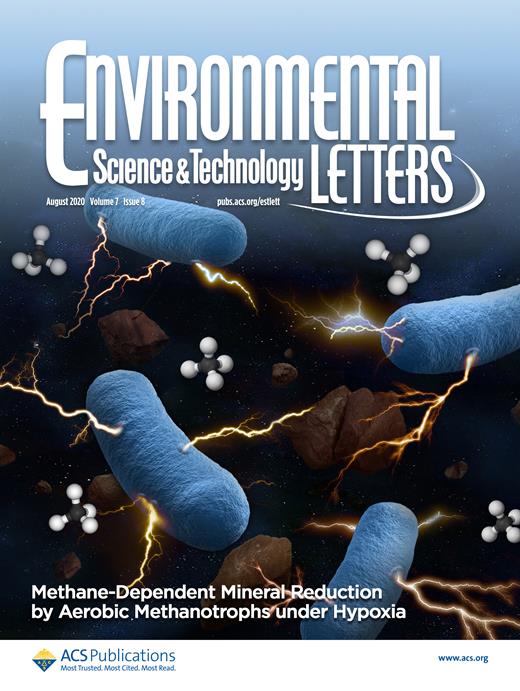
How Do We Measure Poly- and Perfluoroalkyl Substances (PFASs) at the Surface of Consumer Products?
Abstract. Exposures to poly- and perfluoroalkyl substances (PFASs) have been linked to metabolic disruption, immunotoxicity, and cancer in humans. PFASs ar
After thinking about this question all weekend, I think my favorite candidate is the alchemical symbol for air: 🜁 It’s connotes both atmosphere and “transfer”. It’s a standard Unicode character. It references a capital “A.” And it’s very simple, which feels appropriate for a protocol, like 🌐 or 🛜.

Eurosky Social
We need an Atmosphere logo
