


Quantified self is both the cultural phenomenon of self-tracking with technology and a community of users and makers of self-tracking tools who share an interest in "self-knowledge through numbers". Quantified self practices overlap with the practice of lifelogging and other trends that incorporate technology and data acquisition into daily life, often with the goal of improving physical, mental, and emotional performance. The widespread adoption in recent years of wearable fitness and sleep trackers such as the Fitbit or the Apple Watch, combined with the increased presence of Internet of things in healthcare and in exercise equipment, have made self-tracking accessible to a large segment of the population.
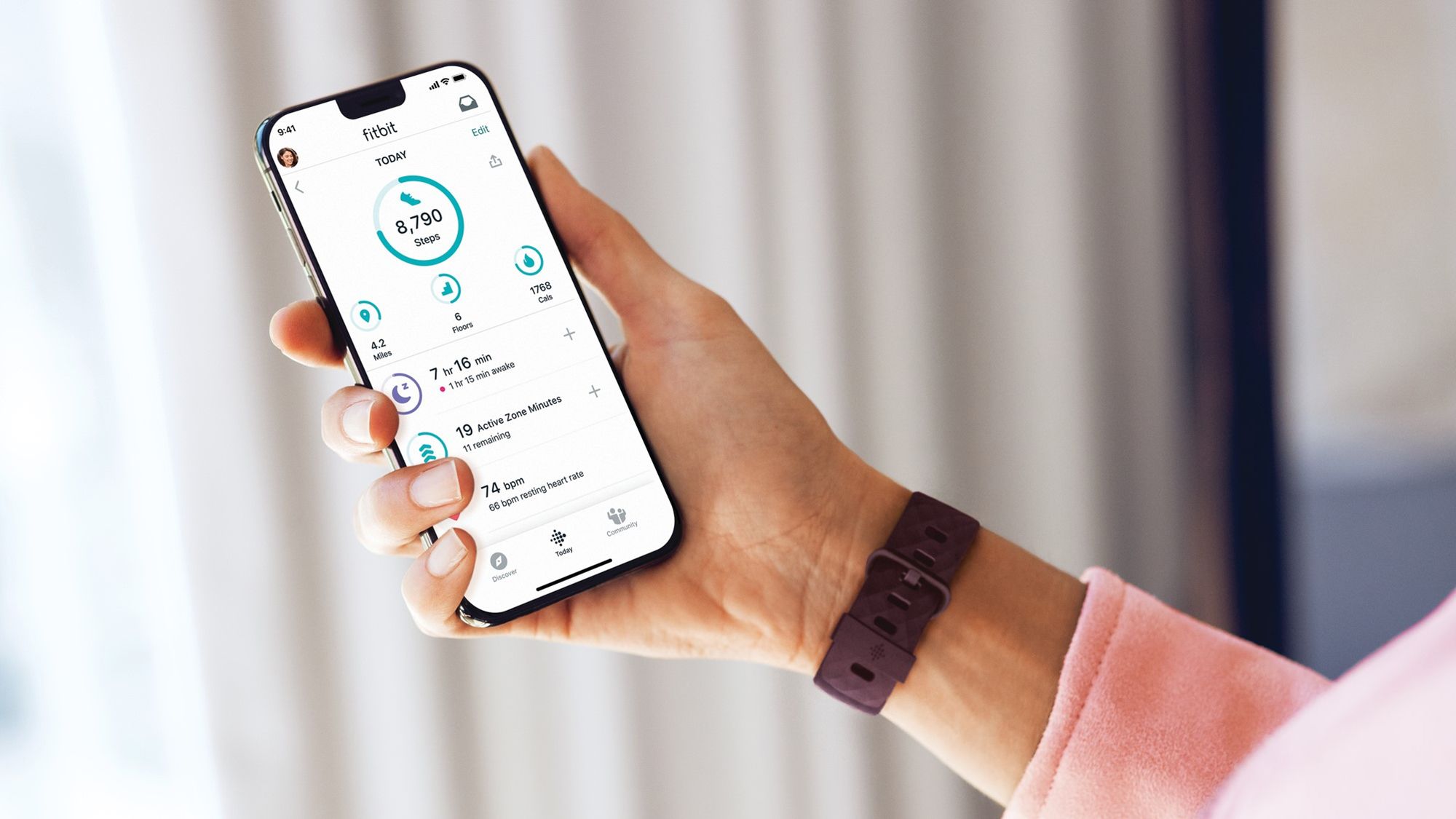
‘I hate the new Google Health app’: Fitbit fans bemoan the ‘end of an era’ as last holdouts are forced to switch to Google’s alternative
The final goodbye for the Fitbit app
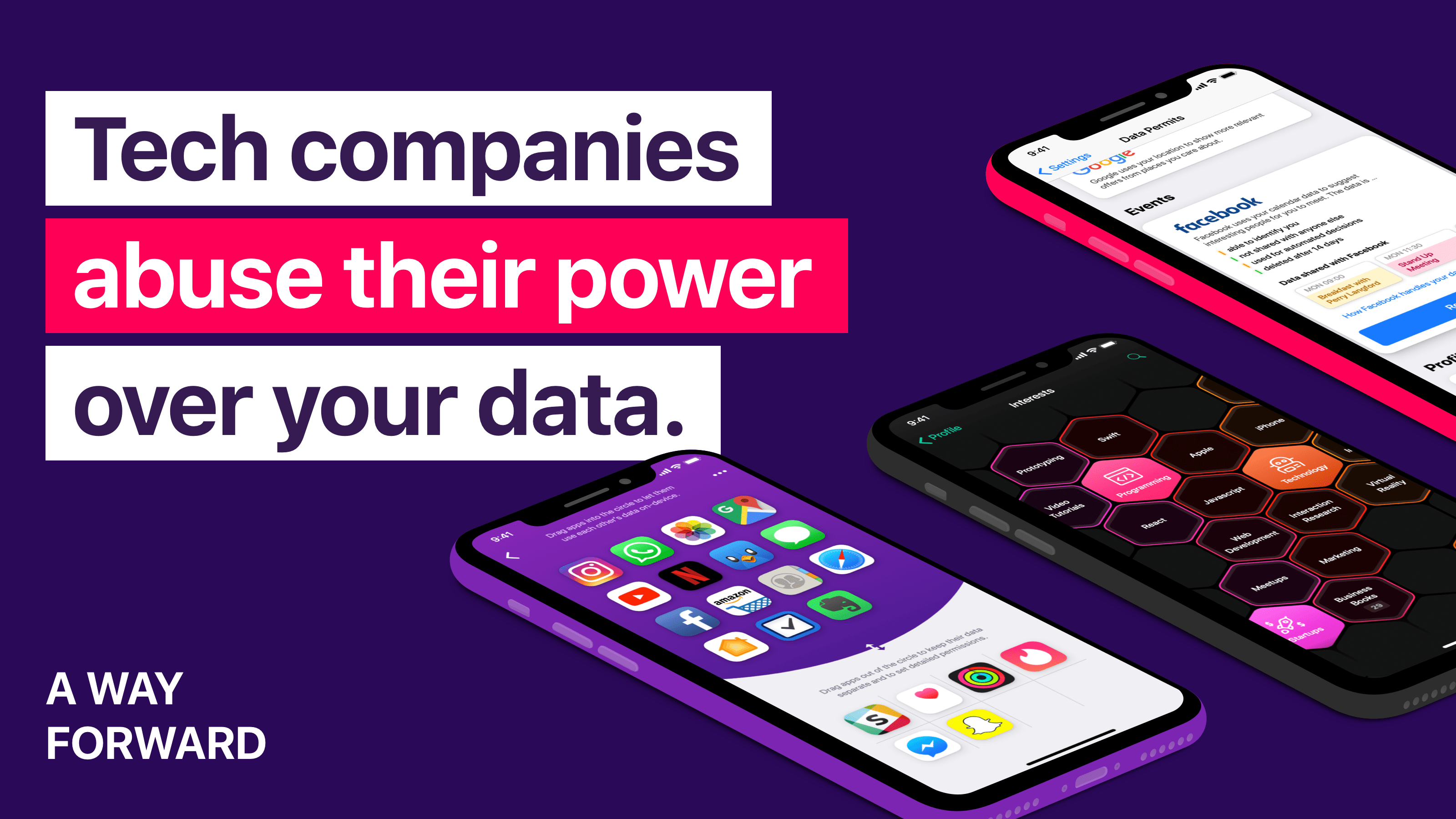
Rethinking how technology uses our personal data
This essay explores visually how keeping data and AI on‑device could empower not only users, but also companies.
Need Some Help Reaching Your Goals? Try These 5 Habit-Tracking Apps
They can help you set — and stick to — your goals

Life Cycle - Track Your Time App - App Store
Download Life Cycle - Track Your Time by Sleep Cycle AB on the App Store. See screenshots, ratings and reviews, user tips, and more apps like Life Cycle - Track…

FitnessSyncer joins your health and fitness clouds into one Dashboard and Stream. Supporting over 50 health and fitness providers, including Strava, Fitbit, Garmin Connect, Samsung Health, Google Health Connect, RunKeeper, and more!
FitnessSyncer joins your health and fitness clouds into one Dashboard and Stream. Supporting over 50 health and fitness providers!
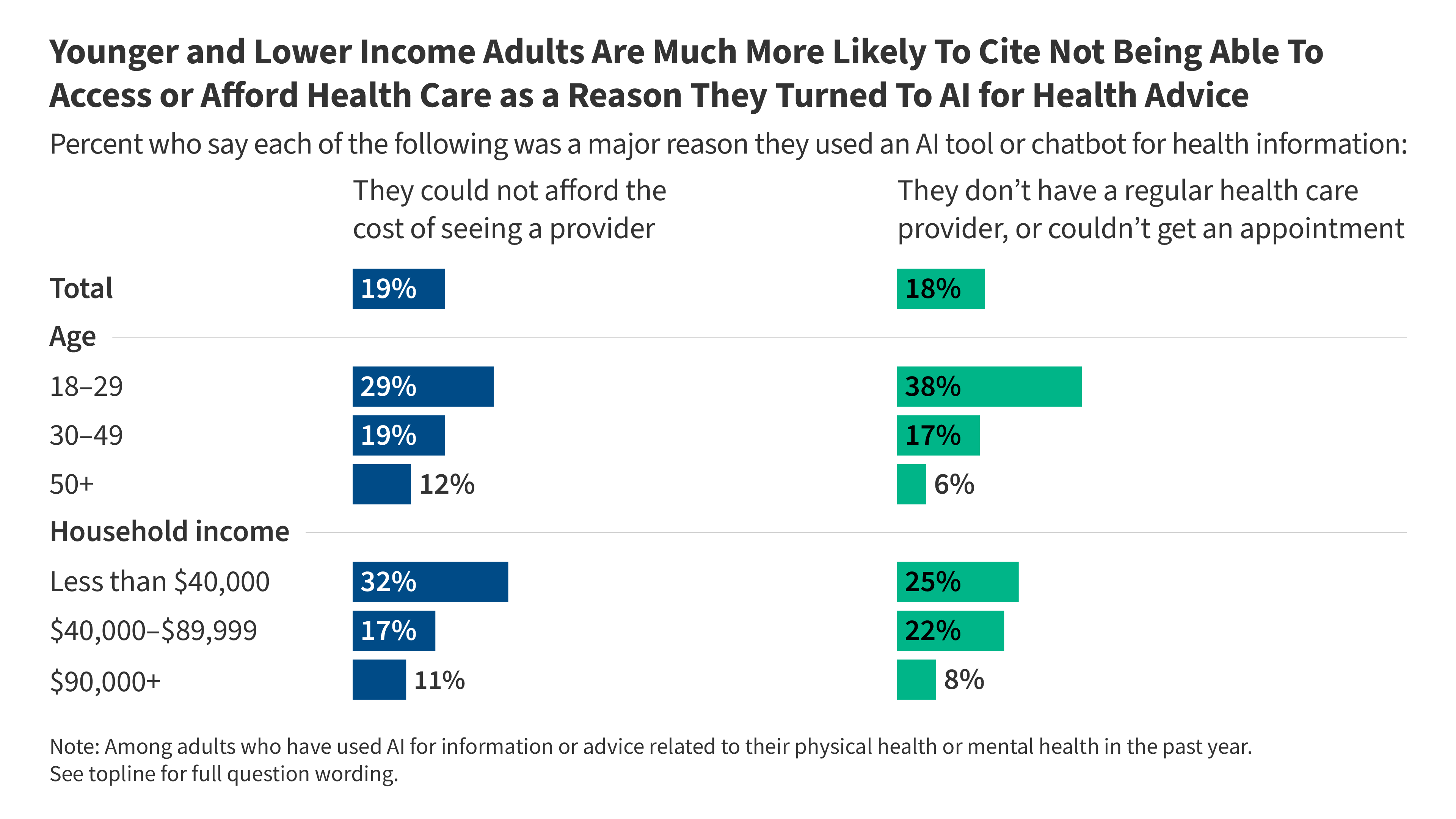
KFF Tracking Poll on Health Information and Trust: Use of AI For Health Information and Advice | KFF
This poll finds that about as many adults are turning to AI for health information as social media, with health care costs and access driving many users, particularly younger users.
Your Fit. Your Way. | A Mobile App That Makes Motivation Easier | Yes.Fit
The Global Leader in Virtual Races and Fitness Challenges. Interactive, motivating, and fun. Earn medals and other rewards. Get started for free.
Bee - Your new wearable personal AI
Bee is the personal wearable Ai that understands you.

How to Track the People Tracking YOU
Self-host analytics for better privacy and accuracy
Something that always annoyed me of the current state of technology is how easy and pervasive we let tracking become. Tens of connections to 3rd parties carrying Referer and Cookies just to load an article. (We give up our users to social media websites just to show a like button that looks worse anyway in a iframe than it would natively, wtf.) But I digress.
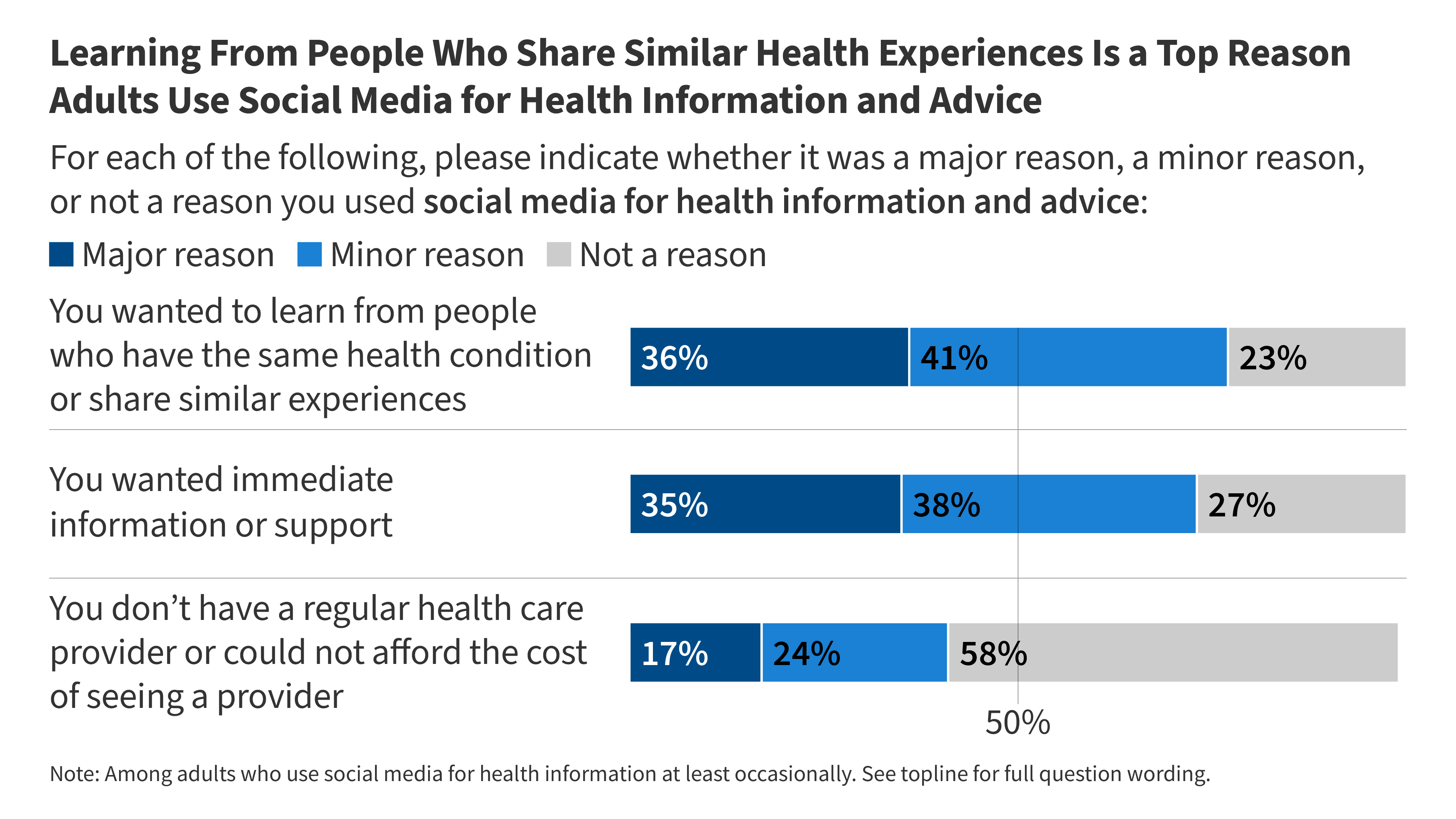
KFF Tracking Poll on Health Information and Trust: Use of Social Media and AI For Health Information and Advice | KFF
This poll finds that about 3 in 10 adults turn to social media for health information and advice at least monthly. Community connection and the need for immediate answers are the top reasons why people are turning to these tools. Slim majorities of those who use social media for health are confident they can tell what is true, and relatively few take steps to check the information they receive.
Your medical provider might be recording your mental health care visits – The Markup
Mental health providers are increasingly using AI technology to record conversations, raising privacy concerns among patients and practitioners.

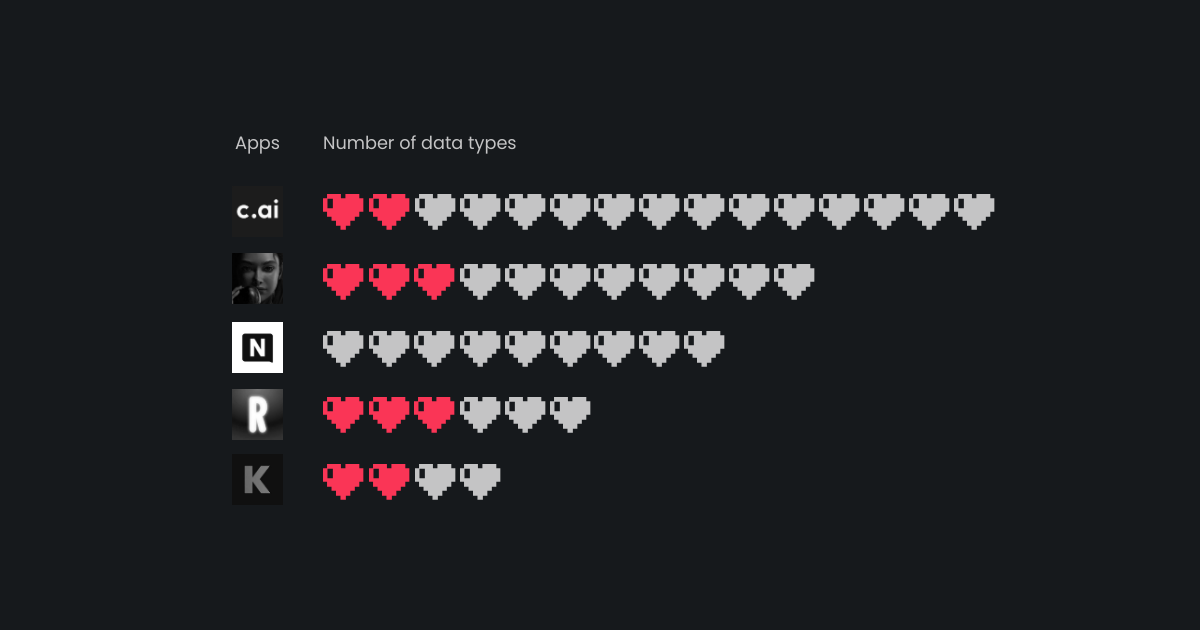
Data privacy concerns in AI companion apps - Surfshark
As AI grows, digital companions help with loneliness but raise questions about user data privacy. Many seek virtual relationships, but it's important to remember they are business-driven, not personal bonds.
FOSDEM 2025 - Human-Computer Counter-Choreographies
Human-Computer Counter-Choreographies is an artistic research project that combines critical design, choreography and embodied sense-making with data tracking. The project has evolved into various formats such as workshops, a live-coding performance piece, web-based tools and artworks. In this talk, Joana Chicau will introduce the motivations behind the project and how it has impacted audiences by raising awareness of data tracking. She will also demo a custom version of the open-source DuckDuckGo privacy extension which unveils online tracking algorithms through audio and visual feedback.

Alexander Obenauer
Exploring new and renewed ideas for how personal computing and the interfaces we think with can better serve people’s lives – expanding opportunity, agency, curiosity, and creativity.
🏃🏽♀️ ATfitness

Fitness logging apps and services in the ATmosphere network.

Atswim | Swimming, in the open
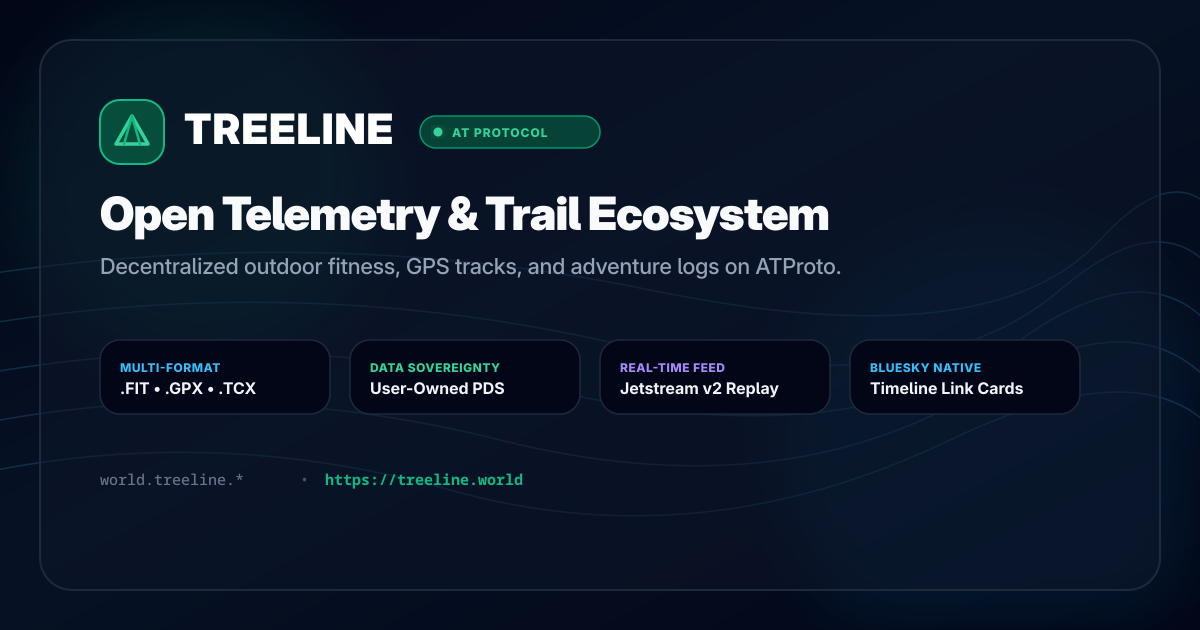
Treeline — Open Telemetry & Trail Ecosystem

Kimbia - A training journal that belongs to you.
The Distance
Sweat — minomobi
Gym-Tomo.at (β)