


Raloxifene, sold under the brand name Evista among others, is a medication used to prevent and treat osteoporosis in postmenopausal women and those on glucocorticoids. For osteoporosis it is less preferred than bisphosphonates. It is also used to reduce the risk of breast cancer in those at high risk. It is taken by mouth.
E + Raloxifene 5 week update
20 votes, 13 comments. 135K subscribers in the TransDIY community. Questions and resources related to Hormone Replacement Therapy (HRT), for…
raloxifene - QueerDoc • Trans Online Doctors Office - Curing LGBTQ+ Healthcare Discrimination
What If You Can’t Get Puberty Blockers? Puberty blockers (GnRH agonists; the most well-known option is “Lupron” or “leuprolide depot”)...

Raloxifene Treatment Is Associated With Increased Serum Estradiol and Decreased Bone Remodeling in Healthy Middle-Aged Men With Low Sex Hormone Levels
Abstract In healthy middle-aged men, raloxifene treatment was associated with increased serum estradiol and decreased biochemical markers of bone turnover in subjects with estradiol levels below a threshold of 101.8 pM. Introduction: We investigated the effects of the selective estrogen receptor modulator raloxifene on bone remodeling in healthy middle-aged men. Materials and Methods: Forty-three healthy eugonadal men (mean age, 56 years; range, 49-70 years) were enrolled in a randomized placebo-controlled, double-blind, two-sequence crossover study. The subjects received either raloxifene 120 mg/day or placebo for 6 weeks, followed by a 2-month washout period, before crossing over. To predict changes of urinary total deoxypyridinoline/creatinine on raloxifene treatment, we used a logistic regression model to determine cut-off values of sex hormones for highest sensitivity and specificity. Results: In the whole group, raloxifene treatment was associated with an increase in serum sex hormones, that is, total testosterone (+13%, p < 0.01), bioavailable testosterone (+11%, p = 0.02), total estradiol (+11%, p < 0.002), and bioavailable estradiol (+11%, p = 0.035), and with a decrease in serum osteocalcin (−13%, p < 0.05) and serum total alkaline phosphatase (−6%, p < 0.05). Other biochemical markers of bone turnover remained unchanged. Using a logistic regression model to predict changes in urinary deoxypyridoline, we calculated thresholds for total (101.8 pM) and bioavailable (4.79 pM) estradiol, as well as for total (19.4 nM) and bioavailable (0.35 nM) testosterone. Raloxifene treatment was associated with an increase in serum estradiol and decrease in biochemical markers of bone turnover in men with estradiol values below these estradiol thresholds, without any significant change in subjects with values above them. Similarly, raloxifene treatment was associated with an increase in serum testosterone and a decrease in biochemical markers of bone turnover in those with baseline testosterone values below the testosterone thresholds. The association between antiresorptive effects of raloxifene and low sex hormone levels was more pronounced for estradiol than for testosterone. Conclusions: The antiresorptive effect of raloxifene was only detectable in men with low baseline estradiol levels. Unlike in postmenopausal women, the increase of estradiol may contribute to the antiresorptive effect of raloxifene in men.

Lamictal and Estrogen
Heading into my late 40s and am perimenopausal, so my gp suggested a partial estrogen supplement (raloxifene). Because I was so desperate to…
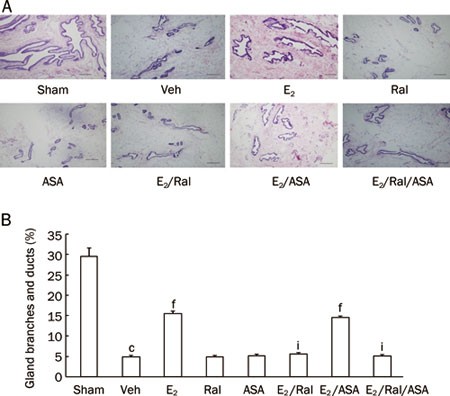
Combination of raloxifene, aspirin and estrogen as novel paradigm of hormone replacement therapy in rabbit model of menopause
To assess a novel hormone replacement therapy (HRT) paradigm using raloxifene, aspirin combined with estrogen in rabbit model of menopause.
Repurposing the estrogen receptor modulator raloxifene to treat SARS-CoV-2 infection
The ongoing coronavirus disease 2019 (COVID-19) pandemic caused by the novel severe acute respiratory syndrome coronavirus 2 (SARS-CoV-2) necessitates strategies to identify prophylactic and therapeutic drug candidates to enter rapid clinical development. This is particularly true, given the uncertainty about the endurance of the immune memory induced by both previous infections or vaccines, and given the fact that the eradication of SARS-CoV-2 might be challenging to reach, given the attack rate of the virus, which would require unusually high protection by a vaccine. Here, we show how raloxifene, a selective estrogen receptor modulator with anti-inflammatory and antiviral properties, emerges as an attractive candidate entering clinical trials to test its efficacy in early-stage treatment COVID-19 patients.

Lactulose Suppresses Osteoclastogenesis and Ameliorates Estrogen Deficiency-Induced Bone Loss in Mice
<p>Postmenopausal osteoporosis is characterized by excess osteoclastogenesis which leads to net bone loss and brittle fractures. Studies have demonstrated that estrogen deficiency-associated bone loss is microbiota-dependent and could be prevented by probiotics and prebiotics. In this study, we report that orally administered lactulose (20 g/kg, 6 weeks) orally administered significantly inhibited osteoclastogenesis, bone resorption, and prevented ovariectomy (OVX)-induced bone loss in mice. Lactulose increased intestinal <i>Claudin 2, 3 and 15,</i> compared to the OVX group, and lowered pro-osteoclastogenic cytokines levels including tumor necrosis factor-α, interleukin(IL)-6, receptor activator of nuclear factor kappa-Β ligand (RANKL), and IL-17 as well as increased the anti-inflammatory cytokine IL-10 in the intestine, peripheral blood, and bone marrow. Lactulose significantly preserved the number of Foxp3<sup>+</sup> Treg cells in the intestines compared with that in OVX mice. Lactulose altered the composition of intestinal microbiota measured by 16s rDNA sequencing and increased intestinal and serum short-chain fatty acids (SCFAs) levels including acetate, propionate and butyrate which were decreased in OVX mice as measured by gas chromatography. Oral administration of lactulose for 2 weeks significantly lowered the level of bone resorption marker C-telopeptide of type 1 collagen-1 in healthy male young volunteers (aging 20-25 years). In conclusion, lactulose inhibited osteoclastogenesis and bone resorption by altering the intestinal microbiota and increasing SCFAs. Lactulose could serve as an ideal therapeutic agent for postmenopausal osteoporosis.</p>
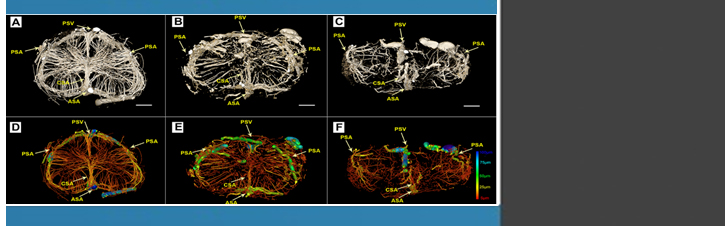
Effects of raloxifene on body fat distribution and lipid profile in healthy post-menopausal women
The aim of our prospective, randomised, controlled and open-label clinical study was to evaluate in healthy post-menopausal women the effects of raloxifene (RLX) on body fat distribution and lipids, and the correlations between these parameters. The fat distribution, by dual energy X-ray absorptiometry, and lipids were evaluated at baseline and after 1 yr in 50 postmenopausal women: 25 were treated with RLX 60 mg/die, while 25 served as control group (CG). After 1 yr, we observed in RLX-users a slight reduction of fat mass in trunk and central region and an increase in legs and, in relation to CG, significantly lower values of adiposity in trunk and abdominal region (p<0.05). At the same time, HDL-cholesterol (HDL-C) and apolipoprotein A1 (ApoA1) were significantly increased in relation to baseline values and CG (p<0.05) and apolipoprotein B (ApoB), total cholesterol/HDL-C, LDL cholesterol/HDL-C, and ApoB/ApoA1 ratios significantly decreased compared to baseline values and CG (p<0.05). No correlation was underlined among lipids and regional fat distribution. These results highlight the positive effect of RLX on lipids and suggest, for the first time, that RLX promotes the shift from android to gynoid fat distribution, and prevents the uptrend of abdominal adiposity and body weight compared with untreated women.

Dietary Supplements in the Time of COVID-19 - Consumer
Andrographis is an herb that is native to Southeast Asia. It might help fight viruses, reduce inflammation, and stimulate the immune system.

Probiotic <i>L. reuteri</i> Treatment Prevents Bone Loss in a Menopausal Ovariectomized Mouse Model
Abstract Estrogen deficiency is a major risk factor for osteoporosis that is associated with bone inflammation and resorption. Half of women over the age of 50 will experience an osteoporosis related fracture in their lifetime, thus novel therapies are needed to combat post‐menopausal bone loss. Recent studies suggest an important role for gut‐bone signaling pathways and the microbiota in regulating bone health. Given that the bacterium Lactobacillus reuteri ATCC PTA 6475 ( L. reuteri ) secretes beneficial immunomodulatory factors, we examined if this candidate probiotic could reduce bone loss associated with estrogen deficiency in an ovariectomized (Ovx) mouse menopausal model. Strikingly, L. reuteri treatment significantly protected Ovx mice from bone loss. Osteoclast bone resorption markers and activators (Trap5 and RANKL) as well as osteoclastogenesis are significantly decreased in L. reuteri ‐treated mice. Consistent with this, L. reuteri suppressed Ovx‐induced increases in bone marrow CD4+ T‐lymphocytes (which promote osteoclastogenesis) and directly suppressed osteoclastogenesis in vitro. We also identified that L. reuteri treatment modifies microbial communities in the Ovx mouse gut. Together, our studies demonstrate that L. reuteri treatment suppresses bone resorption and loss associated with estrogen deficiency. Thus, L. reuteri treatment may be a straightforward and cost‐effective approach to reduce post‐menopausal bone loss. J. Cell. Physiol. 229: 1822–1830, 2014. © 2014 Wiley Periodicals, Inc.

Transfemme nonbinary hormone therapy
Things started working when I was able to talk to a provider who had some experience with SERMs. They acknowledged that spironolactone wasn’t working for me, and prescribed leuprolide injections. They also said they had no experience with raloxifene, but had used tamoxifen, a different SERM, in a previous patient. This turned out to be a lucky coincidence for me, because on tamoxifen, I definitely did notice some estrogenic effects, but not in my breasts.
Current Status of the Diagnosis and Management of Osteoporosis
Osteoporosis has been defined as the silent disease of the 21st century, becoming a public health risk due to its severity, chronicity and progression and affecting mainly postmenopausal women and older adults. Osteoporosis is characterized by an imbalance between bone resorption and bone production. It is diagnosed through different methods such as bone densitometry and dual X-rays. The treatment of this pathology focuses on different aspects. On the one hand, pharmacological treatments are characterized by the use of anti-resorptive drugs, as well as emerging regenerative medicine treatments such as cell therapies and the use of bioactive hydrogels. On the other hand, non-pharmacological treatments are associated with lifestyle habits that should be incorporated, such as physical activity, diet and the cessation of harmful habits such as a high consumption of alcohol or smoking. This review seeks to provide an overview of the theoretical basis in relation to bone biology, the existing methods for diagnosis and the treatments of osteoporosis, including the development of new strategies.

Student discovers long-awaited mystery fungus sought by LSD's inventor
Making a discovery with the potential for innovative applications in pharmaceutical development, a microbiology student has found a long sought-after fungus that produces effects similar to the semisynthetic drug LSD, which is used to treat conditions like depression, post-traumatic stress disorder and addiction.

The Mystery in the Medicine Cabinet
Acetaminophen, ibuprofen, and what doctors probably want you to know.

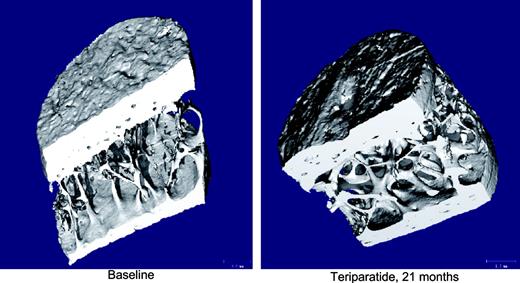
Parathyroid Hormone and Teriparatide for the Treatment of Osteoporosis: A Review of the Evidence and Suggested Guidelines for Its Use
All therapies currently recommended for the management of osteoporosis act mainly to inhibit bone resorption and reduce bone remodeling. PTH and its analog
Bisphosphonates: Mechanism of Action and Role in Clinical Practice
Bisphosphonates are primary agents in the current pharmacological arsenal against osteoclast-mediated bone loss due to osteoporosis, Paget disease of bone, malignancies metastatic to bone, multiple myeloma, and hypercalcemia of malignancy. In addition to currently approved uses, bisphosphonates are commonly prescribed for prevention and treatment of a variety of other skeletal conditions, such as low bone density and osteogenesis imperfecta. However, the recent recognition that bisphosphonate use is associated with pathologic conditions including osteonecrosis of the jaw has sharpened the level of scrutiny of the current widespread use of bisphosphonate therapy.
