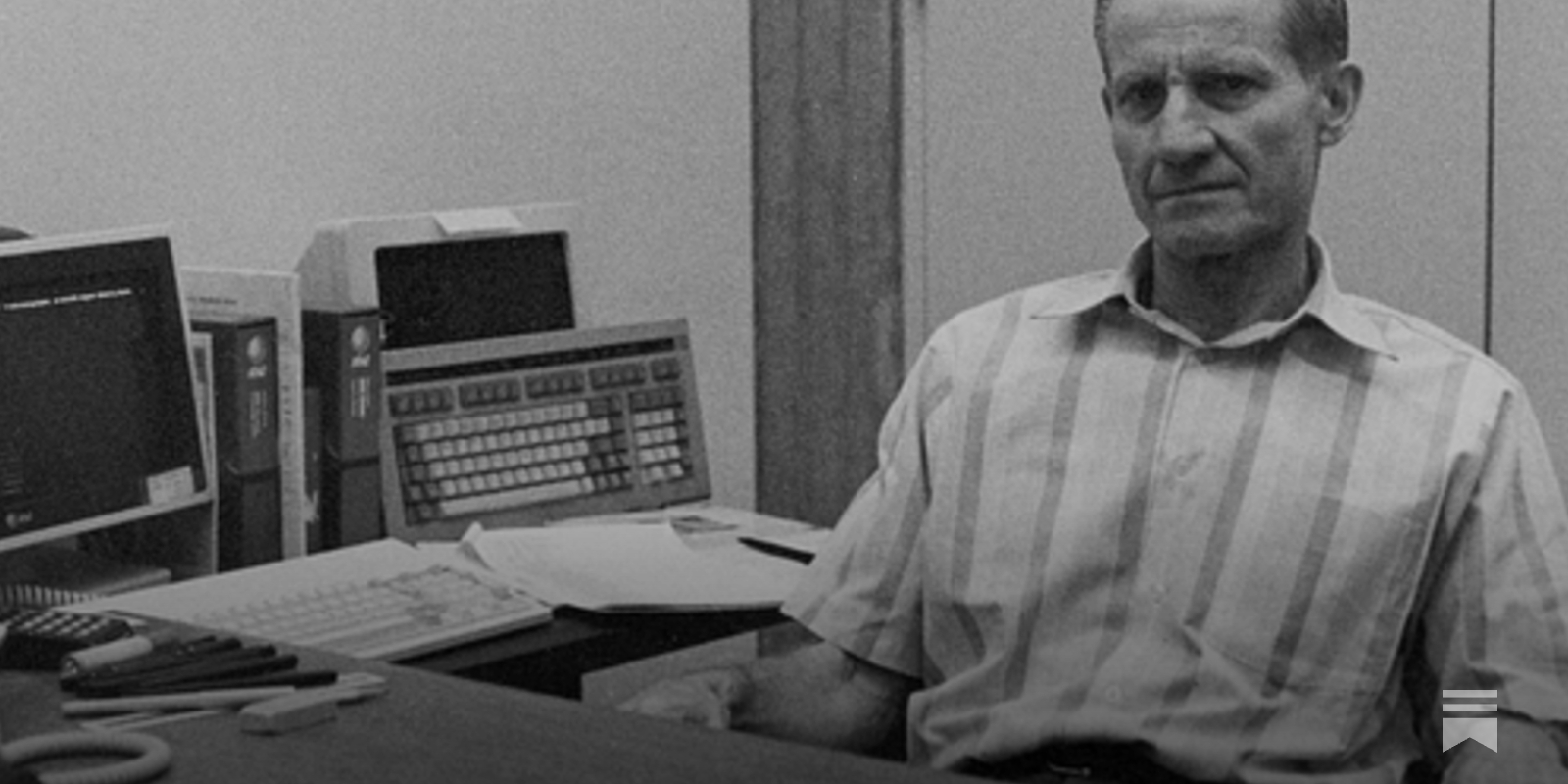
Seymour Aubrey Papert was a South African-born American mathematician, computer scientist, and educator, who spent most of his career teaching and researching at the Massachusetts Institute of Technology. He was one of the pioneers of artificial intelligence, and of the constructionist movement in education. He was co-inventor, with Wally Feurzeig and Cynthia Solomon, of the Logo programming language.

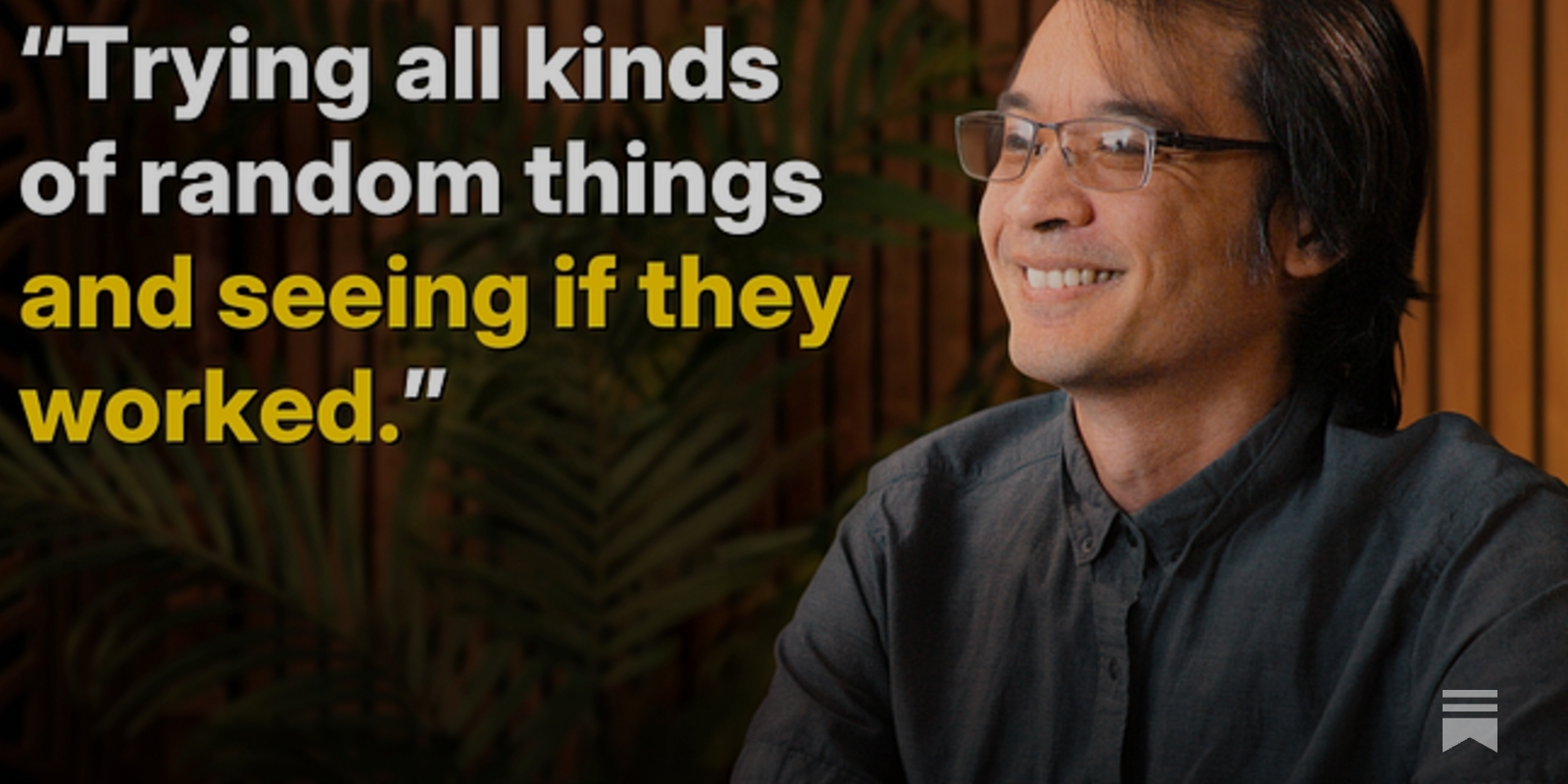
Terence Tao – Kepler, Newton, and the true nature of mathematical discovery
“And what those stories teach us about how AI will revolutionize math”
Claude
Claude is Anthropic's AI, built for problem solvers. Tackle complex challenges, analyze data, write code, and think through your hardest work.
Claude
Claude is Anthropic's AI, built for problem solvers. Tackle complex challenges, analyze data, write code, and think through your hardest work.
The Anti-Intellectualism of Silicon Valley Elites
I recently re-read Richard Hofstadter's Anti-Intellectualism in American Life, and now every time a reactionary Silicon Valley billionaire opens his mouth, I think about it. So I wrote about it for The Nation. Here's the column: On Instagram, there’s an activist named Brian Patrick (@pano.

Sir Tim Berners-Lee on Building AI That Benefits Everyone
In a recent Financial Times op-ed, World Wide Web inventor Sir Tim Berners-Lee discusses how to ensure a future of AI that benefits and protects all.

Humanities in the Machine - Blain Smith
There is something quietly remarkable about the people who built the foundations of modern computing. Not their technical achievements, though those are extraordinary. What is remarkable is where they came from before they ever touched a machine.
Steve Jobs
"FROM THE AUTHOR OF THE BESTSELLING BIOGRAPHIES OF BENJAMIN FRANKLIN AND ALBERT EINSTEIN, THIS IS THE EXCLUSIVE BIOGRAPHY OF STEVE JOBS. Based on more than forty interviews with Jobs conducted over two years--as well as interviews with more than a hundred family members, friends, adversaries, competitors, and colleagues--Walter Isaacson has written a riveting story of the roller-coaster life and searingly intense personality of a creative entrepreneur whose passion for perfection and ferocious drive revolutionized six industries: personal computers, animated movies, music, phones, tablet computing, and digital publishing. At a time when America is seeking ways to sustain its innovative edge, and when societies around the world are trying to build digital-age economies, Jobs stands as the ultimate icon of inventiveness and applied imagination. He knew that the best way to create value in the twenty-first century was to connect creativity with technology. He built a company where leaps of the imagination were combined with remarkable feats of engineering. Although Jobs cooperated with this book, he asked for no control over what was written nor even the right to read it before it was published. He put nothing off-limits. He encouraged the people he knew to speak honestly. And Jobs speaks candidly, sometimes brutally so, about the people he worked with and competed against. His friends, foes, and colleagues provide an unvarnished view of the passions, perfectionism, obsessions, artistry, devilry, and compulsion for control that shaped his approach to business and the innovative products that resulted. Driven by demons, Jobs could drive those around him to fury and despair. But his personality and products were interrelated, just as Apple's hardware and software tended to be, as if part of an integrated system. His tale is instructive and cautionary, filled with lessons about innovation, character, leadership, and values"--

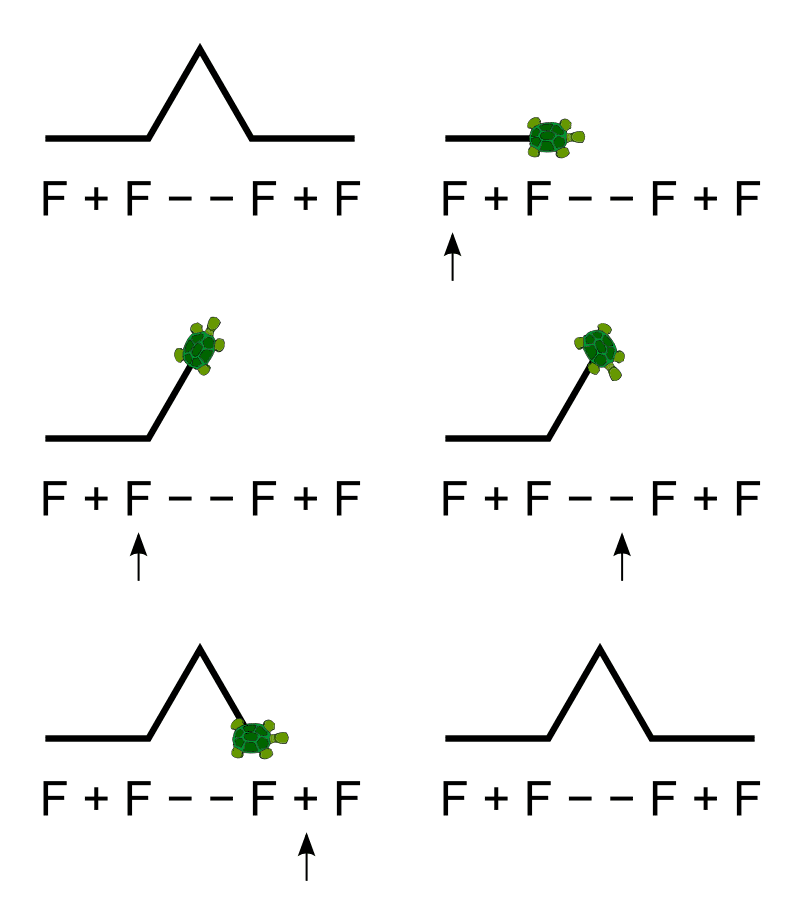
Logo (programming language)
Logo is an educational programming language, designed in 1967 by Wally Feurzeig, Seymour Papert, and Cynthia Solomon. The name was coined by Feurzeig while he was at Bolt, Beranek and Newman, and derives from the Greek logos, meaning 'word' or 'thought'.
Claude and Paper - Peter Van Dijck's homepage
I've always done a lot of engineering work on paper, figuring out relationships, page layouts, models, UX etc.
The Paper Pilot
I'm Anthony "The Paper Pilot" Lawn, and I develop programs and games using a variety of languages and engines. I received my B.S. and M.S. in Computer Science at the University of Texas at Dallas, with a focus on Computer Interaction.

The inventor of the web Tim Berners-Lee on the future of the internet, 'fake news,' and why net neutrality is so important
Axel Springer CEO Mathias Döpfner sat down with Sir Tim Berners-Lee, the inventor of the World Wide Web, for a far-ranging conversation.
Niklaus Wirth
Niklaus Wirth (born 1934 in Switzerland) is one of the most prominent computer scientists, mostly known for creating Pascal and several other programming languages.
The Math Superstar Who’s Terrified of AI—and Just Took a Job at OpenAI
Jacob Tsimerman won the biggest prize in math. Now he’s working on the most important problem of his career.

The Periodic Table of Cognition
I’ve been studying the early history of electricity’s discovery as a map for our current discovery of artificial intelligence. The smartest people alive back then, including Isaac Newton, who may have been the smartest person who ever lived, had confident … Continue reading →

The Past and Present of Computer-Augmented Hypothesis Generation
Don Swanson’s career started on a path familiar to many who read this blog.