Stockholm syndrome is a disputed disorder in pop psychology characterized by the tendency of hostages to develop a psychological bond with their captors. It is named after an attempted bank robbery in 1973, in Stockholm.
Blog | Online Therapy NYC | New York City 11096 | The Keely Group
Struggling with self-doubt at work? Click here to explore therapy for imposter syndrome in Manhattan, NY, tailored for twice-exceptional professionals.

The Psychopathic Selection Hypothesis: The Rules of the Game Keep Us Trapped - The Great Simplification
In this episode, Nate is joined by Greg Elliott, a systems theorist and author of the Psychopathic Selection Hypothesis (PSH), to unpack why our institutions themselves have become so psychopathic, and how that affects the behavior of the average human.

W Identity AB - Stockholm - Befattningar
Se information om befattningar för W Identity AB. Översikt med verklig hovudman, firmatecknare og historiska befattningshavare.
W Social AB - Stockholm - Befattningar
Se information om befattningar för W Social AB. Översikt med verklig hovudman, firmatecknare og historiska befattningshavare.

Why the Stockholm Declaration will never work
Abstract. The Stockholm Declaration calls for a moral reformation of scientific publishing—replacing commercial publishers with scholar-led journals, rewar


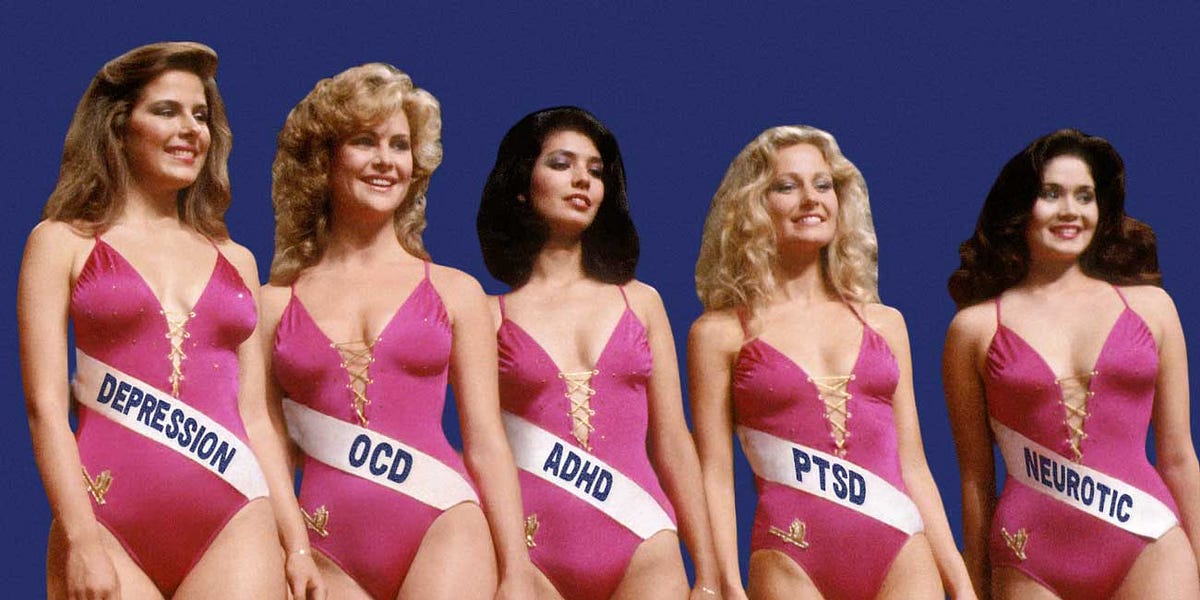
Nobody Has a Personality Anymore
My generation is obsessed with treating every trait as a symptom of a disorder: You’re not shy, you’re autistic; you’re not forgetful, you’ve got ADHD, writes Freya India.

Reality Roundtable #19 — Dark Triad Personality Traits: How Psychopathy, Narcissism, and Machiavellianism Impact Our Cultures & Social Systems - The Great Simplification
Psychopathy is often portrayed as a rare and distant phenomenon – something confined to movie villains or prison cells. Yet when psychopathy is combined with narcissism and Machiavellianism to form what psychologists call the Dark Triad, its impact becomes far more immediate. Individuals with these traits can wield disproportionate influence over our culture, institutions, and daily lives. What goes on inside their minds, and how do they shape the world around us?

Imposter Syndrome: Understanding and Managing It
Imposter Syndrome can be unnerving and frustrating. Here I unpick what it is, why it happens, and how to pragmatically manage it.
W Social & Friends AB - Stockholm - Befattningar
Se information om befattningar för W Social & Friends AB. Översikt med verklig hovudman, firmatecknare og historiska befattningshavare.
‘What is it actually about?’ Asymmetric mobilisation and the defeat of wage-earner fund policies in Sweden
‘Wage-earner funds’, an ultimately-defeated idea for union-controlled funds to develop stakes in Swedish companies, dominated Swedish politics in the late 1970s and early 1980s. They are regularly cited as a prominent attempt to introduce economic democracy. However, factors behind the funds’ defeat are often under-analysed, with the sequencing of events particularly neglected. This article corrects for this. It seeks to explain the defeat of wage-earner funds by tracing decision-making processes in the Social Democratic Party. It argues that the funds were defeated due to asymmetries in mobilisation, which were connected to asymmetries in everyday experiences. While capital owners mobilised strongly against wage-earner funds as an existential threat, most Social Democratic leaders, voters and union members saw the issue as detached from their everyday concerns. This points to the importance that asymmetries in experience and mobilisation can have in policy contests, which provides an advantage to capital in contests over investment control.

Elegant theories and the problems of social psychology
This perspective article provides a commentary on the current state of theories used in social psychology, with a particular emphasis on the importance of distinguishing between theoretical models ...
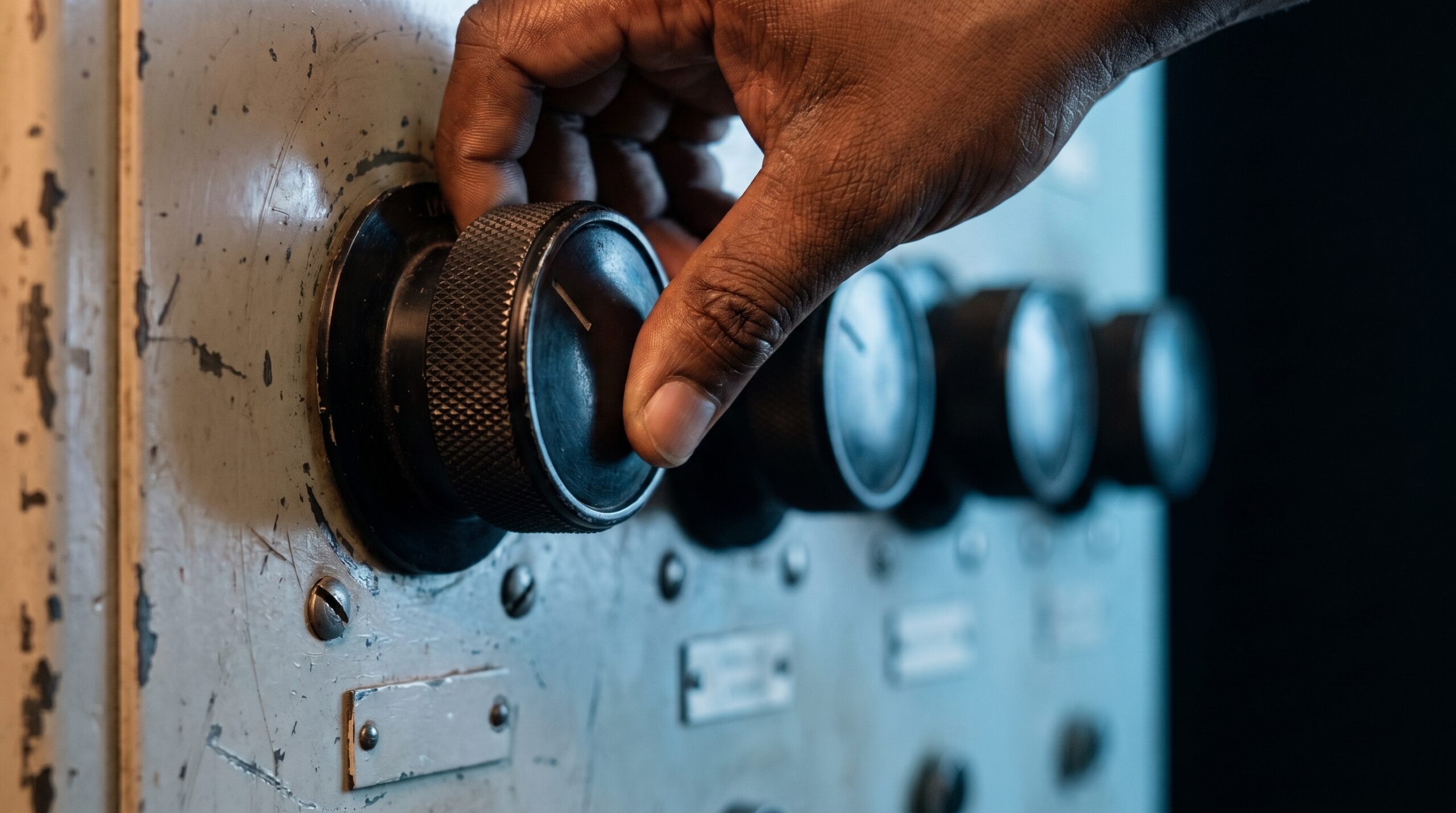
Turning the Dials Back on Psychopathy: Decent People, Indecent System - The Great Simplification
This week’s Frankly builds on Nate’s recent conversation with systems theorist Greg Elliott, who came on the platform to discuss why our institutions themselves have become psychopathic and how that affects the behavior of the average human.