


Sturgeon's law states, "Ninety percent of everything is crap". The adage was coined by American science fiction author and critic Theodore Sturgeon while defending the merits of the genre. Sturgeon observed that most works in any field were low quality. Therefore, science fiction was not uniquely inferior.
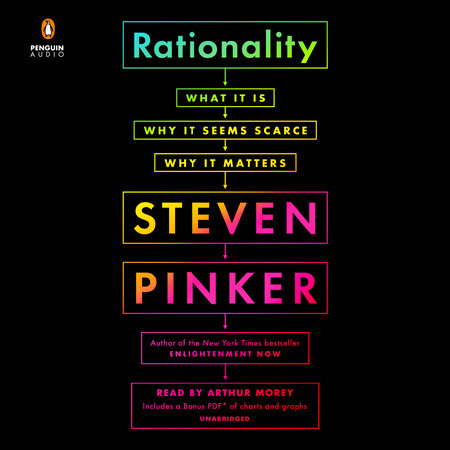
Rationality: What It Is, Why It Seems Scarce, Why It Matters by Steven Pinker
In the twenty-first century, humanity is reaching new heights of scientific understanding—and at ...
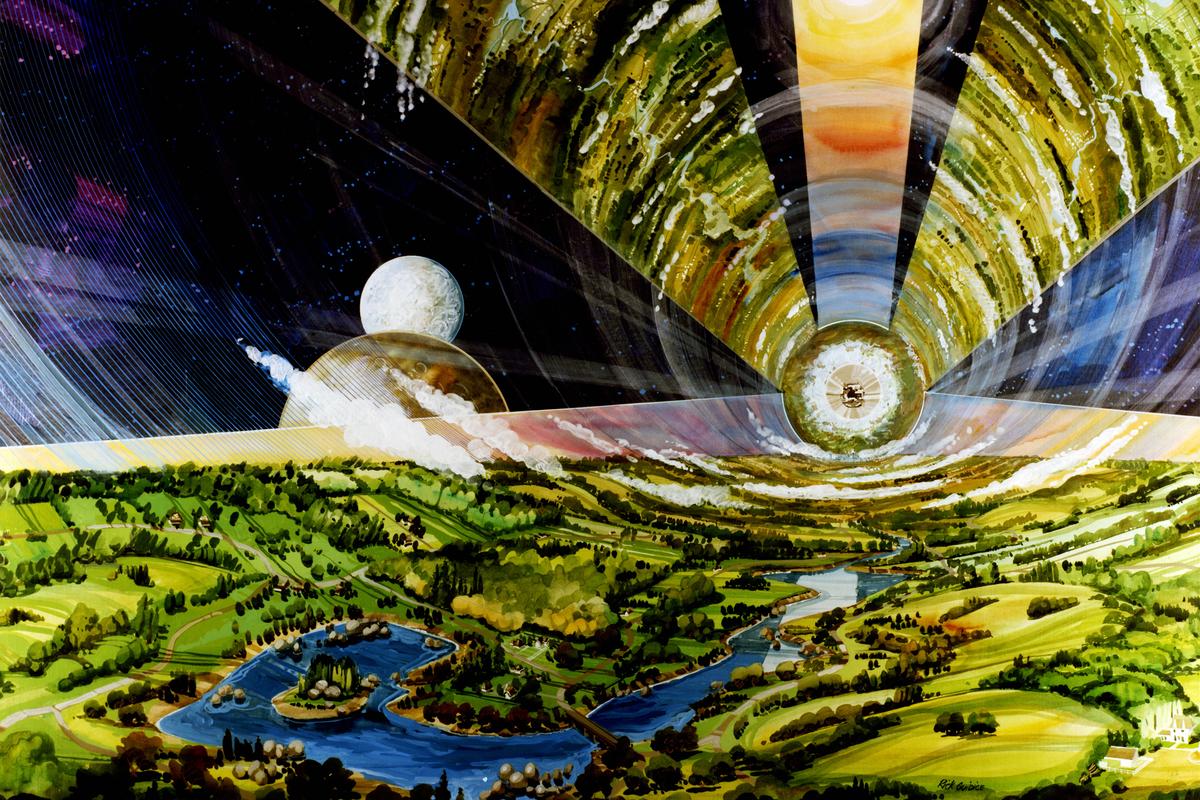
The Influence of Science Fiction on Science
I wager that if scientists were honest in citing the role science fiction has in their scientific work, their published papers would be rife with footnotes referencing science fiction novels as well as journal articles.

Pop science doesn't reach a "general audience"
Pop sci readers are wealthy, educated, and left-leaning

Silicon Valley has a science fiction problem | Aeon Essays
Tech titans claim the genre inspired them. But all they’ve done is graft their politics onto stories of a better future
A quote by Edsger W. Dijkstra
The question of whether a computer can think is no more interesting than the question of whether a submarine can swim.

More Everything Forever
This "smart and wonderfully readable" (New York Times) exposé shows why Silicon Valley’s heartless, baseless, and foolish obsessions—with escaping death...

Andreas De Block on Twitter / X
It took Nature three years to publish this rebuttal, which clearly demonstrates the fundamental flaws in the original paper. In the meantime, the paper's conclusions influenced scientific debate and policy decisions. Such delays in correcting flawed research do real damage. https://t.co/QI3Ei3PE70— Andreas De Block (@DeblockBlock) August 13, 2026
Guest post: If you’re going to critique science, be scientific about it
Loren K. Mell Editor’s note: This post responds to a Feb. 13 article in The Atlantic, “The Scientific Literature Can’t Save Us Now,” written by Retraction Watch cofounders Adam Marcus and Ivan Oran…

"AI" is Automated Inequality
Tech bros still dominate the discussions about so-called "AI" with false claims. Even most "AI"-critical researchers spend much of their time meticulously debunking (always only a subset of) claims, leaving vast areas of the economic consequences of "AI" unexplored. (Even the "AI"-evangelist Economi

The Problem With Promoting ‘Gold Standard Science’
Opinion | Branding scientific research with a simplified label risks misleading the public and harming scientific literacy.
Stop trusting the extinction math
The AI industry's favourite 'statistic' isn't backed by data. And it distracts from what's really going on.

Your Favorite Science YouTubers Are Wrong About AI, (e.g. SciShow, Kurzgesagt, and Kyle Hill )
Science rightly impinges on Virtue Ethics
Iris Murdoch, C. P. Snow, Alasdair MacIntyre, and the role of Truth

The junkification of research - Carl Rhodes, Martina K Linnenluecke, 2025
This essay considers the emergent phenomenon of ‘junkification’ in academic research publishing. The term junkification was originally coined to describe the in...

I am disappointed by the fact that so many seem tempted to share a "nonrigorous", unserious attempt at quantifying fraud in science because it passes some silly vibe check ("I asked others and they agree"). So in the name of good science, we're ready to produce bad science as a rhetorical tool.
And why, while flawed, the study isn't meaningless or worthless - everyone's take is just lacking nuance:

Ariel M. (she/her)
Yes mostly. The paper (still a preprint, so not peer-reviewed) does start off kinda strong in its claims compared to what the results show. But they acknowledge all the limitations too: - this captured brief AI exposure, so did not look at how these effects change with usage over time
