


The Lifecycle of Software Objects is a novella by American writer Ted Chiang, originally published in 2010 by Subterranean Press. It focuses on the creation of digital entities and their growth as they are raised by human trainers over the course of many years. The novella received critical praise, winning the 2011 Locus Award for Best Novella and the 2011 Hugo Award for Best Novella.
The New Software Lifecycle
I co-wrote a Google whitepaper about how AI is changing the software lifecycle. I'm not going to summarize the whole thing. Instead, here are the handful of ...
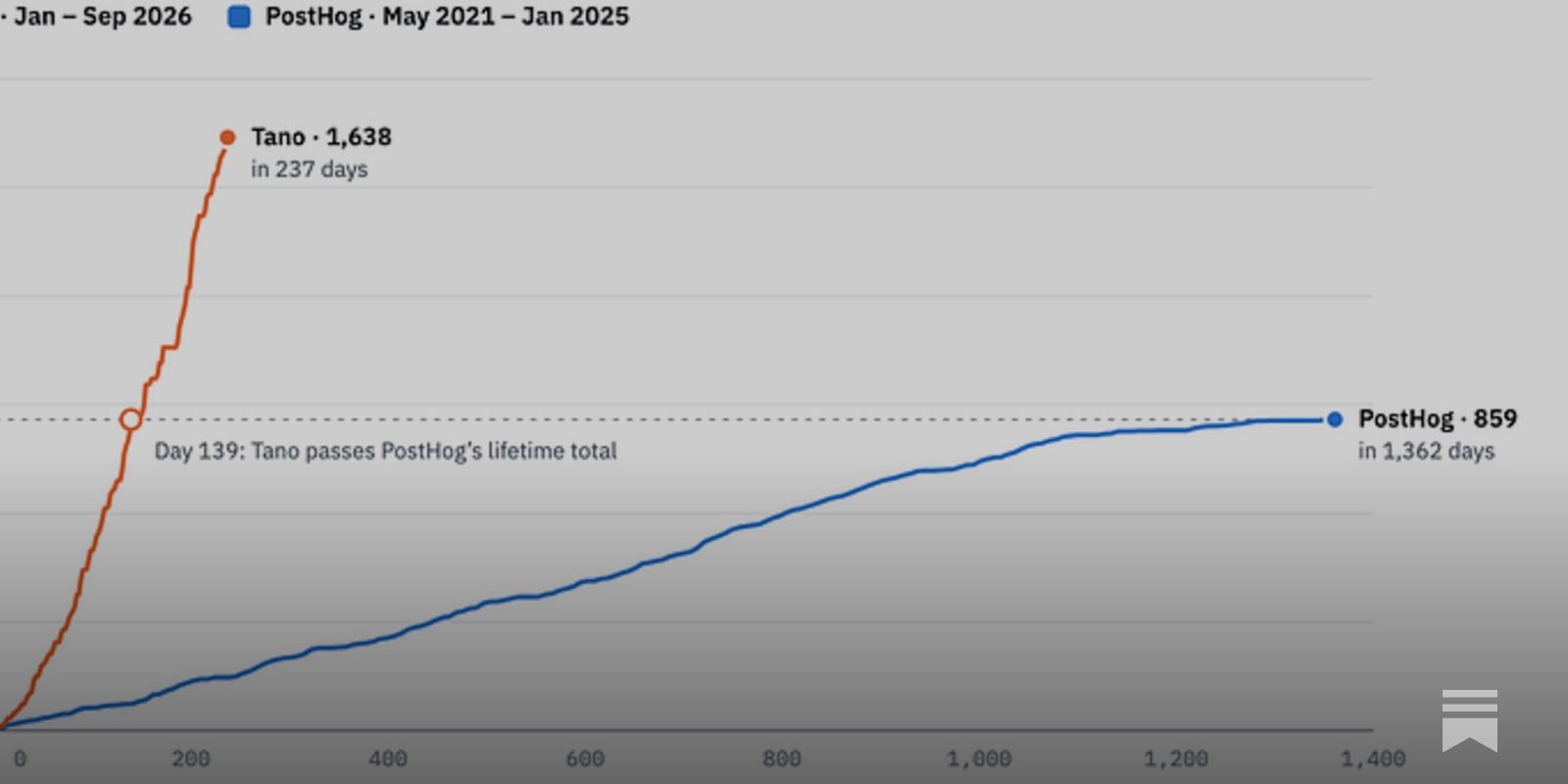
The Year of the Software Factory
We are building LifeBuild, a personal operating system for your life where AI agents help you draft projects, prioritize your commitments, and stay on top of what matters—from health to relationships to finances and beyond. This Lab Notebook chronicles our explorations.

How software engineering is changing: a tale of two eras
We invited readers to write about how building software changed, in an essay challenge. Many of you took part, and today we’re sharing the winning piece from a strong set of entries
The Karlskrona manifesto for sustainability design
Sustainability is a central concern for our society, and software systems increasingly play a central role in it. As designers of software technology, we cause change and are responsible for the...

Tending Your Software Garden
Software: do you write it like a book, grow it like a plant, accrete it like a pearl, or construct it like a building? As Steve McConnell notes in Code Complete 2, there’s no shortage of software development metaphors: A confusing abundance of metaphors has grown up around software
The Evolution of Software
Last week Chris Paik published a Google Doc titled, The End of Software, where he articulates the lowering cost of software development and potential implications. He ends the piece with a provocative statement: "Majoring in computer science today will be like majoring in journalism in the late...

Malleable Software in the Age of AI - Geoffrey Litt
Digital Art Enters the Museum Age — Social Software
We explore code and systems as a medium for creating new forms of art. We consider "software" in an expanded sense, examining the ways that we are programmed by technology around us and the ways we can write software to make change in the world.
Mark Bernstein: NeoVictorian Computing
This page holds a variety of notes about the craft of software design by Tinderbox designer Mark Bernstein, originally written for a plenary lecture at OOPSLA. We are accustomed to viewing software as a means to an end, a mass-produced industrial tool that ought to be beneath our notice. We are told that software ought to be intuitive, invisible, and free. This is wrong.
Sustainable software manifesto
The systems we build are never neutral. They can magnify harm or support a just and sustainable society. How we build today shapes tomorrow’s possibilities.

Breaking Smart: How Software is Eating the World
21 essays on the software revolution — how agile, networked approaches are disrupting industries and remaking society. In English, German, and French.

Breaking Smart: How Software is Eating the World
21 essays on the software revolution — how agile, networked approaches are disrupting industries and remaking society. In English, German, and French.
Breaking Smart: How Software is Eating the World
21 essays on the software revolution — how agile, networked approaches are disrupting industries and remaking society. In English, German, and French.
Breaking Smart: How Software is Eating the World
21 essays on the software revolution — how agile, networked approaches are disrupting industries and remaking society. In English, German, and French.