


Usenet, short for User's Network, is a worldwide distributed discussion system available on computers. It was developed from the general-purpose Unix-to-Unix Copy (UUCP) dial-up network architecture. Tom Truscott and Jim Ellis conceived the idea in 1979, and it was established in 1980. Users read and post messages to one or more topic categories, known as newsgroups. Usenet resembles a bulletin board system (BBS) in many respects and is the precursor to the Internet forums that were developed after the introduction of the World Wide Web. Discussions are threaded, as with web forums and BBSes, though posts are stored on the server sequentially.
Some thoughts on Social Networking and Usenet
A little while ago, I wrote a thread on glitch.social about ephemerality of posting on social media as compared to Usenet. It got a little bit of traction, and one person asked if I could post more about Usenet clients. I haven’t gotten to it until today, and I thought I would post on my blog instead of on glitch. The original thread wasn’t really about Usenet clients; it was mainly about how posts on Usenet expired, which is contrary to people’s current expectations about social media, but actually worked very well.
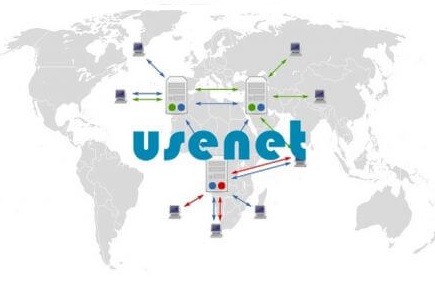
Part II: USENET — Let's Return to Public Spaces
Usenet was what the Web is missing nowadays: a genuinely public space, with unclear ownership
smallnet
Smallnet or SmolNet (also known as Small/Smol Internet/Web, etc.) is a movement of small-scale Internet networking that emphasizes the smallness of the servers (including low system requirements) as well as that of the user communities. It can be regarded as a counter-movement to the centralization and bloatedness of WWW.
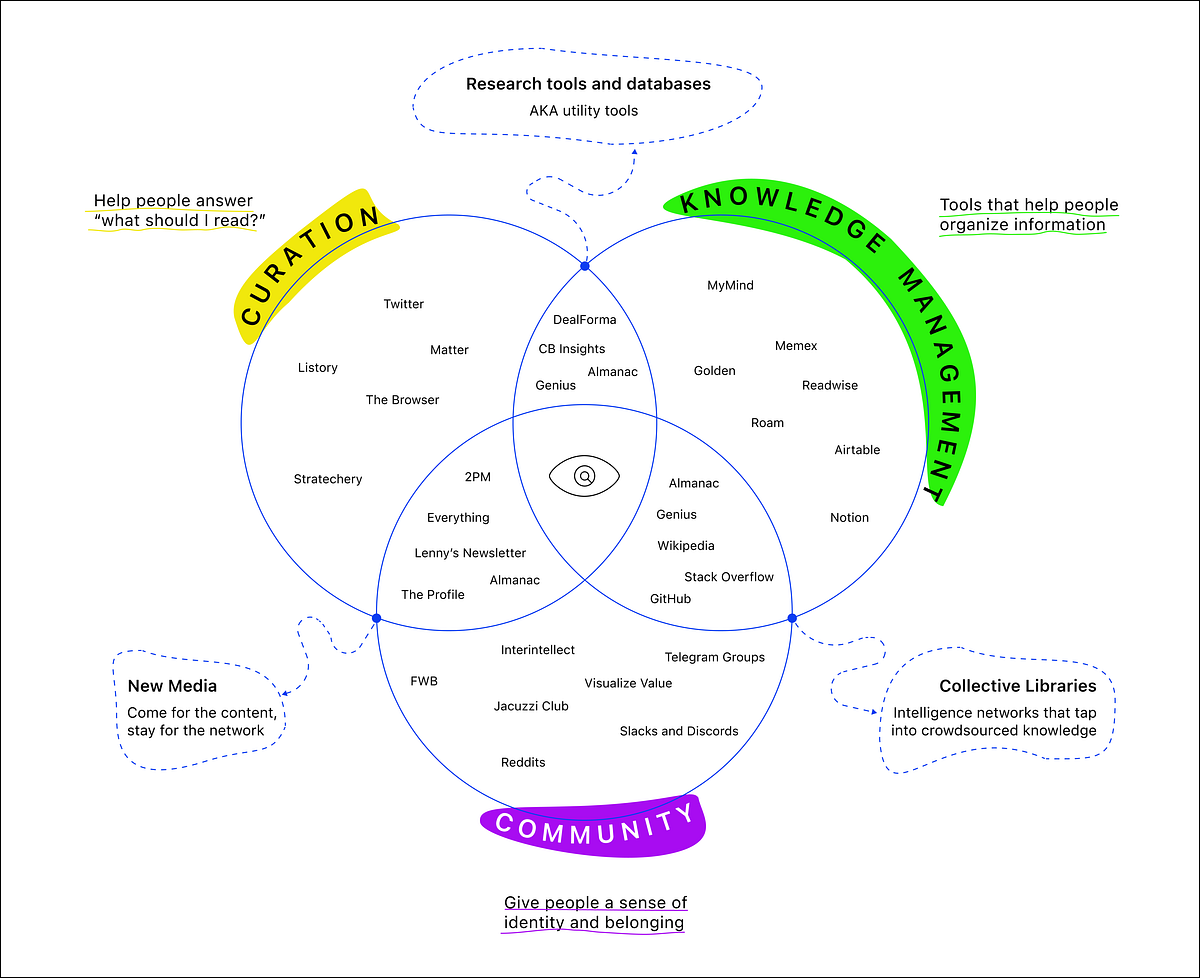
The rise of community-curated knowledge networks
The Internet put thousands of years of human thought at our fingertips, and enabled billions of people to create content. At least 2.5…
What We Lost When We Quit Using Crappy Old Web Forums
Old web forums were poorly coded and rough around the edges, but maybe we gave up on them too quickly in the social media era.
NLnet; Welcome to NLnet Foundation
We support organisations and people who contribute to an open internet for all. We fund projects that help fix the internet through open hardware, open software, open standards, open science and open data. After its historical contribution to the early internet in Europe in the 1980's, NLnet has been financially supporting the open internet since 1997.
Hypermedia
Welcome to the Hypermedia Protocol: a decentralized publishing and discussion network
How It All Started: Pre-W3C Web and Internet Background
1971: Ray Tomlinson of BBN creates email program to send messages across a distributed network.
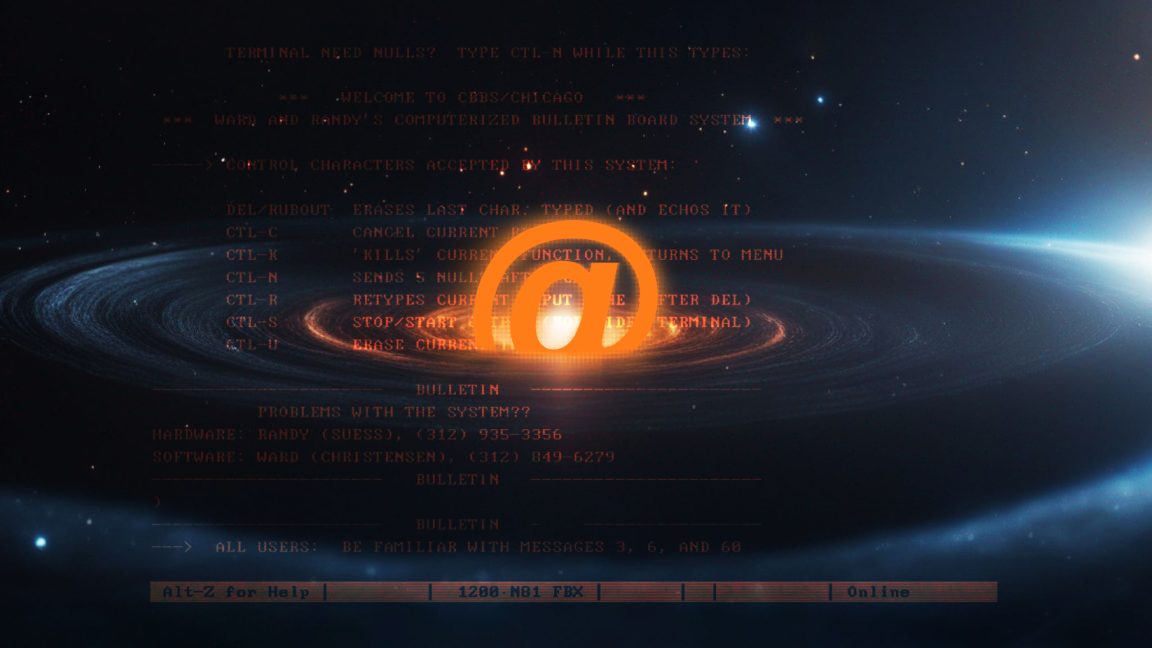
First post: A history of online public messaging
From BBS to Facebook, here’s how messaging platforms have changed over the years.
Our Networks
Conference about the past, present, and future of building our own network infrastructures.
Our Networks
Conference about the past, present, and future of building our own network infrastructures.
Freenet
Freenet is a peer-to-peer platform for decentralized applications: communication, collaboration, and commerce without reliance on big tech. Your computer becomes part of a global network where apps are unstoppable, interoperable, and built on open protocols.
Introducing Wireservice. Today, it's a WordPress plugin in alpha for publishing to @standard.site. Tomorrow, it's... another longform content lexicon? A news aggregation app on atproto? We'll see. wordpress.wireservice.net/index.php/2026/02/19/introduc…

Introducing Wireservice - Wireservice
wordpress.wireservice.netHow is the emerging post-platforms internet like the early days of blogging? @gruber.foo sat down with @jimray.bsky.team to go long on this question, with a few other digressions along the way. atproto.com/off-protocol/2026-09-11-make-…

Make Your Own Thing - AT Protocol
atproto.comOnce you experience shared lexicons and the benefits of a single portable identity, it feels like a new open network. But the most important part is that it practically works as an extension of the web. We can add social features to our websites without even mentioning atproto. Frictionless adoption

P(aul) Frazee
The Atmosphere is a new open network. The features: - Your account works on all atmosphere apps - You can switch to a new provider with no fuss - Easy to make your own apps on it - Works great with personal websites And, Bluesky is an atmosphere app.


