Value engineering (VE) is a systematic analysis of the functions of various components and materials to lower the cost of goods, products and services with a tolerable loss of performance or functionality. Value, as defined, is the ratio of function to cost. Value can therefore be manipulated by either improving the function or reducing the cost. It is a primary tenet of value engineering that basic functions be preserved and not be reduced as a consequence of pursuing value improvements. The term "value management" is sometimes used as a synonym of "value engineering", and both promote the planning and delivery of projects with improved performance.
value noun - Definition, pictures, pronunciation and usage notes | Oxford Advanced Learner's Dictionary at OxfordLearnersDictionaries.com
Definition of value noun in Oxford Advanced Learner's Dictionary. Meaning, pronunciation, picture, example sentences, grammar, usage notes, synonyms and more.
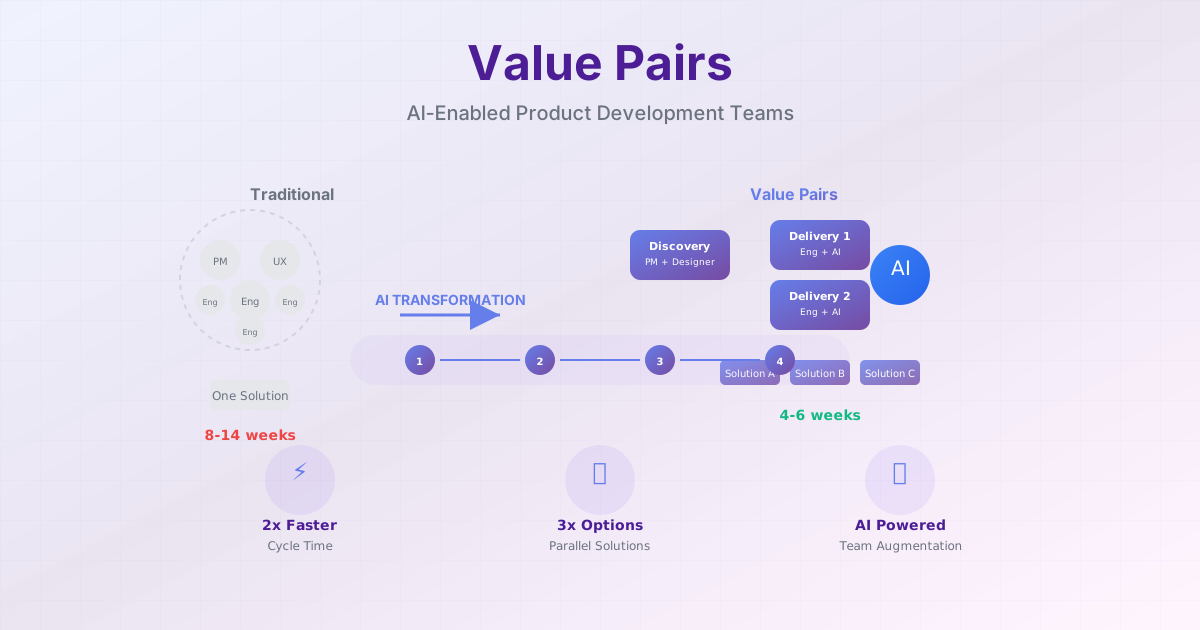
Value Pairs: A New Way of Approaching Product Development
How AI-enabled teams can change how we think about product development
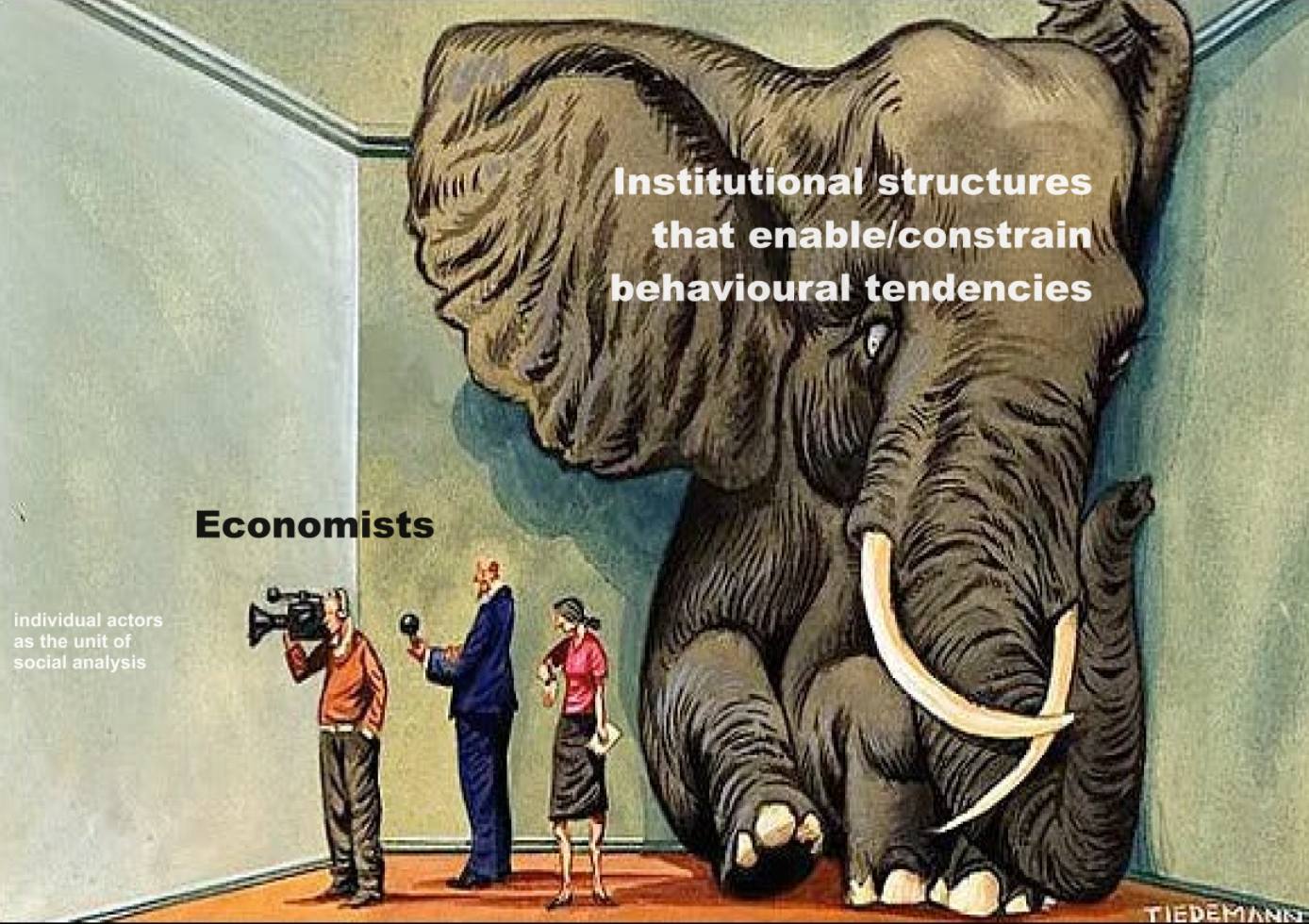
“Objective Economics” Isn’t.
Some time ago, in a Facebook argument, I encountered someone who repeated the old “exchange of unequals” argument (i.e., that people never exchange equivalents because each party values what they got more than what they traded for it). I responded that this argument confuses exchange value with use value and that, regardless of subjective valuation,...
How to build a generative engineering culture
A generative engineering culture is one where nothing seems to fall through the cracks, “we should” gets prioritized and becomes reality, and original ideas and value come primarily from engineers, rather than management. A culture like this is an engine for building capacity, quality, innovation, and sophistication.

Values Aren’t a Moral Imperative
Credit: pxhere One of the most impactful exercises in DRI Your Career has been the values exercise (Jean wrote about it here). At first this surprised me, but then I thought about it more. Even whe…

Deconstructing the Machine Learning Value Chain
This essay offers a materialist analysis of machine learning in the form of a critical intervention that deconstructs the value chain of this technological para

Visualize Value — Ideas, made visible
An ongoing practice of turning ideas into images. Visual ideas about work, markets, technology, culture, and human behavior by Jack Butcher.

The Value Chain Constraint
Companies succeed or fail not based on technology but rather according to their ability to integrate within their value chains.

Cognitive engineering
Cognitive engineering is an interdisciplinary field that applies principles from cognitive psychology, cognitive neuroscience, and human factors to design and develop engineering systems that effectively support or enhance human cognitive processes.[1][2] The field emerged in the 1980s when Donald Norman and others recognized the need to better understand how humans interact with complex technological systems.[3]
The community-first software era
Some ideas about how to encode our values into the tools we use

Don't Feed the Thought Leaders
In this article, the author shares their experience as an engineering manager and the challenges they faced when trying to reach alignment and prev...

values based software talks
Talk #3 Files, algorithms, media, software as lived practice, and personal software
No cost, no value | jola.dev
Why generating code makes it meaningless, why writing code by hand has value, and why toil is a critical part of the human experience.
Paths to business value in Developer Relations
DevRel is not content creation, but centred on helping developers solve problems and build better software through building real apps with real users.

Valuing What Counts: Framework to Progress Beyond Gross Domestic Product: Our Common Agenda Policy Brief 4
The New Science of Designing for Humans (SSIR)
The rise of behavioral science and impact evaluation has created a new way for engineering programs and human interactions. <meta property=