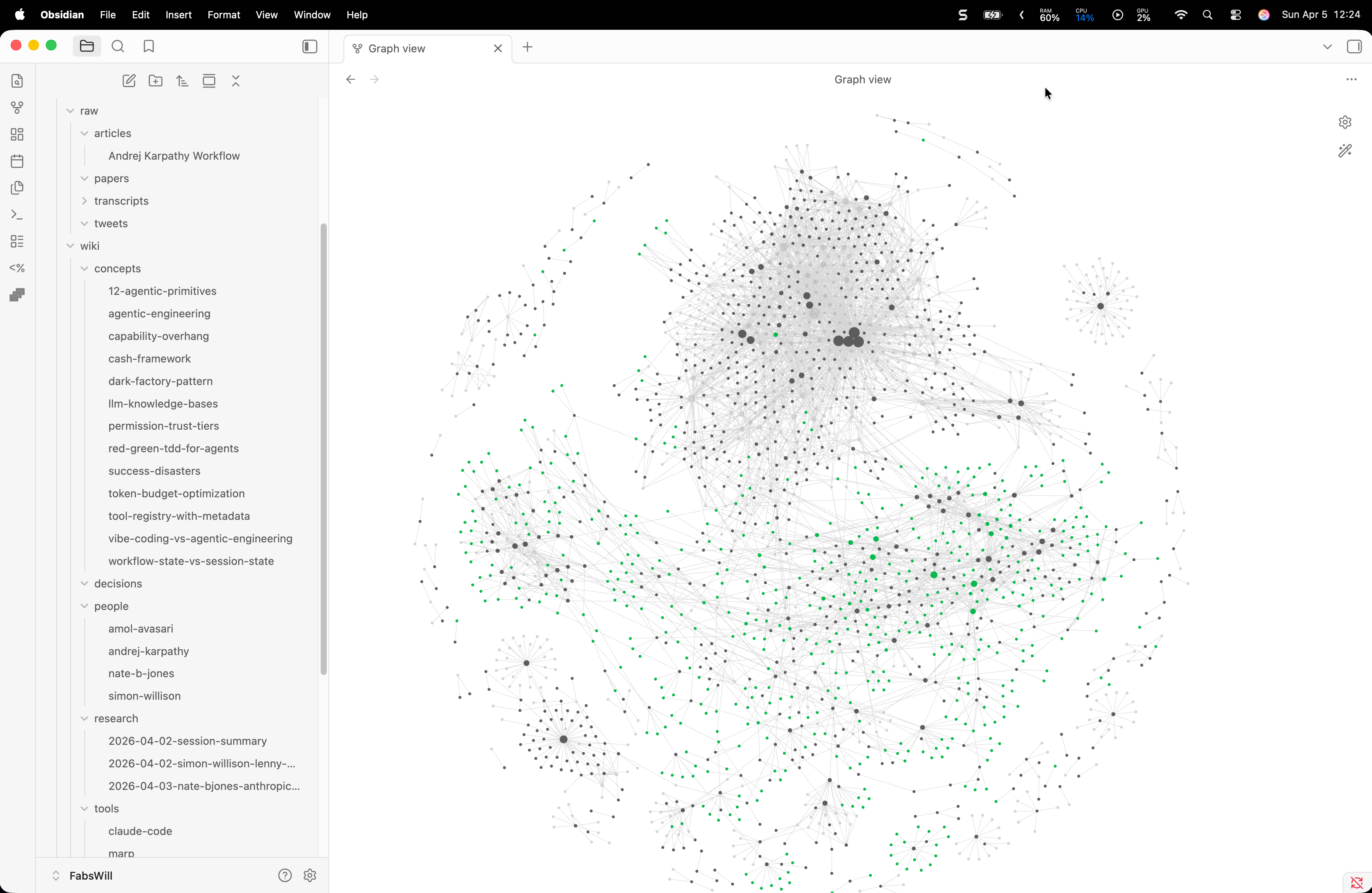
Text generated by large language models (LLMs)[a] often violates several of Wikipedia's core content policies. For this reason, the use of LLMs to generate or rewrite article content is prohibited,[b] except for the uses as outlined below. See Wikipedia:Responsibly using large language models for advice on using LLMs for purposes other than content generation.
Wikipedia Bans AI-Generated Content
“In recent months, more and more administrative reports centered on LLM-related issues, and editors were being overwhelmed.”
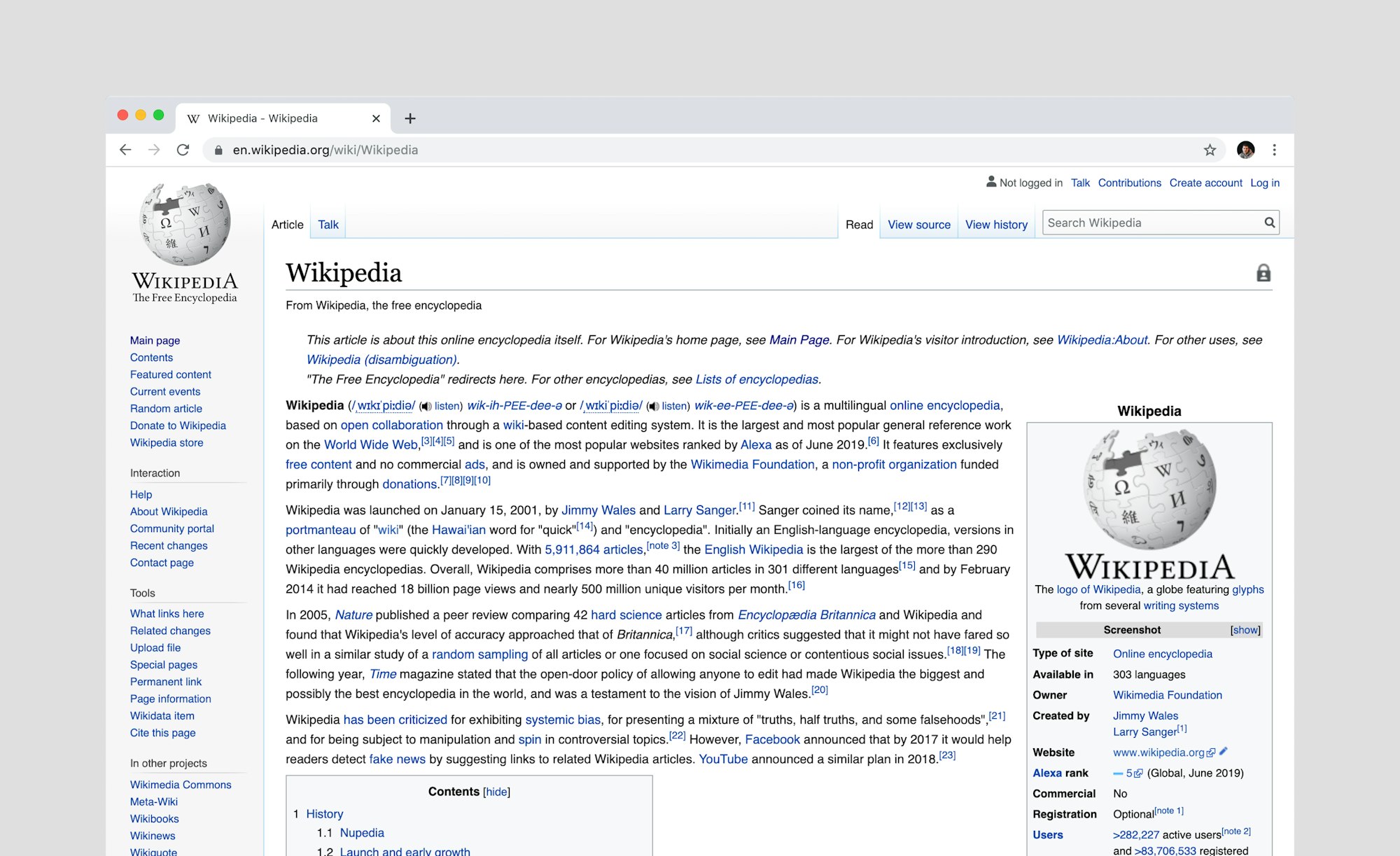
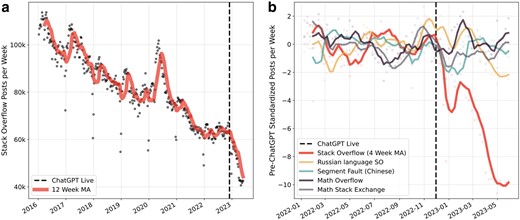
Large language models reduce public knowledge sharing on online Q&A platforms
Abstract. Large language models (LLMs) are a potential substitute for human-generated data and knowledge resources. This substitution, however, can present
Large language model
A large language model (LLM) is a neural network trained on a vast amount of text for natural language processing tasks, especially language generation. LLMs can typically generate, summarize, translate, and analyze text in many contexts, and are a foundational technology behind modern chatbots.[1] Biased or inaccurate training data can make an LLM's output less reliable.[2]
Beyond Model Collapse: Scaling Up with Synthesized Data Requires...
Large Language Models (LLM) are increasingly trained on data generated by other LLM, either because generated text and images become part of the pre-training corpus, or because synthetized data is...

Wikipedia Editors Adopt ‘Speedy Deletion’ Policy for AI Slop Articles
“The ability to quickly generate a lot of bogus content is problematic if we don't have a way to delete it just as quickly.”

The Case Against LLMs as Rerankers
Authors: Apoorva Joshi, Zhenmei Shi, Akshay Goindani, Hong LiuResearch Leads: Zhenmei Shi, Akshay Goindani, Hong Liu Large language models are increasingly being used for a broad range of tasks, in…

Wikipedia:LLM-assisted translation
This guideline applies to machine translation tools that include a large language model ("LLM"). Assume that it applies to any online translation tool unless you have confirmed there is no LLM element.
When the Commons Appropriates a Large Language Model: How WikiVault Reshaped Korean Wikipedia
Large Language Models (LLMs) have disrupted the balance between content production and quality assurance that sustains knowledge commons, leading many to prohibit or restrict their use. But what happens when a community instead appropriates an LLM-powered tool for its own needs? We investigate this question through WikiVault, an LLM-powered editing tool developed within the Korean Wikipedia community and used primarily for translation. Combining ten interviews, platform-scale analyses, and matched quasi-experimental comparisons, we examine how WikiVault reshaped knowledge production on Korean Wikipedia. We find the tool 1) drastically amplified the production capacity of a small group of experienced editors, producing longer and more widely viewed articles; 2) shifted work toward reviewing articles and importing content; 3) imported not only content but also editorial judgments from English Wikipedia. Our findings show how LLM adoption can rebalance the interdependent work that sustains knowledge commons, while illustrating how communities can learn from emerging technologies through use and adapt their governance accordingly.
Yuchen Jin on Twitter / X
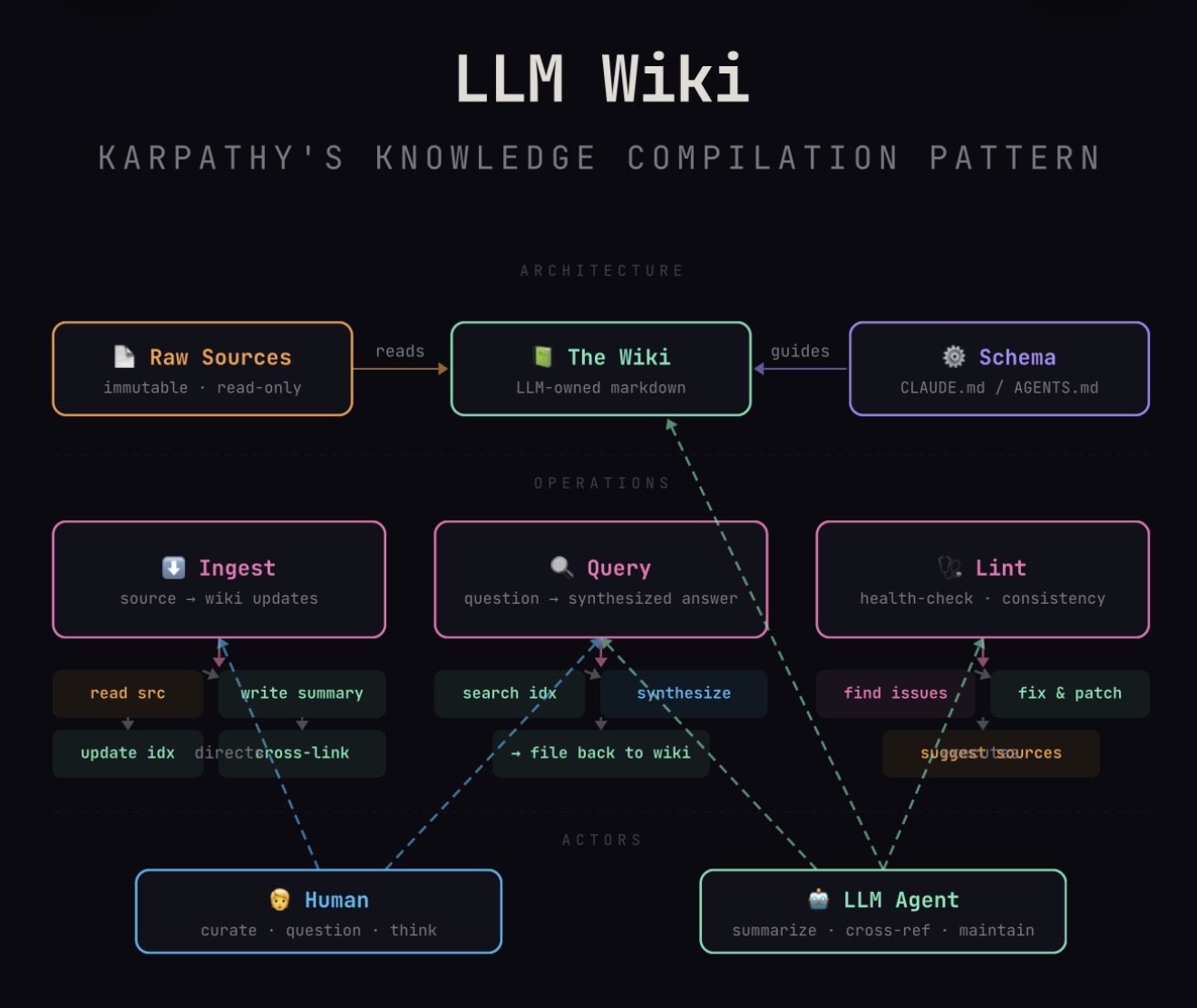
Karpathy’s “LLM Wiki” pattern: stop using LLMs as search engines over your docs. Use them as tireless knowledge engineers who compile, cross-reference, and maintain a living wiki. Humans curate and think.Diagram generated by my Claude agent knowledge worker. https://t.co/5u5i1GeFK8 pic.twitter.com/NIaq3KlAok— Yuchen Jin (@Yuchenj_UW) April 4, 2026
Large language models are not the problem
If a Large Language Model (LLM) can replicate your scientific contribution, the problem is not the LLM. What does it say about our field that so much of the anxiety about AI comes down to the fear that a machine could do what we do? Perhaps it says we should be doing something better.

Curated retrieval versus open web search in public AI information...
Public institutions increasingly use large language models (LLMs) to answer citizens' questions, often pairing a curated knowledge base with live web search, yet whether the sources behind these...
LLMs and World Models, Part 1
How do Large Language Models Make Sense of Their “Worlds”?

Wikipedia Pauses AI-Generated Summaries After Editor Backlash
“This would do immediate and irreversible harm to our readers and to our reputation as a decently trustworthy and serious source,” one Wikipedia editor said.

https://svelte.dev/docs/llms
We support the llms.txt convention for making documentation available to large language models and the applications that make use of them.
The Cloister Web: Reshaping the Political Maidan
The advent of the "Cloister Web," a conceptual space where individuals leverage Large Language Models (LLMs) to cultivate novel ideas and commit them to a persistent public memory, heralds a profound shift in our intellectual and political landscapes.

I Built a Knowledge Base That Writes Itself. Here Is What Andrej Karpathy Got Right.
Andrej Karpathy posted about using LLMs to build personal knowledge bases. I took his workflow, wired it into my Obsidian vault with Claude Code, and within an hour had 21 cross-linked wiki articles compiled from YouTube transcripts. Here is how it works and why it matters.