

Julian Gough wrote the "End Poem" for the ending of the video game Minecraft, where it is presented to the player after they defeat the game's final boss (the Ender Dragon). In 2022, Gough released this version of the text of the poem into the public domain.
What Francis Fukuyama Is Seeing at 'The End of History'
Francis Fukuyama's essay “The End of History?” was published in the summer of 1989, a few months before the fall of the Berlin Wall. The essay's argument — that liberal democracy would not…

No Longer No Sense of an Ending
This is my first feature piece on Contents Magazine, about harnessing the properties of hypertext and the Web for superior reader experiences and business results.
Goodbye Sketch, Hello Shelley! - exe.dev blog
Introducing Shelley, exe.dev's mobile-friendly, web-based, multi-modal coding agent.

Software developers are not okay
Writing at the end of the world, from Hveragerði, Iceland
The story of this blog so far: 'AI', the death of web dev, and feeling like an outsider
Writing at the end of the world, from Hveragerði, Iceland
Coding After Coders: The End of Computer Programming as We Know It - …
archived 16 Mar 2026 15:14:04 UTC

Dragon Quest VII and Reimagining the Critic in 2026 - Unwinnable
We must kill the content creator inside of us that has taken over our being like a body snatcher.
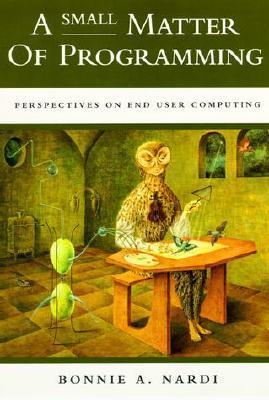
A small matter of programming: perspectives on end user computing
A Small Matter of Programming asks why it has been so d…
Humanity’s Endgame
A new history of societal collapse by an expert in existential risk argues that our globalized society is edging toward the precipice.

Things end users care about but programmers don't
A list of things I've noticed are important for end users but hard for programmers to understand or implement
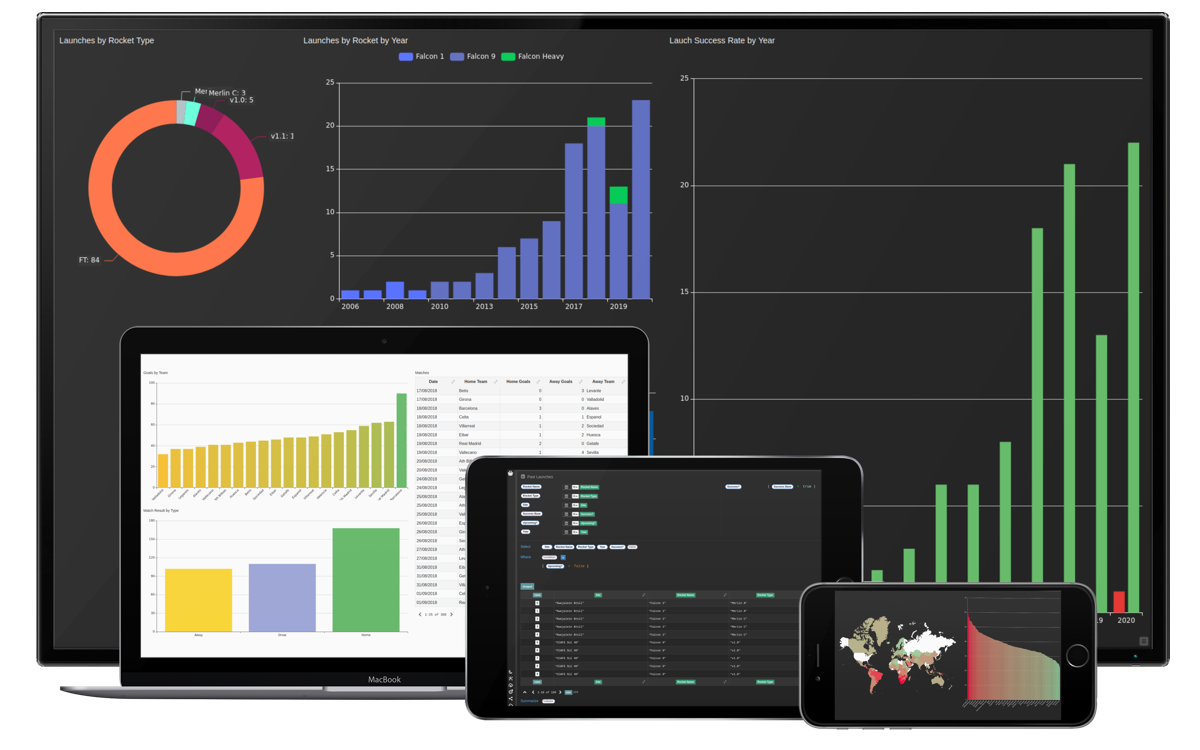
haiku.garden devlog
Build log for haiku.garden, a personal-data-server home for the Naviar Haiku community on ATProto.
All Watched Over by Machines of Loving Grace (poetry collection)
All Watched Over by Machines of Loving Grace is Richard Brautigan's fifth poetry publication. Like several of his early works, the entire edition was distributed for free. The title poem envisions a world where cybernetics has advanced to a stage where it allows a return to the balance of nature and an elimination of the need for human labor. All thirty-two of the poems in this collection were republished in The Pill Versus the Springhill Mine Disaster.
Finale - How Music Software Dies
Finale - How Music Software Dies