

Build knowledge and get things done, peacefully.
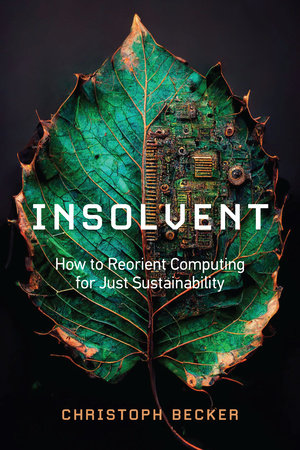
Insolvent: How to Reorient Computing for Just Sustainability
How we can enact meaningful change in computing to meet the urgent need for sustainability and justice.The deep entanglement of information technology with
Enosis Solutions - Software Development and Testing Services
We design, build, test, modernize, and scale software across the entire product lifecycle, combining deep technical expertise with an AI-accelerated build process.
Feeling of Computing
Feeling of Computing is an online community with a welcoming, cooperative, and revolutionary spirit. We are unified in the belief that the computer is tragically less humane than it could be. There’s a world of possibilities that get more beautiful the further away from the norm you go. We’re here to explore this world together, to discuss ideas about theory and practice, and to champion and support our members’ research and development efforts to reimagine the computer.
Feeling of Computing — Conversations
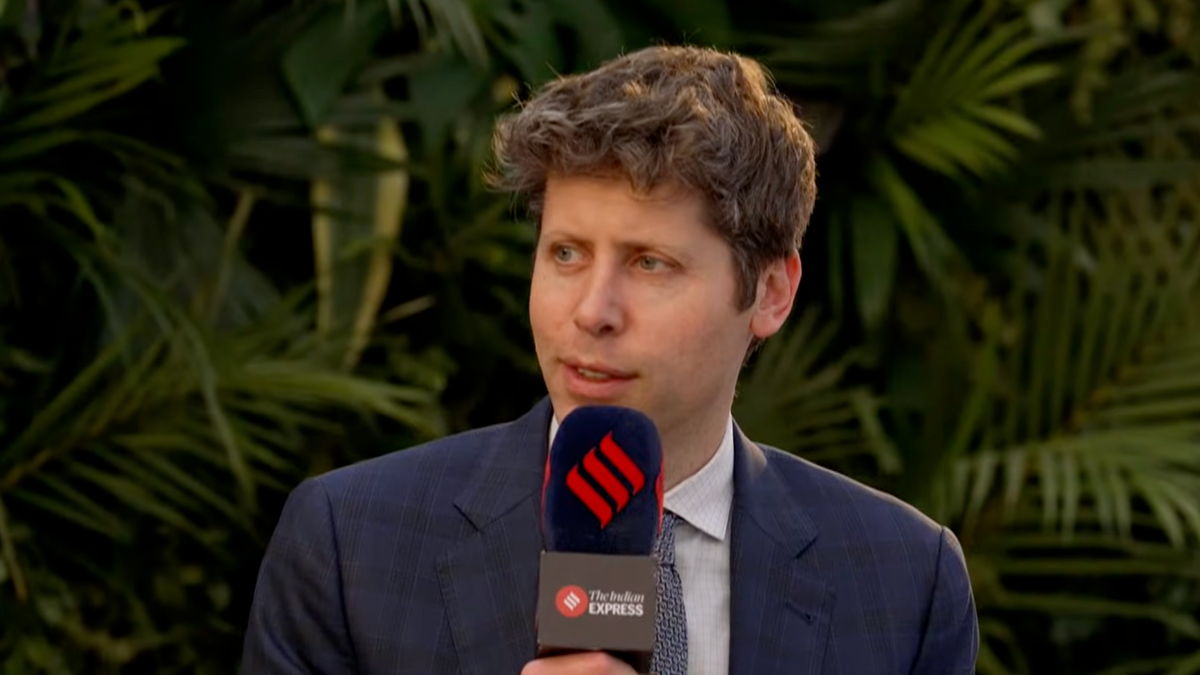
Sam Altman’s anti-human worldview
OpenAI CEO downgrades humanity in pursuit of goal to merge with computers
softer computing club
a cozy community of humans and computers on the planet earth
Impressions from visiting OpenAI, Anthropic, & Cursor
A peek into where software engineering is headed from inside the sector’s leading AI labs. Agents running in the cloud are a major trend, while coding harnesses are spreading beyond the craft
OpenAI to acquire Ona
OpenAI plans to acquire Ona to expand Codex with secure, persistent cloud environments, enabling long-running AI agents across enterprise workflows.
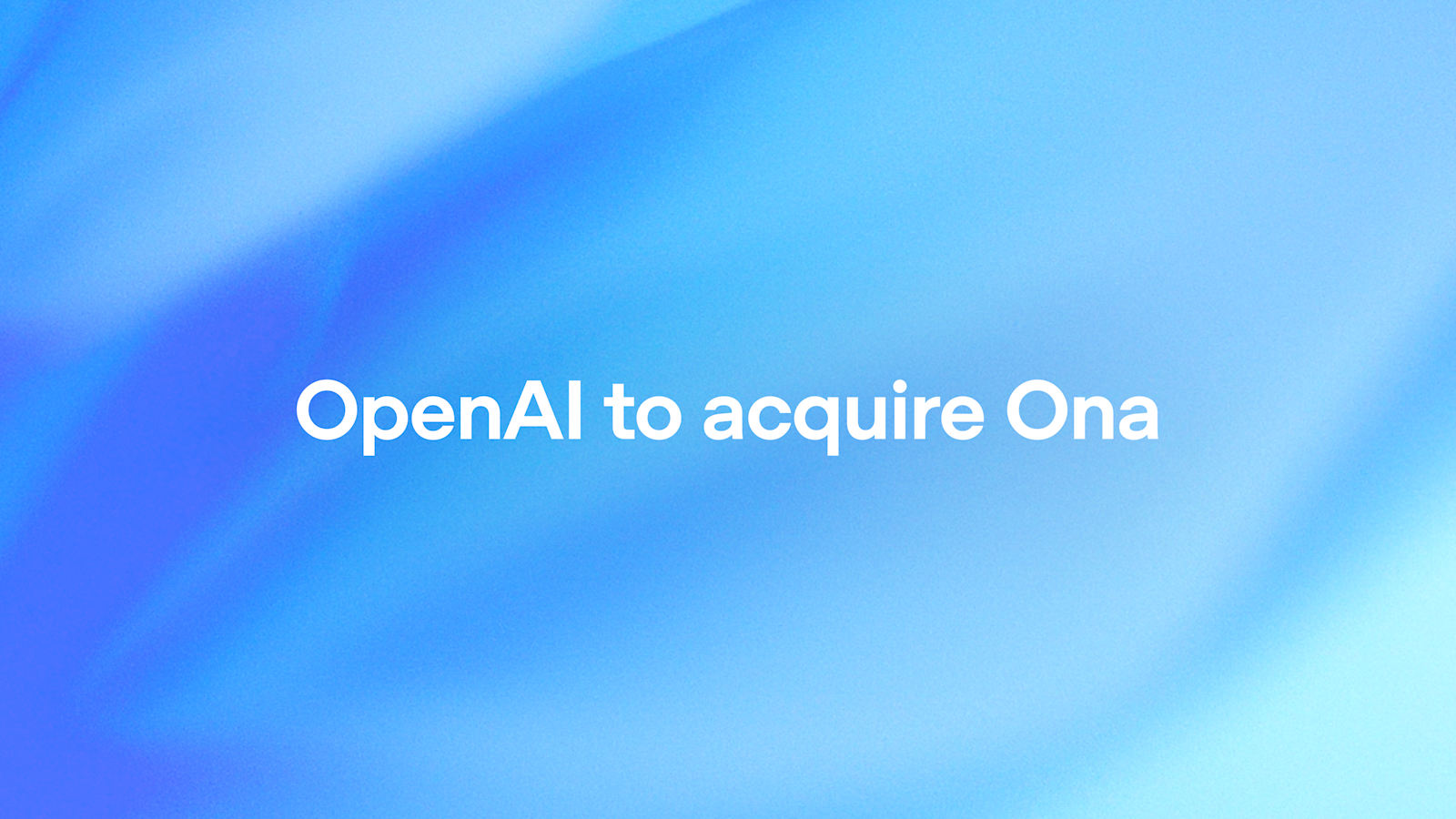
feeling of computing, london
💞 welcome to the london branch of the feeling of computing community. 💞
OpenAI technical goals
OpenAI’s mission is to build safe AI, and ensure AI’s benefits are as widely and evenly distributed as possible.

Desktop, Touch, Browser, Now AI? The Next OS in Computing
Explore how AI is reshaping human-computer interaction, from command lines to modern SaaS. Key insights on the next computing paradigm for startups and tech leaders.
End-user Programming
A vision for empowered computing that reaches back forty years. Our research lab examines why it has been so hard to achieve.
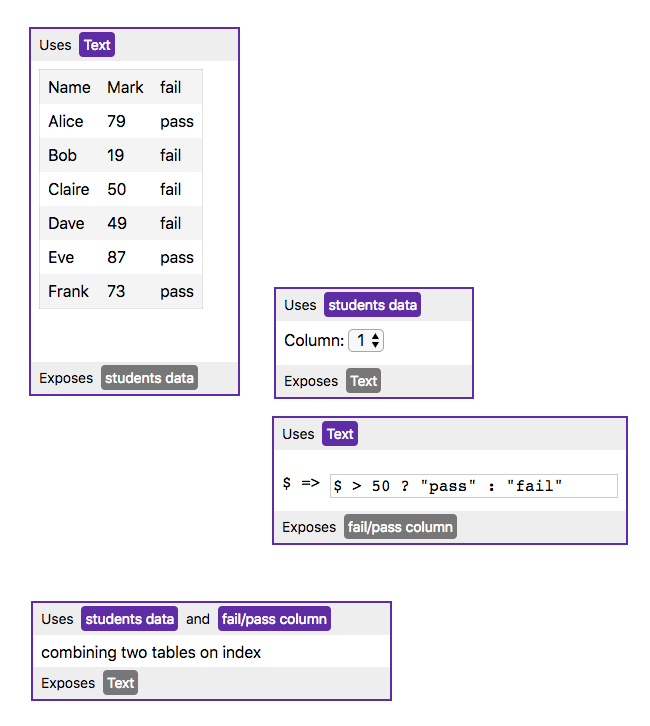
Human-Centered Artificial Intelligence: Three Fresh Ideas
Human-Centered AI (HCAI) is a promising direction for designing AI systems that support human self-efficacy, promote creativity, clarify responsibility, and facilitate social participation. These human aspirations also encourage consideration of privacy, security, environmental protection, social justice, and human rights. This commentary reverses the current emphasis on algorithms and AI methods, by putting humans at the center of systems design thinking, in effect, a second Copernican Revolution. It offers three ideas: (1) a two-dimensional HCAI framework, which shows how it is possible to have both high levels of human control AND high levels of automation, (2) a shift from emulating humans to empowering people with a plea to shift language, imagery, and metaphors away from portrayals of intelligent autonomous teammates towards descriptions of powerful tool-like appliances and tele-operated devices, and (3) a three-level governance structure that describes how software engineering teams can develop more reliable systems, how managers can emphasize a safety culture across an organization, and how industry-wide certification can promote trustworthy HCAI systems. These ideas will be challenged by some, refined by others, extended to accommodate new technologies, and validated with quantitative and qualitative research. They offer a reframe -- a chance to restart design discussions for products and services -- which could bring greater benefits to individuals, families, communities, businesses, and society.
Indigitalization: Indigenous Computing Theory - Jon Corbett
Nailed it, @komorama.bsky.social We have a huge opportunity here – there's no reason the future user interface for *all your computing* needs to be tied to OpenAI. We can build a new, uniquely personal computer that you own, without your entire digital life being locked to one company or provider.
Post-app computing

Imagining computing beyond siloed, rigid apps

Nobody Wants Your Damn App

Golems, smart objects, and the file metaphor
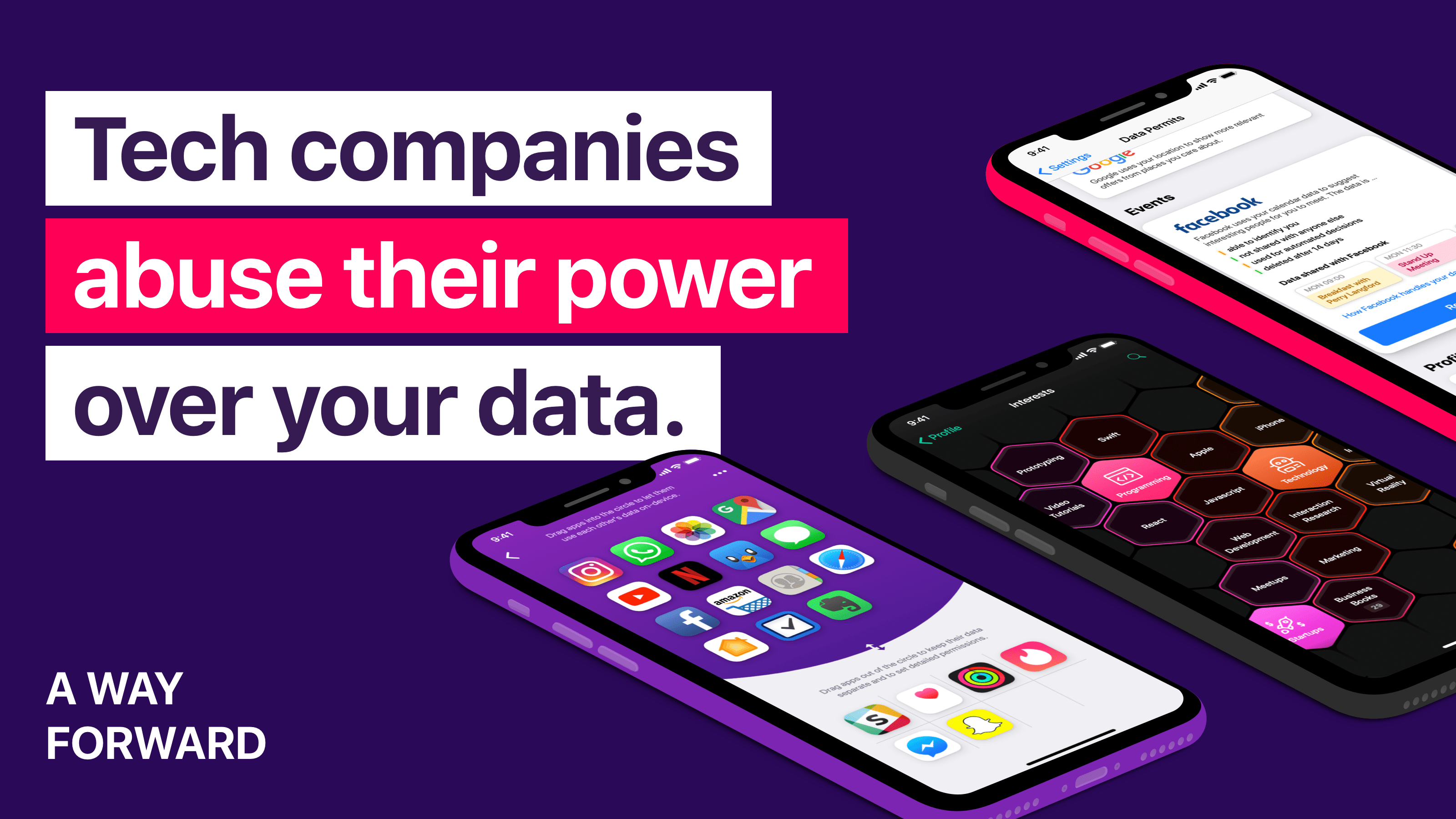
Rethinking how technology uses our personal data
User-tailorable systems: pressing the issues with buttons
everest-pipkin.com

Wesley Finck (@wesleyfinck.org)
