


Canadian tech alternatives to bring your data back across the border. by Tod and Jocelyn Maffin • see their projects • support their work
America Doesn’t Need to Invade Canada. It Has Our Data | The Walrus
From cloud servers to AI patents, digital dependence is becoming a new form of power

All the Ways Europe Is Ditching American Technology
A WIRED timeline shows how dozens of governments, companies, and other organizations across Europe are moving, or planning to shift, away from US Big Tech.

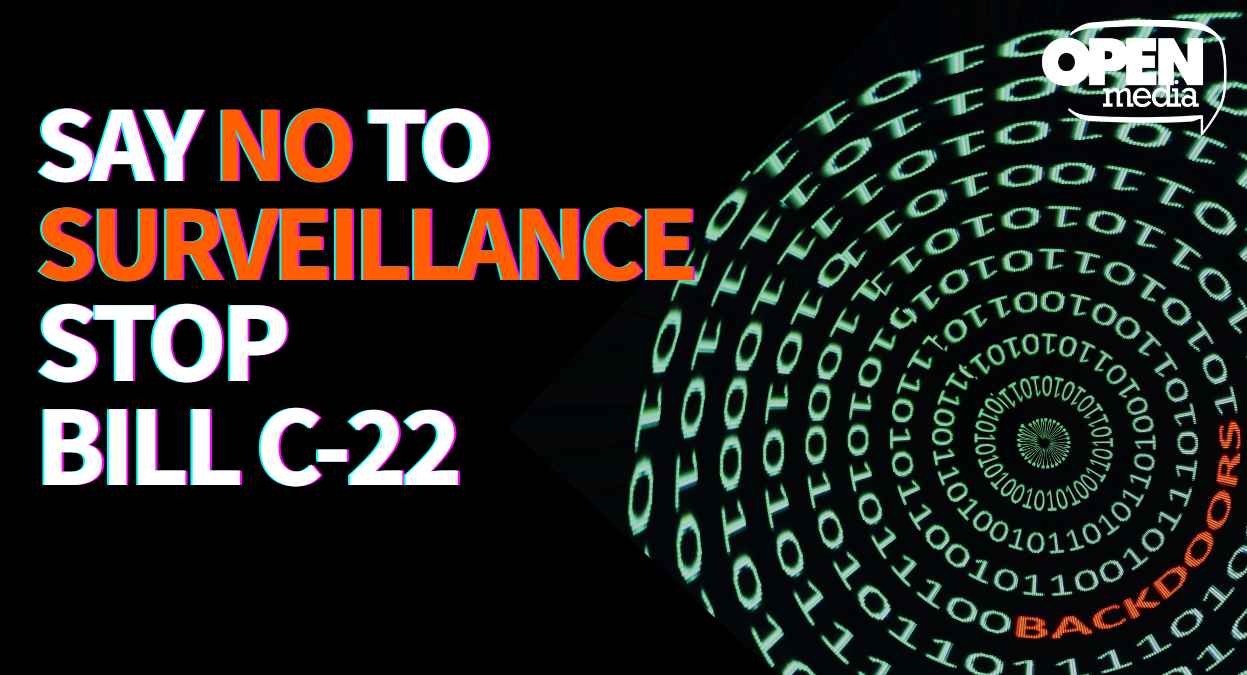
Stop Bill C-22!
🚨 Bill C-22 forces every Canadian internet provider, messaging app & cloud service to build surveillance backdoors and store a year of your data. Foreign state hackers exploited similar legislation in the US. Shut the backdoor: https://openmedia.org/StopC22 #BillC22
canadian-alternatives
A collection of Canadian alternatives to common Internet services in the spirit of the various Awesome lists.
Signal warns it would pull out of Canada if made to comply with lawful access bill
Secure messaging service says it will not weaken its encryption, privacy safeguards for government

Offline First
We live in a disconnected & battery powered world, but our technology and best practices are a leftover from the always connected & steadily powered past.
Apple Warns Canada's Bill C-22 Could Force Encryption Backdoors
Apple and Meta have opposed a Canadian bill that the companies say could force them to create backdoor access to encrypted user data, should it pass through the country's parliament. Proposed by Canada's ruling Liberal Party, Bill C-22 contains provisions that could be similar to a UK data access provision order sent to Apple last year, depending on how they are implemented.
Digital Sovereignty: A Framework to improve digital readiness of the Government of Canada
The Government of Canada (GC) must be able to manage and protect its data, systems and infrastructure to operate securely and independently in a globally connected environment. This paper explains what digital sovereignty means for the GC and how it informs the management of government digital operations. Broader issues such as Canada’s economic, industrial, or national security interests are out of scope of this paper.
Decentralizing My Smartphone With Single Purpose Devices
Lately, I’ve become nostalgic for the days before smartphones, when the internet was a place we went to deliberately, and not a place that lived on all of ou...

Affordable 5G Phone Plans in Canada | Public Mobile
Get a reliable 5G phone plan on your terms. No contract, $0 activation. Get set up in minutes on the app. Join today.

Local-First Software: Taking Back Control of Our Data | a mini-doc
Facing mounting backlash, Anandasangaree says U.S. tech companies are 'misinterpreting' his lawful access bill | CBC News
Public Safety Minister Gary Anandasangaree accused U.S. tech giants of "misinterpreting" his lawful access bill, which promises to give police and spies faster access to Canadians' information during investigations, as the proposed legislation faces growing backlash south of the border.

The Lawful Access Two-Headed Surveillance Monster: How Bill C-22 Went Off the Rails - Michael Geist
The government’s plans for lawful access have gone off the rails. In recent days, Signal has warned it would pull out of the Canadian market rather than comply with Bill C-22. Windscribe, the Toronto-headquartered VPN provider, has said it would relocate its headquarters out of Canada and NordVPN has warned it would consider following suit. Apple and Meta have both raised public concerns about the bill’s effect on encryption and cybersecurity. The Canadian Chamber of Commerce, the Cybersecurity Advisors Network, civil liberties groups, and a long line of legal and security experts have all called for changes. The chairs of the U.S. House Judiciary and Foreign Affairs Committees have written to Public Safety Minister Gary Anandasangaree warning that the bill threatens U.S. national security and the integrity of cross-border data flows. Even the bill’s own oversight body, the National Security and Intelligence Review Agency, has told the SECU committee it does not have the access it needs for effective oversight. If the government thought it could push through the bill largely unnoticed, it has been proven painfully wrong as there are now trade frictions with the U.S., the prospect of leading companies exiting the Canadian market, and weaker cybersecurity protections for ordinary users. How did Canada’s lawful access plan go awry so quickly?

Data centers may face temporary power cuts to prevent blackouts on largest US grid | TechCrunch
The decision arrives as the breakneck pace of data center construction has grid operators scrambling to generate power.

Getting off US tech: a guide
I’m in the process of dropping US tech services. Here’s how I did it, and options you should consider.
Reclaim Control | over your technology, your devices, your data, your digital life.
You have the right to control your data, devices, and services. We coordinate, develop and foster communities of Reclaimers who want digital independence. Together, let's reclaim the right to a technical future of data sovereignty, digital autonomy, responsible governance, and collective care online for all.