
Hi there. I’m Bill “LtRandolph” Clark, and I’m the engineering manager for the Champions team on LoL . I’ve worked on several different teams on League over the past years, but one focus has been consistent: I’m obsessed with tech debt. I…
Research Debt
Science is a human activity. When we fail to distill and explain research, we accumulate a kind of debt...

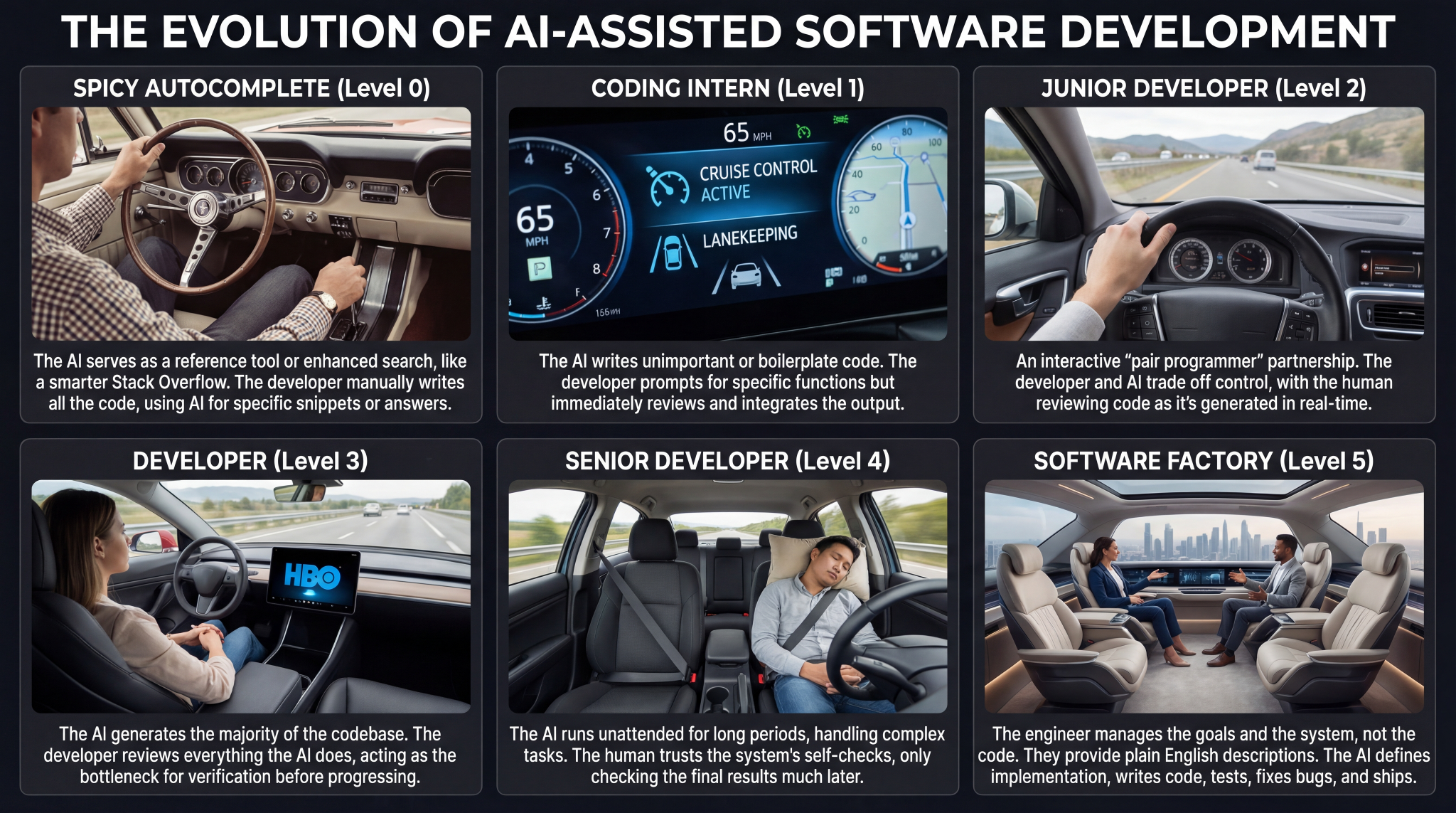
The Five Levels: from Spicy Autocomplete to the Dark Factory – Dan Shapiro's Blog
In my last post, I wrote about technical deflation. We’re seeing the cost of code is dropping so fast that we need to change our tech debt payment plans. The smart teams…
How Generative and Agentic AI Shift Concern from Technical Debt to Cognitive Debt
The term technical debt is often used to refer to the accumulation of design or implementation choices that later make the software harder and more costly to understand, modify, or extend over time...

Five US tech giants' hidden debts soar to $1.65tn on opaque AI funding
Data center leases, GPU supply contracts raise liabilities at Meta, Oracle, Nikkei study shows

Technical debt as a lack of understanding
Some time back, I was working on a project where it felt like the timebomb of technical debt was exploding in our faces. We couldn’t refactor the whoositz because of the whatsitz and when we asked about the whatsitz no one knew about the whatsitz and how it exactly worked with the whoositz and there certainly weren’t tests for it. When we notified management they replied, “We’re in a build the plane while flying situation, how can we get this out now without doing a big rewrite?” It was pretty clear how the technical debt had amassed.
The Debt Payment Puzzle: An Experimental Investigation
Why do borrowing individuals fail to repay their debt optimally? We design a diagnostic laboratory experiment where we rule out selection into debt and other co

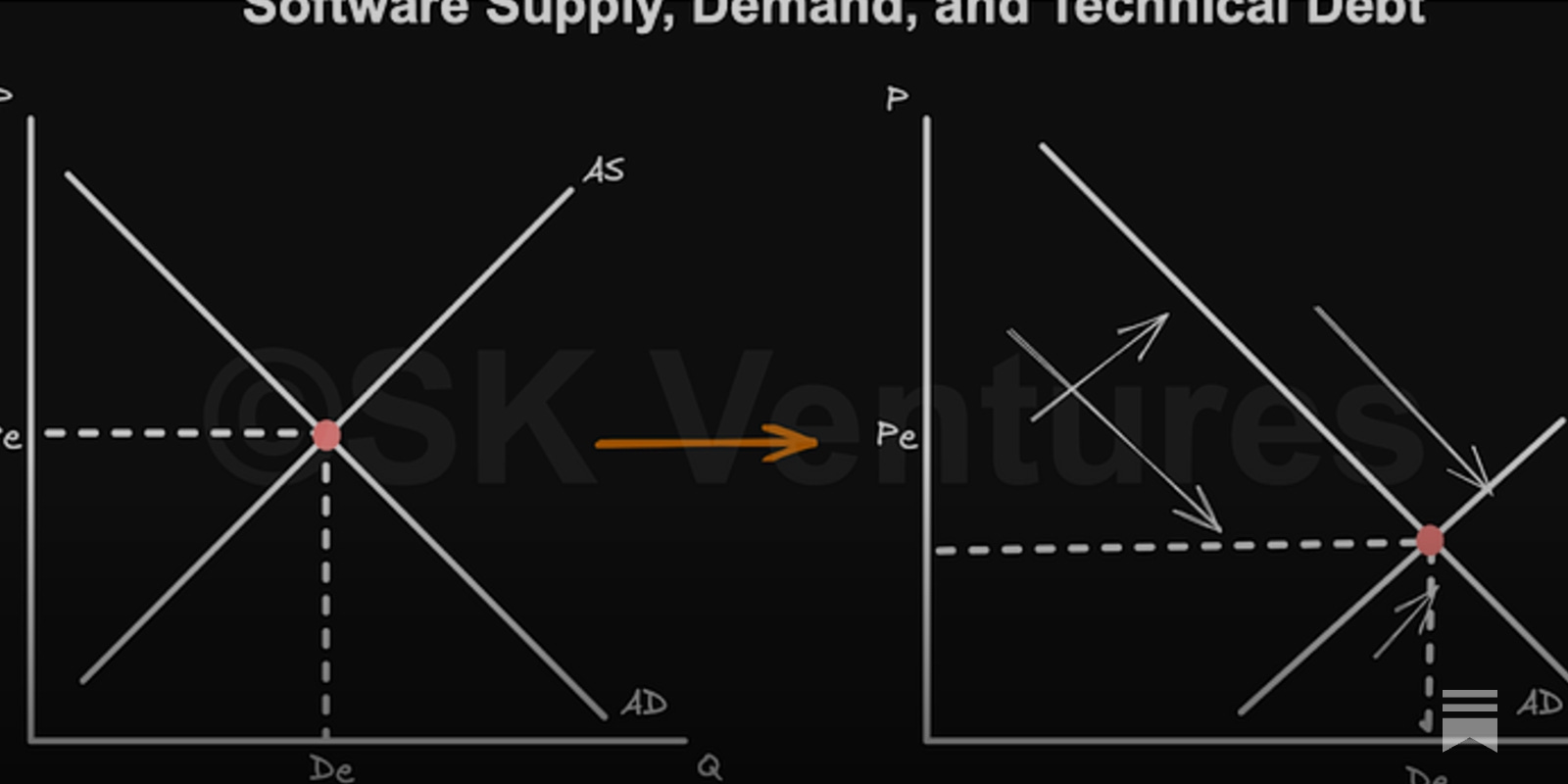
Debt is Coming
Ten years from now, what seismic change will we reflect back on and think, “well that was pretty obvious, in retrospect”? Debt is going to finally come to the tech industry. We can hat…

Speed Vertigo: A New Kind of Engineering Debt | Josh Tuddenham
Speed vertigo: we shipped knowledge we'll need to actually earn later.

Clearing College Debt | The Paper Pilot
The Paper Pilot's digital garden of thoughts on philosophy, politics, and sociology
We need more than a metaphor: here are testable diagnostics for comprehension debt
Do we understand our code? I think we need to get past symptoms and into causes. Here's a field-tested measure of one organizational condition that can erode comprehension (Overproduction Pressure) you can use to find out which world your team is living in.

Comprehension Debt - the hidden cost of AI generated code.
Comprehension debt is the hidden cost to human intelligence and memory resulting from excessive reliance on AI and automation. For engineers, it applies most to agentic engineering.
On shifting consumers from high‐interest to low‐interest debt
Abstract In the United States, many consumers are increasingly accumulating debt, much of which is harmful and expensive. Prior research has devoted a great deal of attention to understanding why consumers generally get into debt and the strategies they can use to repay existing debts. While this work has furthered the agenda of helping consumers reduce or eliminate their overall debt balances, it has failed to emphasize the fact that for many consumers, debt may be unavoidable. This article aims to promote research that addresses not only overall debt reduction but also the need for consumers to shift from more to less costly types of debt. By shedding light on the psychological reasons why consumers may naturally gravitate toward more costly forms of debt when less costly ones may be available, we offer a novel perspective on why consumers get into and stay in debt longer than they should. This new angle has the potential to spur on further research into the ways consumers can use debt more effectively and less expensively in service of the overarching goal of debt reduction.

Balancing Savings and Debt: Findings from an Online Experiment
Many consumers have savings and debt at the same time, and so are faced with a trade-off: how much debt to pay down versus how much savings to retain. This brie
Debt literacy, financial experiences, and overindebtedness
We analyze a national sample of Americans with respect to their debt literacy, financial experiences, and their judgments about the extent of their indebtedness. Debt literacy is a component of broader financial understanding that measures knowledge about debt and self-assessed financial knowledge. Financial experiences are the participants’ reported experiences with traditional borrowing, alternative borrowing, and investing. Overindebtedness is a self-reported measure. Debt literacy is low, with only about one-third of the population grasping the basics of interest compounding. Even after controlling for demographics, we find a relationship between debt literacy and both financial experiences and debt loads. Individuals with lower levels of debt literacy tend to transact in high-cost manners, incurring higher fees and using high-cost borrowing. We provide a rough estimate of the national implications of debt ignorance on credit card costs by consumers. Less knowledgeable individuals also report that their debt loads are excessive or that they are unable to judge their debt position.