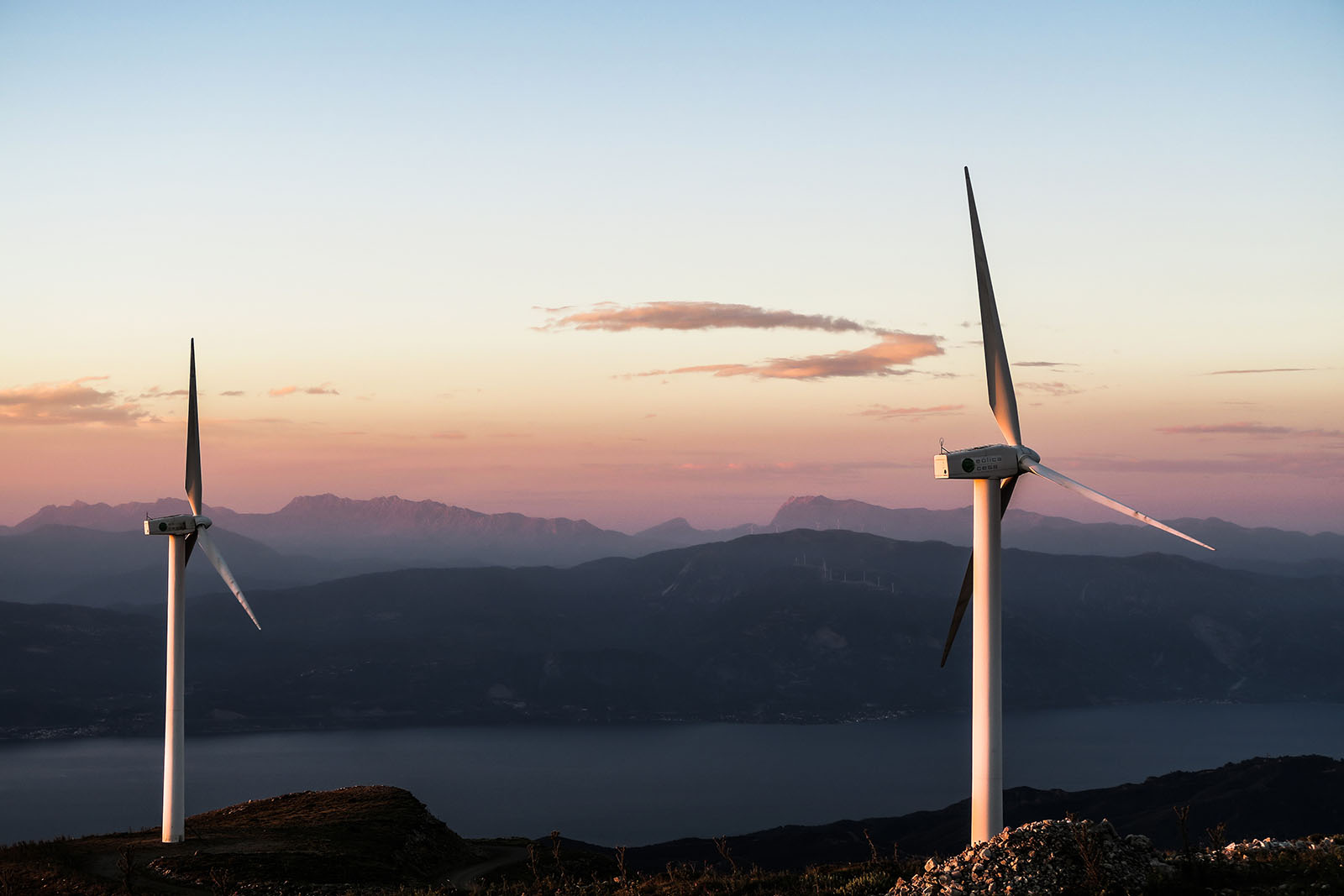
Across Australia and around the world, the impacts of climate change are being felt through worsening bushfires, floods, droughts and heatwaves. The impacts we are experiencing now are early signals of far worse to come. Time is rapidly running out to avoid the devastating impacts of a 2°C or warmer world. Every fraction of degree of warming matters and will be measured in lives, species and ecosystems lost or saved.
Climate Council: Home
Australia's leading climate change communications organisation.
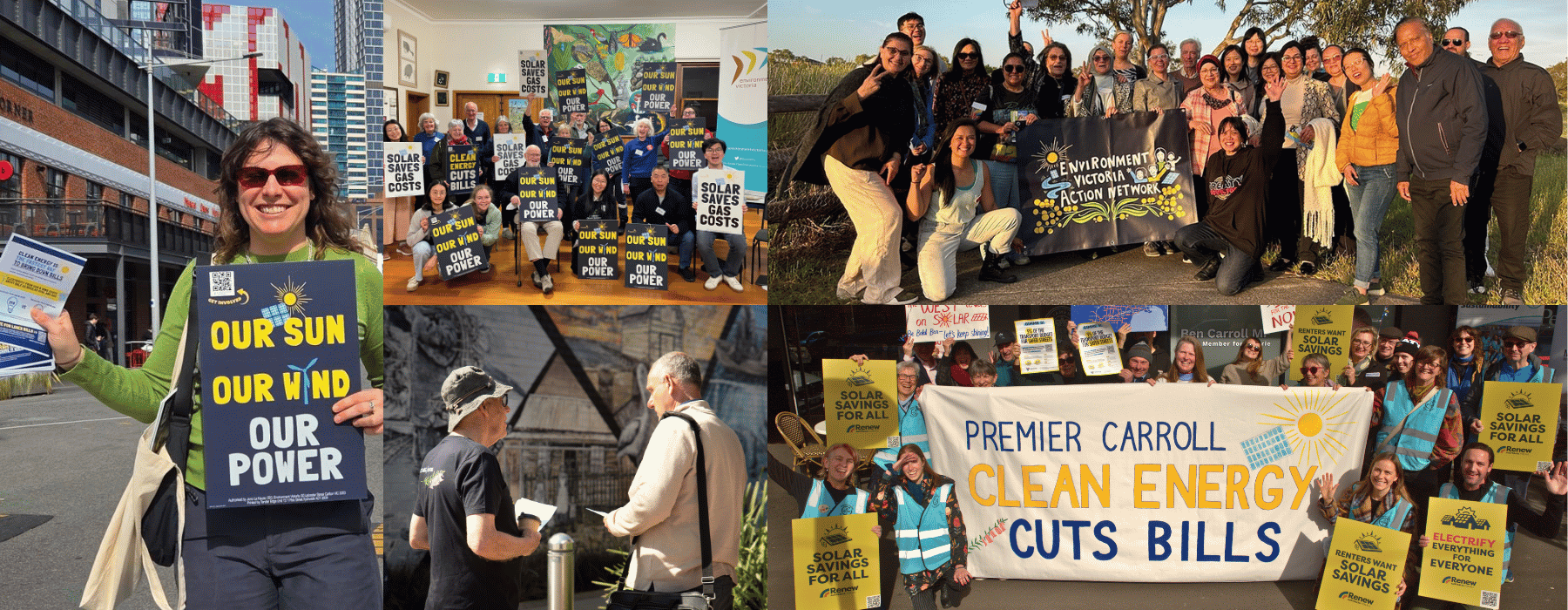
Victorian Climate Action Network – VCAN Australia
The Victorian Climate Action Network is a communication network linking over 100 community groups – climate groups as well as groups campaigning on renewable energy, public transport, or coal and gas in Victoria, Australia.
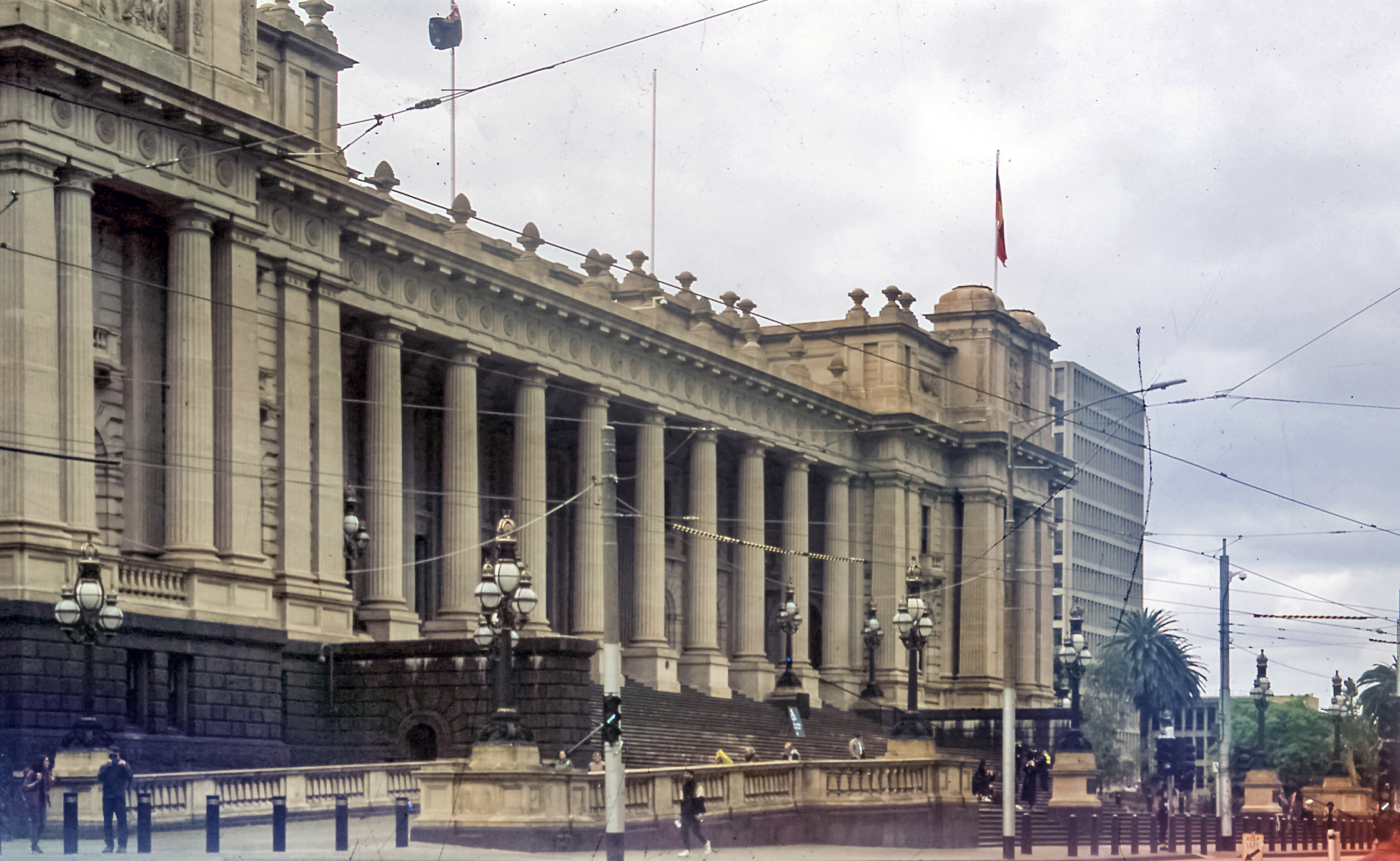
Victorian State Election November 28th 2026 - Vote Climate One
The disturbing rise of One Nation has radically changed the Australian political landscape. Vote Climate One is now forced to overhaul our strategic preferencing advice, not just federally, but for this state election as well. We now have the threat of the Liberal Party preferencing One Nation and a potential coalition between One Nation and …
Shifting the Suburbs: How to talk with suburban Australians about climate and energy
This guide is for communicators talking about climate and energy with suburban audiences. This guide primarily draws on 2026 research by RedBridge Group for the Climate Council: a survey of 2009 voters across the middle and outer suburbs of Sydney, Melbourne and Brisbane, plus focus groups, against a backdrop of war in Iran, fuel price […]

2026 Victorian Election
Take action now DONATE TO POWER THE CAMPAIGN This state election will determine what climate policies guide us into the next decade. Will we abandon our hard-fought progress, or will we ramp up ambition? None of us can change things as individuals, but together we can change what’s politically possible. In the coming months
Campaign for nature and a safe climate in the Victorian State Election
Campaign for nature and a safe climate in the Victorian State Election

Austerity and climate (in)action
In the wake of the 2008 global financial crisis, many governments implemented austerity policies aimed at reducing budget deficits through public spending cuts. This column examines the rollout of programme awarding grants for home energy efficiency upgrades in the UK examine the extent to which cuts to local government finances may have impacted efforts to promote climate action. The findings suggest that austerity, combined with poor digital skills, undermined local authorities’ efforts to effectively carry out a climate action policy that was centrally planned but locally administered.
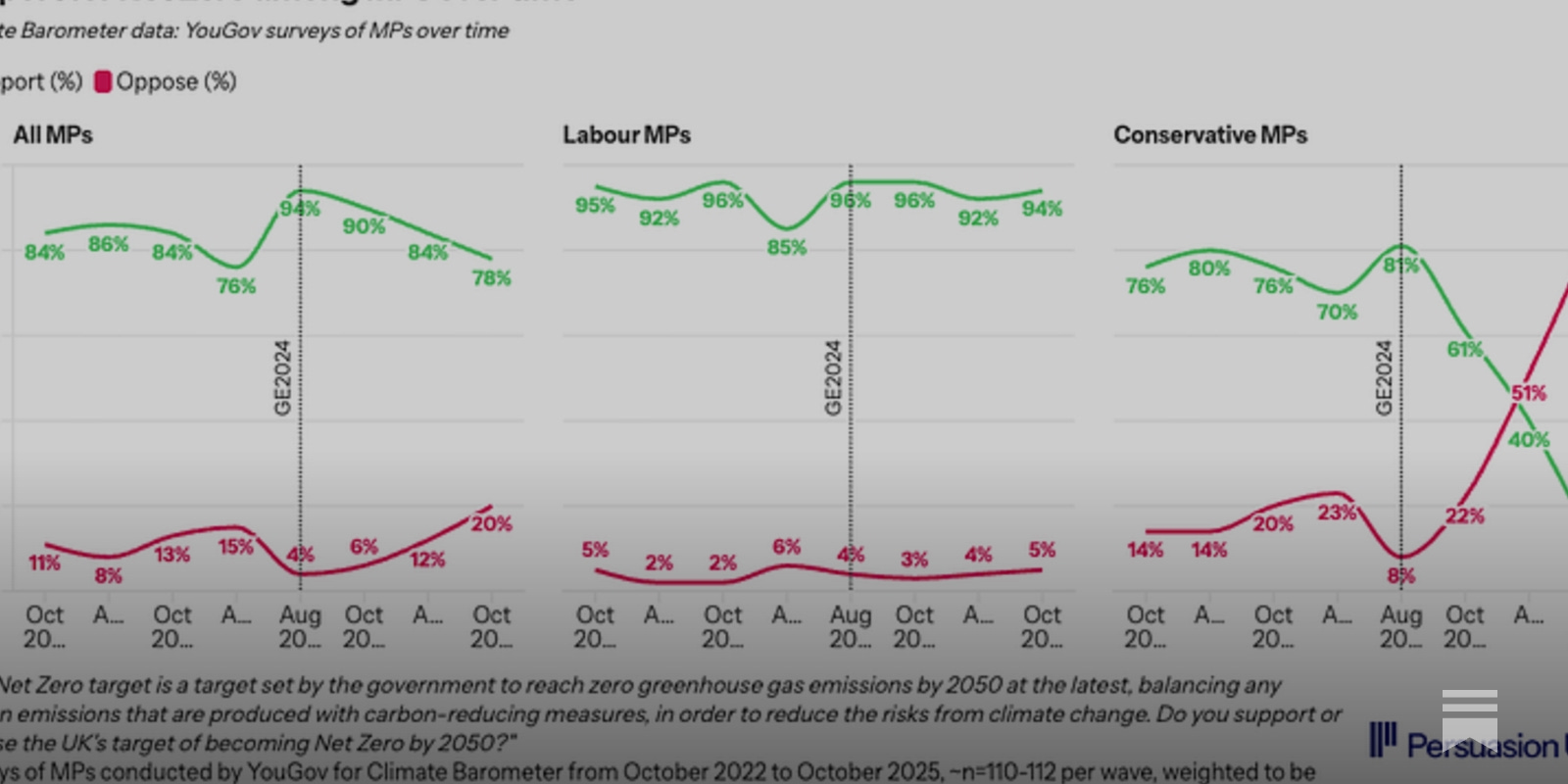
What’s happened to the UK’s climate consensus?
Opposition, apathy and the voters in-between
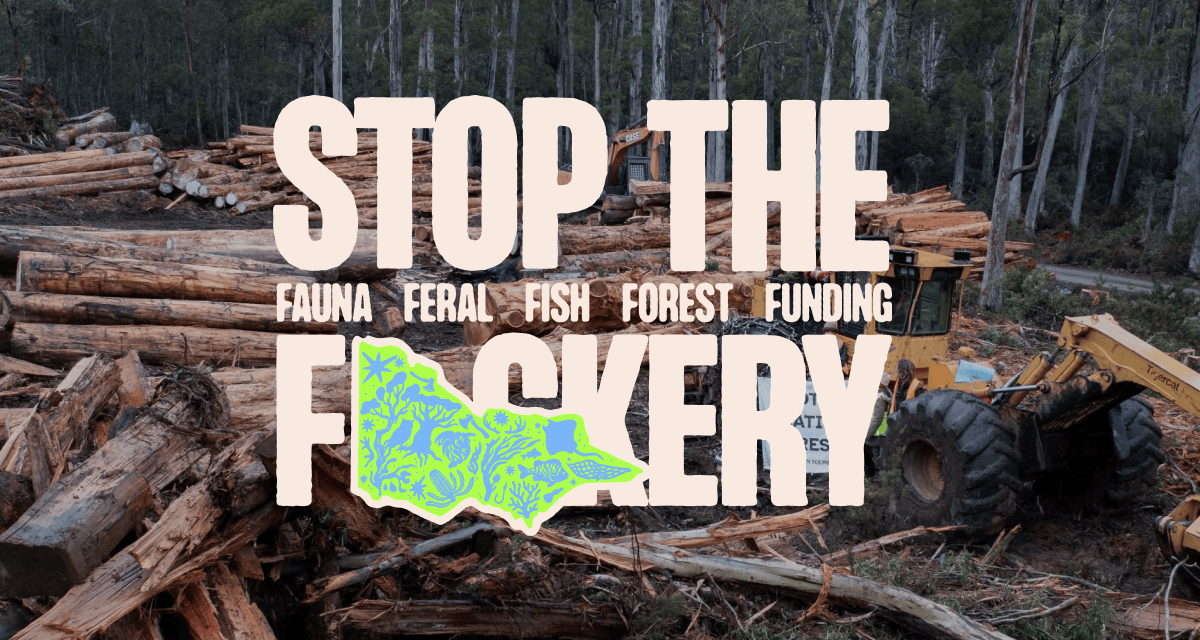
Our Allies | Stop The Fuckery
Victorians for Nature exists to hold governments and corporations to account for the systematic destruction of nature in Victoria. And to demand better.
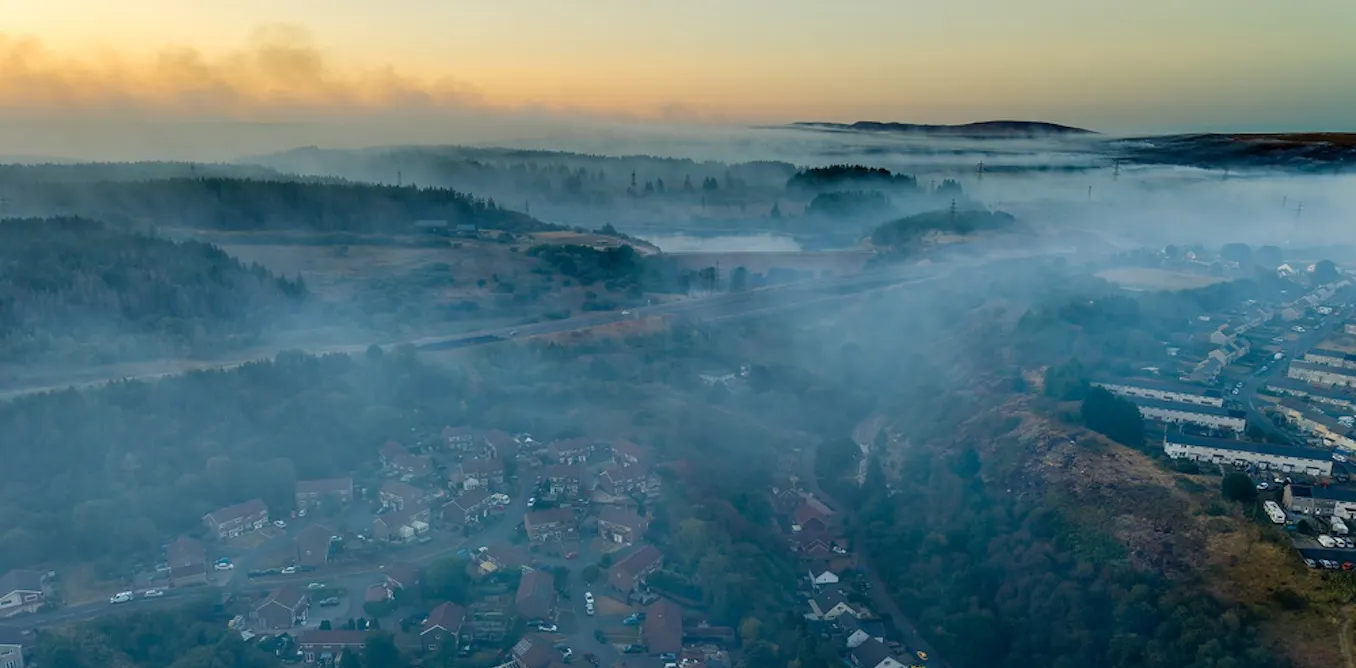
Did the hot summer make more people worry about climate change? Here’s what the latest indications show
Around 65% of the British public are now concerned about climate change.
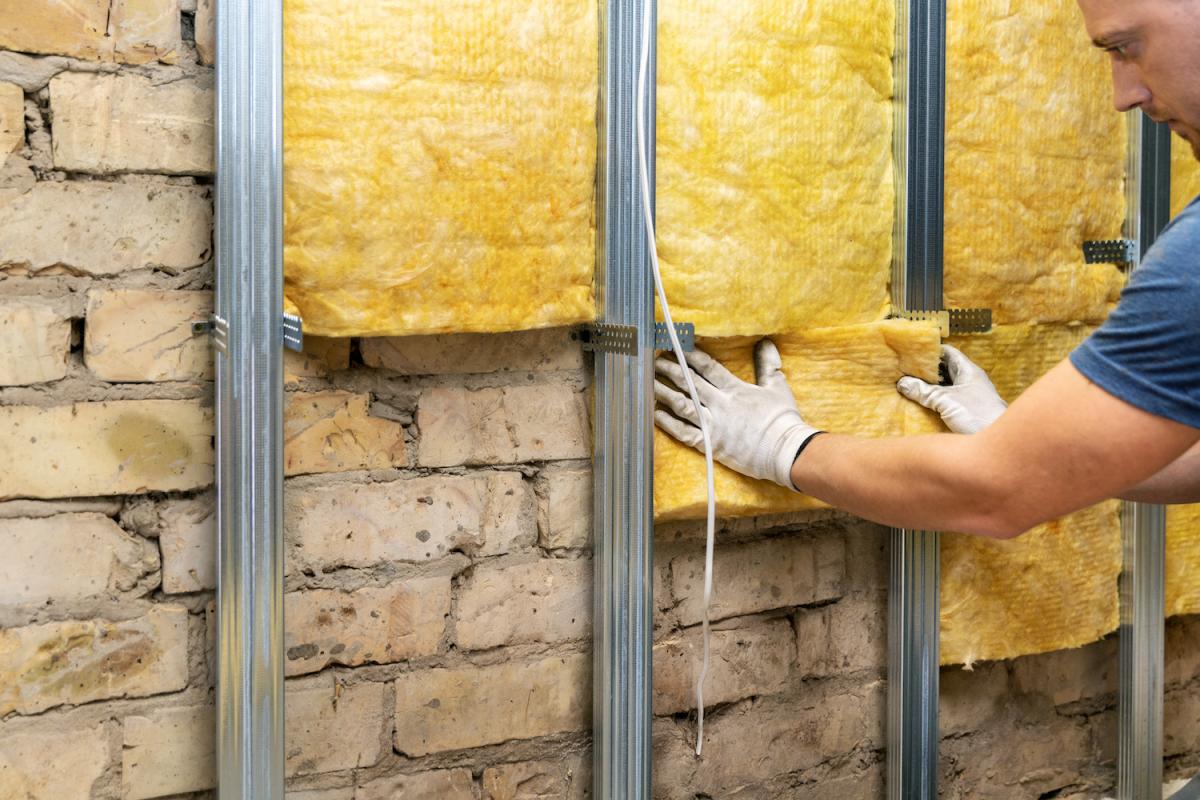
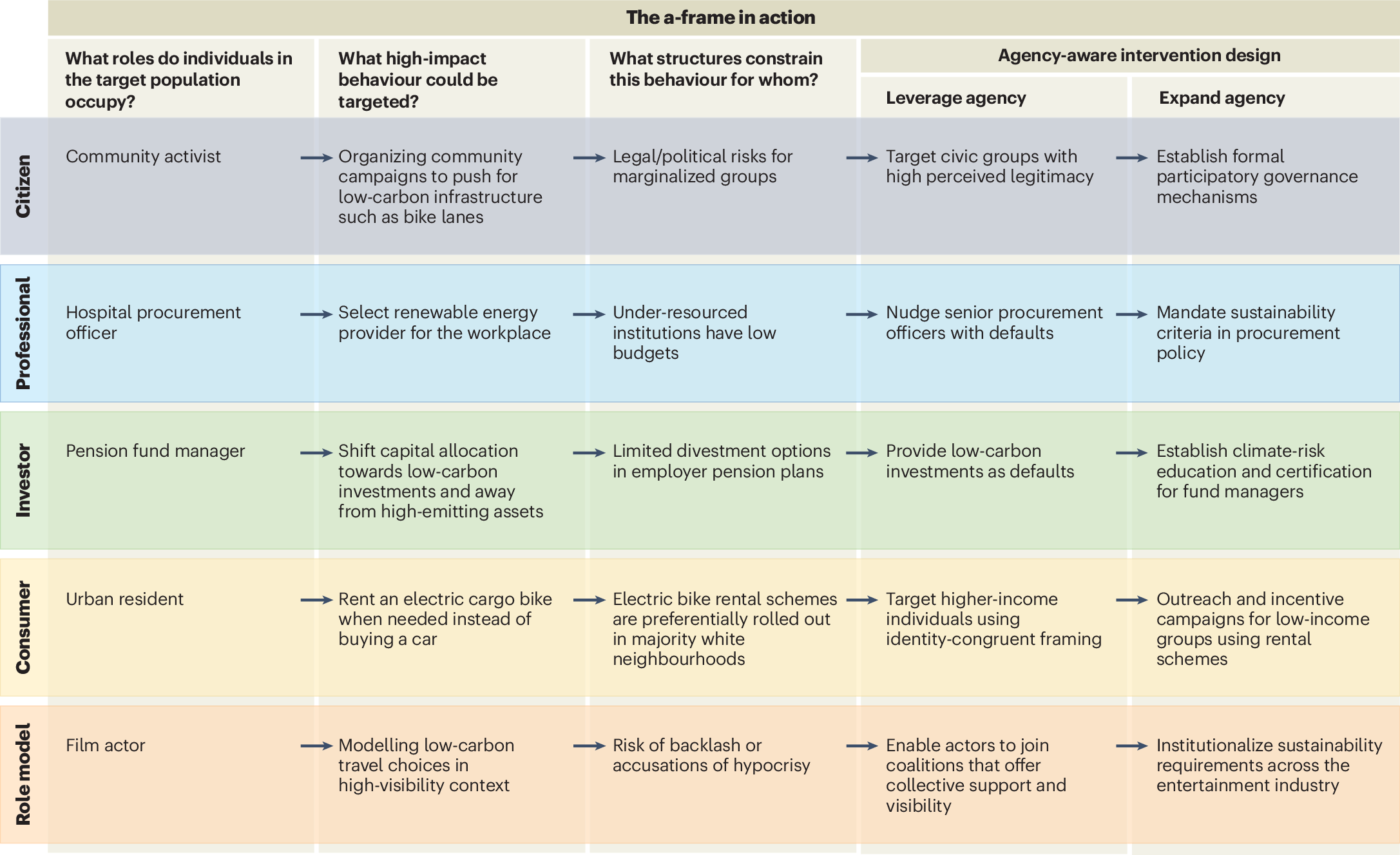
Leveraging agency for climate change mitigation
Climate debates often frame individual behaviour and systems change as distinct pathways to action. We suggest that social change arises from individuals’ agency within their roles in societal systems, and that this agency should be actively leveraged to achieve meaningful climate change mitigation.
Climate Change: Global Crisis To Local Action By Kevin Anderson
Climate Change is coming for Christmas
Stunted trees, pricey chocolate, threatened reindeer, scant snow—warming is taking a toll.

Show Your Stripes
Visualising how the climate has changed for every country across the globe
RETRACTED ARTICLE: The economic commitment of climate change
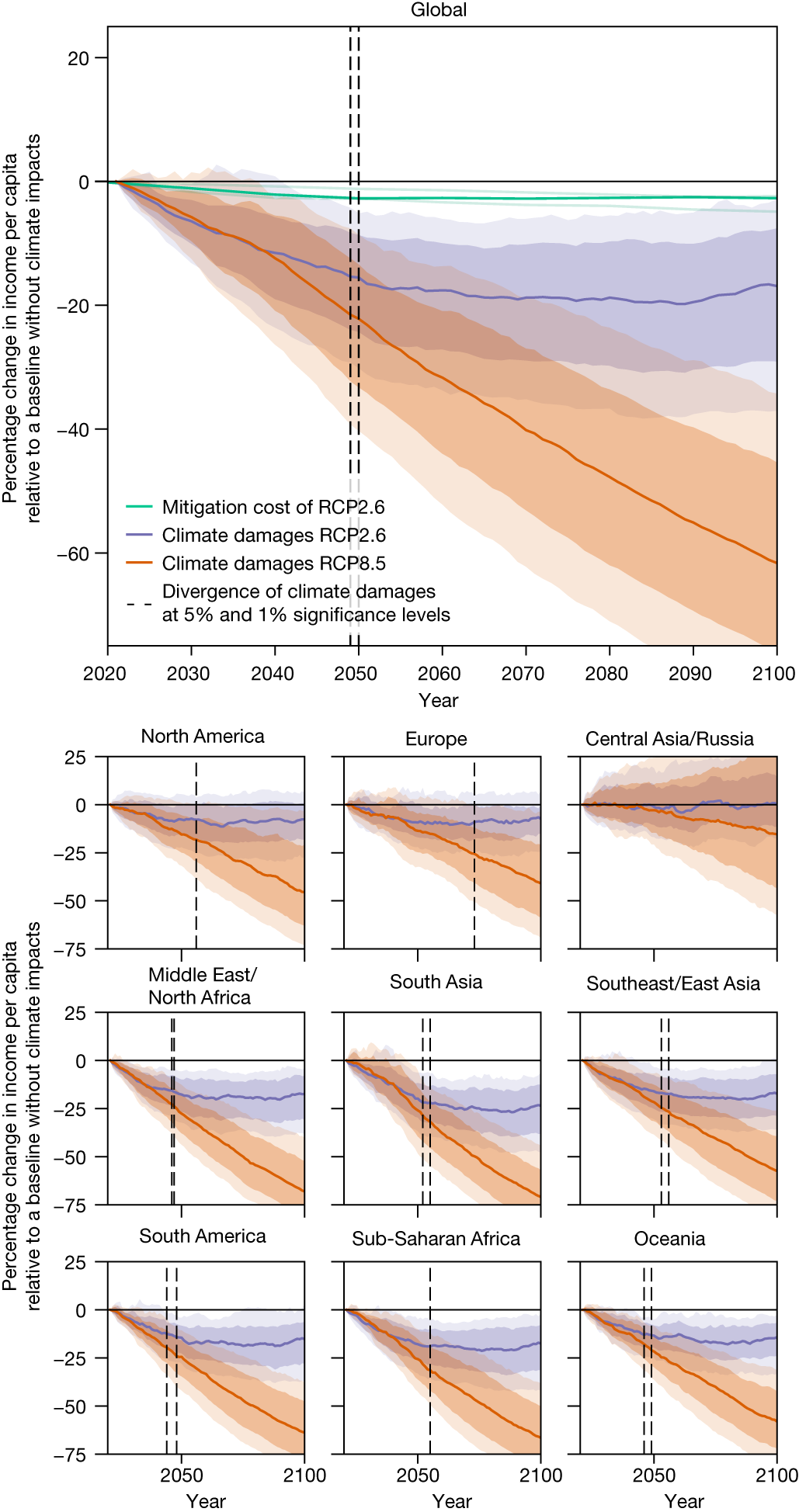
Global projections of macroeconomic climate-change damages typically consider impacts from average annual and national temperatures over long time horizons1–6. Here we use recent empirical findings from more than 1,600 regions worldwide over the past 40 years to project sub-national damages from temperature and precipitation, including daily variability and extremes7,8. Using an empirical approach that provides a robust lower bound on the persistence of impacts on economic growth, we find that the world economy is committed to an income reduction of 19% within the next 26 years independent of future emission choices (relative to a baseline without climate impacts, likely range of 11–29% accounting for physical climate and empirical uncertainty). These damages already outweigh the mitigation costs required to limit global warming to 2 °C by sixfold over this near-term time frame and thereafter diverge strongly dependent on emission choices. Committed damages arise predominantly through changes in average temperature, but accounting for further climatic components raises estimates by approximately 50% and leads to stronger regional heterogeneity. Committed losses are projected for all regions except those at very high latitudes, at which reductions in temperature variability bring benefits. The largest losses are committed at lower latitudes in regions with lower cumulative historical emissions and lower present-day income.
Appropriate Technology, Permacomputing, Post Growth, and Ecomodernism.
To adapt to the changing climate, we need to radically rethink how and why we do the things we do. From technology, to social movements, to economics. The world is at stake. And we can change it.