


Using Instagram data from 166 individuals, we applied machine learning tools to successfully identify markers of depression. Statistical features were computationally extracted from 43,950 participant Instagram photos, using color analysis, metadata components, and algorithmic face detection. Resulting models outperformed general practitioners’ average unassisted diagnostic success rate for depression. These results held even when the analysis was restricted to posts made before depressed individuals were first diagnosed. Human ratings of photo attributes (happy, sad, etc.) were weaker predictors of depression, and were uncorrelated with computationally-generated features. These results suggest new avenues for early screening and detection of mental illness.
Photos on social media can predict the health of neighborhoods | TechCrunch
The images that appear on social media - happy people eating, cultural happenings, and smiling dogs - can actually predict the likelihood that a

Facebook rolls out AI to detect suicidal posts before they're reported | TechCrunch
This is software to save lives. Facebook's new "proactive detection" artificial intelligence technology will scan all posts for patterns of suicidal thoughts, and when necessary send mental health resources to the user at risk or their friends, or contact local first-responders. By using AI to flag worrisome posts, Facebook can decrease how long it takes to send help.

Machine learning study identifies facial features that are central to first impressions
"We shouldn't be too confident in our first impressions. They might come to mind easily and effortlessly, but not because we are so good at judging others. Rather, it seems like our oversensitive emotion detection system makes us 'see things' in others' faces.”
Facebook’s facial recognition will one day find you, even while facing away
New research that incorporates info about clothing, hair style adds to confidence.
Facebook and Twitter shutter pro-Trump network reaching 55 million accounts
They used AI-generated faces as profile photos

Researcher reveals evidence of private Instagram profiles leaking photos
A researcher has released detailed evidence showing some Instagram private accounts exposed photo links to unauthenticated visitors. The issue was later fixed, but Meta closed the report as not applicable and did not respond to multiple requests for comment.

Meta Sued Over Training Data for Its AI and Face-Recognition Systems
The proposed class action alleges Meta illegally harvested people’s Facebook and Instagram photos to train its AI image-generation models and to build its unreleased “NameTag” face recognition feature.

Correcting the Measurement Errors of AI-Assisted Labeling in Image Analysis Using Design-Based Supervised Learning
Generative artificial intelligence (AI) has shown incredible leaps in performance across data of a variety of modalities including texts, images, audio, and videos. This affords social scientists the ability to annotate variables of interest from unstructured media. While rapidly improving, these methods are far from perfect and, as we show, even ignoring the small amounts of error in high accuracy systems can lead to substantial bias and invalid confidence intervals in downstream analysis. We review how using design-based supervised learning (DSL) guarantees asymptotic unbiasedness and proper confidence interval coverage by making use of a small number of expert annotations. While originally developed for use with large language models in text, we present a series of applications in the context of image analysis, including an investigation of visual predictors of the perceived level of violence in protest images, an analysis of the images shared in the Black Lives Matter movement on Twitter, and a study of U.S. outlets reporting of immigrant caravans. These applications are representative of the type of analysis performed in the visual social science landscape today, and our analyses will exemplify how DSL helps us attain statistical guarantees while using automated methods to reduce human labor.

Meta spotted testing AI-generated comments on Instagram | TechCrunch
In recent years, Meta has introduced many AI features and capabilities to its apps, even going so far as experimenting with AI-generated characters

Facebook’s new facial recognition feature finds you in untagged photos
So you can keep track of your online persona.
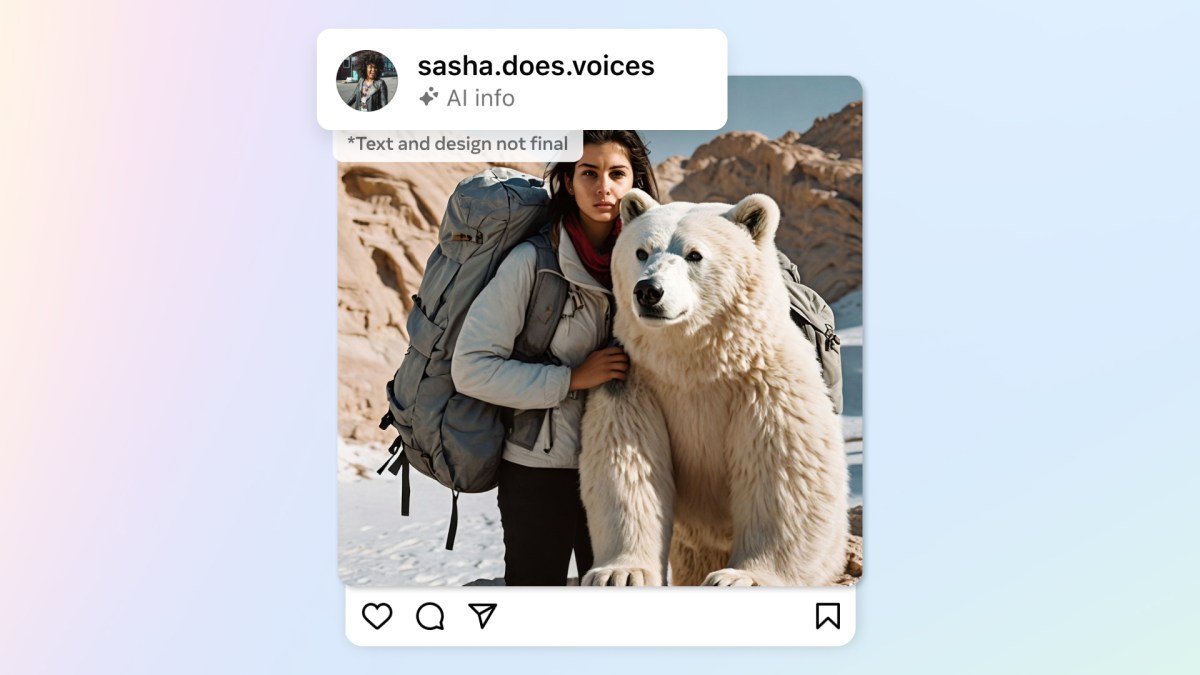
Labeling AI-Generated Images on Facebook, Instagram and Threads
Nick Clegg offers a new approach to identifying and labeling AI-generated content.
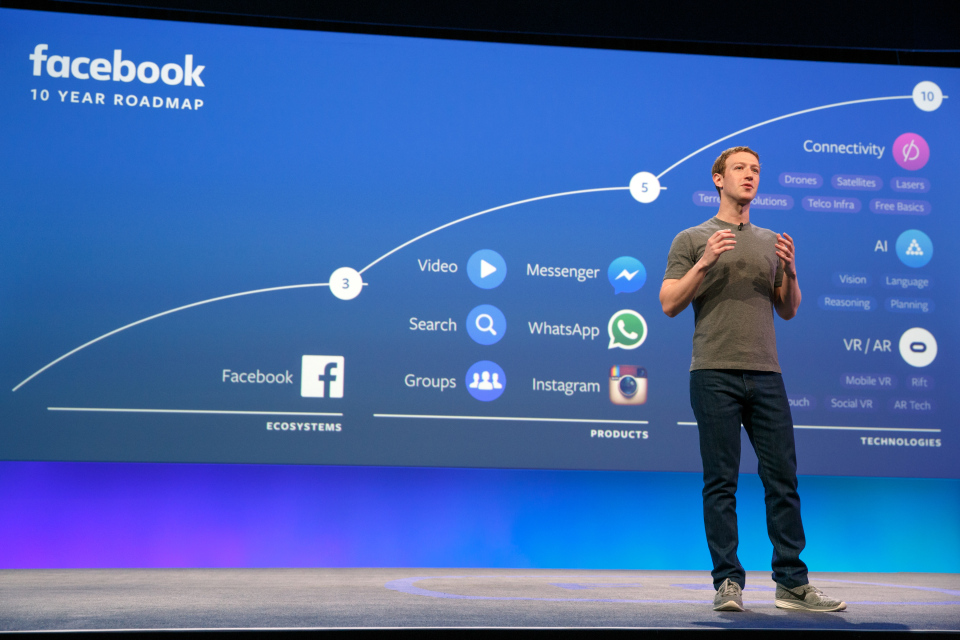
Facebook’s Mental Health Problem
The most important thing I learned in 2015? That depression and social media do not go well together at all.

The Effect of Deactivating Facebook and Instagram on Users’ Emotional State
We estimate the effect of social media deactivation on users’ emotional state in two large randomized experiments before the 2020 U.S. election. People who deactivated Facebook for the six weeks before the election reported a 0.060 standard deviation improvement in an index of happiness, depression, and anxiety, relative to controls who deactivated for just the first of those six weeks. People who deactivated Instagram for those six weeks reported a 0.041 standard deviation improvement relative to controls. Exploratory analysis suggests the Facebook effect is driven by people over 35, while the Instagram effect is driven by women under 25.

Facebook turned on face recognition silently | Hacker News
There are two people who are in a photo. One wishes Facebook to use face recognition, the other does not.
The Face Recognition Algorithm That Finally Outperforms Humans
Computer scientists have developed the first algorithm that recognises people’s faces better than you do

sweetbeex/bsky-photo-number-analyses
Statistical analysis of Bluesky posts, before app changed multi-photo presentation from grids to carousels. Looking specifically at image count vs post engagement on posts with images of people.