


I dig into the research on intrinsic motivation. Super interesting subject. Long but hopefully quite thorough.

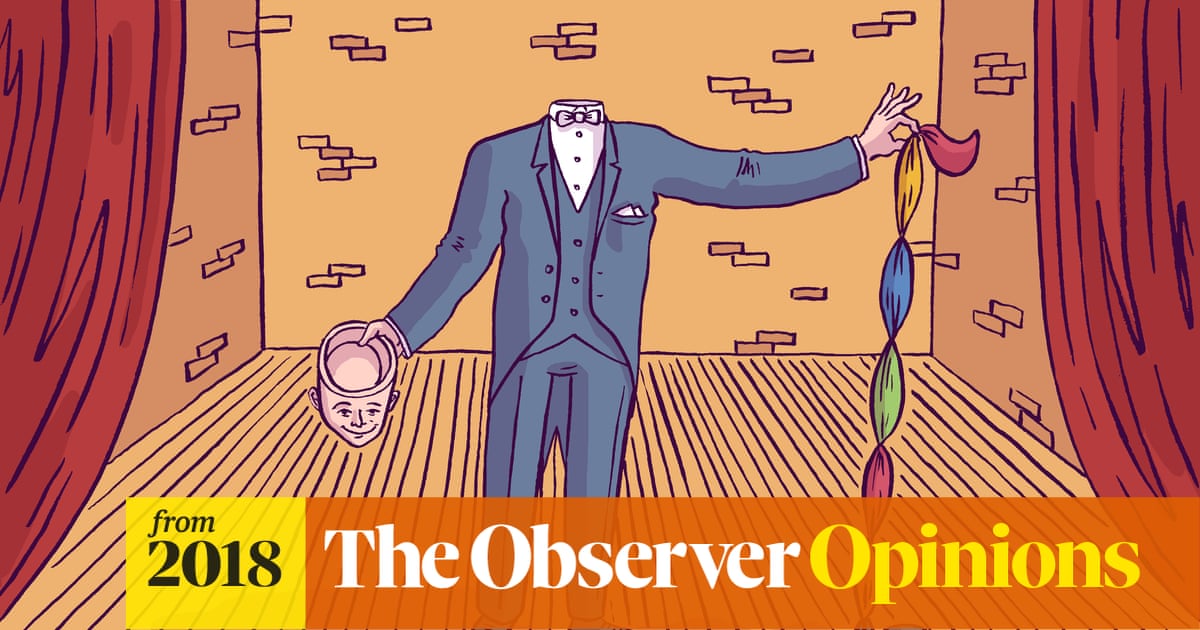
A revolution in our sense of self | Nick Chater
Psychologists have tried to plumb the depths of human motivation to make sense of our behaviour. But our inner mental world is a fiction, sustained by constant improvisation
Impact, agency, and taste
understand + work backwards from the root goal • don’t rely too much on permission or encouragement • make success inevitable • find your angle • think real hard • reflect on your thinking
Input goals and output goals
The other week someone introduced me to the idea of “input goals” and “output goals”, by Oz Chen. Oz writes about “personal development and content strategy”, so…

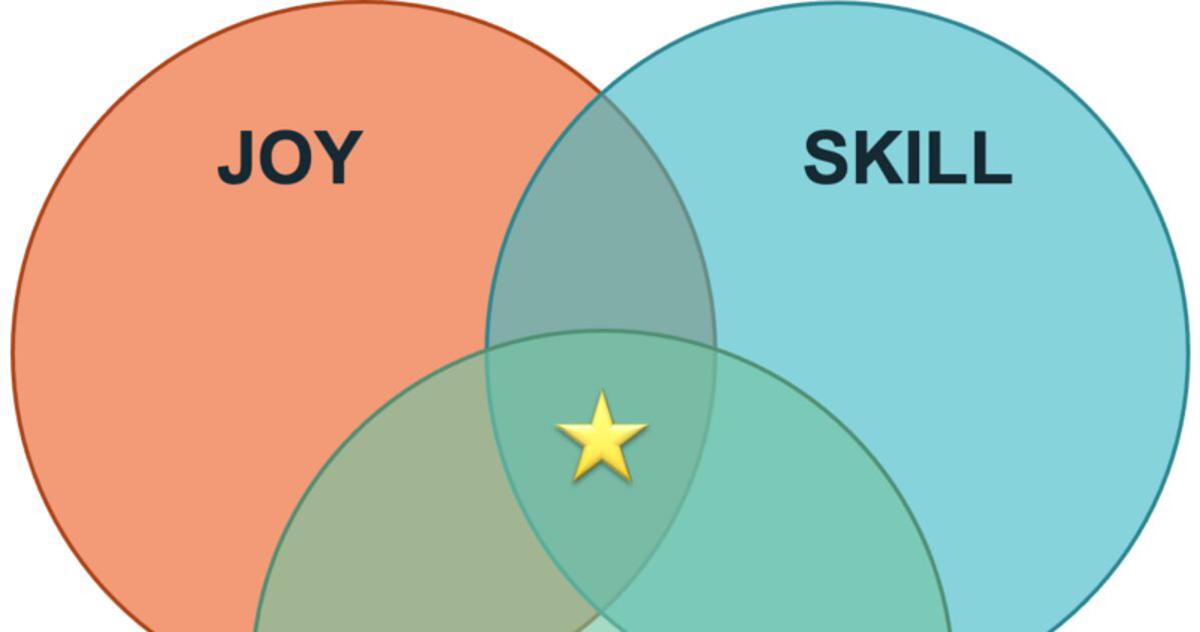
Finding Fulfillment
What creates a fulfilling existence? Exploration leads to a framework I've used for years for myself and the people around me. I hope it helps you too.
Signaling as a Service
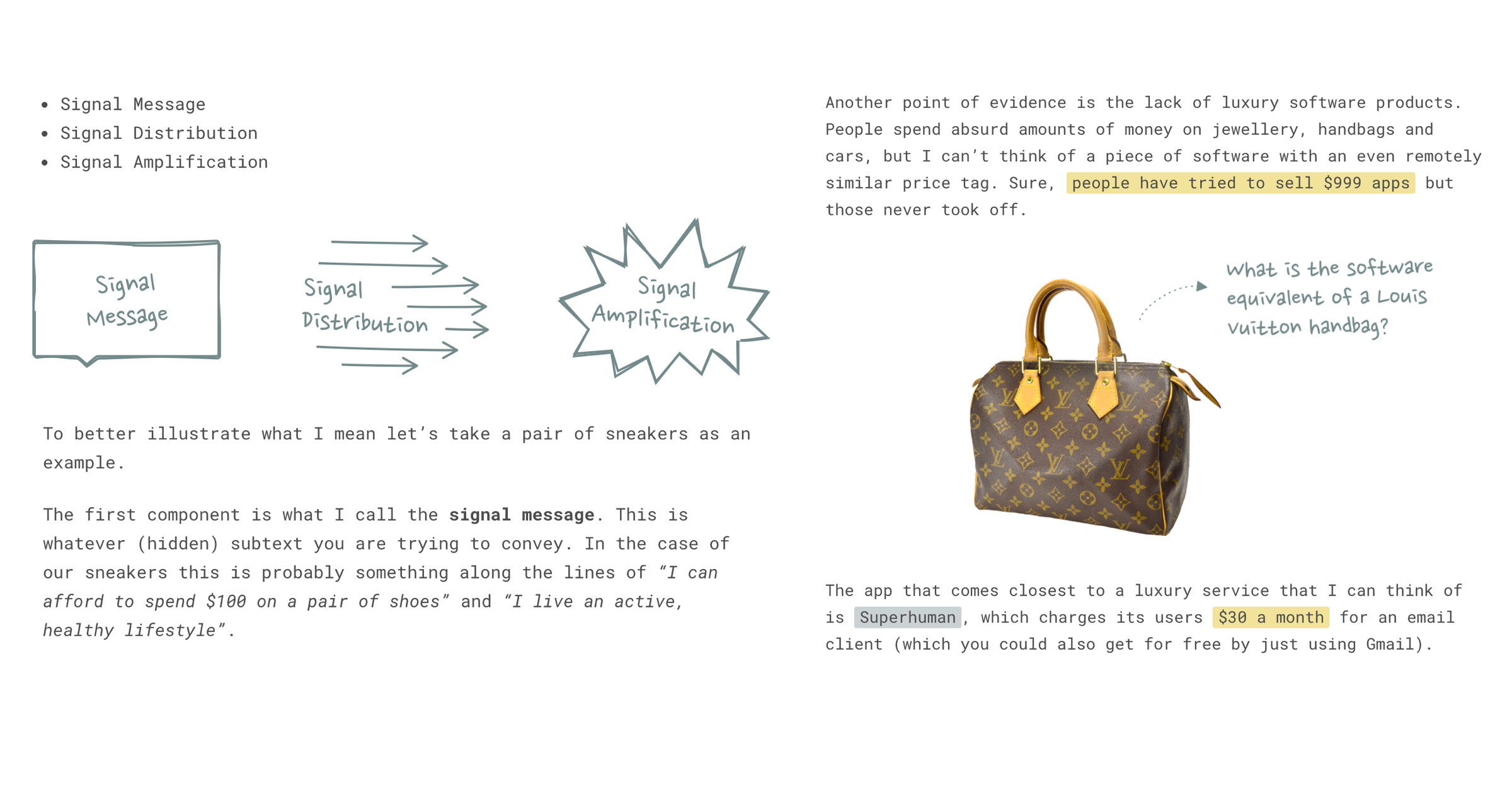
01 Intro One of the best books I have read in the last few years is The Elephant in the Brain by Robin Hanson and Kevin Simler. The book makes two main arguments: a) Most of our everyday actions can be traced back to some form of signaling or status seeking b) Our brains deliberately hi
Want to Create (and Maintain) a New Habit? Science Says Harness the Power of ‘Temptation Bundling’
Want to create a new habit? Temptation bundling provides the incentive and the motivation.

Frameworks v0.2
FRAMEWORKS v0.2 Many of the thoughts in this document draw on and synthesize concepts from economics, math, physics, chemistry, biology, and psychology. Here are a handful of core concepts that are often relied on as inputs: Activation energy Behavioral economics Cognitive biases Darwinism En...


To Anyone Who Thinks They're Falling Behind In Life
You don't need more motivation. You don't need to be inspired to action. You don't need to read any more lists and posts about how you're not doing enough. There's a magic beyond us that works in ways we can't understand.

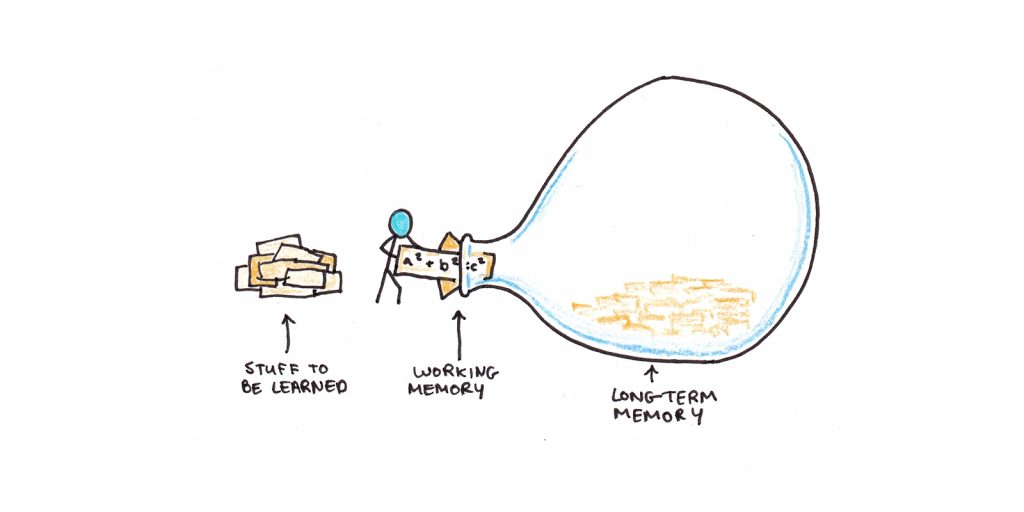
Cognitive Load Theory and its Applications for Learning - Scott H Young
What makes learning hard? How can we make it easier? Cognitive load theory explains how we learn and how to do it better.
Large-Scale Study of Curiosity-Driven Learning
Burda*, Edwards*, Pathak* et.al. (* equal contribution, alphabetical order) Large-Scale Study of Curiosity-Driven Learning. 2018.

A Theory Of Scott Alexander which I find persuasive 20/
A Theory Of Scott Alexander which I find persuasive20/ https://t.co/RW6w7QUgz5— Jonathan Korman 🟣 (@miniver) February 19, 2021
The Motivation Blueprint | Learning Development Accelerator | Professional L&D Community
You can buy an ebook from us directly or wherever ebooks are sold (Apple Books, Amazon, B&N, etc..

Self-Control and Optimal Goals: A Theoretical Analysis
Consumers set goals to achieve a variety of objectives such as losing weight, saving for retirement, and achieving better health. A large body of literature in psychology and consumer behavior shows that goals can help consumers achieve these objectives. However, there is almost no research that examines how we should set optimal goals. The purpose of this paper is to develop a parsimonious framework that examines how goals can help performance and how we should set optimal goals. We use the literature on hyperbolic discounting to model these issues. Our results show that goals can often increase performance but can also sometimes encourage procrastination. We show that some goals are worse than having no goals, even when the goals are achieved and the consumer exerts more effort because of the goal. We also find that the presence of goals can lead to myopic consumers behaving as if they were hyperopic. Our results also show that the most difficult goals should be assigned to consumers with moderate levels of motivation and self-control problems. We also find that it is sometimes optimal to set goals that are never achieved.

It’s the Effort That Counts: The Effect of Self-Control on Goal Progress Perceptions
Does the amount of self-control consumers must exert to choose a goal-consistent action influence their perceptions of goal progress? For example, if you choose to go to the gym when one of your favorite TV shows is on (vs. when nothing interesting is on TV), do you perceive that you have made a differential amount of progress toward your goal, despite completing the exact same workout? In eight studies (N = 7,515), the authors demonstrate that consumers perceive that they have made more progress on their goals when more (vs. less) self-control is required to choose to complete an identical goal-consistent task. This is because when consumers exert more (vs. less) self-control to choose a goal-consistent task over the goal-inconsistent alternatives, they infer higher commitment to the goal. The higher inferred commitment, in turn, leads consumers to perceive that future goal pursuit will be easier. The authors demonstrate this effect across a variety of tasks and means of exerting self-control, as well as with both hypothetical scenarios and real-behavior studies.
