esolangs, esoplatforms, esosystems, and all that break from the norms of computing
esoteric.codes
esolangs, esoplatforms, esosystems, and all that break from the norms of computing

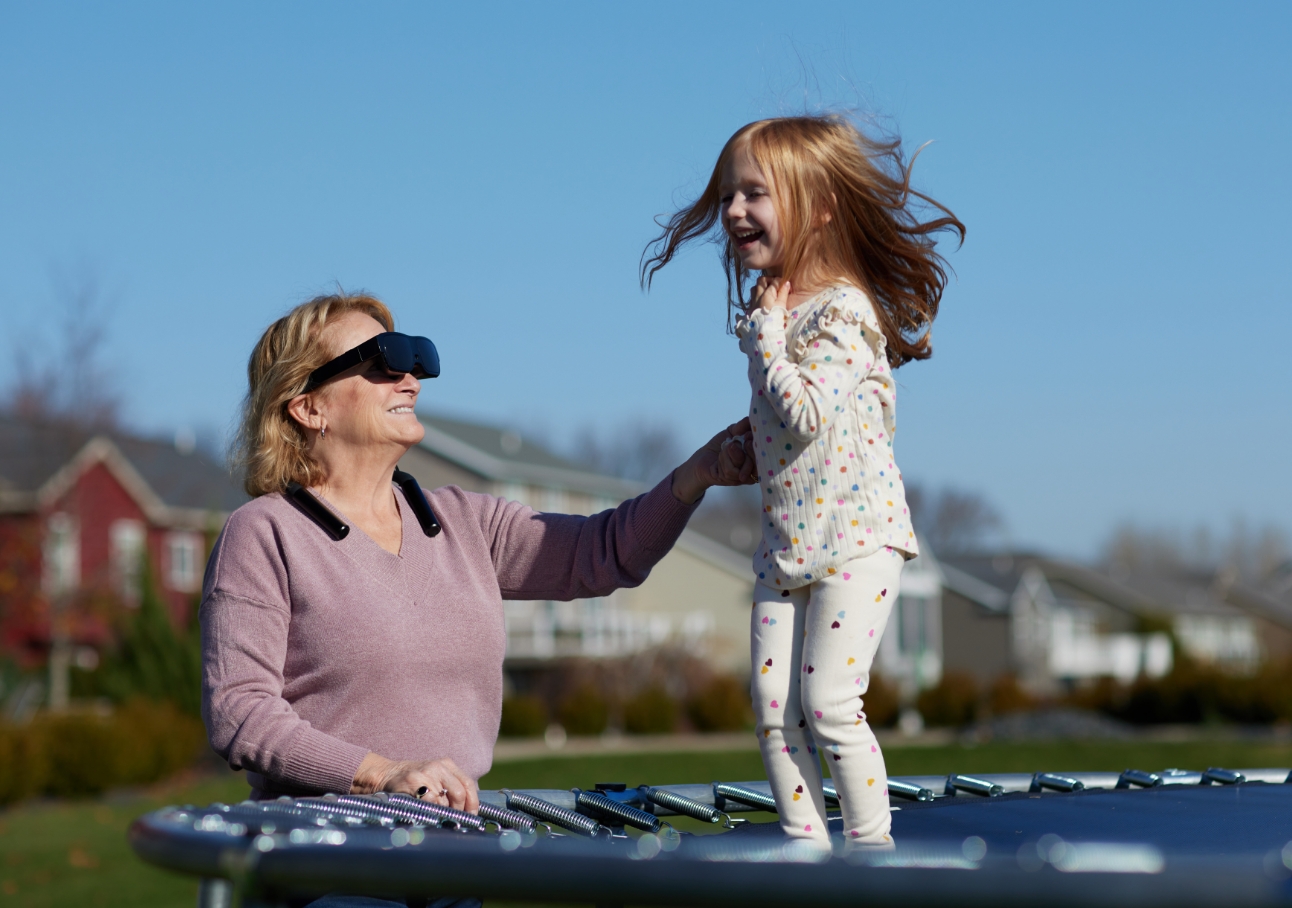
eSight - Electronic eyewear for the visually impaired
eSight is the most advanced all-in-one device for people with visual impairment. Fill out our online form to learn if eSight could help you.
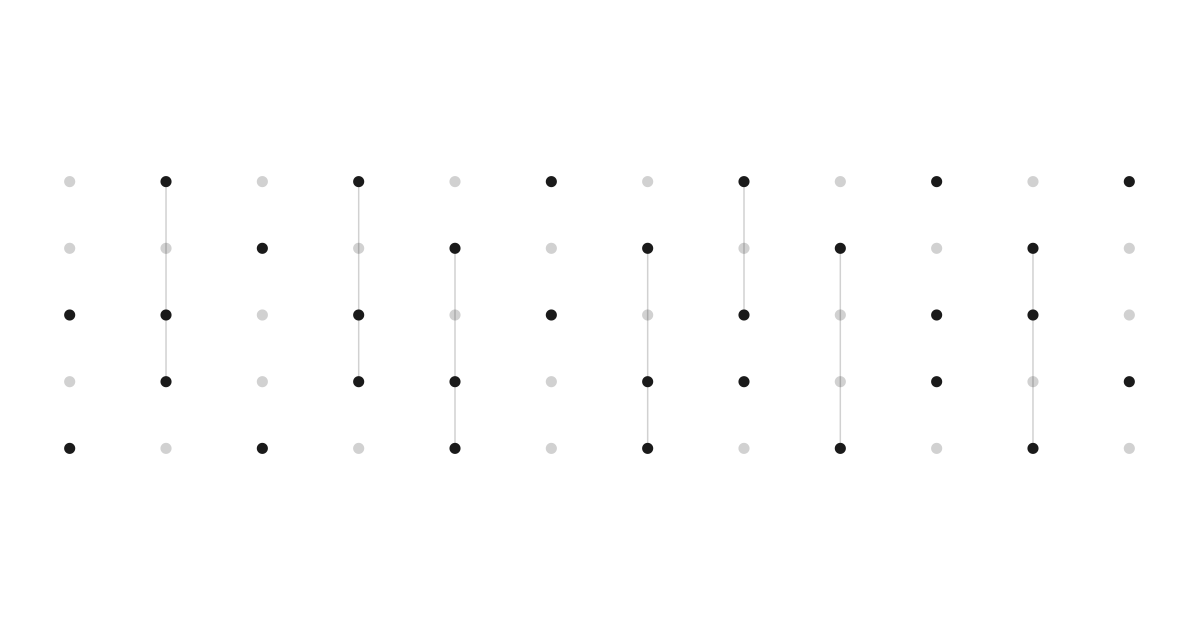
Can LLMs Be Computers? | Percepta
We build a computer inside a transformer — executing arbitrary C programs for millions of steps with exponentially faster inference via 2D attention heads.
Can LLMs Be Computers? | Percepta
We build a computer inside a transformer — executing arbitrary C programs for millions of steps with exponentially faster inference via 2D attention heads.
Bret Victor - Media for Thinking the Unthinkable
Calculating with lenses | Proceedings of the 20th ACM SIGPLAN workshop on Partial evaluation and program manipulation
Functional programs are particularly well suited to formal manipulation by equational reasoning. In particular, it is straightforward to use calculational methods for program transformation. Well-known transformation techniques, like tupling or the ...

A foundation model of vision, audition, and language for in-silico neuroscience | Research - AI at Meta
Cognitive neuroscience is fragmented into specialized models, each tailored to specific experimental paradigms, hence preventing a unified model of...
All elementary functions from a single binary operator
A single two-input gate suffices for all of Boolean logic in digital hardware. No comparable primitive has been known for continuous mathematics: computing elementary functions such as sin, cos, sqrt, and log has always required multiple distinct operations. Here I show that a single binary operator, eml(x,y)=exp(x)-ln(y), together with the constant 1, generates the standard repertoire of a scientific calculator. This includes constants such as e, pi, and i; arithmetic operations including addition, subtraction, multiplication, division, and exponentiation as well as the usual transcendental and algebraic functions. For example, exp(x)=eml(x,1), ln(x)=eml(1,eml(eml(1,x),1)), and likewise for all other operations. That such an operator exists was not anticipated; I found it by systematic exhaustive search and established constructively that it suffices for the concrete scientific-calculator basis. In EML (Exp-Minus-Log) form, every such expression becomes a binary tree of identical nodes, yielding a grammar as simple as S -> 1 | eml(S,S). This uniform structure also enables gradient-based symbolic regression: using EML trees as trainable circuits with standard optimizers (Adam), I demonstrate the feasibility of exact recovery of closed-form elementary functions from numerical data at shallow tree depths up to 4. The same architecture can fit arbitrary data, but when the generating law is elementary, it may recover the exact formula.

Luminal
We automatically generate complex kernels, like Flash Attention, with zero hand engineering
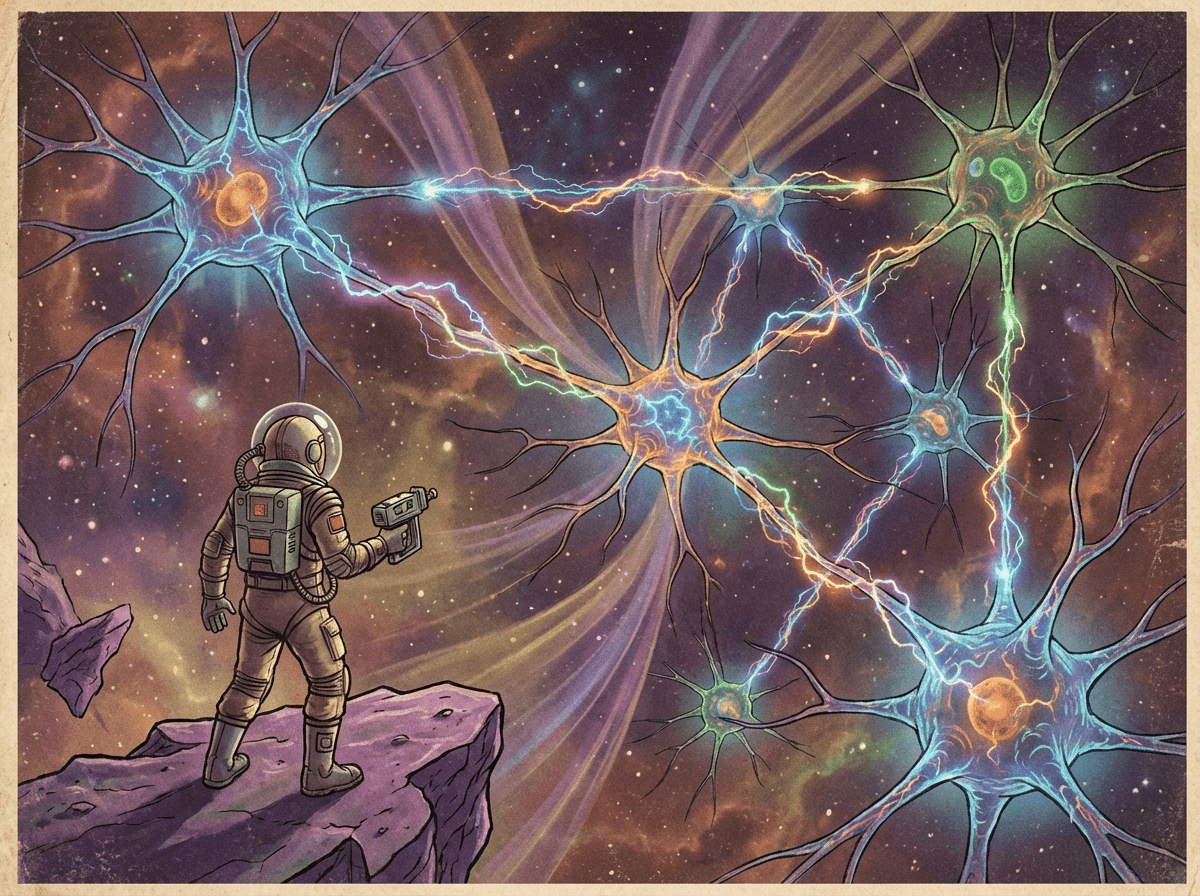
Reverse-Engineering the Wetware: Spiking Networks, TD Errors, and the End of Matrix Math
An engineer-friendly deep dive into how the human brain truly processes information, learns without backpropagation, and uses spiking neural networks, predictive coding, and dopamine-driven TD errors—challenging our notions of AI and matrix math.
Hyperfast AI: Rethinking Design for 1000 tokens/s
I recently spoke at AI Tinkerers Raleigh about hyperfast inference systems and how they’re fundamentally changing AI application design. If you haven’t heard of Cerebras (or however they pronounce it), you’re in for a treat—this is one of the most exciting areas of research in AI right now.
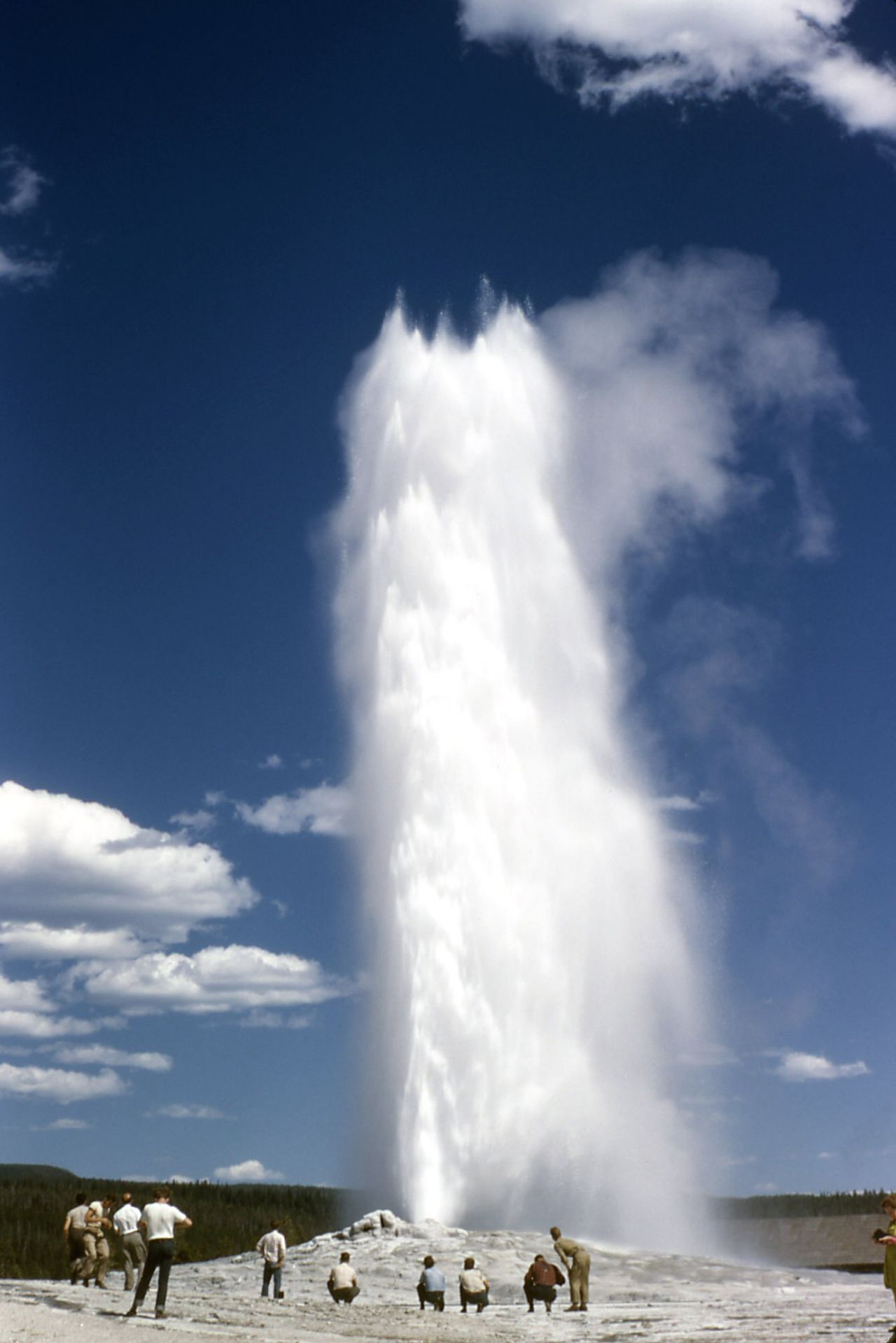
Drinking from the Firehose: Learning Computer Graphics Techniques and Programming
Graphics researchers waiting in the water fountain line at SIGGRAPH Yellowstone. Computer graphics as a field is broad, deep, complex, and intimidating. More than half a century of rapid progress driven by academic research and industry practices underly it. Parts delve pretty far into physics, math, signal processing, systems programming (and more). And performance is always at a premium—so simple, straightforward techniques are often not possible, and high-level programming abstractions not usable.
E11 Bio | Moonshot Neuroscience
An FRO building scalable single-cell brain circuit mapping.

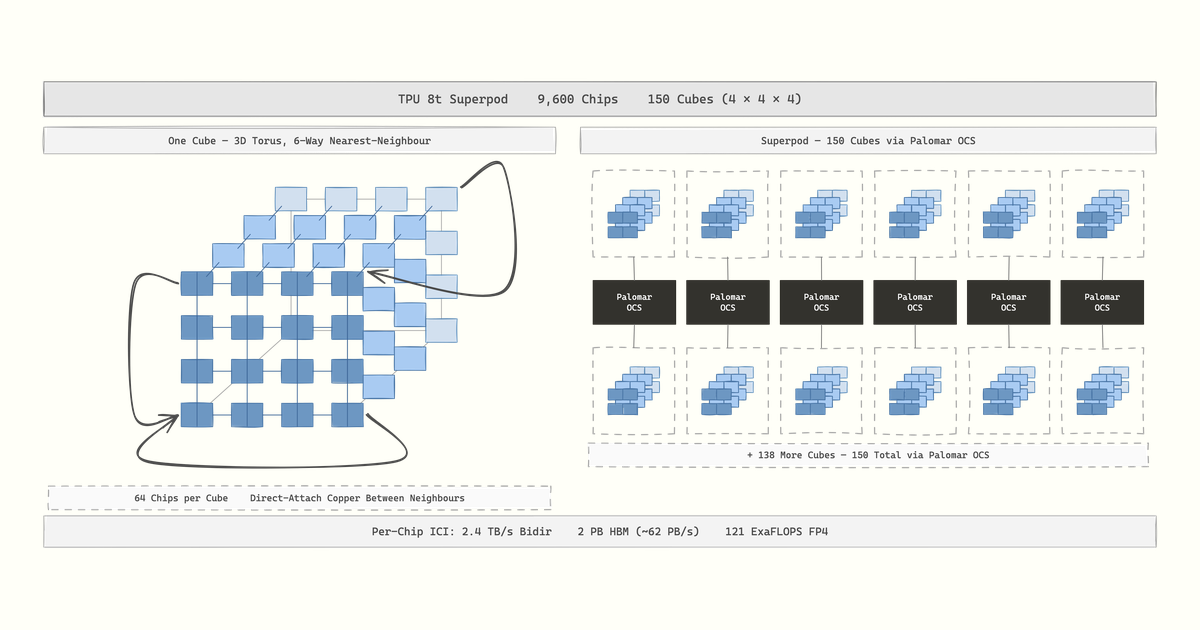
AI Chip Architectures
A look at AI Chip Architectures. NVIDIA, AMD, TPUs, Trainium, Groq, Cerebras.