

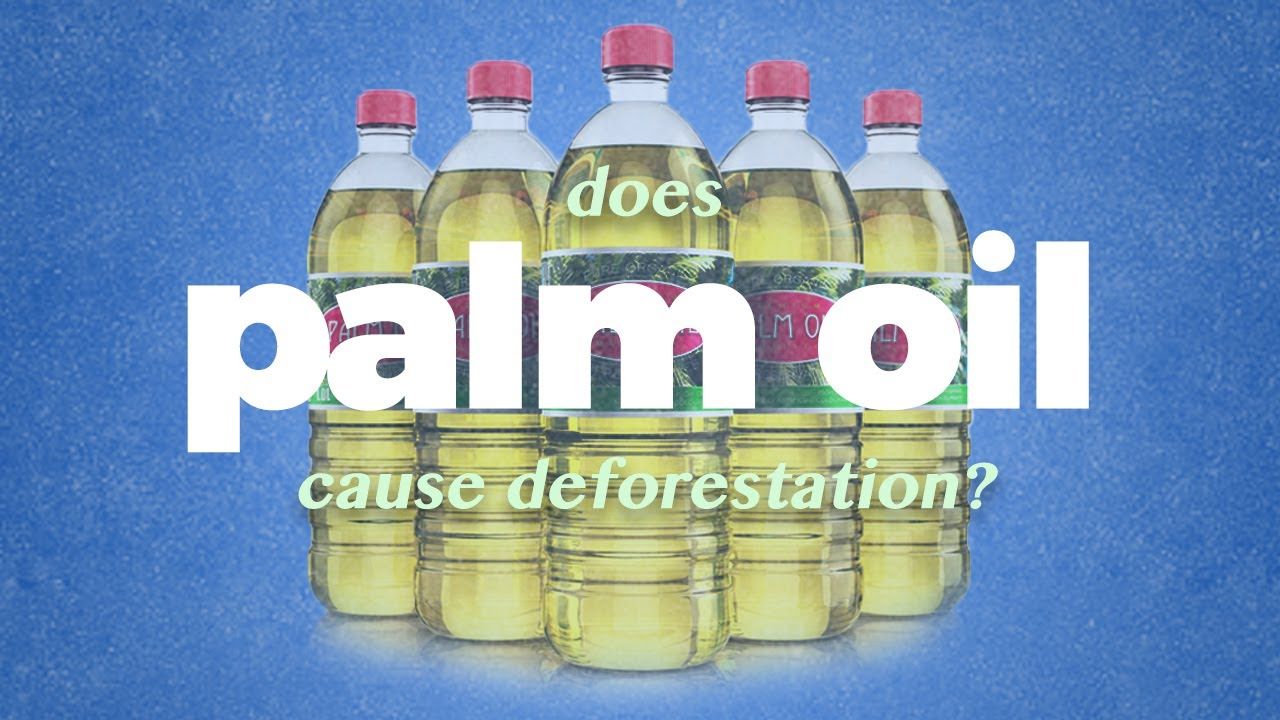
Useful investigation for those who want to better understand the debates around palm oil production and the symptoms of a much larger problem.
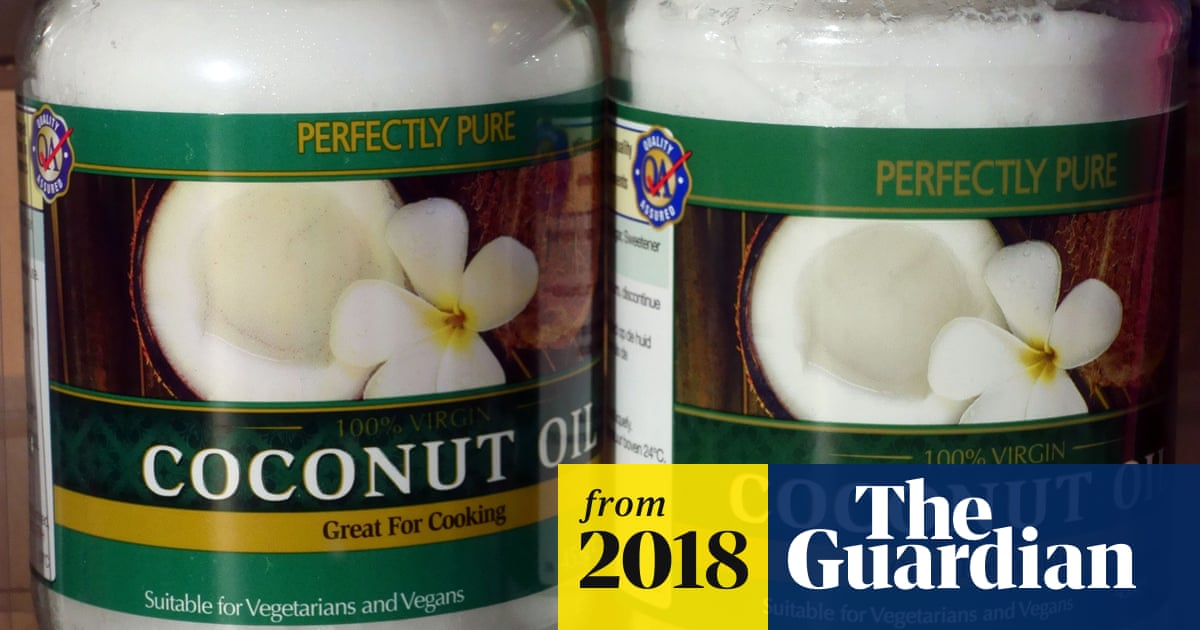
Coconut oil is 'pure poison', says Harvard professor
It is feted as a healthy choice but the oil, which is high in saturated fat, is ‘one of the worst things you can eat’ says expert
PTAB Reverses § 101 Rejection of Formulation Containing Component that Mimics Human Product
PTAB Finds That Base Oil + Essential Oil Formulation is Not a Natural Product

Exxon Knew about Climate Change Almost 40 Years Ago
A new investigation shows the oil company understood the science before it became a public issue and spent millions to promote misinformation

If you want to debate the Googler’s Manifesto and you’re also a good person
Of course you should be able to share your doubts and concerns. When something seems weird it’s important to talk about it and
The cannabis experiment
As marijuana use becomes more acceptable, researchers are scrambling to answer key questions about the drug.

Terence Tao (@tao@mathstodon.xyz)
In basic research, such as pure mathematics, one might naively expect that the natural question to ask with regards to a given problem X in a field is "What is the answer to X?". But in many cases the more valuable question is "What can be learned from studying X?" The answer to X itself can of course be one of the things learned in this process of study; but one can learn far more useful information besides, such as * What are the main difficulties to overcome to resolve X? * What new techniques can one discover in order to solve X? * Why are existing techniques insufficient to solve the problem by itself? * How does X relate to results in prior literature? * Can one uncover new connections between X and other topics Y, Z, ...? * What are some natural related or followup questions X', X'', ... to study? Nevertheless, until recently the two questions were closely aligned, to the point where it was not really necessary to distinguish the two: the only practical route to solving a difficult problem was to first address many of the subquestions listed above. (1/3)
Unconventional But Effective Therapy for Alzheimer's Treatment: Dr. Mary T. Newport at TEDxUSF
Individual Experience vs. The Cochrane Review
On my decade-long exploration seeking a scientific language for singular evidence.

Scholarly Communication Is a Research Problem. This Means You.
Scholarly Communication Is a Research Problem.


This study 40 years ago could have reshaped the American diet. But it was never fully published.
A fuller accounting of the results of a massive government-funded experiment on fatty foods challenges the conventional advice about what is healthy, and what is not.

‘The Dorito Effect,’ by Mark Schatzker (Published 2015)
Food producers focus on factors such as yield, at the expense of flavor.

Massive scientific report on marijuana confirms medical benefits
Effective pain treatment is a top conclusion, but risks and unanswered questions remain.
Trump’s Venezuela oil deal gives US access to vast reserves as Iran war drives energy concerns | The National
Agreement deepens US involvement in Venezuela’s oil industry as midterms approach and energy prices remain elevated

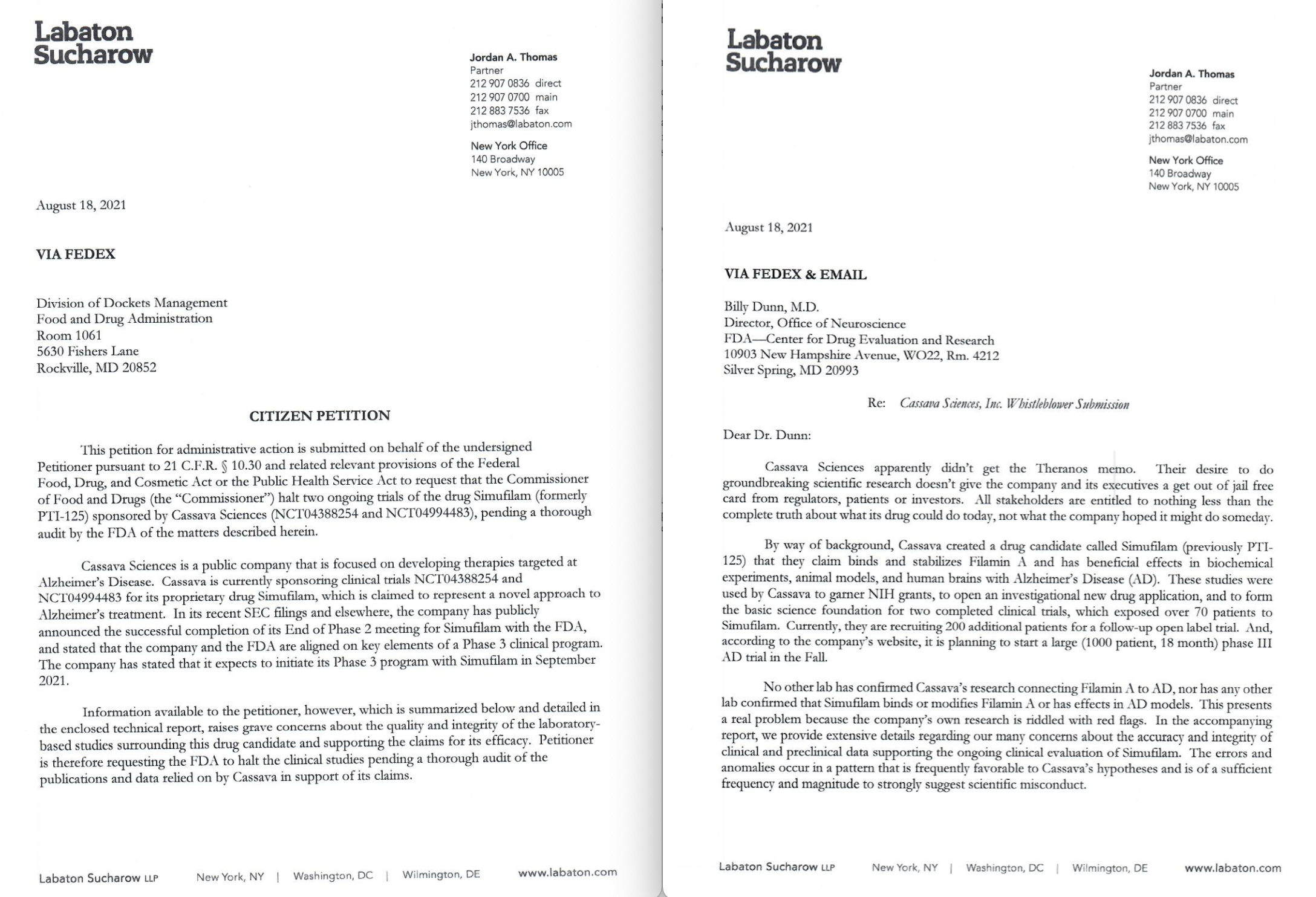
Cassava Sciences: Of stocks and blots
A group of anonymous persons filed a Statement of Concern with the FDA regarding the integrity of research papers about Simufilam, an Alzheimer’s Disease treatment drug candidate developed by…
Terence Tao (@tao@mathstodon.xyz)
I wrote recently about how the collection of good, fruitful open problems is now being mined in a non-renewable fashion, leading to the potential scenario of these problems becoming scarce. This may seem unintuitive at first, since the set of possible problems one could ask is infinite. Perhaps the following analogy can help: a country or region can suffer a critical shortage of drinking water while simultaneously being surrounded by a massive ocean. One can easily generate any number of open problems in mathematics at will, such as working out the 10^10^10th digit of pi. But the vast majority of such problems are not worth focusing attention on: they show no particular propensity to reveal any further insights or connections to other questions, or may either be too easy or too impossible relative to known techniques to learn anything from the exercise. (1/4)