

59 researchers and executives who quit or were fired from OpenAI, Google DeepMind, Anthropic, Meta, and xAI over AI safety concerns. Sourced departures, writings, and prediction tracking.
Why I Left Google DeepMind
I fought against Google’s Pentagon AI deal from the inside. Powerful people and institutions failed to keep their AI ethics promises under pressure.
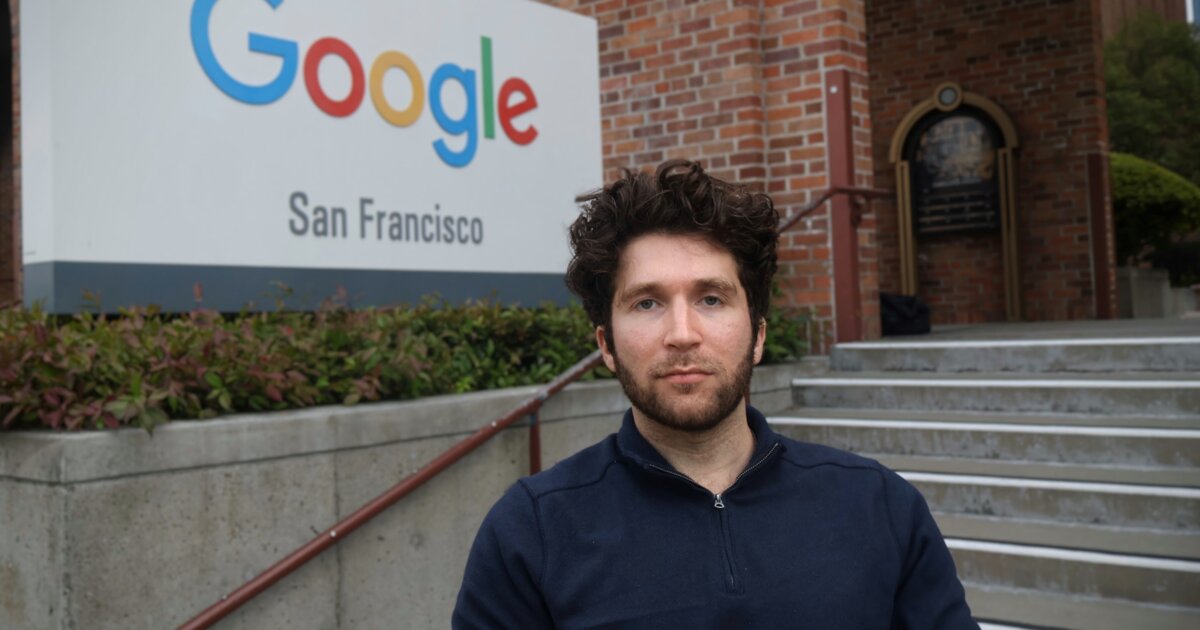
People Training OpenAI’s AI Fired for Using AI to Train the AI
OpenAI has thousands and thousands of contractors helping improve the company's AI models. Multiple contractors have been fired for using AI to train the AI.
OpenAI targets workplace professionals as enterprise AI demand surges
‘These leaders recognize AI as the most consequential shift of their lifetime, and they’re asking us how to reinvent their companies around it’

“The problem is Sam Altman”: OpenAI insiders don’t trust CEO
OpenAI brainstorms ways AI can benefit humanity in effort to counter bad vibes.
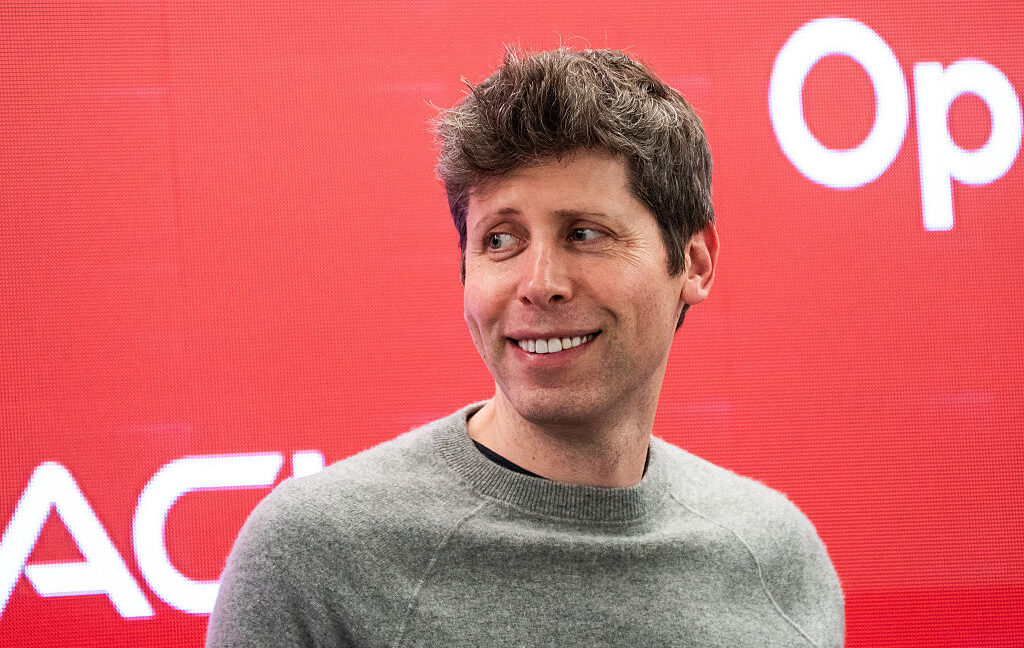
OpenAI’s latest math breakthroughs commit research misconduct, experts say
OpenAI released 10 AI-generated results over the weekend. Some mathematicians are unhappy with their approach
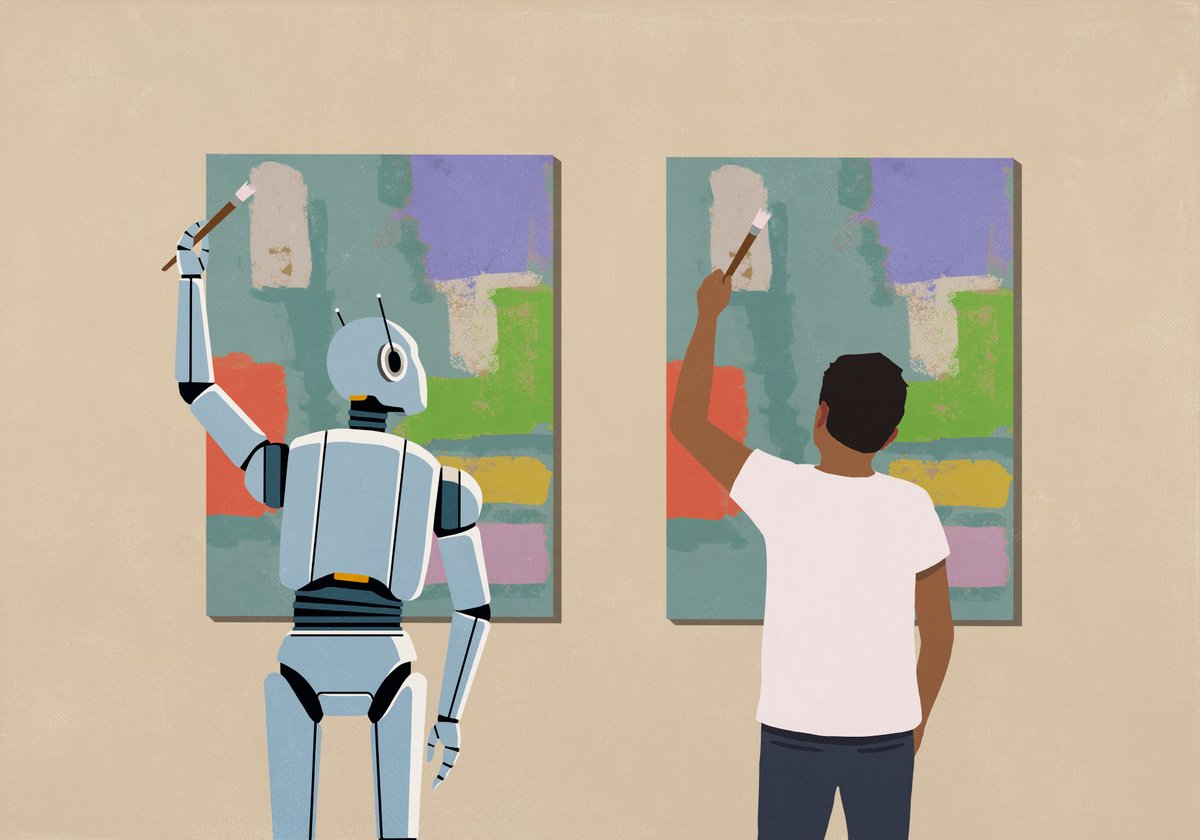
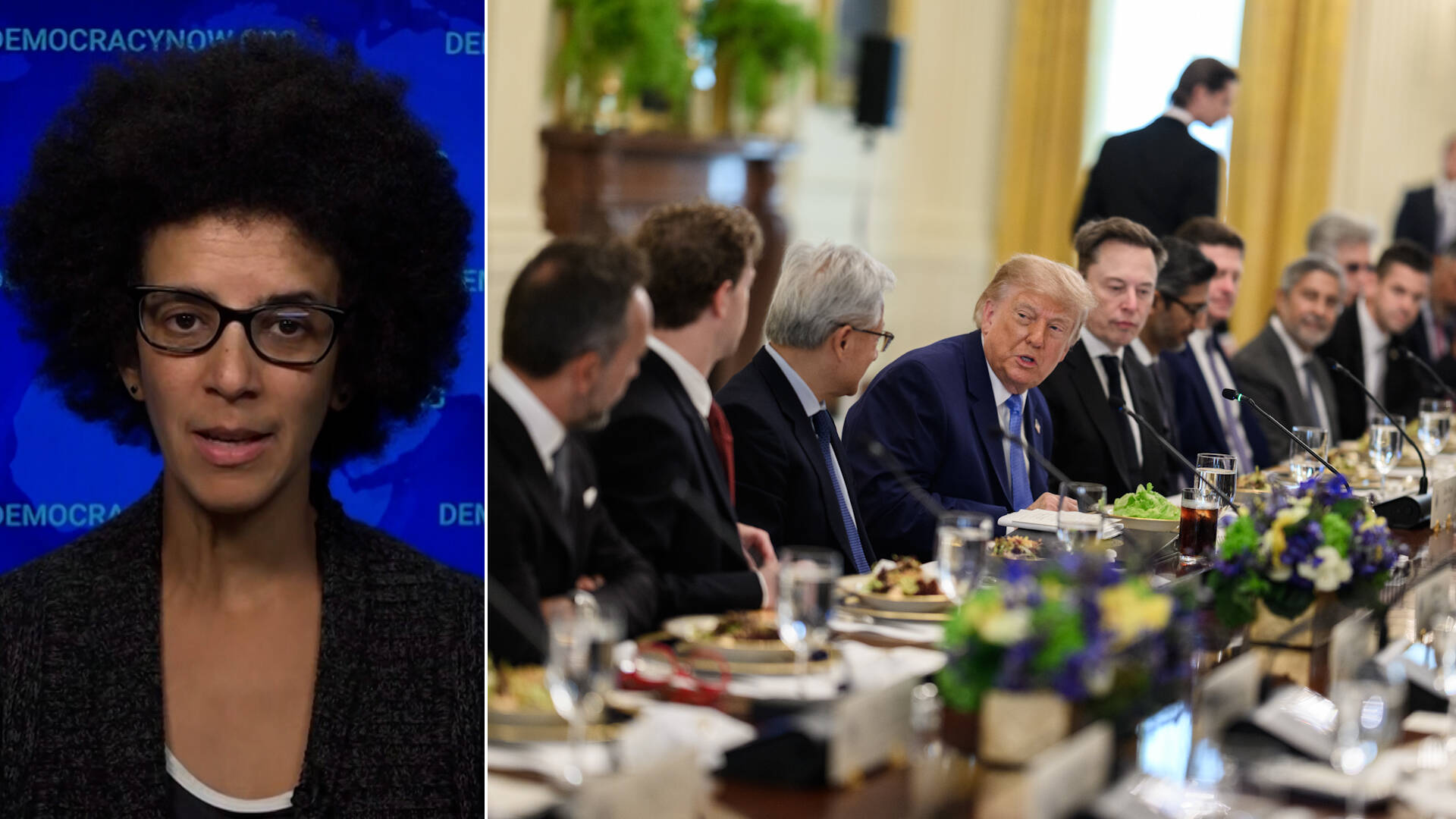
The Real Existential Risk Is AI CEOs Avoiding Oversight: “Alternative Nobel” Winner Timnit Gebru
We speak to the prominent AI researcher and leading critic of the AI industry, Timnit Gebru, who was recently awarded a 2026 Right Livelihood Award for her work investigating the harms and hype behind the global buildup of artificial intelligence. “Instead of discussing faulty, unreliable systems,” Gebru says tech leaders like SpaceXAI’s Elon Musk, OpenAI’s Sam Altman and Anthropic’s Dario Amodei are “marketing their systems as all-knowing, superpowerful, superintelligent,” and lobbying for “self-policing and self-regulation” to avoid being held “liable through existing laws.” Gebru expresses skepticism over increasingly widespread claims that AI algorithms pose an existential risk to humanity, warning that such claims are overblown and that “what is actually happening is regulatory capture.”
AI, Ethics, and Society — Home
OpenAI flags concerning new AI behavior and vows to track it more closely
OpenAI has disclosed six reports on unexpected or concerning behavior in artificial-intelligence models
How AI agents "radicalized" a top Meta exec into quitting her job
Clara Shih on how AI will soon displace the first few rungs on the career ladder — and why she left Big Tech to do something about it

Black Hat USA 2026: The 'Breaking' News: The OpenAI–Hugging Face Incident
Black Hat USA 2026: The 'Breaking' News: The OpenAI–Hugging Face Incident
Black Hat USA 2026: The 'Breaking' News: The OpenAI–Hugging Face Incident
OpenAI’s Hacking Debacle Comes Down to Human Error
If the generative AI giant had followed well-known security best practices, it’s likely that its AI agent would never have escaped to the open internet and hacked multiple companies.

The Arguments Against Open Source AI are Very Bad | Tom Bedor's Blog
The release of Kimi K3 has opened a fresh round of angst and confused discourse. There's a loud cohort of journalists, business leaders, and politicians arguing that open source AI is a dangerous threat. OpenAI's Dean Ball:
Google, Microsoft, and OpenAI join forces to help create AI's missing trust layer
With 13 founding members, the all-new Appia Foundation wants to help make AI safety claims verifiable.
